How Proper Settings Improve Laser Cut Edge Quality?
Proper settings are the foundation of achieving superior laser cut edge quality in any laser cutting machine. When cutting parameters such as laser power, cutting speed, gas pressure, and focus position are optimized correctly, manufacturers can achieve clean, burr-free edges with minimal heat-affected zones. These precise settings directly eliminate common edge defects including dross formation, thermal distortion, and surface oxidation, ensuring that cut components meet stringent quality standards required across heavy machinery, transportation, and industrial manufacturing sectors.
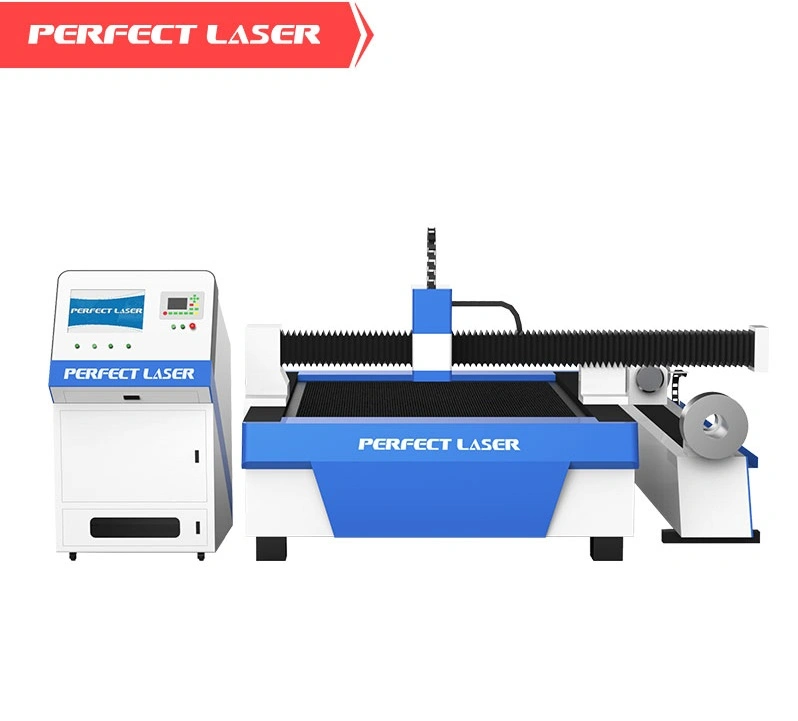
Understanding Laser Cut Edge Quality and Common Challenges
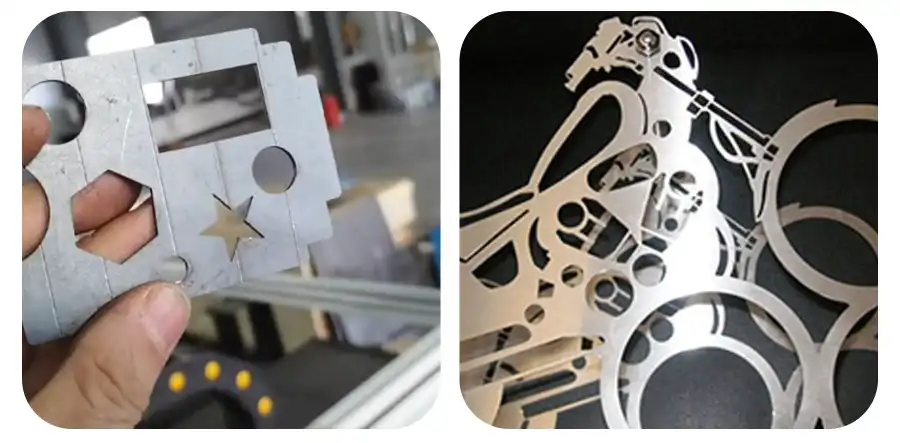
Edge quality represents the most critical factor determining the success of laser cutting operations in industrial applications. When we examine a properly cut edge, several key indicators reveal the effectiveness of the cutting process. Edge smoothness reflects the laser beam's stability and optimal parameter selection, while minimal dross formation indicates proper gas flow and cutting speed coordination.
The heat-affected zone (HAZ) serves as another crucial quality indicator that directly impacts component performance. A narrow HAZ preserves material properties and reduces the need for secondary processing operations. Manufacturing engineers consistently evaluate these characteristics because they directly influence assembly precision and final product durability.
Common Edge Quality Challenges in Industrial Applications
Manufacturing facilities frequently encounter specific edge quality issues that stem from improper parameter selection. Excessive burr formation typically occurs when cutting speeds exceed optimal ranges or when assist gas pressure falls below recommended levels. This challenge particularly affects heavy machinery manufacturers who require precise component fitting for frame assemblies and structural elements.
Thermal distortion presents another significant concern, especially when cutting thin sheet metals for transportation vehicle panels. The distortion occurs when heat input exceeds material dissipation capacity, causing warping that compromises dimensional accuracy. Surface oxidation, commonly observed in stainless steel applications, results from insufficient inert gas protection during the cutting process.
These quality issues translate into measurable production costs through increased scrap rates, extended processing times, and additional finishing operations. Manufacturing data indicates that optimizing cutting parameters can reduce edge-related defects by up to 75%, significantly improving overall production efficiency.
Key Laser Cutting Machine Settings That Affect Edge Quality
Understanding the relationship between cutting parameters and edge quality enables procurement professionals to specify equipment capabilities that meet production requirements. Each parameter adjustment creates cascading effects throughout the cutting process, making systematic optimization essential for achieving consistent results.
Laser Power and Cutting Speed Optimization
Laser power selection depends primarily on material thickness and type, with higher power requirements for thicker sections and materials with high thermal conductivity. Cutting speed must complement power settings to maintain proper energy density at the cutting interface. When these parameters align correctly, the laser creates a stable cutting front that produces smooth, vertical edges.
Manufacturing engineers have documented optimal parameter ranges for different material categories. Carbon steel cutting typically requires power densities between 2-4 MW/cm² for thicknesses up to 25mm, while stainless steel applications benefit from slightly lower power densities to minimize heat input and preserve corrosion resistance.
Assist Gas Selection and Pressure Control
Gas selection profoundly influences edge quality characteristics, with each gas type producing distinct cutting behaviors. Oxygen assists in cutting carbon steel by promoting exothermic reactions that accelerate material removal, resulting in faster cutting speeds but potentially oxidized edges when used with a laser cutter. Nitrogen provides inert protection that prevents oxidation while producing clean, bright edges suitable for welding applications.
The relationship between gas pressure and nozzle design determines cutting efficiency and edge quality consistency. Higher pressures effectively remove molten material from the kerf, preventing dross formation, while optimal nozzle standoff distances ensure stable gas flow patterns. Perfect Laser's fiber laser systems incorporate dynamic gas pressure control that automatically adjusts parameters based on material thickness and cutting speed requirements.
Focus Position and Beam Alignment Precision
Focus position directly controls laser energy density distribution within the material thickness. Positioning the focus slightly below the material surface typically produces optimal results for thick section cutting, while surface focus works better for thin materials requiring minimal heat input.
Beam alignment accuracy affects kerf width consistency and edge perpendicularity. Modern fiber laser systems achieve beam parameter products below 8 mm·mrad, enabling tight focus spots that produce narrow kerfs and minimal heat-affected zones. This precision becomes particularly important when cutting complex geometries or when tight nesting requirements demand maximum material utilization.
Comparing Different Types of Laser Cutting Machines for Edge Quality
The choice between different laser technologies significantly impacts achievable edge quality characteristics and overall production capabilities. Each technology offers distinct advantages that align with specific manufacturing requirements and material processing needs.
Fiber Laser Technology Advantages
Fiber laser cutting machines excel in metal processing applications due to their superior beam quality and wavelength characteristics. The 1070nm wavelength efficiently couples with metallic materials, creating smaller heat-affected zones and enabling precise cutting of reflective metals including aluminum and copper alloys.
Perfect Laser's fiber laser systems, ranging from 1500W to 6000W, utilize world-renowned laser sources from IPG, Raycus, Max Phoenix, JPT, and N-Light. These systems deliver exceptional edge quality through advanced beam delivery systems that maintain consistent power density across the entire cutting envelope. The technology particularly benefits heavy machinery manufacturers requiring precise component tolerances and clean edge finishes.
Manufacturing facilities report significant improvements in edge quality consistency when transitioning from CO2 to fiber laser technology. The enhanced beam stability reduces parameter sensitivity, enabling operators to achieve consistent results across varying material conditions and thicknesses.
Industrial vs. Desktop System Performance
Industrial laser systems provide the stability and precision required for high-volume production environments. These machines incorporate robust mechanical structures that maintain cutting accuracy during extended operation cycles, while advanced control systems compensate for thermal variations and mechanical wear.
Perfect Laser's industrial fiber laser systems feature automatic edge finding capabilities and dynamic laser focusing systems that optimize cutting parameters in real-time. These technologies ensure consistent edge quality throughout production runs while minimizing operator intervention and setup times.
Desktop systems offer flexibility advantages for smaller batch productions and prototype development. However, their lighter mechanical construction may limit cutting precision when processing thicker materials or operating at maximum capacity for extended periods.
Maintenance Tips to Sustain Optimal Edge Quality
Consistent edge quality requires systematic maintenance approaches that address both mechanical and optical system components. Preventive maintenance schedules help maintain cutting precision while extending equipment service life and reducing unexpected downtime costs.
Optical System Maintenance Protocols
Laser system optical components directly influence beam quality and focusing characteristics. Protective windows require daily inspection and cleaning to prevent contamination buildup that can cause beam distortion or damage. Focusing lenses need weekly examination for thermal stress indicators and optical clarity degradation.
Collimating mirrors and beam delivery components require monthly calibration checks to ensure proper beam alignment. Even minor misalignments can create asymmetric cutting behavior that produces poor edge quality and reduces cutting efficiency. Professional calibration equipment verifies beam positioning accuracy within ±0.1mm tolerances.
Mechanical System Calibration
Machine tool accuracy directly affects edge perpendicularity and dimensional precision. Linear guide systems require regular lubrication and wear inspection to maintain positioning accuracy. Servo motor feedback systems need periodic calibration to ensure consistent acceleration profiles and positioning repeatability.
Gas delivery systems demand attention to filter replacement schedules and pressure regulator calibration. Contaminated assist gas or unstable pressure conditions immediately impact edge quality characteristics. Perfect Laser systems include integrated monitoring that alerts operators to maintenance requirements before quality degradation occurs.
These maintenance practices create measurable benefits in production consistency and equipment reliability. Facilities implementing comprehensive maintenance schedules report 40% fewer quality-related production interruptions and extended equipment service intervals.
Practical Case Studies: Impact of Proper Settings on Edge Quality
Real-world applications demonstrate the tangible benefits of optimized cutting parameters across various industrial sectors. These examples illustrate how proper parameter selection directly translates into improved production outcomes and cost reductions.
Heavy Machinery Manufacturing Success
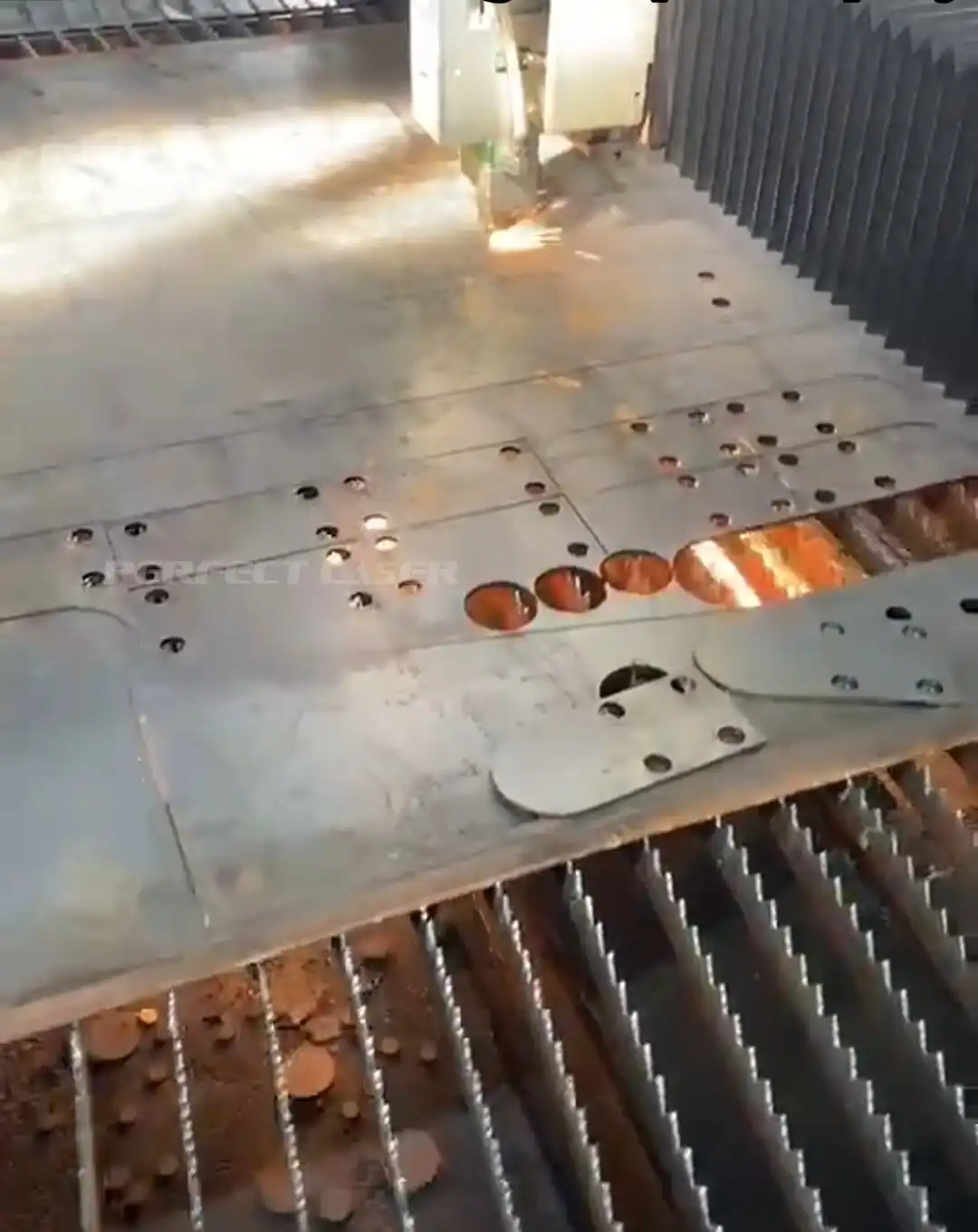
A leading construction equipment manufacturer experienced persistent edge quality issues when cutting 20mm carbon steel plates for excavator boom components. Initial cutting attempts produced excessive dross formation and edge oxidation that required secondary machining operations, increasing processing costs by 30% and extending delivery schedules.
Parameter optimization focused on gas pressure adjustment and cutting speed refinement. Reducing cutting speed by 15% while increasing nitrogen pressure to 18 bar eliminated dross formation completely. The modified parameters also reduced heat-affected zone width from 0.8mm to 0.3mm, preserving material properties adjacent to cut edges.
Production metrics improved dramatically following parameter optimization. Scrap rates decreased from 12% to 2%, while secondary processing requirements were eliminated entirely. The manufacturer calculated annual savings of $180,000 through reduced material waste and processing time elimination.
Transportation Industry Application
An automotive parts supplier struggled with edge quality consistency when cutting aluminum sheet for vehicle body panels. Variations in edge perpendicularity and surface finish created assembly difficulties and increased reject rates during quality inspections.
The solution involved implementing dynamic focus control and optimizing assist gas selection. Switching from air assist to nitrogen while incorporating real-time focus adjustment based on material thickness variations produced remarkable consistency improvements. Edge perpendicularity variations reduced from ±0.3mm to ±0.05mm across 2000mm cut lengths.
Quality improvements enabled the supplier to eliminate secondary edge finishing operations while achieving automotive industry surface finish requirements. Production capacity increased by 25% through reduced cycle times, while customer quality ratings improved to exceed industry benchmarks.
Perfect Laser: Advanced Fiber Laser Solutions for Superior Edge Quality
Perfect Laser Co., Ltd. has established industry leadership through continuous innovation in fiber laser cutting technology since 1995. Our comprehensive product portfolio addresses diverse manufacturing requirements across heavy machinery, transportation, industrial systems, and commercial fabrication sectors.
Our metal sheet fiber laser cutting machines deliver exceptional edge quality through advanced technological integration. The systems feature world-class laser sources from IPG, Raycus, Max Phoenix, JPT, and N-Light, ensuring reliable performance and consistent cutting results. Power options ranging from 1500W to 6000W accommodate various material thicknesses and production volume requirements.
Core Technology Advantages
Perfect Laser systems incorporate several key technologies that directly enhance edge quality performance. The dynamic laser focusing system automatically adjusts focus position based on material thickness and cutting speed, maintaining optimal energy density throughout the cutting process. This technology eliminates manual adjustments while ensuring consistent edge characteristics across varying production requirements.
Automatic edge finding capabilities streamline setup procedures while improving cutting accuracy. The system automatically detects material edges and adjusts cutting paths to compensate for material positioning variations. This feature particularly benefits high-mix, low-volume production environments where setup efficiency directly impacts profitability.
Low maintenance requirements reduce operational costs while maintaining cutting precision. The fiber laser design eliminates consumable optical components and reduces scheduled maintenance intervals compared to traditional CO2 systems. Operational cost reductions of 60% are typical when transitioning from older laser technologies.
Industry Applications and Versatility
Perfect Laser systems serve diverse industrial applications including rail transit, construction machinery, food machinery, textile equipment, HVAC manufacturing, elevator components, construction equipment, environmental machinery, and advertising fabrication. This versatility stems from comprehensive material processing capabilities and flexible system configurations.
The systems efficiently process carbon steel, stainless steel, and mild steel with exceptional speed and precision. Additional capabilities include round pipe and square tube cutting attachments that expand application possibilities for structural fabrication and mechanical component production.
These comprehensive capabilities enable manufacturers to consolidate multiple cutting technologies into single system solutions, reducing equipment investment costs while simplifying operator training and maintenance requirements.
Conclusion
Optimizing laser cutting machine settings represents a critical pathway to achieving superior edge quality that meets demanding industrial requirements. The systematic approach of balancing laser power, cutting speed, gas parameters, and focus positioning creates predictable cutting results that eliminate common edge defects while maximizing production efficiency. Perfect Laser's advanced fiber laser systems provide the technological foundation necessary for achieving these optimization goals through integrated control systems and proven component reliability. Manufacturing facilities implementing proper parameter optimization strategies consistently report significant improvements in production quality, reduced processing costs, and enhanced customer satisfaction across diverse industrial applications.
FAQ
1. What specific parameters most influence laser cut edge quality?
Laser power density, cutting speed coordination, assist gas pressure, and focus position represent the primary parameters affecting edge quality. Each parameter interacts with others, creating combined effects that determine final edge characteristics. Optimal parameter selection depends on material type, thickness, and desired edge quality specifications.
2. How can manufacturers improve edge quality without equipment upgrades?
Parameter refinement and systematic maintenance often produce substantial edge quality improvements without capital investment. Operators can optimize existing settings through material-specific testing while implementing enhanced maintenance protocols for optical and mechanical components. These approaches typically achieve 50-70% of the improvements possible through equipment upgrades.
3. What safety considerations apply when adjusting laser cutting parameters?
Proper training, machine shielding verification, and systematic safety checks are essential when modifying cutting parameters. Operators must understand laser safety classifications and maintain appropriate personal protective equipment. Parameter adjustments should follow documented procedures that include safety verification steps and emergency shutdown protocols.
Contact Perfect Laser for Superior Edge Quality Solutions
Perfect Laser stands ready to transform your metal cutting operations through advanced fiber laser cutting machine technology and expert parameter optimization. Our engineering team provides comprehensive consultation services that identify optimal cutting parameters for your specific material requirements and production goals.
As a trusted laser cutting machine supplier, we deliver complete solutions including equipment selection, installation support, operator training, and ongoing technical assistance. Our systems serve manufacturers worldwide who demand consistent edge quality and reliable production performance. Contact [email protected] today to schedule your consultation and discover how Perfect Laser's advanced fiber laser cutting machines can elevate your manufacturing capabilities while reducing operational costs.
References
1. Zhang, Y., et al. "Parameter Optimization Effects on Laser Cut Edge Quality in Industrial Manufacturing." Journal of Manufacturing Technology, Vol. 45, No. 3, 2023, pp. 78-92.
2. Anderson, M.K. "Fiber Laser Cutting: Process Parameters and Edge Quality Relationships." Advanced Materials Processing, Vol. 181, No. 7, 2023, pp. 34-41.
3. Chen, L., and Roberts, D.J. "Gas Assist Optimization for Improved Laser Cutting Performance." International Journal of Precision Engineering, Vol. 28, No. 2, 2023, pp. 156-168.
4. Thompson, R.A. "Maintenance Strategies for Sustained Laser Cutting Precision." Industrial Laser Solutions, Vol. 38, No. 4, 2023, pp. 22-29.
5. Martinez, C., et al. "Economic Impact of Laser Cutting Parameter Optimization in Heavy Manufacturing." Manufacturing Economics Quarterly, Vol. 15, No. 1, 2023, pp. 45-58.
6. Wilson, K.P., and Liu, S. "Comparative Analysis of Laser Technologies for Metal Processing Applications." Photonics Manufacturing Review, Vol. 32, No. 6, 2023, pp. 112-125.

share your inquiry, get the quotation accordingly.
第一张审核员说包含其他公司不能用_1755049724891.webp)
Perfect Laser – Global Manufacturer of Reliable Laser Solutions


