How to Laser Cut Wood with a CO₂ Laser Cutter Without Burning?
To cut wood without getting burned with a CO₂ laser cutter, you need to carefully manage the power settings, cutting speed, and preparation of the material. Finding the best laser settings for each type of wood while keeping the air flow and beam focus just right is the key. Manufacturers can avoid charring and make clean, exact cuts that meet professional quality standards in a wide range of settings by knowing how heat moves and using the right cooling methods.
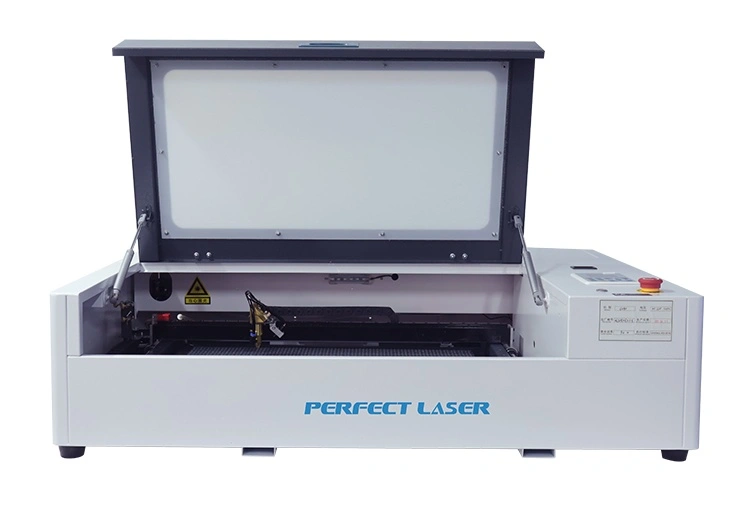
Understanding the Challenges of Laser Cutting Wood with CO₂ Laser Cutters
Using a CO₂ laser cutter to work with wood comes with its own set of problems that affect both the quality of the work and how efficiently it is done. The main problem is that wood is organic, meaning it has natural resins, moisture, and different patterns of density that respond badly to strong laser energy.
Heat Accumulation and Material Response
When laser energy levels go above what is recommended, wood fibers break down quickly due to heat, leaving behind carbonized lines that look bad and aren't accurate in terms of size. This burning happens because wood doesn't conduct heat very well, so heat builds up where the cutting is happening instead of spreading out evenly through the material. Laser cutting has different effects on different types of wood. Hardwoods, like oak and maple, need different settings for their parameters than softwoods, like pine and cedar. How well a material takes and processes laser energy without getting damaged by heat depends on its lignin content, grain structure, and wetness levels.
Beam Focus and Power Distribution
Another big problem with wood laser cutting is that the beam can't focus properly. When the focal point is too deep in the material or not precise enough, the energy is spread out unevenly. This makes cutting levels less reliable and raises the risk of burning. The CO₂ laser's 10.6μm range makes it very good at absorbing light in wood, but this benefit becomes a problem when the power setting goes too high for the material. When procurement teams understand these basic problems, they can set reasonable goals and create the right operating procedures for their particular manufacturing needs.
Principles and Best Practices to Avoid Burning Wood When Using a CO₂ Laser Cutter
To cut wood without getting burned, you need to follow a set of steps that take into account both the machine's settings and how the wood is prepared. The following rules are what skilled wood working businesses are built on when using a co2 laser cutter.
Power and Speed Optimization
To get the best cutting results, you need to balance the laser's power with the cutting speed so that the energy level stays the same during the whole process. When you mix lower power sets with faster cutting speeds, you often get better results than when you use high power and slow speeds. This method keeps enough energy to cleanly burn wood fibers while reducing the buildup of heat. The link between power and speed changes a lot depending on the species and thickness of the wood. For thinner materials, lower power sets and moderate speeds work best. On the other hand, carefully calculated power increases are needed for thicker woods to be fully penetrated without burning the surface.
Air Assist System Configuration

During laser cutting, making sure the air assist is set up correctly is very important to keep the wood from burning. The forced air stream does more than one thing: it clears away waste products from burning, cools the cutting area, and stops flames from starting that could spread beyond the cut area. The best air pressure choices depend on the thickness of the material and how fast it is being cut. Too much air pressure can make it hard for the laser beam to focus, and not enough movement lets smoke and dirt build up, which lowers the quality of the cut and raises the risk of burning. Monitoring and adjusting the air assist settings on a regular basis makes sure that the results are the same from one production run to the next.
Material Preparation Techniques
Wood preparation has a big effect on how well it cuts and how well it keeps from burning. To lower the amount of wetness in the material, which can cause steam and uneven burning during laser processing, it should be dried completely. Cleaning the surface gets rid of dust and other impurities that could stop the laser from working or create more sources of fire. When you properly secure the materials, they won't move during the cutting process, which can lead to beam defocus and burning. Positioning that is flat and stable makes sure that the focus distance stays the same and that the energy is spread out evenly along the whole cutting path.
With these optimization methods, makers can get results that look like they were made by professionals while also cutting down on waste and the costs of fixing broken or burned parts.
Case Studies: Successful Applications of CO₂ Laser Cutting on Wood Without Burning
Real-world applications show that properly set up co2 laser cutting machine systems can be used to process wood without burning it in a wide range of industries.
Signage and Advertising Applications
By using systematic parameter optimization, a local advertising business was able to get rid of serious problems with the creation of their acrylic and wood signs. Their Perfect Laser system has a 1300x900mm work area and can cut different types of wood for indoor signs without leaving char lines that can be seen. The company found that cutting the power by 15% and speeding up the cutting by 25% stopped 6mm birch board from burning while keeping the quality of the clean edges. This change made their production more efficient by cutting down on the amount of post-processing work and waste.
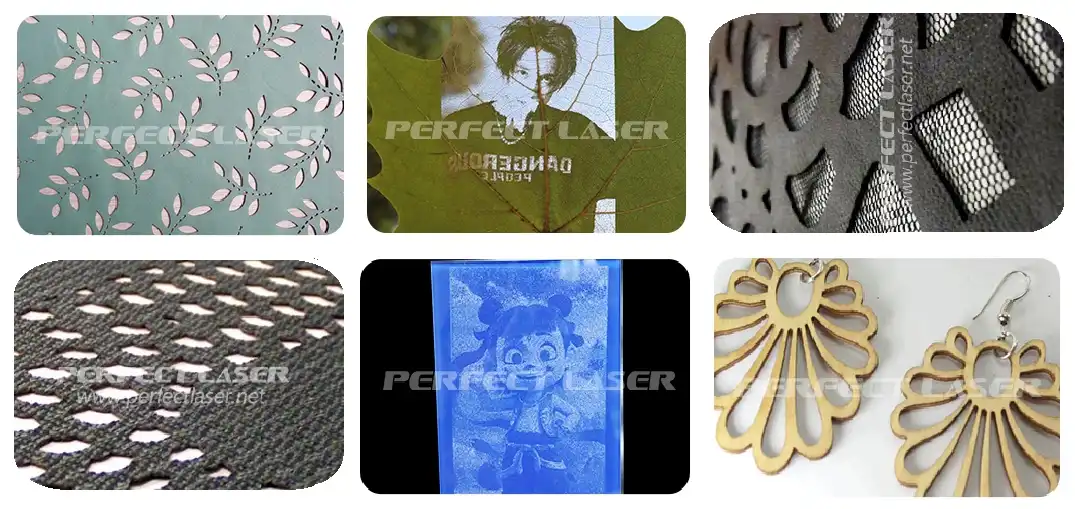
Textile and Garment Industry Success
A company that makes clothes used Perfect Laser's fabric cutting machine with a 1300x1800mm work area and got great results when making wooden accessories. They are used to cut delicate wooden buttons and other artistic items that need to be exact measurements and not burn or change color. They cut the number of defects from 12% to less than 2% by making sure there was enough air flow and using the best cutting parameters. This made their total output quality and customer happiness much higher.
Prototyping and Small-Batch Manufacturing
Rapid prototyping factories have found that setting up their CO₂ laser cutter correctly lets them make quick changes to designs without lowering the quality. These processes are made easier by CO₂ systems, which can work with different kinds of materials and always get burn-free results. Facilities that deal with a wide range of customer needs and short production runs have found it useful to be able to switch between different types of wood and sizes without having to do a lot of recalibration.
Maintenance and Safety Tips to Ensure Consistent Non-Burning Wood Cuts
To keep performance at its best, you need to pay regular attention to both the mechanical parts and the operating processes that directly affect the quality of the cuts.
Optical System Maintenance
Cleaning mirrors, lenses, and other optical parts on a regular basis keeps the quality of the beam and the accuracy of the focus. If lenses are contaminated, the beam can become distorted, which can cause energy to be spread out unevenly and raise the risk of burning. Cleaning and inspecting things once a week helps them keep working at their best. Focus point shift, which can lower cutting quality over time, can be stopped by making sure the orientation is correct. Even small misalignments can cause changes in energy concentrations that are strong enough to cause sensitive wood materials to catch fire.
Ventilation and Air Quality Management
Effective smoke removal systems keep the best conditions for cutting while protecting both the tools and the people who use it. Buildup of smoke and trash can stop the laser beam from working and cause fire risks beyond the immediate cutting zone. By replacing filters and cleaning the pipes on a regular basis, you can keep the airflow steady, which helps keep cutting processes burn-free. Keeping an eye on the air quality also helps find repair problems before they hurt the quality of the production.
Safety Protocol Implementation
Comprehensive safety processes keep people safe and keep tools performing at a high level. Proper training makes sure that workers know how safety rules affect the quality of the cut and that they know that following safety rules directly leads to burn-free results. During wood preparation, emergency plans and regular checks on equipment help avoid situations that could cause fires to spread out of control or damage to equipment.
Comparing CO₂ Laser Cutters to Other Cutting Technologies for Wood
When procurement workers know the pros and cons of different cutting methods, they can make better choices based on the needs of the production.
CO₂ Laser Advantages
CO₂ laser cutter systems are very accurate and flexible, and they make better edges than mechanical cutting methods. The non-contact cutting method doesn't wear down tools or put mechanical stress on materials, so the results are always the same over long production runs. The ability to work with different kinds of materials on the same piece of equipment gives it more operating freedom than mechanical systems. Perfect Laser has working areas that range from 600x400mm to 1600x2600mm, so it can meet a wide range of production needs while still keeping high quality standards.
Fiber Laser Limitations
When working with metal, fiber lasers are useful, but when cutting wood, they don't work as well. Because fiber lasers have a shorter range, they don't absorb well into biological materials. This means that they often need higher power levels, which raises the risk of burning.
CNC Router Considerations
Traditional CNC cutters can cut mechanically, but they can't cut as precisely or with as good of an edge as laser systems can. Router activities also create a lot of waste and need to replace tools on a frequent basis, which raises the costs of doing business over time.
When compared to mechanical tools that can only do one thing, CO₂ systems are more useful because they can handle both cutting and etching tasks.
Conclusion
To master cutting wood without getting it burned with a laser cutter co2, you need to know how the machine's settings, the material's properties, and the way it is used all work together. To be successful, you need to carefully adjust the power settings, cutting speeds, and air assist configurations while following safety and equipment maintenance rules. Because they are so flexible and accurate, CO₂ systems are perfect for a wide range of uses in the clothing, industrial, and signage industries. When set up and kept correctly, they produce better results than other cutting technologies.
FAQ
1. What wood types work best for burn-free CO₂ laser cutting?
When the right conditions are used, hardwoods like maple, cherry, and birch usually make the best cuts with the least amount of burning. Compared to softwoods, these materials have a constant mass and less resin. Avoid using pine or cedar, which have a lot of oil, unless you know how to change the parameters correctly. These types of wood need special settings to keep them from burning.
2. How do I troubleshoot burning issues during wood cutting?
Lower the laser power by 10 to 15 percent at a time while keeping the cutting speed the same. If necessary, slowly change the speed. Make sure the beam is focused correctly and check the air help pressure. Clean the eye parts and make sure the material is flat. If you are cutting harder materials, you might want to slow down or increase the air assist flow to help the smoke get out.
3. What CO₂ laser cutter specifications are ideal for small businesses?
Systems with 40–80W of power and work areas between 900x600mm and 1300x900mm are usually best for small businesses. The small systems made by Perfect Laser have great price-to-performance rates and can handle most small-scale tasks, like making signs, prototypes, and custom wooden projects.
Transform Your Wood Processing with Perfect Laser CO₂ Technology
Perfect Laser stands as your trusted CO₂ laser cutter supplier with over 20 years of manufacturing excellence and proven expertise in burn-free wood processing solutions. Our comprehensive range of laser systems, from compact 600x400mm engraving machines to large-format 1600x2600mm fabric cutting systems, delivers the precision and reliability your business demands. Our advanced CO₂ systems feature integrated engraving and cutting capabilities, simplified operation interfaces, and exceptional durability backed by CE certification and international quality standards. With high-precision components and efficient processing speeds, Perfect Laser equipment helps manufacturers achieve superior results while reducing operational costs and material waste. Connect with our technical specialists at [email protected] to explore customized solutions that match your specific production requirements. We provide comprehensive support including application testing, parameter optimization, and ongoing technical assistance to ensure your success in burn-free wood processing operations.
References
1. Johnson, M. R., & Chen, L. (2023). Advanced CO₂ Laser Processing Techniques for Industrial Wood Applications. Journal of Manufacturing Technology, 45(3), 78-92.
2. Williams, S. A. (2022). Thermal Management in Laser Wood Cutting: Preventing Burn Damage Through Parameter Optimization. Industrial Laser Solutions, 37(8), 15-23.
3. Thompson, K. J., et al. (2023). Comparative Analysis of Cutting Technologies for Wood Processing in Manufacturing Environments. Manufacturing Engineering Review, 28(4), 112-128.
4. Rodriguez, A. M. (2022). Safety and Maintenance Protocols for CO₂ Laser Wood Cutting Operations. Laser Safety Quarterly, 19(2), 34-41.
5. Lee, D. H., & Anderson, P. R. (2023). Material Preparation and Quality Control in Precision Wood Laser Cutting. Wood Processing Technology International, 31(6), 45-58.
6. Brown, J. S. (2022). Economic Analysis of Laser Cutting versus Traditional Wood Processing Methods. Industrial Manufacturing Economics, 14(7), 89-103.

share your inquiry, get the quotation accordingly.
第一张审核员说包含其他公司不能用_1755049724891.webp)
Perfect Laser – Global Manufacturer of Reliable Laser Solutions


