Laser Die Board Cutting Machines for Packaging and Print Factories
When printing and packing companies are under more and more pressure to make complex custom designs faster, a die board laser cutter becomes the answer that changes the way work is done. Concentrated laser beams are used by these high-tech tools to cut through wooden die boards with a level of accuracy that traditional saws can't match. This lets manufacturers make complex packaging prototypes and large runs without losing speed or accuracy.
Understanding Laser Die Board Cutting Machines
What Is a Die Board Laser Cutter?
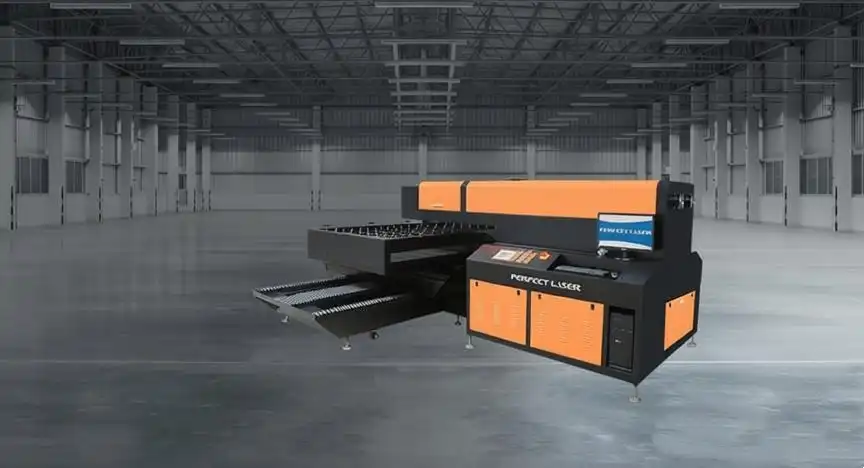
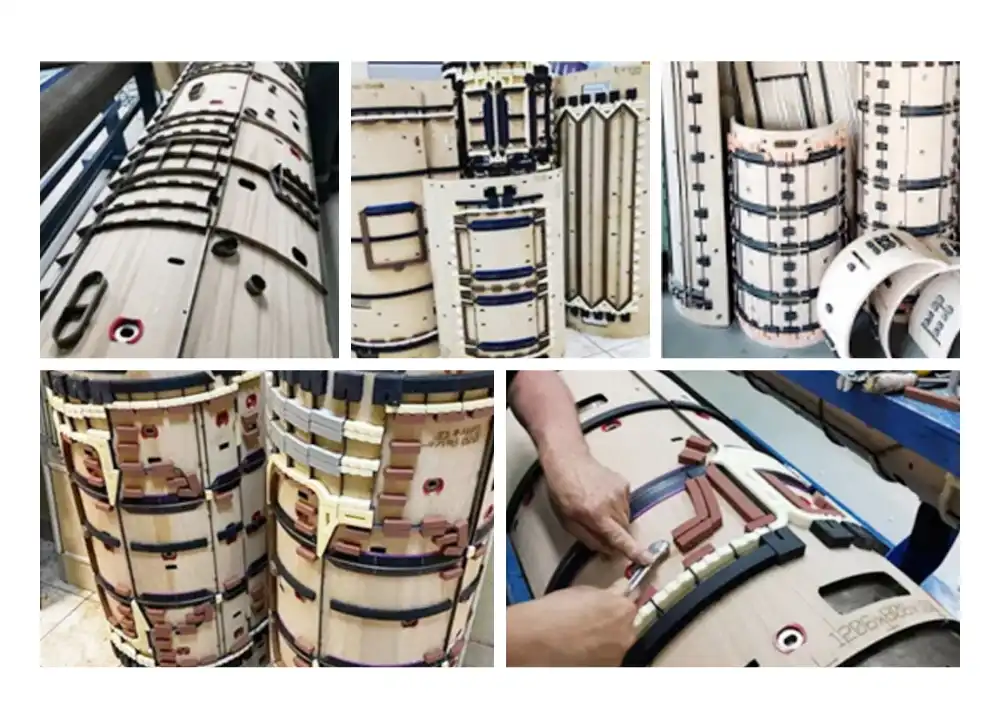
A die board laser cutter is a machine designed for cutting wooden die boards used in the packaging and printing industries. It replaces mechanical blades with CO₂ laser tubes (300W–600W), producing focused beams that burn precise paths. It processes 15–25 mm thick boards and supports kerf widths like 0.45 mm, 0.71 mm, 1.05 mm, and 1.42 mm with consistent accuracy. The non-contact laser method ensures clean cuts, stable edges, and high repeatability for industrial die-making applications.
How CO2 Laser Technology Works in Die Cutting?
CO₂ lasers generate infrared light at 10.6 μm, which wood strongly absorbs. When the beam contacts the die board, it rapidly vaporizes material along programmed paths while air removes debris. This non-contact cutting avoids mechanical stress, preventing warping and misalignment common in traditional cutting. The system uses DSP controllers, LCD screens, and USB offline input, allowing file transfer without a continuous computer connection. This improves workflow efficiency, stability, and automation in industrial die board production environments.
Traditional Methods vs. Laser Cutting Technology
Traditional die board cutting relies on manual marking and mechanical sawing, which increases alignment errors and labor intensity. Blade wear, manual measurement, and repeated adjustments reduce efficiency and consistency. In contrast, laser cutting uses CAD-driven automation for precise, repeatable results. Auto-focus systems adjust beam height dynamically to maintain cutting quality across uneven surfaces. This eliminates manual intervention, reduces waste, and significantly improves production consistency, making laser systems far superior for modern packaging manufacturing requirements.
Key Advantages for Packaging Operations
Laser die board cutting significantly improves packaging die making production through high precision, speed, and automation, enabling more efficient and consistent manufacturing outcomes. It enables complex designs that manual or mechanical systems struggle to achieve, while maintaining consistent kerf width and clean edges. Continuous operation eliminates blade changes and reduces downtime. Energy consumption is low, and no inert gas is required, reducing operational costs. Maintenance is simplified due to a compact integrated design, improving reliability and productivity in high-demand packaging manufacturing environments.
How to Choose the Right Laser Die Board Cutter for Your Factory?
Assessing Your Production Requirements
Selecting the right machine depends on production volume, board thickness, and design complexity. Small-scale operations may use 300W systems, while complex packaging requires 400W–600W models. Worktable size (900×900 mm to 1200×1800 mm) affects flexibility from prototyping to mass production. Matching machine capacity to workload ensures cost efficiency, avoids overspending, and improves long-term productivity across different packaging applications and production scales.
Evaluating Cutting Precision and Speed
Cutting accuracy directly impacts product quality and yield. High-end machines use ball screws, guide rails, and servo motors for stable, high-speed operation. Consistent kerf width and clean edges are essential indicators of performance. Proper calibration ensures repeatability over long production cycles. Modern systems can run continuously 24/7 if maintained properly, supporting high-output packaging manufacturing without loss of precision or stability across large production volumes.
Material Compatibility Considerations
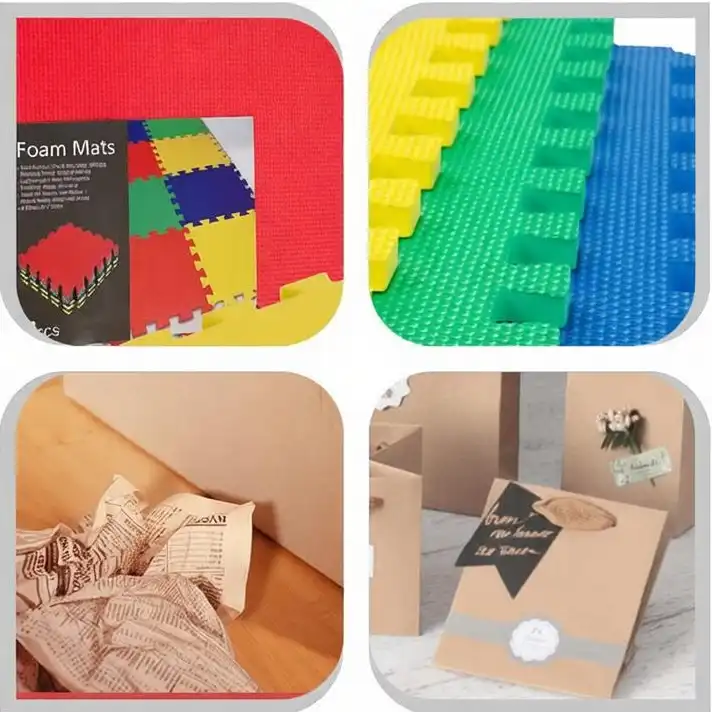
Although primarily used for wood die boards, flexible systems can process materials ranging from 15–25 mm thickness. Stable laser output ensures consistent cutting across different densities. Some systems also support acrylic and cardboard processing, expanding production capabilities. This versatility allows manufacturers to diversify services, increase equipment utilization, and respond more effectively to varied customer demands in packaging and prototype production environments.
Automation and Control Features
Modern systems feature touchscreen interfaces, DSP offline control, and USB file loading for easier operation. Auto-following focus systems adjust cutting height automatically, compensating for surface irregularities. These automation features reduce operator workload, improve consistency, and minimize training requirements. Integrated digital control enhances precision and enables stable, repeatable cutting performance, supporting efficient production with lower labor dependency in industrial environments.
Cost Analysis and Return on Investment
Beyond purchase price, operating costs include power consumption, maintenance, and consumables. Die board laser cutters are energy-efficient and do not require inert gases, lowering long-term expenses. ROI depends on savings in labor, material waste reduction, and increased production speed. Evaluating total cost of ownership ensures better financial decisions and faster payback compared to traditional mechanical cutting systems in packaging manufacturing.
Warranty and Technical Support Structures
Reliable technical support ensures minimal downtime and stable production. Strong suppliers provide warranties, spare parts, and training programs. Companies like Perfect Laser offer global service networks, online support, and installation assistance. Long-term service capability reflects supplier reliability. Choosing experienced manufacturers with proven industry presence helps ensure operational continuity and reduces risk in production environments requiring consistent uptime and technical stability.
Operational Best Practices and Maintenance Tips
Initial Setup and Calibration Procedures
Proper installation ensures long-term performance stability. Machines should be placed on stable, vibration-free surfaces with correct air pressure and filtration systems. Laser alignment and calibration must be verified before production begins. Test cutting helps optimize parameters such as speed and power. Accurate setup reduces errors, improves cutting quality, and ensures consistent performance across different materials and production conditions.
Software File Preparation Guidelines
Accurate CAD file preparation is essential for quality output. Files should be exported in formats like DXF or PLT with clean cutting paths and no hidden layers. Line consistency ensures correct kerf behavior, while optimized layout improves material utilization. Pre-checking files prevents errors and reduces waste. Proper digital preparation improves efficiency and ensures smooth integration with automated cutting systems.
Daily Maintenance Routines
Maintenance that is done every day keeps equipment running well and extends its life. Use approved optical-grade cleaners and lint-free cloths to clean the sides of laser lenses. Check for any dust buildup that weakens the beam. Check the compressed air filter for water and other impurities. If necessary, drain and replace the filter. Clean up the cutting mess on the workbench and rails, and then clean the area around the cutting area very well. Make sure that all of the emergency stop functions work properly and that the air systems get rid of fumes the right way. These simple steps don't take long and greatly lessen the need for big repairs.
Weekly and Monthly Service Tasks
Every week and every month, more thorough maintenance jobs should be planned. Follow the manufacturer's instructions for lubricating guide rails and ball screws to make sure smooth action throughout the working area. Check the tightness of the belts on motion systems and make any necessary adjustments to avoid placement mistakes. Check the optical path mirrors for damage or dust, and then clean them carefully with the right tools. Check the accuracy of the auto-following sensor across different board thicknesses and re-calibrate it if the numbers move out of suitable ranges. Electrical connections should be checked every month, the performance of the cooling system should be confirmed, and any problems with the system should be written down so that trends can be seen.
Safety Protocols for Operators
When lasers are used for cutting, there are special safety concerns that need strict rules. Operators must wear laser safety glasses that are rated for the frequency that CO2 systems give off. Making sure there is enough air will get rid of the fumes and dust that are made when you cut, which is good for your lung health. During any repair work, use lockout/tagout methods to keep things from being accidentally turned on. Set clear limits around working equipment and teach everyone where to go in case of an emergency and how to put out a fire. Regular safety checks make sure that all safety measures are still working and that workers are still aware of possible dangers.
Troubleshooting Common Issues
Knowing about common operating problems helps keep downtime to a minimum when they do happen in processes such as packaging die making, ensuring smoother production and more reliable equipment performance. Focus distance problems are often caused by cuts that aren't the same depth every time. Check the auto-following system's settings and look for dirt on the sensors. If there are too many charring or burn lines, it means that the power settings are too high for the thickness of the material. Lower the laser's strength or speed up the cutting process. If cuts are rough or don't go all the way through, check the laser tube's output power and make sure the gas help pressure is right. Strange noises while moving could mean there are technical problems that need to be fixed right away to keep parts from breaking. Keeping detailed records of how a machine works helps find trends that can be used to figure out when maintenance is needed before something breaks.
Innovations and Trends in Laser Die Board Cutting Technology
Advanced Laser Source Development
New developments in sealed CO2 laser tube technology have led to better beam quality, higher efficiency, and longer operating lifetimes. In modern 300W and 400W tubes, the output is stable enough that the cutting performance stays the same over thousands of hours of use without much power loss. When the quality of the beam mode gets better, the focus spots get smaller, which lets you cut finer details and make the edges smoother. With these improvements, producers can make packaging designs that are more complicated while still getting the cost benefits of medium-power die board laser cutter systems.
Smart Automation and Industry 4.0 Integration
These days, the board laser cutters have more and more smart devices and connection features that work with the ideas behind Industry 4.0 manufacturing. IoT-enabled systems keep an eye on operational factors in real time and send performance data to central management platforms that keep track of how efficiently production is going, predict when repair will be needed, and find the best schedule for all machines. Cutting machines and automated material handling systems work together to load raw boards and unload produced goods. This cuts down on the need for workers and allows production to happen even when the lights are off during off-shift hours. Because of these features, laser cutting stations are no longer separate desks but are now part of larger factory execution systems.
Energy Efficiency Improvements
Energy efficiency improvements are kept going because they are good for the environment and cut down on running costs. Brand-new equipment cuts through materials amazingly well while using a lot less power than older models. By cutting directly with compressed air instead of inactive gas, ongoing operating costs are greatly reduced, and the layout of the building is made easier to use. Better thermal control methods lower the need for cooling, which lowers the demand for electricity even more. These improvements in efficiency not only lower running costs but also help companies with their sustainability efforts, which are becoming more important to both end customers and B2B buyers.
Enhanced Customization Capabilities
As brands try to stand out through unique structural designs, the modern package market wants more flexibility and shorter production runs. Die board laser cutting works great in this setting because it lets you switch between designs with simple file changes instead of costly mechanical die changes. Parametric design tools are now built into more advanced software platforms. These tools let you quickly make changes from base templates, which cuts engineering time for custom orders by a huge amount. Because of this, packaging companies can give customized solutions at low costs, which opens up new market segments that were previously only served by standard goods.
Predictive Maintenance Technologies
More and more, equipment makers are putting sensors in important systems that watch performance markers and can predict breakdowns before they happen. Vibration analysis finds worn bearings in motion systems, thermal imaging finds electrical problems before they get worse, and laser power tracking tracks how tubes break down over time. Algorithms for machine learning look at these streams of data and find patterns that show new problems. They do this by setting standard performance markers and flagging outliers. This proactive method changes maintenance from reactive crisis management to proactive scheduling that cuts down on surprise downtime and makes equipment last longer.
Conclusion
Die board laser cutter units are a great investment for printing and packing companies that want to stay ahead of the competition by being more precise, efficient, and able to change how they work. The technology has measurable benefits, such as better cutting accuracy, a huge drop in production errors, lower running costs due to less power use and no longer needing inactive gas, and better customization options that create new market possibilities. Perfect Laser's equipment is unique because it is small, has high-quality parts like foreign guide rails and Panasonic servo motors, new auto-following systems, and has been used by more than 10,000 customers around the world and has been proven to work. When looking at different suppliers, give more weight to companies that have a lot of knowledge, good technical help, and a dedication to customer success through long-term service ties.
FAQ
1. What distinguishes laser die board cutters from mechanical cutting methods?
Die board laser cutter units don't touch the workpieces, so they don't cause the material stress and deformation that come with mechanical cutting. Laser systems can run designs straight from digital files, so they don't need any hand drawing steps or places where mistakes could happen. The level of accuracy is so high that it can't be reached with blade-based equipment. Also, the amount of upkeep needed is much lower because there aren't any cutting edges that need to be replaced or sharpened regularly.
2. Which materials work best with laser die board cutting equipment?
These systems work great with wooden die boards that are 15 mm to 25 mm thick and can cut even kerfs as thin as 0.45 mm. The technology works with different types and thicknesses of wood that are often used to make packing dies. Some more advanced systems can also work with plastic sheets to make templates and heavy cardboard for testing, giving businesses more options than just making die boards.
3. Can factories lease or finance laser cutting equipment?
Many makers and third-party financing companies offer flexible ways to buy their products, such as leases, equipment financing with different term lengths, and hiring agreements for when you only need a small amount of capacity for a short time. When compared to other options, these ones take less initial cash and offer tax benefits in some places. When you talk to suppliers about your specific financial needs, they can often come up with custom structures that let you buy tools as your production revenue grows instead of needing big expenses up front.
Partner with Perfect Laser for Superior Die Board Cutting Solutions
Perfect Laser is a reliable company that has been making die board laser cutter units for 20 years and has helped packing and print businesses all over the world. Our specialized equipment cuts die boards up to 25 mm thick very quickly and accurately, producing high-quality results while keeping costs low for both operation and upkeep. We have 400W and 600W laser cutting tools that can be customized to fit your production needs. Each one has our own auto-following and focus system that makes sure the quality of the cuts is the same for materials of different sizes.
As a customer-focused seller, we offer a wide range of support services, such as free consulting, service promises that last a lifetime, and installation help from engineers in other countries. Perfect Laser is trusted by more than 10,000 happy customers on six countries as their strategic partner in manufacturing success. Whether you need tools for making packaging die boards, for advertising, or for cutting things in a specific way, our expert team can help you find a solution that fits your needs and your budget. Email us at [email protected] right now to talk about your unique needs, get more information, or set up a time to see our die board laser cutter for sale in action.
References
1. Smith, J. (2023). Advanced Laser Cutting Technologies in Packaging Manufacturing. Industrial Press Publications.
2. Chen, L., & Rodriguez, M. (2022). "Comparative Analysis of Die Board Production Methods," Journal of Packaging Technology Research, 18(4), 287-304.
3. International Packaging Association. (2024). Industry Standards for Laser Die Cutting Equipment. IPA Technical Guidelines Series.
4. Thompson, R. (2023). Automation and Efficiency in Modern Print Production. Manufacturing Technology Books.
5. European Laser Institute. (2022). "Safety and Operational Protocols for Industrial CO2 Laser Systems," Laser Applications Quarterly, 15(2), 112-129.
6. Williams, K., et al. (2024). Sustainable Manufacturing Practices in Packaging Industries. Global Production Research Foundation.

share your inquiry, get the quotation accordingly.
第一张审核员说包含其他公司不能用_1755049724891.webp)
Perfect Laser – Global Manufacturer of Reliable Laser Solutions


