Top CO2 Laser Etching Machines for Fabric & Leather in 2026
Manufacturers look for precision, flexibility, and dependability in the best Co2 Laser Etching Machine tools for cloth and leather in 2026. A Co2 Laser Etching Machine can process materials without touching them, so it can make complex designs on thin materials without damaging them or tearing them. These systems use a laser beam with a wavelength of 10.6 micrometers that biological materials can easily absorb. This makes engraving and cutting processes clean. Modern Co2 Laser Etching Machines can draw, engrave, and cut all on the same platform. This makes work easier for companies that make clothes, furniture, and luxury goods and need to keep quality high during large production runs.
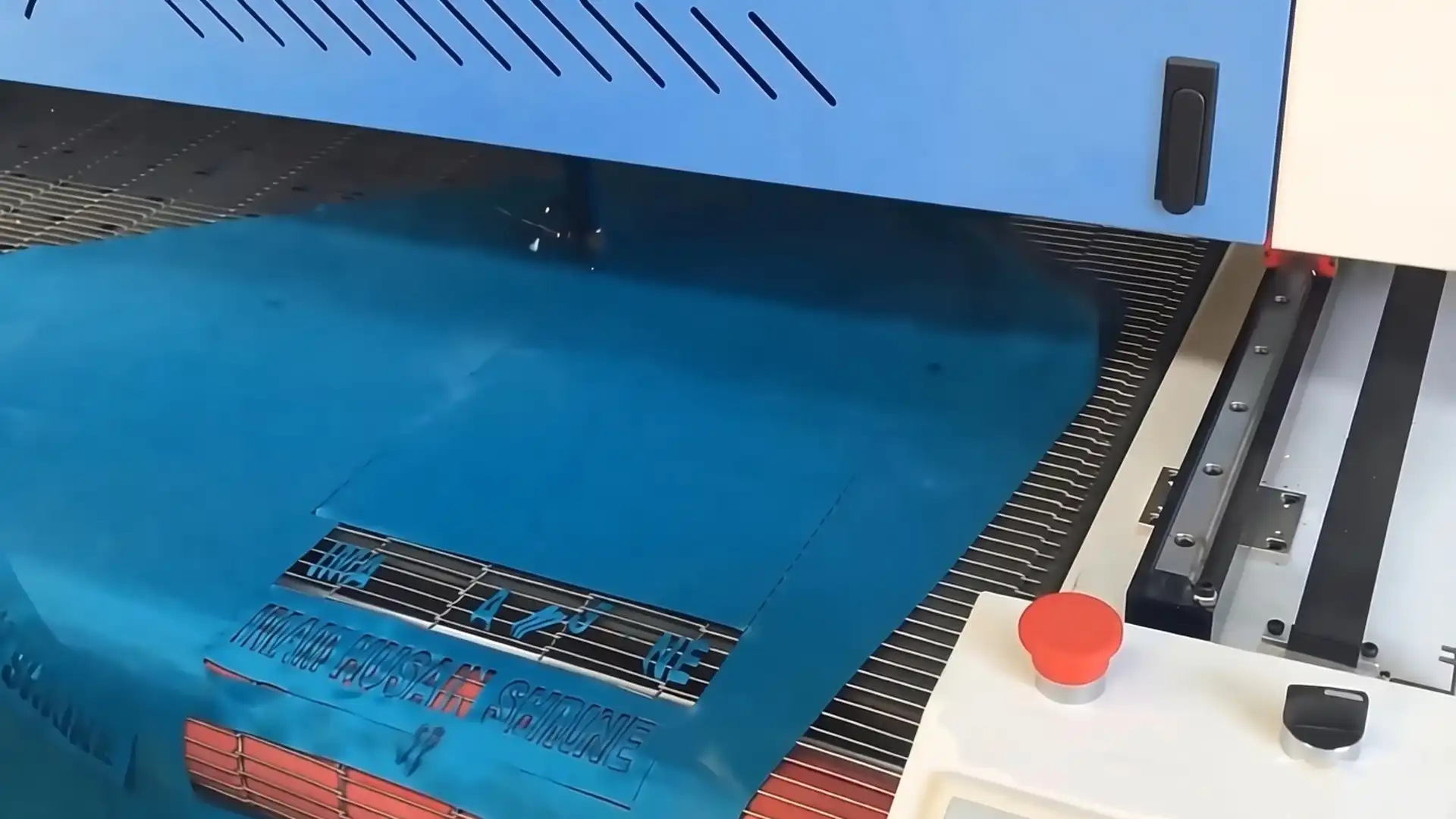
Introduction
The cloth and leather industries have been transformed by CO2 Laser Etching Machine technology, which delivers high precision and strong production efficiency. For B2B buyers, selecting the right equipment directly impacts product quality, processing speed, and total cost of ownership. This guide reviews machine structures, material compatibility, maintenance, and supplier evaluation to support informed decisions in 2026. Growing demand for customization and fast delivery has pushed manufacturers beyond traditional engraving methods. CO2 laser systems enable non-contact processing that preserves material integrity while allowing complex designs. Understanding how CO2 Laser Etching Machine technology works and which features matter most helps improve productivity, product quality, and overall market competitiveness.
Understanding CO2 Laser Etching Machines for Fabric & Leather
How CO2 Laser Technology Works on Organic Materials?
A CO2 Laser Etching Machine generates an infrared beam using a gas mixture of carbon dioxide, nitrogen, and helium. The beam is directed through mirrors and focusing lenses onto fabric or leather surfaces. At the focal point, energy rapidly vaporizes material at a molecular level, creating precise marks without physical contact. The 10.6μm wavelength is ideal for organic materials because cellulose and protein structures absorb it efficiently, producing clean edges, minimal heat damage, and high-precision engraving results.
Key Benefits of Laser Processing for Textile Applications
CO2 Laser Etching Machine systems and a CO2 laser engraver provide high precision, often down to micron-level accuracy, enabling consistent reproduction of complex patterns at scale. Processing speeds can reach several meters per minute depending on material type and design complexity. The technology supports complete design freedom without physical tooling changes, reducing setup time and costs. It also improves material utilization through optimized nesting and narrow kerf cutting. These advantages make it ideal for efficient, flexible, and cost-effective textile production.
Material Compatibility and Processing Distinctions
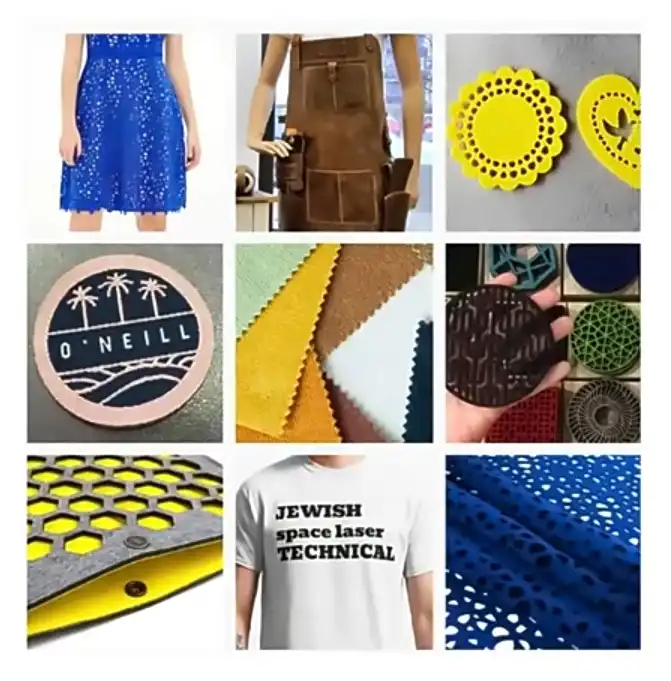
CO2 Laser Etching Machine systems are highly compatible with natural fabrics like cotton, wool, silk, and linen, producing clean and detailed results. Synthetic materials such as polyester and nylon may require adjusted parameters to prevent melting or discoloration. Leather types including full-grain, top-grain, and suede respond differently depending on tanning and dye absorption. Etching removes only surface layers, while cutting fully separates materials. Modern systems can perform both processes in a single setup, improving workflow efficiency.
Key Evaluation Criteria for CO2 Laser Etching Machine Procurement
Essential Evaluation Criteria for B2B Procurement
A lot of technical and business factors need to be carefully considered when choosing the right Co2 Laser Etching Machine tools. The level of precision that can be engraved is called "resolution," and it is usually given in dots per inch or minimum spot size. Higher resolution makes it possible to clearly reproduce both complicated designs and small text. Processing speed affects how much can be made and how much it costs to run the business. Manufacturers should look at both the cutting speed and the etching speed because they are often very different. The size of your work area needs to be big enough to fit your biggest pieces of work while still leaving enough floor room. Pass-through machines can handle materials that are continuous or pieces that are too big to fit in the normal work area. Cost-effectiveness includes more than just the original buy price. It also takes into account things like energy use, replacement costs, and upkeep needs. The projected throughput, less material waste, and time saves should all be taken into account when figuring out the total cost of ownership. Quality of after-sales service is important for keeping uptime, so look at the warranty terms, the availability of spare parts, and how quickly expert help responds.
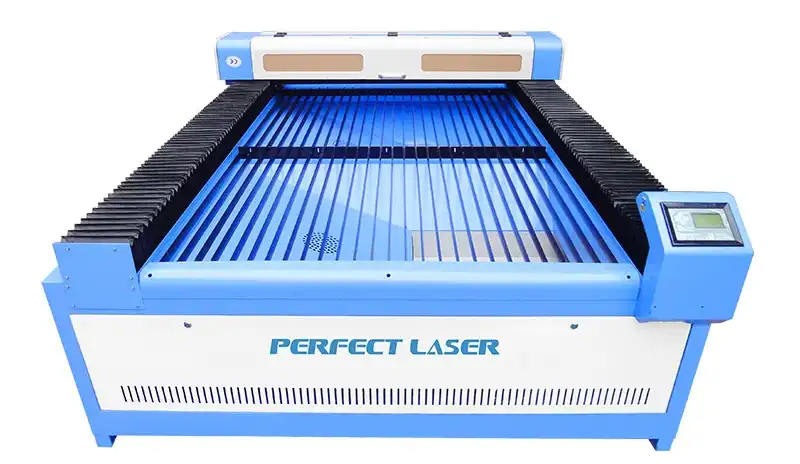
Perfect Laser PEDK-130180 Large-Format System
The Perfect Laser PEDK-130180 is a multifunctional CO2 Laser Etching Machine designed for engraving, cutting, and drawing in industrial production. Its reinforced frame ensures stability during high-speed operation, reducing vibration for improved accuracy. Precision motion systems with Hiwin linear guides guarantee consistent positioning across the entire workspace. The machine supports multiple table configurations, including honeycomb, knife, and dual platforms, enabling flexible processing for both delicate engraving and heavy-duty cutting tasks in textile and leather industries.
Core Technical Features Across Leading Models
Modern CO2 Laser Etching Machine systems feature sealed glass laser tubes with lifespans of 3,000 to 10,000 hours depending on usage. Red-light positioning systems assist in accurate alignment before processing. Water cooling systems regulate temperature and protect laser tubes from overheating, with models like CW-3000, CW-5000, and CW-5200 offering different capacities. Advanced LCD control panels with onboard memory allow standalone operation, while compatibility with design software ensures smooth workflow integration across production environments.
Comparing CO2 Systems with Alternative Laser Technologies
CO2 Laser Etching Machine technology is most suitable for textiles and leather due to its 10.6μm wavelength, which is well absorbed by organic materials. Fiber lasers are better suited for metals and may cause burning or incomplete marking on fabrics. UV lasers provide high precision but operate slower and at higher cost, limiting industrial use. CO2 systems offer the best balance of speed, compatibility, and affordability, making them the preferred solution for large-scale textile and leather processing.
Maintenance and Safety Best Practices for Long-Term CO2 Laser Machine Use
Essential Preventive Maintenance Procedures
Regular maintenance is essential for CO2 Laser Etching Machine performance and lifespan. Optical components such as lenses and mirrors must be cleaned frequently to maintain beam quality and prevent power loss. Motion systems require lubrication and tension checks to avoid mechanical wear. Dust from textile processing can affect accuracy if not cleaned regularly. Software updates improve system performance and compatibility. Proper maintenance ensures consistent engraving quality, reduces downtime, and extends equipment service life in industrial applications.
Comprehensive Safety Protocols and Regulatory Compliance
CO2 Laser Etching Machine operation requires strict safety measures due to invisible infrared radiation. Protective enclosures and safety windows prevent exposure while allowing process monitoring. Ventilation systems with filtration remove harmful fumes and particles generated during material processing. Fire prevention systems and proper workspace organization reduce operational risks. Electrical safety standards, including grounding and circuit protection, must be followed. Compliance with CE and other international certifications ensures safe, legal, and reliable industrial operation.
Warranty Provisions and Support Network Considerations
Warranty coverage significantly impacts total ownership cost of a CO2 Laser Etching Machine. It typically includes laser tubes, electronics, and optical components for one to two years. Consumables and operator-related damage are usually excluded. Authorized service networks ensure access to genuine spare parts and faster repair response. Suppliers with global support systems reduce downtime risks. Strong after-sales service, such as fast technical response and installation support, is essential for maintaining stable long-term production performance.
How to Choose the Best CO2 Laser Etching Machine for Your Business Needs?
Matching Equipment Specifications to Production Requirements
Setting clear operational needs is the first step in choosing the right Co2 Laser Etching Machine. Estimates of the production amount tell us what processing speed and duty cycle we need. Manufacturers who want to run activities 24 hours a day, seven days a week need industrial-grade tools that can handle high levels of use for a long time. Job shops and sample facilities that only need to handle things sometimes can use lighter-duty equipment. Several technical needs are affected by the material specs. The needed laser power levels depend on the weight of the fabric and the thickness of the leather. Systems with higher wattage are needed to get good penetration and cutting speeds on thicker materials. The required resolution and motion system accuracy are affected by how complicated the design is. When it comes to spot quality and placement accuracy, producers who make photorealistic carvings need to be better than those who make simple geometric patterns. The size of your work area should be big enough to fit your biggest usual pieces of work, with enough room for fixing and aligning them. Pass-through machines can handle long pieces or pieces that are longer than the normal table size. Upholstery makers and fashion designers who work with full-width fabric rolls will find this feature especially useful.
Financial Considerations and Investment Analysis
The initial buying price is only one part of the total costs of owning. A full financial analysis should look at the costs of installation, training for operators, making changes to the building, and extra tools like air systems. Energy use changes a lot between types, which affects the costs of running the business. Precision Co2 Laser Etching Machine processing often makes it worth the money to buy new equipment because it cuts down on waste. Better nesting algorithms and narrow cutting kerfs make the best use of cloth, which has a direct effect on the cost of materials for large makers. The economy also benefits from the fact that automatic handling saves workers' time and cuts down on setup times. Adding financing choices and bulk buying plans can make Fabric Laser Etching projects more cost-effective. Suppliers of equipment often offer lease programs or deferred payment terms that help buyers balance equipment costs with operational revenue. When multiple units are purchased at the same time, businesses may benefit from discounts and improved delivery schedules, making Fabric Laser Etching production expansion more efficient and financially manageable. OEM customization lets tools be made to fit the needs of a specific process. Standard machines can be turned into application-optimized solutions by adding custom work envelope measurements, specialized material handling systems, or built-in checking features. If these options are looked at during the initial purchase talks, expensive changes won't have to be made later.
Identifying Reputable Suppliers and Building Partnerships
Long-term bliss and gear victory are straightforwardly connected to the picture of the provider. For more believe in item quality and bolster, see for producers that have been around for a whereas and have a track record of victory. Finding out almost a company's foundation, certifications, and client surveys can offer assistance you choose how solid they are. Perfect Laser has been a star in its field since 1995, when it started centering on development. The company has certificates from CE, TUV, and SGS that appear it meets world quality benchmarks. With 63 licenses and two investigate destinations, Culminate Laser appears that it is continuously working to make innovation better. Geographic area is vital for getting parts and administrations to individuals who require them. Providers with systems of endorsed merchants in your zone can offer assistance you with neighborhood issues and react more rapidly to crises. By looking at benefit offices some time recently making a purchase, you can dodge baffling delays when you require help. Suppliers who offer customer-focused approaches like free pre-sales exhortation, test administrations, and exhaustive preparing programs appear that they need to construct long-term connections with their clients. The reality that Culminate Laser guarantees two-hour reaction times, offers design establishment administrations, and gives lifetime specialized back appears that they need to work with their clients. These back apparatuses are exceptionally accommodating when setting up hardware and making beyond any doubt that generation is running at its best.
Conclusion
To choose the best Co2 Laser Etching Machine for working with leather and fabrics, you need to think about its technical skills, cost, and supply relationships. In terms of accuracy, flexibility, and efficiency, the technology is much better than old mechanical ways. Knowing the specs of the tools, how to maintain it, and the safety rules lets you make decisions with confidence. The PEDK-130180 system from Perfect Laser has all the features that current makers need. It has a strong build, a lot of different worktable configurations, and advanced control systems. When purchasing teams carefully consider their needs and work with well-known providers; they set up their businesses to stay ahead of the competition in the tough market of 2026.
FAQ
1. What materials work best with CO2 laser etching machines?
CO2 Laser Etching Machine tools are great at working with natural materials like cotton, flax, wool, silk, and linen. Co2 Laser Etching Machine finishing works well on all kinds of leather, from full-grain hides to suede finishes. With the right setting changes, synthetic fabrics like polyester, nylon, and acrylic can also be processed successfully. The technology can work with both real and fake leather, but the power settings may need to be changed for plastic backing materials. Materials that reflect infrared bands or have metal parts usually can't be processed with a Co2 Laser Etching Machine.
2. How do CO2 lasers compare to fiber laser systems for textile applications?
When it comes to processing cloth and leather, Co2 Laser Etching Machine tools work better than fiber laser options. The wavelength of 10.6 micrometers of Co2 Laser Etching Machine devices fits the way organic materials absorb light, which makes energy transfer and processing more efficient and clean. Fiber lasers use near-infrared wavelengths that work best for marking metal, but these wavelengths can pass through many materials without being absorbed properly. This mismatch in wavelengths leads to writing that isn't full or too much thermal damage. Co2 Laser Etching Machine technology also has lower costs to buy and has been used successfully in cloth uses.
3. What maintenance practices extend laser machine longevity?
Cleaning the optics on a regular basis keeps the beam quality and processing consistency. Based on the number of hours they are used, check and clean the focusing lenses and mirrors to keep dust from building up. Follow the manufacturer's instructions for lubricating mechanical parts, such as linear guides and drive systems. Keep an eye on how well the water chiller is working and how good the coolant is to keep the laser tubes from overheating. By installing software changes, you can get better speed and more features. Set up links with authorized repair providers to get regular checks and real replacement parts. These methods keep production quality high and extend the life of tools.
Partner with Perfect Laser for Advanced CO2 Laser Etching Solutions
Perfect Laser has the best Co2 Laser Etching Machine technology in the business and is ready to help you with your cloth and leather processing needs. As part of our customer-focused approach, we offer free pre-sales consultation, free sample services, and full expert support to help you choose the best tools. People who work in difficult production settings need the PEDK-130180 large-format system because it can do many things, is built precisely, and works reliably. We've been making Co2 Laser Etching Machines and selling them all over the world since 1995. Our skill is backed by 63 patents and foreign certifications. Our engineering team offers installation help abroad, lifetime technical service, two-hour reaction times, and full coverage 24 hours a day, seven days a week. Perfect Laser can be reached at [email protected] to talk about your unique application needs, set up live demos, and get custom quotes. Join the more than 10,000 happy customers who choose Perfect Laser as their go-to partner for advanced laser processing options.
References
1. Anderson, M. & Roberts, K. (2025). Advanced Laser Processing Technologies for Textile Manufacturing. Industrial Press Publishing.
2. Chen, L. (2024). "CO2 Laser System Design and Optimization for Organic Material Processing." Journal of Manufacturing Science and Engineering, 146(8), 445-458.
3. European Laser Safety Association. (2025). Best Practices for Industrial Laser Equipment Operation and Maintenance. Brussels: ELSA Technical Publications.
4. Thompson, R., Davis, S., & Martinez, J. (2026). Comparative Analysis of Laser Technologies in Fashion and Leather Industries. New York: Textile Technology Institute.
5. Williams, P. (2025). "Economic Impact of Laser Processing Adoption in Apparel Manufacturing." International Journal of Production Economics, 238, 108-122.
6. Zhang, W. & Kumar, A. (2024). Precision Laser Engraving: Principles, Applications, and Industry Case Studies. London: Advanced Manufacturing Press.

share your inquiry, get the quotation accordingly.
第一张审核员说包含其他公司不能用_1755049724891.webp)
Perfect Laser – Global Manufacturer of Reliable Laser Solutions


