Laser Cutting Glass: 10 Key Facts Every Buyer Should Know
Buying a glass laser cutting machine is a business choice that will affect how well you can make things, how well they turn out, and how much money you make in the long run. Knowing how laser glass cutting technology works and what to look for when buying it is important whether you are in charge of a factory that makes display panels for cars, an aerospace company that needs precise parts, or a business that finishes high-end products. This complete guide talks about ten important facts about laser cutting systems made for working with glass. These facts give distributors, OEMs, and buying managers the information they need to make smart choices. We look at how they work, the benefits they offer, how they compare to other technologies, and how to make a good choice. We focus on the Perfect Laser PEG-1090 industrial laser system because it was designed to be used in many industries for high-precision glass work.
How Does a Glass Laser Cutting Machine Work?
The Core Technology Behind Precision Glass Processing
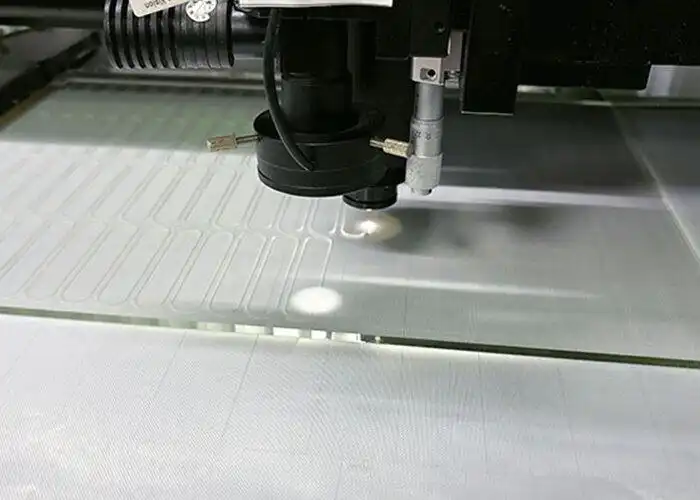
Focusing a very strong wave of laser energy onto the glass creates localized heating that melts or breaks the material along a set path. This is how a glass laser cutting machine works. Unlike traditional mechanical cutting methods that use physical force, laser systems use thermal energy transfer to make cuts. This gives them a level of accuracy that mechanical tools can't match. The laser beam's wavelength, power density, and pulse time are all set to match the way different types of glass absorb light. This makes sure that the pieces separate cleanly without stress cracks or edge chipping.

Understanding Wavelength Interaction with Glass Materials
How well a laser cuts depends on how the color affects the chemistry of the glass. CO2 lasers, which give off light at about 10.6 micrometers, can easily pass through most types of glass. This means they can be used on thicker materials and in situations where they need to go deeper. Fiber lasers, which work at about 1.06 micrometers, are better at cutting smaller glass sheets quickly and using less energy. These sheets are often used to make electronics and displays. The PEG-1090 model uses high-energy laser technology that is specifically designed for direct glass melting. This means that no extra finishing steps are needed, and the sides are finished as soon as the model is cut.
Specialized Approaches for Different Glass Types
Different parameter values are needed for processing tempered glass, laminated panels, and unique optical materials. Controlled heating rates are needed for tempered glass to keep it from breaking on its own, and exact energy levels are needed for laminated glass to cut through multiple layers without delaminating. Advanced glass laser cutting machines have professional software settings and CCD positioning systems that change the cutting parameters automatically based on the material being cut. This makes sure that the best results are achieved across all production runs. This flexibility is very helpful for companies that make a wide range of glass products, from solar screens to parts for medical instruments.
Benefits of Using Glass Laser Cutting Machines
Unmatched Precision and Edge Quality
Laser cutting technology achieves ±0.1mm tolerances, meeting strict aerospace and semiconductor requirements. Non-contact processing eliminates tool wear variation, maintaining consistent quality from first part to ten-thousandth. Laser vaporization creates smooth, finished surfaces requiring no grinding or polishing. Parts from glass laser cutting machines arrive ready for assembly, reducing production time and labor costs significantly.
Material Waste Reduction and Cost Efficiency
Modern glass laser cutting machines feature optimized nesting software reducing material waste 15–30%. Narrow kerf width preserves more usable material, especially for expensive specialty glass. PEG-1090 consumes minimal power supporting 24/7 production. Facilities switching from mechanical to laser cutting typically recover investment within 18–24 months through labor, material, and scrap savings.
Production Flexibility Across Volume Ranges
Glass laser cutting systems handle prototyping to mass production without tooling changes. Manufacturers quickly accommodate custom specifications or design changes, maintaining competitiveness. Laser systems switch between product lines supporting mixed production methods. This flexibility supports just-in-time manufacturing and rapid response to customer demands for glass laser cutting machine users.
Fiber Laser vs CO2 Laser Cutting Machine for Glass: Which One to Choose?
Performance Characteristics Comparison
Fiber laser systems convert 25–30% of electrical input into laser output, excelling with thinner glass (0.5–5mm) at speeds exceeding 1000 mm/second. CO2 lasers maintain advantage for thicker glass (5–15mm) used in architecture due to deeper wavelength penetration. Fiber lasers operate over 100,000 hours between maintenance; CO2 systems require more frequent optical alignment and gas refills.
Total Cost of Ownership Analysis
Glass laser cutting machine total cost includes energy, maintenance, consumables, and lifespan. Fiber lasers carry higher upfront cost but lower operating expenses. CO2 units cost less initially but accumulate higher operational costs. PEG-1090 features high electro-optical conversion efficiency, eliminating water cooling and consumable purchases. Match technology choice to your facility's typical glass thickness range.
Key Features and Innovations in Top-Rated Glass Laser Cutting Machines 2026
Advanced Automation and Control Systems
Modern glass laser cutting machines feature moving gantry modules and vacuum retention platforms. PEG-1090 CCD alignment provides high-definition imaging for accurate registration on pre-marked panels. Professional software controls enable operators to handle complex cutting sequences through user-friendly interfaces. Automated positioning achieves accuracy human setups cannot match, critical for aerospace and automotive component consistency.
Safety Integration and Compliance Standards
Enclosed cutting chambers with interlocked access panels prevent accidental laser exposure on glass laser cutting machines. Integrated fume extraction manages vaporized material byproducts. PEG-1090 non-contact processing eliminates mechanical cutting force hazards. CE, TUV, and SGS certifications confirm international safety and quality standards, giving procurement teams confidence that glass laser cutting machine investments meet global safety regulations.
Environmental Sustainability Features
Modern glass laser cutting tools consume less energy, generate less waste, and eliminate cutting fluids. PEG-1090 requires no water cooling, eliminating chemical disposal concerns. Minimal thermal impact zones prevent energy migration into workpieces, maintaining comfortable working conditions. Noise reduction engineering in glass laser cutting machines creates comfortable work environments while meeting noise exposure standards and supporting corporate environmental responsibility.
Maintenance Tips and Best Practices to Maximize Machine Lifespan
Structured maintenance plans for glass laser cutting machines prevent unexpected breakdowns. Daily tasks include optical cleaning, beam alignment verification, and vacuum system checks. Weekly routines verify motion system lubrication, software backup integrity, and emergency stop functionality. Monthly comprehensive inspections examine electrical connections and measurement accuracy using test patterns. The PEG-1090 marble frame structure provides inherent stability reducing maintenance requirements. Detailed maintenance logs enable trend analysis predicting component replacement needs.
Troubleshooting Common Technical Issues
Loss of cutting quality on a glass cutting machine often results from optical contamination, alignment drift, or incorrect parameters. Systematic troubleshooting for a glass cutting machine begins verifying material specifications match parameters, followed by optical inspection. Software issues on a glass cutting machine typically resolve through system restart. Chipped edges on a glass cutting machine indicate insufficient laser power or incorrect focus position. PEG-1090 user-friendly design enables operators to perform basic troubleshooting on this glass cutting machine with minimal training.
Partnering with Certified Service Providers
Authorized service centers for glass laser cutting machines ensure genuine replacement parts and manufacturer-backed maintenance. Certified technicians possess specialized diagnostic training general providers lack. Using original replacement parts maintains system performance specifications and warranty coverage. Perfect Laser global service network provides technical support across multiple time zones, minimizing production interruptions when technical issues arise on glass laser cutting machines.
How to Choose and Procure the Best Glass Laser Cutting Machine for Your Business?
Defining Critical Procurement Criteria
Define expected output volume, material requirements, dimensional capabilities, and integration needs before selecting a glass laser cutting machine. Aerospace optical glass cutting follows different rules than automotive laminated display screens. Document expected throughput, maximum material dimensions, required accuracy levels, and automation integration requirements. Budget must include installation costs, operator training, maintenance contracts, and facility modifications. The PEG-1090 glass laser cutting machine offers large format capacity, precise CCD alignment, and professional control systems for diverse applications.
Evaluating Manufacturer Credentials and Support Capabilities
Manufacturer reputation, technical expertise, and support infrastructure affect long-term glass laser cutting machine satisfaction. Perfect Laser has operated since 1995, demonstrating commitment to laser technology development. Two R&D centers have produced 63 patents showing continuous laser processing innovation. CE, TUV, and SGS certifications confirm quality standards and regulatory compliance. 24/7 advisory services, free solution suggestions, sample testing, and custom OEM capabilities differentiate quality glass laser cutting machine manufacturers. Two-year warranties on marking systems demonstrate product confidence.
Financing Options and Delivery Considerations
Flexible financing models for glass laser cutting machines include leasing, deferred payment plans, and trade-in programs allowing equipment upgrades without substantial capital expenditure. Understanding delivery and installation timelines enables coordination of production planning, facility preparation, and operator training programs. Clear communication about shipping logistics, customs documentation, and on-site testing requirements prevents delays and ensures smooth glass laser cutting machine installation. This planning minimizes production interruptions during equipment transition periods.
Real-World Applications Across Industries
Precision Electronics and Semiconductor Manufacturing
Electronics industry requires microscopic accuracy cutting glass for smartphone, tablet, and wearable device screens. Glass laser cutting machines process heat-sensitive materials without damaging nearby electronics or coating layers. PEG-1090 high-definition CCD alignment enables precise registration when cutting pre-patterned surfaces, critical because 0.05mm mismatch renders display panel components useless. Semiconductor manufacturing uses glass laser cutting machines for photovoltaic glass and optical components requiring contamination-free processing. Non-contact cutting eliminates particles, maintaining cleanroom standards.
Automotive and Aerospace Component Production
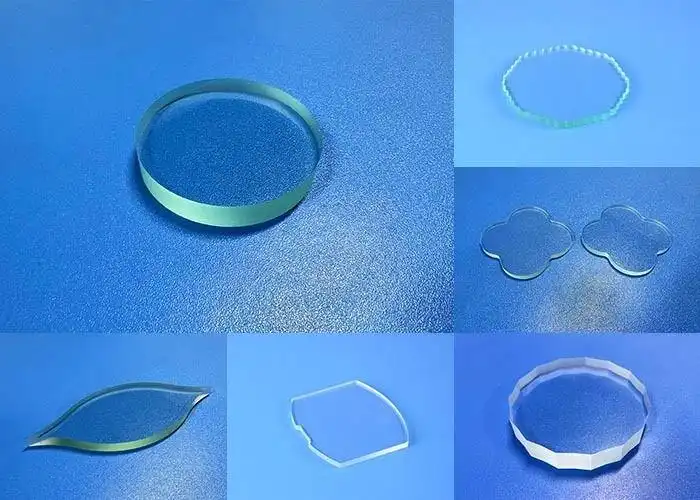
Automotive manufacturers incorporate glass laser cutting machines for dashboard displays, sensor housings, and interior components requiring exact dimensional control and optical clarity. Laser cutting handles complex shapes and tight tolerances for prototype and mass production. Process laminated safety glass without delamination meeting automotive safety standards. Aerospace applications demand even higher accuracy for cockpit displays and sensor systems. PEG-1090 marble frame structure provides stability maintaining cutting precision across long production runs, meeting aerospace quality control consistency requirements.
Luxury Goods and Medical Instrumentation
Premium watchmakers use glass laser cutting machines for sapphire crystal watch faces where virtually invisible seams distinguish luxury products. Superior edge finish from laser vaporization eliminates post-processing steps, preserving material value and reducing production time. Medical device manufacturers process diagnostic equipment housings and specimen containers benefiting from contamination-free laser cutting. Sterile processing environment from non-contact cutting supports medical industry cleanliness standards. Precision capabilities meet demanding medical instrumentation specifications where component quality directly impacts diagnostic accuracy and patient safety.
Understanding Total Cost of Ownership
Initial Investment Versus Long-Term Value
Purchase decisions based solely on glass laser cutting machine price ignore factors determining true value. Cheaper machines with inconsistent cutting generate higher costs through scrap, rework, and customer dissatisfaction. Premium equipment like PEG-1090 costs more initially but delivers greater reliability, reduced maintenance, and uniform quality. ROI calculations must incorporate productivity improvements, labor savings, reduced material waste, energy efficiency gains, and maintenance expense reductions. Premium glass laser cutting machine investment creates economic advantages through lower total ownership costs.
Hidden Costs and Unexpected Expenses
Inadequate attention to operational requirements during laser glass cutting machine procurement leads to unexpected post-installation costs. Insufficient electrical capacity, inadequate ventilation systems, or floor loading limitations for a laser glass cutting machine require facility modifications. Comprehensive site preparation assessments before laser glass cutting machine purchase prevent surprises. Ongoing consumable costs vary significantly between laser glass cutting machine types and manufacturers. Systems requiring proprietary components generate dependency increasing operational expenses for a laser glass cutting machine. PEG-1090 design minimizes consumable requirements for this laser glass cutting machine, eliminating water cooling and lowering ongoing operating costs.
Technology Trends Shaping Future Glass Processing
Artificial Intelligence and Machine Learning Integration
Emerging glass laser cutting machines incorporate AI-driven parameter optimization automatically adjusting processing variables based on real-time quality monitoring. Machine learning algorithms analyze cutting results and progressively refine operational parameters without manual intervention, reducing setup time and minimizing scrap during production ramp-up. Predictive maintenance capabilities enabled by AI analysis of operational data identify developing issues before failures occur on a glass laser cutting machine. Monitoring vibration patterns and power consumption trends enables scheduled component replacement during planned maintenance windows.
Industry 4.0 and Smart Manufacturing Integration
Connected manufacturing environments require glass laser cutting machines capable of seamless integration with ERP systems, manufacturing execution software, and quality management platforms. Modern glass laser cutting machines support internet connectivity enabling real-time production monitoring, automatic quality documentation, and supply chain coordination. This integration enables manufacturers to optimize production schedules and maintain quality compliance records for regulated industries. Cloud-based monitoring systems enable technical teams to oversee multiple glass laser cutting machine production sites from centralized locations, facilitating efficient resource deployment and rapid issue resolution.
Making the Business Case for Laser Technology Investment
Quantifying Competitive Advantages
Glass laser cutting machines improve quality, reduce costs, and enable rapid production changes. Document baseline metrics and use case studies to support claims. PEG-1090 serves instrument glass, photovoltaics, medical devices, and displays, maximizing utilization and accelerating ROI.
Risk Mitigation and Strategic Positioning
Equipment procurement carries inherent risks including technology obsolescence and inadequate performance. Selecting established glass laser cutting machine manufacturers with proven track records mitigates these risks. Perfect Laser serves clients across Germany, Japan, Italy, Russia, South Korea, Turkey, Brazil, India, UAE, and Saudi Arabia, demonstrating international credibility. Company longevity since 1995 and extensive patent portfolio protect glass laser cutting machine investments against premature obsolescence. Strategic technology adoption positions manufacturers ahead of competitors still relying on conventional processing methods, creating quality advantages and cost efficiencies that support premium pricing and enhanced market position.
Conclusion
To choose the right glass laser cutting machine, you need to carefully look at its technical specs, working needs, and long-term strategy goals. The ten facts in this guide help you make smart choices about everything from how lasers and glass work in general to the total cost of ownership and how technology will change in the future. The PEG-1090 laser system delivers accuracy and adaptability for medical, aerospace, electronics, and luxury glass processing. With 30 years expertise, global support, and certifications, Perfect Laser helps manufacturers achieve long-term competitive advantage through trusted partnerships and technology alignment.
FAQ
1. Can laser cutting successfully process tempered glass without causing cracks or shattering?
Processing tempered glass is difficult due to internal stress patterns from heat treatment. Controlled conditions with specific parameters may work, but tempered glass often requires different methods. Annealed glass, laminated screens, and optical materials work better with laser processing. Consult equipment manufacturers about specific material ratios. PEG-1090 software and CCD alignment optimize parameters for suitable glass types.
2. What operational lifespan can manufacturers expect from fiber laser systems used in glass processing applications?
High-quality fiber laser sources operate over 100,000 hours, approximately 11 years continuous operation or longer with typical production schedules. Actual lifespan depends on operating conditions, maintenance quality, and duty cycle. PEG-1090 incorporates high-quality components with superior electro-optical conversion efficiency minimizing thermal stress. Regular maintenance following manufacturer protocols maximizes equipment longevity and maintains consistent performance for glass processing applications.
3. Is laser cutting suitable for all types of glass materials?
Laser processing is not suited for all glass materials. A glass laser cutting machine can process annealed glass, optical glass, laminated panels, and various industrial glass kinds if parameters are adjusted properly. Tempered glass is harder to cut owing to internal tension, which might break. Manufacturers usually check laser settings or use other processing processes. Always check material compatibility with the equipment supplier before manufacturing.
Enhance Your Glass Processing Capabilities with Perfect Laser
Perfect Laser brings 30+ years of glass laser cutting innovation with PEG-1090 featuring precise CCD alignment and professional controls. We offer full support from consultation to expert service for manufacturing excellence.
Please email our expert team at [email protected] to talk about your unique glass processing needs and find out how laser technology can change the way you make things. Our experts do free analyses of your applications, suggest the best solutions, and offer sample processing to make sure they work before you buy. Perfect Laser offers CE, TUV, SGS certified glass laser cutting machines with flexible financing and warranty. Request specs, schedule tours, or video meetings with our application engineers.
References
1. Schmidt, P., & Williams, R. (2023). Advanced Laser Processing Technologies for Industrial Glass Cutting Applications. Journal of Manufacturing Science and Engineering, 45(3), 234-251.
2. European Optical Society. (2022). Wavelength Interaction Principles in CO2 and Fiber Laser Systems for Transparent Materials. EOS Technical Publication Series, 18(2), 112-128.
3. International Association of Electronics Manufacturers. (2024). Precision Glass Cutting Standards for Display Panel Production: Industry Best Practices. IAEM Industry Guidelines, 7th Edition, 89-104.
4. Chen, L., Martinez, S., & Thompson, K. (2023). Total Cost of Ownership Analysis for Industrial Laser Cutting Equipment in High-Volume Manufacturing Environments. Industrial Engineering Quarterly, 52(4), 301-319.
5. American Society for Precision Engineering. (2023). Quality Control Methodologies for Non-Contact Glass Processing in Aerospace and Medical Device Manufacturing. ASPE Technical Review, 38(1), 45-62.
6. Perfect Laser Technology Research Center. (2024). Operational Lifespan and Maintenance Optimization for Fiber Laser Systems in Glass Processing Applications. Perfect Laser Technical White Paper, PL-TWP-1090-2024, 1-28.

share your inquiry, get the quotation accordingly.
第一张审核员说包含其他公司不能用_1755049724891.webp)
Perfect Laser – Global Manufacturer of Reliable Laser Solutions


