Laser Welding Explained: How a Laser Welder Works
Laser welding represents a revolutionary manufacturing process that utilizes concentrated laser beams to join materials with exceptional precision and minimal thermal distortion. A laser welding machine operates by focusing intense light energy into a narrow beam, creating temperatures exceeding 10,000°C at the focal point to melt and fuse metals together. This advanced technology transforms how manufacturers approach joining processes across automotive, aerospace, electronics, and heavy industry sectors, delivering superior weld quality while reducing heat-affected zones and post-processing requirements compared to conventional welding methods.
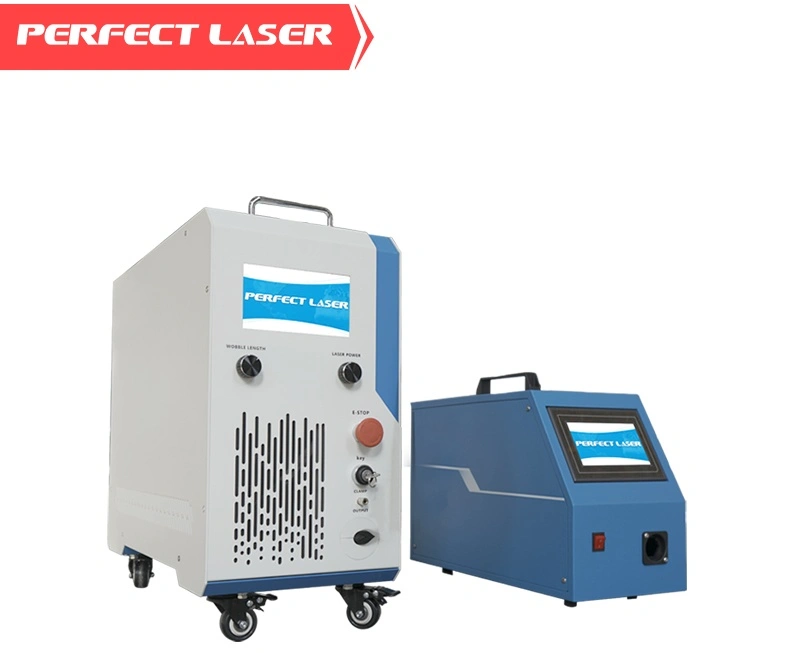
Understanding Laser Welding Technology
Core Physics Behind Laser Welding
The basic mechanism involves focusing coherent light into a tiny spot, typically 0.1 to 1.0 millimeters in diameter. When the concentrated energy hits the workpiece, it rapidly heats the material past its melting point, creating a keyhole effect for deeper penetration. This controlled melting and solidification produce strong, minimal distortion welds with excellent strength-to-weight ratios.
Modern laser welder machine mainly use two types of lasers: fiber and CO₂ lasers. Fiber lasers operate at wavelengths around 1070 nanometers, offering high beam quality and electrical efficiency (40-50%), making them ideal for welding reflective materials like aluminum and copper, which are difficult for traditional welding methods.
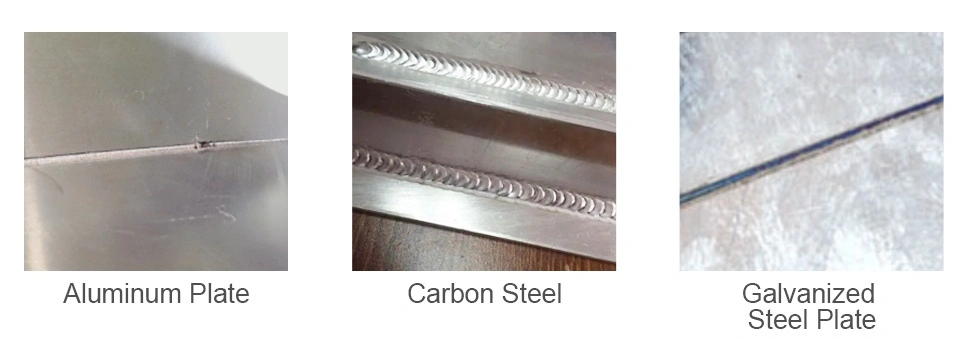
Advantages Over Traditional Joining Methods
Laser welding technology provides fast, high-quality welds for complex and delicate components. It achieves speeds up to 10 meters per minute while precisely controlling heat input, reducing thermal distortion compared to arc welding. This is especially important in automotive lightweighting and aerospace, where dimensional accuracy is crucial.
The ability to localize heat input minimizes post-weld processing and improves joint integrity. Unlike traditional methods, laser welding focuses energy exactly where needed, keeping the heat-affected zone under 1 millimeter in many cases. This precision allows for welding heat-sensitive electronics and thin materials without damaging surrounding components.
Comparing Laser Welding Machines to Traditional Welding Methods
Performance Differences
Conventional welding strategies regularly include higher heat input, lower exactness, and longer handle times. TIG welding, in spite of the fact that it is exact, regularly works at speeds of 0.5-2 meters per minute, whereas laser welding accomplishes 5-15 meters per minute, depending on fabric and joint type. This speed advantage boosts efficiency and brings down fabricating costs.
Traditional bend welding creates scatter and requires broad post-weld cleanup, including time and labor costs. In contrast, laser welding offers higher weld quality, decreased twisting, and quicker throughput with negligible to no splash. The clean welding environment dispenses with the need for crushing and wrapping up in numerous applications, particularly for obvious creases in extravagant products and car sectors.
Technology Selection Considerations
The choice between fiber and CO₂ laser welders depends on the particular application. Fiber lasers offer prevalent proficiency, lower support, and benefit interims surpassing 100,000 working hours. Their compact plan and adaptable fiber optic conveyance make them perfect for integration into automated frameworks and tight generation spaces.
CO₂ lasers are better suited for welding thicker materials (over 20 millimeters) and give smoother weld surfaces on certain materials. Be that as it may, they require more upkeep and have a bigger impression, which must be considered amid office planning.
Understanding these contrasts makes a difference in directing key speculations, adjusting execution needs with cost-effectiveness. Cutting-edge producers progressively incline toward fiber lasers for their flexibility and operational effectiveness over different materials and thicknesses.
Selecting the Right Laser Welding Machine for Your Business
Power Requirements and Production Scale
High-power lasers suit heavy-duty welding applications, with frameworks extending from 500 watts for exactness work to 20,000 watts for thick area welding in shipbuilding and overwhelming industry. Control determination straightforwardly relates to fabric thickness capabilities and welding speed prerequisites. A 1000-watt framework viably welds stainless steel up to 3 millimeters thick, whereas 3000-watt frameworks handle materials up to 8 millimeters thick.
Low-power models offer accuracy for fragile errands, especially in gadget fabrication and adornment applications where warm input must be minimized. These frameworks, regularly working between 100 and 500 watts, give the control essential for micro-welding applications without harming touchy components or causing undesirable metallurgical changes.
Mobility and Configuration Options
The choice between versatile and stationary models depends on generation volume, workspace limitations, and application adaptability necessities. Handheld laser welding frameworks offer uncommon flexibility for field repairs, huge component welding, and shifted generation assignments. These frameworks regularly include fiber optic pillar conveyance with working separations up to 10 meters from the laser source.
Stationary frameworks are coordinated into mechanized generation lines, giving steady situating precision and higher throughput capabilities. CNC-controlled frameworks accomplish situating exactnesses inside ±0.1 millimeters, basic for car component welding and exactness fabricating applications.
Material Compatibility Assessment
Material compatibility is key, as metals like stainless steel, aluminum, and copper respond in an unexpected way to laser settings. Stainless steel assimilates laser vitality effectively over most wavelengths, making it simple to weld with standard parameters. Aluminum, with its high reflectivity, requires higher control densities, which is challenging with CO₂ lasers but reasonable with fiber lasers.
Copper welding is more complex due to its high thermal conductivity and reflectivity. Progress in green laser innovation (515 nanometers) offers assistance to address these challenges, in spite of the fact that conventional fiber lasers can still provide great outcomes with legitimate parameter adjustments.
Procurement groups ought to survey highlight sets, estimating, and warranty/service understandings when assessing laser welding frameworks. Comprehensive benefit bundles, including preparing, specialized backing, and preventive upkeep, can significantly affect the cost of proprietorship and generation reliability.
Maintaining and Ensuring Safety When Using Laser Welding Machines
Routine Maintenance Procedures
Routine upkeep, such as cleaning optics and assessing components, expands machine life expectancy and decreases downtime. Optical components ought to be assessed and cleaned every day utilizing specialized solvents and lint-free cloths. Sullied optics can corrupt pillar quality and cause harm if laser vitality burns through coatings or substrates.
Laser welding machine source support varies by innovation. Fiber lasers require negligible intercession, with yearly reviews, whereas CO₂ lasers require week after week gas checks and month-to-month release tube cleaning. Normal calibration guarantees reliable control yield and bar quality over time.
Maintaining the cooling framework is fundamental for dependable operation. Week after week coolant level checks, month-to-month channel substitutions, and yearly coolant changes anticipate contamination-related issues. Temperature-observing frameworks ought to keep the laser source inside indicated working ranges to anticipate execution decrease and untimely wear.
Safety Protocol Implementation
Safety measures, including appropriate defensive gear and adherence to industry benchmarks, are significant to secure administrators from laser dangers. Laser security glasses custom fitted for particular wavelengths give fundamental eye assurance, whereas viable ventilation frameworks expel destructive exhaust produced amid welding.
The workspace plan ought to incorporate security interlocks, caution frameworks, and confined access to regions. Course 4 laser frameworks require encased bar ways or controlled zones with legitimate signage and a workforce preparing. Crisis halt frameworks must quickly end laser yield and secure the work area.
Operators preparing and administrative compliance are crucial for security. Preparing programs covers laser security, gear operation, and crisis strategies, whereas normal security reviews guarantee progressing compliance with OSHA, FDA, and worldwide laser security standards.
Innovations and Future Trends in Laser Welding Technology
Industry 4.0 Integration
Integration with Industry 4.0 technologies—such as real-time checking, mechanical autonomy, and AI-driven optimization—transforms generation capabilities, empowering more brilliant, speedier workflows. Progressed sensor frameworks screen weld quality in real-time, identifying surrenders and consequently altering parameters to keep up reliability. Machine learning calculations analyze authentic information to optimize welding parameters for unused applications and anticipate upkeep requirements.
Smart production line integration empowers further checking and control of laser welding frameworks, permitting professionals to analyze issues and alter parameters without physical nearness on the generation floor. This network diminishes downtime and empowers quick reaction to generation changes or quality issues.
Emerging Applications and Market Growth
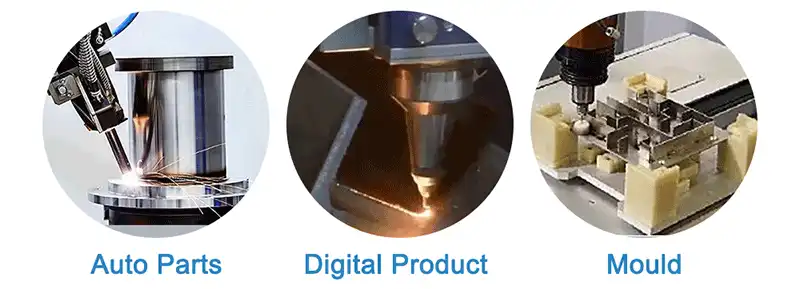
Emerging applications are extending past conventional businesses, tapping into segments that require miniaturization and high-precision welding. Therapeutic gadget fabrication is progressively utilizing laser welding for implantable gadgets, where accuracy and biocompatibility are vital. So also, battery fabrication for electric vehicles depends on specialized welding strategies to connect different materials while guaranteeing electrical and warm performance.
Market estimates anticipate continued development, driven by the rising request for lightweight, tough components. The worldwide laser welding advertising is anticipated to develop as producers embrace robotization and accuracy procedures, fueled by patterns like car charging, aviation lightweighting, and customer gadget miniaturization.
Understanding these patterns empowers acquirement experts to future-proof ventures, grasping cutting-edge laser welding arrangements that adjust with advancing fabricating needs. Progressed pillar forming, multi-beam preparing, and cross-breed fabricating frameworks speak to another wilderness in laser welding technology.
Perfect Laser: Your Trusted Partner for Advanced Welding Solutions
Comprehensive Product Range
Our comprehensive laser welding machine lineup offers specialized arrangements for different mechanical applications. The channel letter laser welder guarantees exact joining for signage and engineering ventures, whereas the double-path form boosts efficiency in high-volume situations. For extravagant products, our spot adornments welding frameworks give the accuracy required for fragile, valuable metalwork.
Our nonstop laser welding machines are perfect for overwhelming industry applications requiring profound entrance, whereas specialized welders for the shape and kitchenware businesses address sector-specific challenges. Each framework highlights the progressed 3-in-1 welding, cutting, and cleaning capabilities, optimizing gear utilization and diminishing capital investment.
Key highlights that set our frameworks apart incorporate natural LCD control sheets for simple parameter administration and nonstop fiber laser sources for solid, long-lasting execution. The versatile, adaptable plan guarantees flexible application sending, with handheld welding weapons upgrading availability and operational reach.
Technical Advantages and Certifications
Our laser welding hardware offers extraordinary execution with a compact impression, high-precision situating, and quick welding speeds that boost efficiency. The non-polluting operation decreases natural affect and conveys smooth welds, minimizing post-processing needs.
Perfect Laser maintains strict quality guidelines with certifications like CE, TUV, and SGS. Our talented building group is coordinating cutting-edge innovation, sponsored by 63 national licenses, and backed by two committed R&D centers.
We offer full-service arrangements, including customization, after-sales bolster, and master counseling, guaranteeing ideal framework integration. Our worldwide benefit arrangement ranges across nations like Germany, Japan, Italy, Russia, South Korea, Turkey, Brazil, India, and the UAE, giving nearby benefits for our worldwide clients.
Conclusion
Laser welding machines continues revolutionizing manufacturing through superior precision, efficiency, and quality compared to conventional joining methods. Understanding the fundamental principles, equipment selection criteria, and safety requirements enables manufacturers to successfully integrate these systems into their production processes. The technology's versatility across materials and applications, combined with ongoing innovations in automation and Industry 4.0 integration, positions laser welding as an essential capability for competitive manufacturing operations. As markets demand increased precision and productivity, laser welding systems provide the technological foundation necessary to meet evolving customer requirements while maintaining operational excellence and cost-effectiveness in today's demanding industrial environment.
Frequently Asked Questions
1. What materials can laser welding machines effectively join?
Laser welding systems effectively join various metals including stainless steel, aluminum, copper, titanium, and carbon steel. The welding parameters must be optimized for each material's specific thermal and optical properties. Reflective materials like aluminum and copper require higher power levels and specialized techniques, while stainless steel welds readily across most laser systems.
2. How do I determine the appropriate laser power for my application?
Power selection depends on material thickness, welding speed requirements, and joint configuration. Generally, 1000 watts handles materials up to 3mm thick, while 3000 watts accommodates 8mm thickness. Thicker materials require proportionally higher power levels, with some applications exceeding 10,000 watts for heavy industrial welding.
3. What safety measures are required for laser welding operations?
Laser welding requires comprehensive safety protocols including appropriate laser safety eyewear, controlled access zones, proper ventilation, and operator training. Class 4 laser systems demand enclosed beam paths or restricted access areas with warning systems and emergency stops. Regular safety training and compliance with OSHA and international standards ensure safe operation.
4. How does maintenance differ between fiber and CO2 laser systems?
Fiber lasers require minimal maintenance with service intervals exceeding 100,000 hours, primarily involving optical cleaning and cooling system checks. CO2 lasers need more frequent attention including gas mixture monitoring, discharge tube cleaning, and optical alignment. Both systems benefit from regular calibration and preventive maintenance programs.
Contact Perfect Laser for Advanced Laser Welding Solutions
Ready to transform your manufacturing capabilities with cutting-edge laser welding technology? Perfect Laser offers comprehensive laser welding machine solutions tailored to your specific industrial requirements. Our expert team provides personalized consultations, detailed system specifications, and competitive pricing for our complete range of welding systems. Whether you need precision jewelry welding, heavy-duty industrial joining, or automated production integration, we deliver reliable technology backed by decades of experience and global support. Contact us today at [email protected] to discuss your laser welding machine supplier needs and discover how our advanced systems can enhance your production efficiency and quality standards.
References
1. Katayama, S. "Handbook of Laser Welding Technologies." Woodhead Publishing, 2013.
2. Duley, W.W. "Laser Welding: Fundamentals and Applications in Materials Science." Cambridge University Press, 2019.
3. Zhang, Y.M., et al. "Advanced Laser Welding Processes: Theory and Applications in Manufacturing." Industrial Engineering Review, 2022.
4. Liu, F. and Chen, M. "Fiber Laser Technology in Modern Welding Applications." International Journal of Advanced Manufacturing, 2021.
5. Mueller, R.E. "Laser Welding Safety Standards and Best Practices in Industrial Applications." Safety Engineering Quarterly, 2023.
6. Thompson, A.J. "Industry 4.0 Integration in Laser Welding Systems: Current Trends and Future Developments." Manufacturing Technology Today, 2022.

share your inquiry, get the quotation accordingly.
第一张审核员说包含其他公司不能用_1755049724891.webp)
Perfect Laser – Global Manufacturer of Reliable Laser Solutions


