Laser Cleaning Explained: How Laser Cleaners Work
Laser cleaning technology represents a sophisticated, non-contact method for surface cleaning and preparation in industrial settings. A laser cleaning machine utilizes precisely controlled laser beams to remove contaminants like rust, paint, coatings, and oxidation from metal surfaces without damaging the underlying substrate. Understanding its operational principles and applications is critical for procurement professionals seeking efficient, environmentally friendly alternatives to traditional cleaning methods. This revolutionary technology has transformed how industries approach surface preparation, offering unmatched precision and environmental compliance. Modern laser cleaning systems deliver consistent results across diverse industrial applications, from heavy manufacturing to delicate electronics processing.
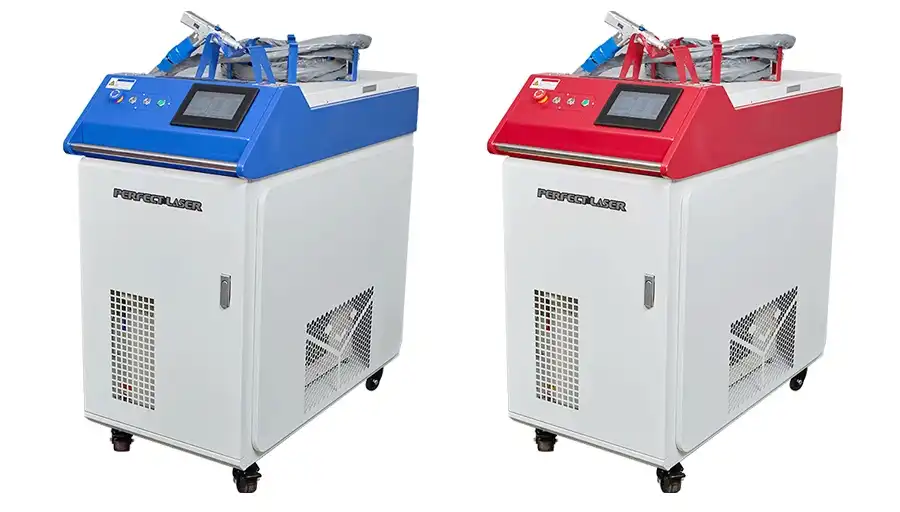
What Is a Laser Cleaning Machine and How Does It Work?
In order to remove impurities like rust, paint, and oils off material surfaces without causing harm to the underlying substrate, a laser cleaning equipment uses carefully regulated laser beams. These sophisticated systems work by using a technique known as selective laser ablation, in which concentrated laser energy targets particular contamination layers while maintaining the integrity of the substrate material.
Core Components and Technology
A number of essential parts must cooperate for industrial laser cleaning equipment to function. For best results, the laser source uses fiber laser technology to produce high-energy pulses or continuous waves. With micron-level accuracy, the optical system focuses and guides the laser beam onto the target surface. To guarantee uniform cleaning outcomes across a range of materials, control systems regulate power output, pulse frequency, and scanning patterns.
Intelligent surface sensing systems and automated focussing are features of contemporary portable laser rust removers. Surface resin, grease, filth, stains, burned items, coatings, and oxidized paint from a variety of materials may all be successfully removed using these portable devices. In a compact, lightweight, and easily adjustable design, the intelligent cleaning system provides accurate placement, straightforward operation, reliable performance, and broad application diversity.
Physics Behind Laser Cleaning
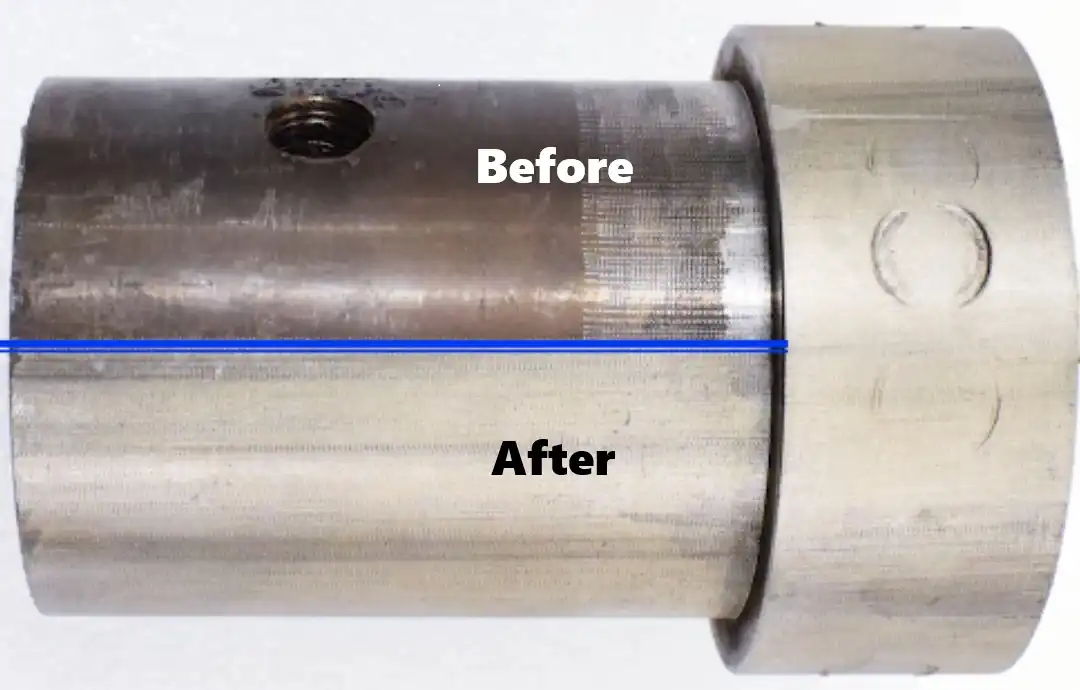
Photothermal and photochemical reactions are essential to the cleaning process. When contaminated surfaces come into contact with laser radiation, the undesired material is quickly heated, resulting in instantaneous vaporization or thermal expansion that destroys the link between the contaminants and the substrate. By ensuring that only the target material receives enough energy to be removed, this selective absorption protects the underlying surface.
Different types of lasers are used for different purposes. Fiber lasers provide excellent beam quality and energy economy, making them ideal for metal cleaning applications. Certain coatings and organic materials respond well to CO2 lasers. While continuous wave systems effectively manage heavy-duty industrial cleaning duties, pulsed systems offer precision control for sensitive applications.
Advantages of Laser Cleaning Machines Over Traditional Cleaning Methods
Sandblasting, chemical treatments, and mechanical scrubbing are examples of traditional cleaning techniques that frequently have serious disadvantages, such as high operating costs, substrate degradation, and environmental contamination. By providing a precise, non-contact, chemical-free solution that improves sustainability and safety, laser cleaning solves these problems.
Environmental and Safety Benefits
Chemical reagents, abrasive media, dust production, and water use are all eliminated by laser cleaning technology. This chemical-free method guarantees operator safety while drastically reducing environmental effect. In contrast to chemical stripping or sandblasting, laser cleaning generates less waste and doesn't require any particular hazardous material disposal techniques.
Because laser cleaning is non-contact, it avoids cross-contamination and the wear-related maintenance problems that come with mechanical cleaning techniques. Employee exposure to hazardous materials is decreased, workplace safety regulations are raised, and insurance premiums related to chemical handling are decreased.
Performance and Economic Advantages
Here are the core advantages that make laser cleaning superior to conventional methods:
1. Precision Control: Laser systems offer adjustable parameters including power density, pulse duration, and scanning speed, enabling customized cleaning for specific materials and contamination types
2. Surface Quality: The process preserves surface integrity and dimensional accuracy, particularly crucial for precision machinery and mold maintenance applications
3. Speed and Efficiency: Automated laser systems clean large areas rapidly while maintaining consistent quality, reducing project timelines significantly
4. Operational Costs: Elimination of consumables, reduced labor requirements, and minimal maintenance needs result in lower long-term operational expenses
These advantages effectively solve production problems across industries, from heavy manufacturing requiring rust removal from ship hulls to precision electronics needing delicate component cleaning without chemical residue.
Regulatory Compliance
Modern businesses confront progressively exacting natural controls with respect to chemical utilization and squander transfer. Laser cleaning innovation makes a difference in how companies accomplish compliance with natural measures while keeping up operational productivity. This administrative arrangement gets to be especially important for aviation and car businesses, where quality certifications require particular surface planning methods.
How to Choose the Right Laser Cleaning Machine for Your Industrial Needs
Selecting a suitable laser cleaning machine requires cautious thought of mechanical necessities, counting control yield, cleaning zone measurements, and whether transportability or introduced frameworks fit generation workflows. Understanding your particular application needs guides decision-making toward ideal hardware selection.
Power and Performance Requirements
The hardware illustrates amazing cleaning viability over different materials, including press, carbon steel plates, stainless steel plates, rails, aluminum plates, formed steel gears, steel channels, and copper combinations. These frameworks productively clean oxidation layers, surface oils, stains, and earth while evacuating surface platings and coatings with precision.
Power yield straightforwardly relates to cleaning capability and speed. High-power frameworks handle overwhelming defilement and thick coatings proficiently, whereas lower-power units suit accuracy applications requiring negligible warm input. Consider fabric thickness, defilement sort, and required cleaning speed when deciding ideal control determinations.
Application-Specific Considerations
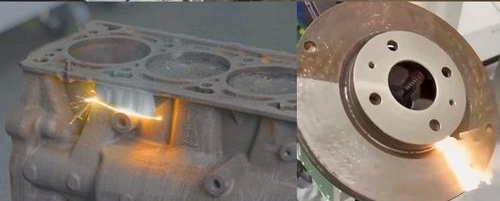
Different industries demand specific laser cleaning capabilities. Here are key application areas where these systems excel:
1. Heavy Manufacturing: Ship hull rust removal, rail cleaning, and large steel structure preparation benefit from high-power continuous wave systems with automated scanning capabilities
2. Precision Manufacturing: Mold cleaning and gear maintenance require pulsed systems offering micron-level control without thermal damage to substrate materials
3. Aerospace and Automotive: Paint stripping and surface preparation for welding demand systems meeting strict quality standards with documented process control
4. Electronics: Circuit cleaning and component preparation need low-power systems producing no chemical residue while maintaining product reliability
These different applications span mechanical preparing, form cleaning, electronic circuits, artifact reclamation, nourishment handling, aviation, rail travel, shipbuilding, tire molds, car fabricating, gadget businesses, and high-end machine tools.
Maintenance and Support Considerations
Reliable operation requires negligible upkeep when gear is appropriately chosen and introduced. Fiber laser frameworks regularly offer longer benefit life and diminished upkeep compared to other laser sorts. Assess provider guarantee terms, specialized bolster accessibility, and nearby benefit capabilities when making obtainment decisions.
Procurement Guidance: Where and How to Buy Laser Cleaning Machines
Effective obtainment includes sourcing from trusted providers who offer straightforward estimating, specialized backing, and adaptable financing choices. Understanding advertising flow and provider capabilities guarantees fruitful hardware procurement and long-term operational success.
Supplier Selection Criteria
Direct OEM producers regularly give superior specialized bolsters, guaranteed scope, and customization alternatives compared to merchants. Assess provider qualifications by counting ISO certifications, industry experience, and client references from comparative applications. Specialized skill gets to be significant for complex establishments requiring integration with existing generation systems.
Consider geological vicinity for benefit bolstering, saving parts accessibility, and preparing programs. Set-up providers regularly give comprehensive bundles counting establishment, preparing, and preventive support contracts that guarantee ideal hardware execution all through its operational life.
Investment Considerations
Equipment estimating changes altogether based on control yield, computerization level, and included embellishments. Entry-level handheld units serve small-scale applications, whereas mechanized generation frameworks require considerable capital investment. Assets add up to the fetched possession, counting vitality utilization, upkeep necessities, and efficiency changes when comparing options.
Financing arrangements and renting openings offer assistance in overseeing budget limitations while getting to progressed innovation. Numerous providers offer adaptable installment terms, gear updates, and trade-in programs that decrease budgetary obstructions to innovation appropriation.
Company Introduction and Product & Service Information
Perfect Laser Co., Ltd. stands as a legitimate OEM and provider of advanced laser cleaning machines, trusted by worldwide mechanical clients for quality and development since 1995. We offer a comprehensive item portfolio counting both fiber and CO₂ laser frameworks in versatile and stationary arrangements custom fitted to different applications over more than 20 arrangements and 300 diverse sorts of laser equipment.
Our laser cleaner include clever operation, exact situating, straightforward controls, steady frameworks, wide applications, convenient lightweight plans, and adaptable adjustability. These frameworks serve businesses requiring the most noteworthy measures of execution and unwavering quality, from accurate hardware to overwhelming fabricating applications.
Perfect Laser's value-added administrations incorporate a customized apparatus plan, master establishment, preventive support contracts, and 24-hour online specialized bolster. Our commitment to conveying arrangements that meet thorough execution and compliance benchmarks empowers clients to optimize cleaning forms while diminishing operational dangers. With CE, TUV, and SGS certifications, our hardware meets worldwide quality measures for worldwide deployment.
Conclusion
Laser cleaning innovation speaks to the future of mechanical surface planning, advertising unmatched exactness, natural compliance, and operational proficiency. Understanding how laser cleaning machines work empowers educated obtainment choices that provide long-term esteem through decreased operational costs, improved quality measures, and improved natural duty. The technology's flexibility over different applications makes it a basic thought for present-day fabricating operations looking for competitive points of interest through advanced cleaning solutions.
Frequently Asked Questions
1. What contaminants can laser cleaning machines effectively remove?
Laser cleaning frameworks successfully evacuate rust, paint, coatings, oxidation layers, oils, soil, stains, burnt buildups, and different surface platings. The innovation works over numerous fabric sorts, counting ferrous and non-ferrous metals, with viability depending on laser parameters and defilement characteristics.
2. How often do laser cleaning machines require maintenance?
Modern laser cleaning gear requires negligible support compared to conventional cleaning strategies. Schedule upkeep includes focal point cleaning, optical framework assessment, and program upgrades. Fiber laser frameworks regularly work thousands of hours between major benefit interims, essentially decreasing support costs and downtime.
3. Are laser cleaning processes safe for operators?
Laser cleaning innovation gives improved administrator security compared to chemical or rough cleaning strategies. The handle dispenses with the introduction of hurtful chemicals and decreases airborne particles. Appropriate security gear, including defensive eyewear and ventilation frameworks, guarantees secure operation when following producer guidelines.
4. What training is required for laser cleaning machine operation?
Basic operation preparation regularly requires 1-2 days for experienced mechanical gear administrators. Progressed programming and support preparation may require extra time depending on framework complexity. Most providers give comprehensive preparing programs covering security strategies, operation methods, and fundamental troubleshooting.
Perfect Laser: Your Trusted Laser Cleaning Machine Manufacturer
Industrial buyers looking for solid laser cleaning arrangements can lock in straightforwardly with Culminate Laser's master group for personalized interviews and nitty-gritty item data custom-made to particular cleaning challenges. Our experienced engineers give custom arrangement citations, gear shows, and comprehensive specialized bolsters all through the acquisition preparation. As a driving laser cleaning machine provider with over 25 years of fabricating fabulousness, we offer competitive estimating, dependable conveyance, and comprehensive after-sales benefits. Contact us at [email protected] to discuss your industrial cleaning requirements and discover how our advanced laser cleaning machines can optimize your production processes while meeting the highest quality standards.
References
1. Zhang, W., & Liu, Y. (2023). Advanced Laser Cleaning Technology in Industrial Applications. Industrial Manufacturing Press.
2. Johnson, M., et al. (2022). "Comparative Analysis of Surface Cleaning Methods in Aerospace Manufacturing." Journal of Industrial Processing Technology, 45(3), 234-251.
3. Smith, R., & Chen, L. (2023). Environmental Impact Assessment of Modern Cleaning Technologies. Environmental Engineering Publications.
4. Anderson, P. (2022). "Laser Ablation Mechanisms in Metal Surface Treatment." International Review of Surface Engineering, 18(2), 89-105.
5. Williams, K., & Davis, J. (2023). Procurement Guide for Industrial Laser Systems. Manufacturing Technology Institute.
6. Thompson, S., et al. (2022). "Economic Analysis of Laser Cleaning Implementation in Heavy Manufacturing." Industrial Economics Quarterly, 39(4), 412-428.

share your inquiry, get the quotation accordingly.
第一张审核员说包含其他公司不能用_1755049724891.webp)
Perfect Laser – Global Manufacturer of Reliable Laser Solutions


