What Is a Fiber Laser Marking Machine and How It Works?
A fiber laser marking machine creates high-intensity laser beams for accurate, long-lasting marks on a variety of materials using fiber optic technology. It can mark, engrave, or etch surfaces without making contact by magnifying laser light using rare-earth-doped fibers, providing better speed, precision, and variety than conventional techniques.
Fiber laser marking, which offers accurate, long-lasting, and effective solutions, has become indispensable in contemporary production. It improves part serialization, brand identification, and traceability, streamlining processes and guaranteeing constant quality. These systems, which are widely used in a variety of sectors, including automotive and 3C electronics, offer high-speed integration, flexible material compatibility, and micro-precision labeling.
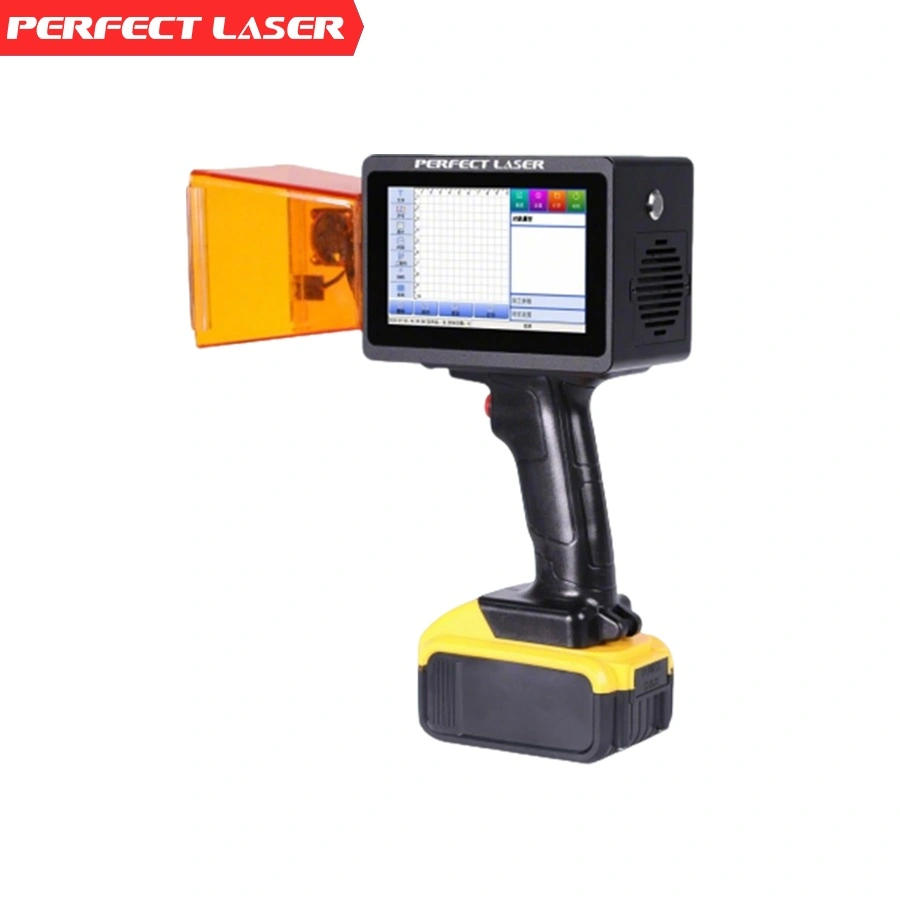
Understanding Fiber Laser Marking Machines
Laser Generation and Amplification Process
In the fiber optic cable, rare-earth elements like ytterbium are doped into the glass fiber core to start the laser generating process. These elements release photons at a particular wavelength of about 1064 nanometers when they are pumped by electrical energy. By creating an optical cavity where light bounces back and forth, the fiber optic architecture increases the strength of the laser beam through stimulated emission. A highly focused beam that can label materials with exceptional accuracy is produced by this amplification method.
This concentrated energy is directed by galvanometer mirrors in the beam delivery system, which may reroute the laser path at speeds greater than 7000 mm/s. The laser can draw intricate patterns, letters, or pictures with sub-micron accuracy because to these mirrors' response to computer-controlled impulses. The focusing lens allows for ultra-fine marking applications, which are crucial for PCB and electronics makers, by concentrating the beam to a spot size as tiny as 20 micrometers.
Comparative Advantages Over Alternative Technologies
Fiber laser marking machines provide a number of clear benefits over CO2 and UV laser systems that make them especially well-suited for industrial applications. The electrical-to-optical conversion efficiency of fiber laser technology is higher than that of CO2 systems, usually reaching 25–30% efficiency as opposed to 10–15%. Procurement teams take this efficiency into account when assessing long-term investment returns since it translates into lower operating expenses and energy use.
Because metals quickly absorb the 1064 nm wavelength, fiber lasers' wavelength properties make them incredibly useful for identifying metals. Fiber systems can label stainless steel, aluminum, titanium, and other metals directly without the need for further preparation, in contrast to CO2 lasers that need specific coatings for metal marking. Higher uptime and a cheaper total cost of ownership are the outcomes of the solid-state architecture, which does away with the need for gas refills and complicated maintenance procedures related to CO2 systems.
Benefits and Applications of Fiber Laser Marking Machines
Precision and Speed Performance
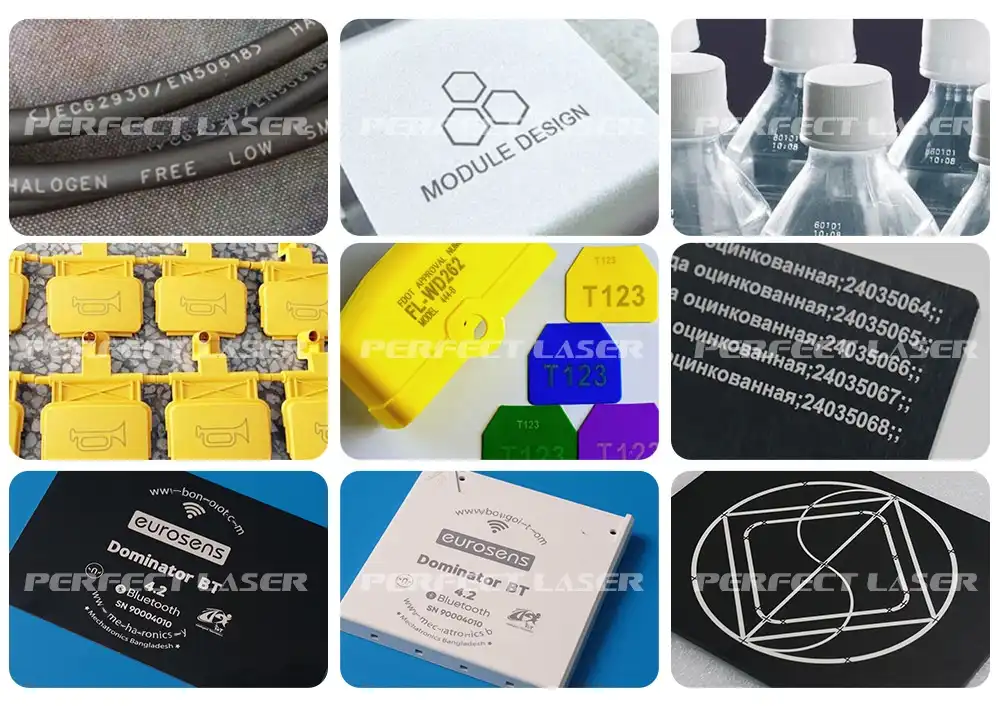
The remarkable precision capabilities meet important demands in a variety of sectors, especially electronics production, where component downsizing necessitates ultra-fine marking solutions. These methods are used by circuit board producers to mark identifying codes on parts as small as 0201 resistors without damaging the environment with heat. The non-contact marking method preserves marking quality uniformity over manufacturing cycles while removing mechanical stress on fragile components.
Another big benefit is processing speeds; contemporary systems may achieve marking rates that work well with high-speed production lines. Manufacturers may add permanent identity markings for traceability needs while maintaining throughput objectives thanks to the 7000mm/s marking speed. When stamping VIN numbers, item codes, and production dates on components passing through automated assembly lines, automotive suppliers especially profit from this speed capabilities.
Industrial Applications Across Sectors
fiber laser marking machine may be used to a wide range of industries. By labeling smartphones, tablets, and other devices with logos, regulatory symbols, and serial numbers, static-safe processes are employed in 3C electronics to safeguard critical components.
It produces deep, durable marks with precise depth control to ensure lifetime without sacrificing component integrity on vital parts in the automotive and aerospace sectors, such as engine blocks, gearboxes, and aircraft structures.
Manufacturers of luxury items use the aesthetic finishing skills to produce sophisticated personalized markings on watches, jewelry, and high-end presents. Intricate pattern generation and sensitive processing that preserves the aesthetic appeal while providing practical value through customization possibilities are made possible by the exact beam control.
How to Choose the Right Fiber Laser Marking Machine for Your Business
Configuration and Power Level Considerations
When procurement teams are well-versed in the many types of machines, they can make the optimal choice. Desktop computers are ideal for low-to-medium volume workloads since they are compact, have air cooling, and offer user-friendly interfaces.
Portable systems offer on-site flexibility while retaining marking quality comparable to larger equipment because to their lightweight, battery-operated designs for field service, maintenance, or temporary installations.
Industrial-grade systems have advanced features including rotating attachments for marking cylindrical components, multi-station setups for high-volume production scenarios, and conveyor connection possibilities. Servo-controlled axes are used in lifting-type systems to provide accurate placement while supporting larger workpieces.
Supplier Evaluation Criteria
Technical competence, support infrastructure, and long-term relationship possibilities are all taken into consideration when choosing a supplier. Operational performance is greatly impacted by the availability of thorough after-sales support, which includes installation help, operator training, and continuing technical advice. Warranty conditions, especially the two-year guarantee period for laser sources, offer assurance regarding the dependability of the equipment and the dedication of the supplier.
When typical configurations are unable to satisfy certain application needs, customization options become essential. Suppliers that provide application-specific software setups, customized workholding solutions, and adaptable design tweaks show the flexibility required for certain production issues.
Maintenance, Safety, and Efficiency Optimization
Routine Maintenance Procedures
Frequent maintenance plans concentrate on maintaining optimal performance through software updates, mechanical system calibration, and optical component cleaning. Compared to gas laser systems, the sealed laser source design minimizes maintenance frequency by shielding vital components from environmental contamination. To avoid optical damage while preserving beam quality, certain cleaning methods are needed for focusing lenses and beam delivery components.
To avoid overheating during prolonged operating cycles, the air cooling system has to have its filters changed on a regular basis and its airflow checked. Temperature monitoring systems notify operators of any problems before they affect equipment dependability or marking quality. Throughout the equipment lifespan, regular calibration verification guarantees that marking accuracy stays within predetermined limits.
Safety Protocols and Optimization Strategies
Workspace precautions, protective equipment, and laser safety training are all part of operator safety. To avoid exposure, class IV lasers need regulated access and eye protection. Because they include byproducts, fully enclosed marking chambers provide additional safety.
Optimization techniques concentrate on changing parameters to achieve the greatest outcomes and quickest processing. Power, pulse frequency, and scan speed are examples of customizable variables that enable adaptability to various materials and requirements. With parameter libraries for popular materials, advanced control systems make setup easier and guarantee consistent results.
Perfect Laser: Your Trusted Partner for Advanced Marking Solutions
Perfect Laser Co., Ltd. stands as a world-renowned manufacturer of industrial laser equipment with nearly three decades of expertise in developing cutting-edge marking solutions. Since 1995, our dedicated focus on fiber laser technology innovation has resulted in comprehensive product lines serving diverse industrial applications worldwide.
Comprehensive Product Portfolio
With their unique designs, our fiber laser marking machines satisfy a variety of industrial requirements. While portable devices offer lightweight, battery-powered choices for transportable applications, mini systems give tiny solutions for confined places.
For medium-volume production, desktop computers strike a compromise between size and performance. Lifting models use vertical positioning devices to manage bigger workpieces. Standby setups provide ongoing operation for vital manufacturing processes, while color tagging promotes ornamental applications.
For regulated situations, fully enclosed systems offer containment and safety. While UV lasers increase the range of materials available for specific uses, rotary fiber laser engravers precisely rotate cylindrical objects. Through adaptive focusing, 3D dynamic-focus etchers provide precise etching on curved surfaces.
Technical Excellence and Global Certification
Our commitment to quality is reflected in certifications like CE, TUV, and SGS, ensuring compliance with international safety and performance standards. Our engineering team, supported by dual R&D centers and 63 national patents, leads in laser marking technology innovation.
Rigorous testing with advanced equipment—such as CO2 laser meters, CNC grinding machines, and scanning mirrors—ensures consistent quality and stability. This comprehensive approach has made Perfect Laser a trusted supplier to manufacturers in Germany, Japan, Italy, Russia, South Korea, Turkey, Brazil, India, and the UAE.
Conclusion
Fiber laser marker represents an essential investment for manufacturers seeking to enhance production efficiency, ensure regulatory compliance, and maintain competitive advantages in increasingly demanding markets. The combination of exceptional precision, high-speed operation, and material versatility makes these systems indispensable across industries from electronics to luxury goods manufacturing. Understanding the operational principles, application benefits, and selection criteria enables informed procurement decisions that deliver long-term value through improved manufacturing capabilities and reduced operational costs.
Frequently Asked Questions
1. What materials can fiber laser marking machines effectively process?
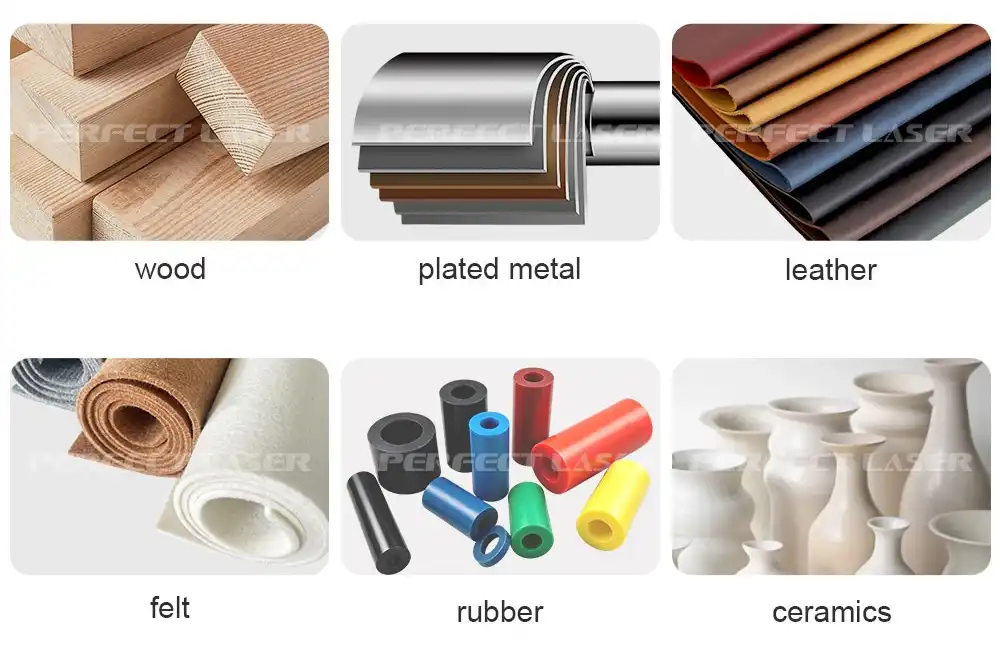
Because of their ideal wavelength absorption properties, fiber laser marking systems work well with metallic materials such as brass, titanium, aluminum, stainless steel, and other alloys. Fiber laser processing also works well with non-metallic materials such composite materials, engineered polymers, and hard plastics. Static-safe labeling of PCB materials, component housings, and semiconductor packages without thermal damage issues is advantageous for electronic applications.
2. How do fiber laser systems compare to CO2 alternatives in terms of operational costs?
Fiber laser technology's higher electrical efficiency, less maintenance needs, and longer service life expectations result in much cheaper operating costs. Gas usage and intricate optical alignment processes related to CO2 systems are eliminated by the solid-state architecture. Significant power cost reductions across equipment lifecycles are achieved with energy efficiency increases of 25–30% as opposed to 10–15% for CO2 systems.
3. What maintenance procedures maximize equipment longevity and performance?
Optical component cleaning, mechanical calibration verification, and software upgrades that uphold ideal performance requirements are the key goals of routine maintenance. While air cooling system maintenance entails routine filter replacement and airflow verification, the sealed laser source design reduces contamination hazards. Throughout prolonged working periods, calibration methods guarantee that marking accuracy stays within predetermined limits.
Ready to Transform Your Manufacturing with Perfect Laser Marking Solutions
Perfect Laser's comprehensive fiber laser marking machine solutions address every industrial marking challenge through innovative technology and exceptional customer support. Our experienced team provides customized consultations tailored to your specific production requirements, material specifications, and operational constraints. Contact our technical specialists at [email protected] to schedule product demonstrations, request trial evaluations, or obtain detailed quotations for your fiber laser marking machine supplier needs.
Discover how Perfect Laser's proven expertise, comprehensive product portfolio, and commitment to customer success can optimize your manufacturing processes while ensuring reliable performance backed by industry-leading warranties and global support infrastructure.
References
1. Smith, J.R. (2023). "Advanced Fiber Laser Technology in Industrial Manufacturing Applications." Journal of Manufacturing Technology, 45(3), 78-92.
2. Chen, L.M., & Rodriguez, P.A. (2022). "Comparative Analysis of Laser Marking Technologies for Electronics Manufacturing." International Conference on Precision Manufacturing, 156-171.
3. Thompson, K.D. (2023). "Fiber Laser Marking Systems: Operational Efficiency and Cost Analysis." Industrial Laser Solutions, 38(7), 23-31.
4. Williams, R.C., et al. (2022). "Safety Protocols and Maintenance Procedures for Industrial Laser Equipment." Laser Safety Institute Technical Bulletin, 12(4), 45-58.
5. Anderson, M.F. (2023). "Material Processing Capabilities of Modern Fiber Laser Marking Systems." Materials Processing Technology Review, 29(2), 112-128.
6. Johnson, D.P., & Lee, S.H. (2022). "Integration Strategies for High-Speed Laser Marking in Automated Production Lines." Manufacturing Automation Quarterly, 18(6), 67-84.

share your inquiry, get the quotation accordingly.
第一张审核员说包含其他公司不能用_1755049724891.webp)
Perfect Laser – Global Manufacturer of Reliable Laser Solutions


