CO₂ Laser Engraving Process Explained: From Design to Finished Mark
Companies that create parts for autos, electronics, or metals need to know how a CO2 laser engraver converts a computer design into a lasting mark. The laser employs a combination of gasses to concentrate an infrared beam on material surfaces to melt them. Serial numbers, emblems, and batch identifiers remain on coated metals and non-metallics. From designing to inspecting the product's quality, this tutorial covers the engraving procedure. This will assist procurement managers pick factory equipment and understand how current laser systems mark swiftly and accurately.
Understanding the CO₂ Laser Engraving Process
How CO₂ Laser Technology Works
CO2 laser etching systems electrically stimulate a laser tube filled with a sealed gas mixture of carbon dioxide, nitrogen, and helium. This stimulation produces a 10.6-micrometer infrared laser beam. This laser beam is effective on biological and non-metallic materials. The beam is guided and amplified by precision mirrors. It is then focused on the subject's surface using a lens. Focused energy rapidly warms up and evaporates a thin layer, leaving permanent traces. CNC controllers in current systems translate digital designs into exact movement commands. The CO2 laser engraver's powerful LCD screen control board allows USB or standalone operation. Design files are stored in 1GB of internal memory. Since workers may import designs from AutoCAD and CorelDraw, the design office-to-production floor procedure is faster.
Core Components That Drive Performance
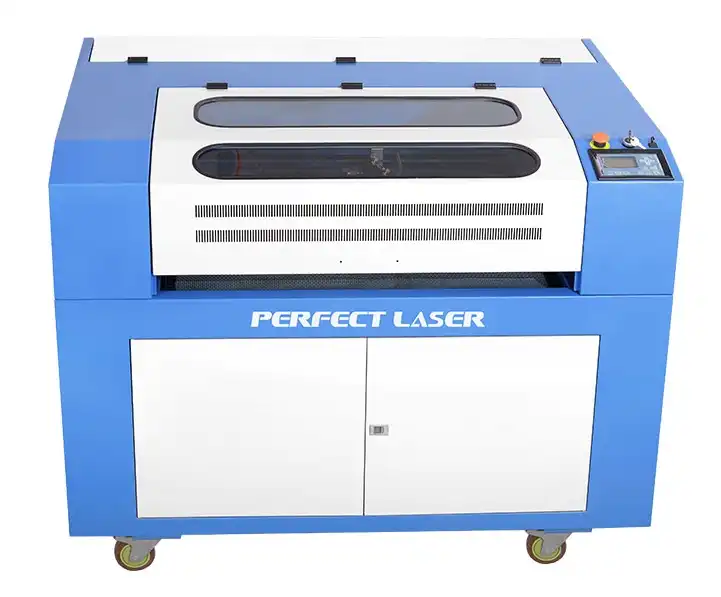
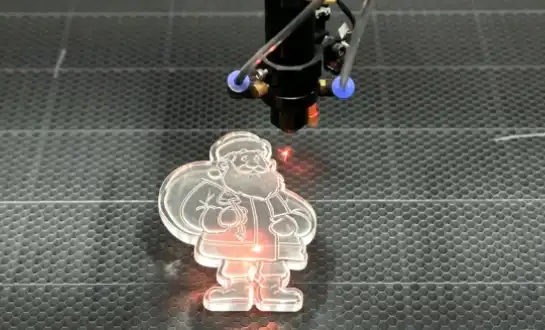
The laser tube is the most important part of any cutting device. Under normal conditions, sealed CO2 glass tubes can last up to 10,000 hours. Before it is installed, every tube goes through a lot of tests to make sure that the power output is consistent and that the beam quality is good. Perfect Laser machines have tubes that are tightly sealed and keep the right gas pressure throughout their service life. This means that the machines will work correctly for thousands of production runs. To keep the quality of the beam, optical systems like mirrors, lenses, and focusing units need precise engineering. The focus length changing mechanism makes it easier to find the best focal point for different thicknesses of material. A red light pointer lets you see where the laser's target is before the unseen infrared beam is activated. This set of features cuts down on setup time and wasted materials, which is especially helpful when moving between different pieces of work during a shift.
Material Compatibility and Applications
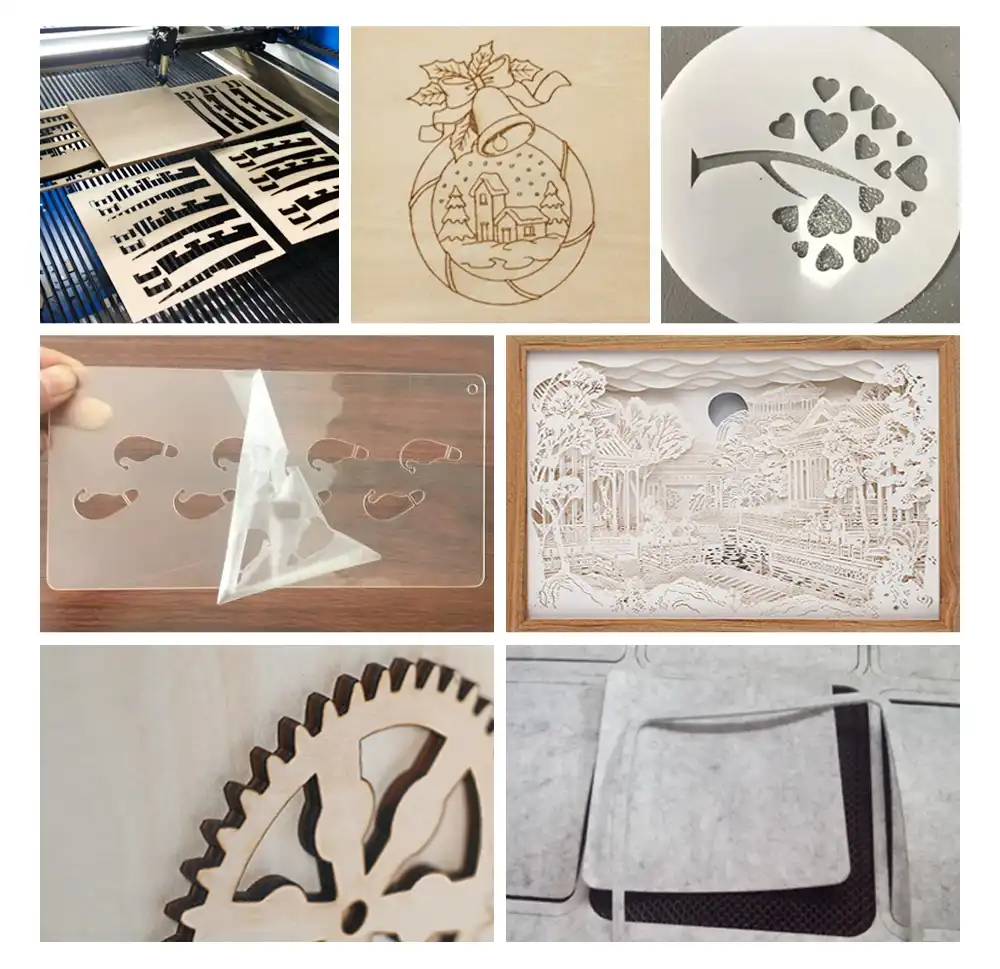
CO2 lasers write wood, acrylic, leather, fabric, paper, and certain polymers well. These lasers can disclose the underlying metal behind anodized aluminum, powder-coated steel, and painted surfaces, making them ideal for metalworking. They are ideal for marking tools, hardware, and device parts since removing the coating makes the writing permanent and wear-resistant. The 6040 tiny laser engraving machine, utilized in many sectors, illustrates this. It has an autonomous lifting platform for 1–400 mm material thicknesses. Workers may operate with thin fabric sheets and heavy acrylic blocks without manually raising the platform. The front and rear running-through arrangement permits lengthy materials like fabric rolls be fed continuously during high-volume manufacturing operations.
Key Benefits and Advantages of CO₂ Laser Engraving for B2B Clients
Precision and Speed That Transform Production
Manufacturing requires precise placement of thousands of pieces, which laser writing systems can do within ±0.01mm. This keeps serial numbers legible in tough service situations, brand names crisp and high-quality, and tool measurement markings precise during their lifetime. Mechanical etching tools may vary depth. Non-contact laser processing eliminates tool wear and degradation. Speed gains are evident when several objects need to be manufactured. When properly set up, a CO2 laser engraver can mark at over 300 millimeters per second, making complex designs in seconds. The honeycomb working table uses a vacuum to keep fabric in place during high-speed carving runs, making it ideal for fabric applications. The thickened strip table cuts hefty acrylic and PVC boards, so workers may switch to thicker materials without shutting down the machine.
Cost Efficiency Through Extended Service Life
When figuring out how much a laser system is worth as an investment, you have to look at more than just the buying price. CO2 laser tubes that are rated for 10,000 operational hours will work reliably for years in most industrial settings, and they are much cheaper to repair than buying new equipment. The 3mm-thick body shell design keeps the optical alignment safe and the quality of the engravings high for 5 to 10 years of continued use without the need for expensive recalibration services. When compared to older writing ways, CO2 technology uses less energy. Modern water-cooling systems, such as the CW-5000 and CW-5200 units, keep things at the right temperature while using very little power and making very little noise. These closed-loop cooling systems keep the laser tube safe from heat stress and keep power costs stable, which is important for factories that have to manage tight budgets for many production lines.
Safety Features That Protect Your Team
Laser equipment must be safeguarded in several ways per factory safety requirements. The large, see-through glass viewing pane helps managers monitor activity while preventing laser radiation. An automated shutdown mechanism cuts off the laser beam when the protective cover is opened. This protects the operator when adding materials or examining the equipment. This safety interlock fulfills worldwide workplace regulations and simplifies routine modifications to keep production running smoothly. Die stamping and live lamination provide precision parts that perform the same way throughout the machine's life. These manufacturing standards reduce mechanical part failure and safety risks. The working platform is built of US-imported aluminum alloy that doesn't distort after repeated heating and cooling. This prevents processing errors and preserves content in place.
How to Choose the Right CO₂ Laser Engraver for Your Business Needs
Matching Power Output to Application Requirements
Most non-metallic marking jobs can be done with power levels between 40W and 60W. Higher wattage allows for faster processing speeds and greater engraving depth. When writing serial numbers on rubber parts for cars, 40W is usually enough to get a clear, lasting image. On the other hand, 60W systems are better for metalworking shops that need to remove thick powder coatings from tool surfaces in just one pass. The flexible design philosophy lets makers choose the laser tube power based on the thickness of the material and the amount that needs to be made. Before you buy the equipment, you should test sample parts to make sure that the power level you choose gives you good mark depth and contrast across the range of materials you work with. During the pre-sales consultation process, Perfect Laser offers a free sample service. This lets buying teams check the performance claims against real production materials before agreeing to buy orders.
Evaluating Machine Size and Workspace Configuration
The pieces a machine can handle depend on its work area size. The compact 6040 versions fit electronics parts, small tools, and device parts without taking up too much space on busy factory floors. Larger chassis can contain bearing housings and industrial nameplates that desktop engravers cannot. However, user access zones and material handling gaps surrounding equipment must be considered while designing the area. Customized double working tables for businesses that use different materials each shift are compatible with a co2 laser engraving machine. This system allows rapid switching between honeycomb-supported cloth engraving and strip table-supported acrylic cutting. This eliminates task switching wait times, lowering output. The machine has synchronized belt systems on its sides. These systems contain engraved scales to assist workers arrange materials precisely, reducing setup waste and increasing first-pass yield.
Software Compatibility and Control System Features
Modern manufacturing employ laser, CAD/CAM, and ERP technologies. Engineering teams may transfer production files to the laser system without modifying the format using industry-standard design tools. Workers may switch between typical marking patterns without a computer by storing several task files in internal memory. This aids high-mix manufacturing runs with frequent changeovers. Autofocus systems help beginners produce good etching results. Focusing by hand requires competent persons who understand how focal distance affects mark contrast and edge definition. However, automated methods monitor material surface height and adjust lens location. This automation ensures quality for all operator skill levels and reduces training time, which is crucial for facilities that are losing staff or need to produce more items.
Installation, Troubleshooting, and Maintenance Guidelines
Step-by-Step Setup for Optimal Performance
A good CO2 laser engraver installation starts with a sturdy location on a level surface away from shaking causes like stamping machines or material handling equipment. Precision tools used to evaluate bed levelness maintain the focal plane over the work area. This maintains part quality across table locations. Before production begins, mirror angles are aligned to send the beam to the focusing lens. This standardizes performance. Calibration ensures engraving proportions match digital design parameters. When running test patterns with specified sizes, operators may utilize software correction factors to compensate for beam path optical or thermal effects. These calibration files should be performed every three months or after optical part repairs to maintain quality documentation measurements.
Common Issues and Practical Solutions
Focus distance issues are generally caused by inconsistent etching depth. Making ensuring material surfaces are at the proper height for the lens will address many depth variation problems. This is crucial when dealing with twisted or uneven materials. Even when material thickness fluctuates, the automated lifting platform option maintains the optimal focus distance. Workers must clamp the material to prevent it from moving during processing. Weak or vanishing laser output indicates a malfunctioning laser tube or unclean sights. Check mirrors and lenses for dust, smoke residue, and material spatter every shift and clean them immediately with the correct chemicals and lint-free materials. whether cleaning doesn't restore output power, compare the laser tube current to the manufacturer's standards to determine whether the tube needs to be changed or the electrical supply has to be rectified.
Maintaining Peak Efficiency Over Years of Service
Schedules for preventative repair make devices last longer and reduce the amount of unexpected downtime. Cleaning optical surfaces, checking the water levels in the cooling system, and making sure that exit ventilation keeps airflow at a good level are all things that need to be done every day. Every week, mechanical parts like drive belts and linear guides are checked for signs of wear, and every month, laser tube performance measures are compared to previous baselines to figure out when replacements are needed before major problems happen. Professional water chiller systems that come with Perfect Laser machines need to have their coolant changed on a regular basis, as specified by the maker. Keeping the right quantity of coolant stops biological growth that can block cooling channels and corrosion that hurts the efficiency of heat transfer. Monitoring the temperature while the machine is running lets maintenance know right away if there are problems with the cooling system, so they can fix them before the expensive laser tubes are damaged by heat stress.
Trusted CO₂ Laser Engraver Brands and Procurement Resources
Recognizing Manufacturing Excellence
In 1995, Perfect Laser Co., Ltd. began developing industrial laser engraving machine equipment, learning to create over 20 product lines with 300 machine sets. This expertise is evident in little aspects like the 3mm body shell thickness, which is thicker than industry standards and prevents frame warping, which would compromise accuracy over time. A product having CE, TUV, and SGS certification satisfies worldwide safety and quality requirements. This speeds up equipment approval for stringent working environments. Two R&D divisions have 63 patents for the corporation. These patents include laser, safety, and control innovations. Engineering talent allows machines to improve, with new technology entering production models to make them more dependable and powerful for end users. Exports to Germany, Japan, Italy, Russia, Turkey, Brazil, India, and the UAE demonstrate that the equipment operates reliably in various power infrastructures and fulfills numerous regulatory criteria.
Procurement Channels and Support Infrastructure
Direct ties with manufacturers offer benefits beyond the initial cost of the tools. Perfect Laser cares about its customers and offers free pre-sales consulting, during which application engineers look over your unique marking needs and suggest the best system setups. Through this feedback process, you can often find ways to combine several marking tasks onto a single platform. This will save you money on capital and make it easier to train operators across your whole facility. Engineer overseas installation services make sure that everything is set up correctly in foreign countries where laser system technicians may not be very knowledgeable. These installation teams make sure that the building's infrastructure meets the needs of the equipment, do the initial testing and validation, and teach your workers how to use the equipment normally and fix basic problems. When you combine initial answer times of two hours with 24-hour after-sales service, you can be sure that technical questions will cause as few production delays as possible.
Warranty Protection and Long-Term Partnership
Knowing what the guarantee covers helps buying teams figure out the total risk of ownership. Laser marking machines come with two-year warranties because the company that makes them is confident in the quality of the parts and the standards of assembly. This protects your investment during the important early operational period, when any manufacturing flaws usually show up. Larger cutting systems usually only get covering for one year, which is standard for machines with more mechanical parts that can wear out. Lifetime service promises show that the manufacturer is stable and can provide ongoing help. If you can get OEM replacement parts, you can be sure that they will work with your system and perform as well as the original parts. This way, you can avoid the quality problems that can happen with third-party replacements. This parts supply is especially important for facilities that use equipment after the warranty time is over, because part obsolescence could force early equipment replacement even if the machine is still in good working condition.
Conclusion
The CO2 laser engraver is central to understanding how the CO2 laser engraving method makes permanent, high-contrast markings that meet the exacting standards of the industrial world when it comes to sturdiness and accuracy. By understanding how these systems turn digital plans into finished marks using gas lasers, precise optics, and CNC control, you can choose the right tools for your needs. The Perfect Laser 6040 compact machine is a great example of how modern engineering can combine advanced features like automatic height adjustment, flexible table setups, and safety interlocks into easy-to-use platforms that can work for both new businesses and established makers. Total ownership costs, including a 10,000-hour tube life, low maintenance needs, and a full support system, make the business case for using this marking technology strong across a wide range of industrial sectors.
FAQ
Can CO₂ laser systems engrave bare metal surfaces?
Standard CO2 laser engravers work best on non-metallic materials and metals that have been treated. The wavelength of 10.6 micrometers is easily absorbed by organic materials, plastics, and surface layers. However, it doesn't leave marks on steel, aluminum, and brass when it bounces off of them. When manufacturing needs to engrave directly on metal, they usually ask for fiber laser systems that work at different wavelengths that are best for absorbing metal. In many industrial settings, though, marking anodized aluminum, powder-coated parts, or painted surfaces works very well because the laser removes the covering to show the base metal, which stands out.
What design software works with CO₂ laser engraving machines?
AutoCAD, CorelDraw, Adobe Illustrator, and specific CAM tools are all acceptable file types for CO2 laser engraver equipment. The advanced control boards have 128M of onboard memory where design files are stored. This lets workers load jobs via USB link without having to keep a computer connected during production. When engraving, vector graphics files usually give you the best results. Raster pictures, on the other hand, are good for making copies of photos and adding grayscale shading effects. Making sure the software works with the tools you're choosing will make sure it fits in easily with your current design routine.
How long do laser tubes last and what maintenance extends their life?
CO2 glass laser tubes that are hermetically sealed can usually work for 10,000 hours under normal conditions, which is a few years of service in most industrial settings. Keeping the cooling system running at its best keeps tubes safe from heat stress that speeds up degradation. Also, keeping the optical parts clean stops back-reflection, which hurts internal tube parts. Before installing a tube, Perfect Laser checks it to make sure it meets the requirements for power output and beam quality. This sets performance baselines that help predict how long tubes will still work as they age. Keeping an eye on the output power during regular maintenance lets you change tubes before they completely break down and stop production.
Request Your Custom CO₂ Laser Engraver Quote Today
If you need help finding the best laser marking option for your business needs, Perfect Laser is ready to help. Our application engineering team has almost 30 years of experience in manufacturing. During meetings, they look at your materials, throughput goals, and quality standards to suggest the best system designs. We are a well-known company that makes CO2 laser engravers and have over 10,000 happy customers in the electronics, metalworking, and car industries. We know that B2B equipment choices are based on performance needs and budgets. Contact us at [email protected] to set up a free sample marking demonstration using your own production materials. You can also look at our whole product line, which includes the 6040 compact machine that can be used for a variety of tasks and comes with an optional automatic lifting system and different table configurations.
References
1. Steen, W.M., & Mazumder, J. (2010). Laser Material Processing, 4th Edition. Springer-Verlag London Limited.
2. Ion, J.C. (2005). Laser Processing of Engineering Materials: Principles, Procedure and Industrial Application. Elsevier Butterworth-Heinemann.
3. Ready, J.F., & Farson, D.F. (Eds.). (2001). LIA Handbook of Laser Materials Processing. Laser Institute of America, Magnolia Publishing.
4. Chryssolouris, G. (1991). Laser Machining: Theory and Practice. Mechanical Engineering Series, Springer-Verlag New York.
5. Dahotre, N.B., & Harimkar, S.P. (2008). Laser Fabrication and Machining of Materials. Springer Science+Business Media.
6. Migliore, L. (1996). Laser Materials Processing. Manufacturing Engineering and Materials Processing Series, CRC Press.

share your inquiry, get the quotation accordingly.
第一张审核员说包含其他公司不能用_1755049724891.webp)
Perfect Laser – Global Manufacturer of Reliable Laser Solutions


