How to Adjust Fiber Laser Cutting Machine Speed and Power
To change your fiber laser cutting machine's speed and power, you have to balance the laser output strength with the cutting speed so that it works with the type and thickness of the material. When you calibrate your machine correctly, you get clean cuts, less heat warping, and more work done. To do the process, you need to know how power, measured in watts, can cut through material and how speed affects how fast the beam moves across the workpiece. These changes are easier to make on modern fiber laser cutting machines with CNC controllers because they have easy-to-use interfaces that let workers fine-tune settings based on real-time observations of the cutting and how the material reacts.
Understanding Fiber Laser Cutting Machine Operation Principles
How Laser Beams Generate Cutting Force
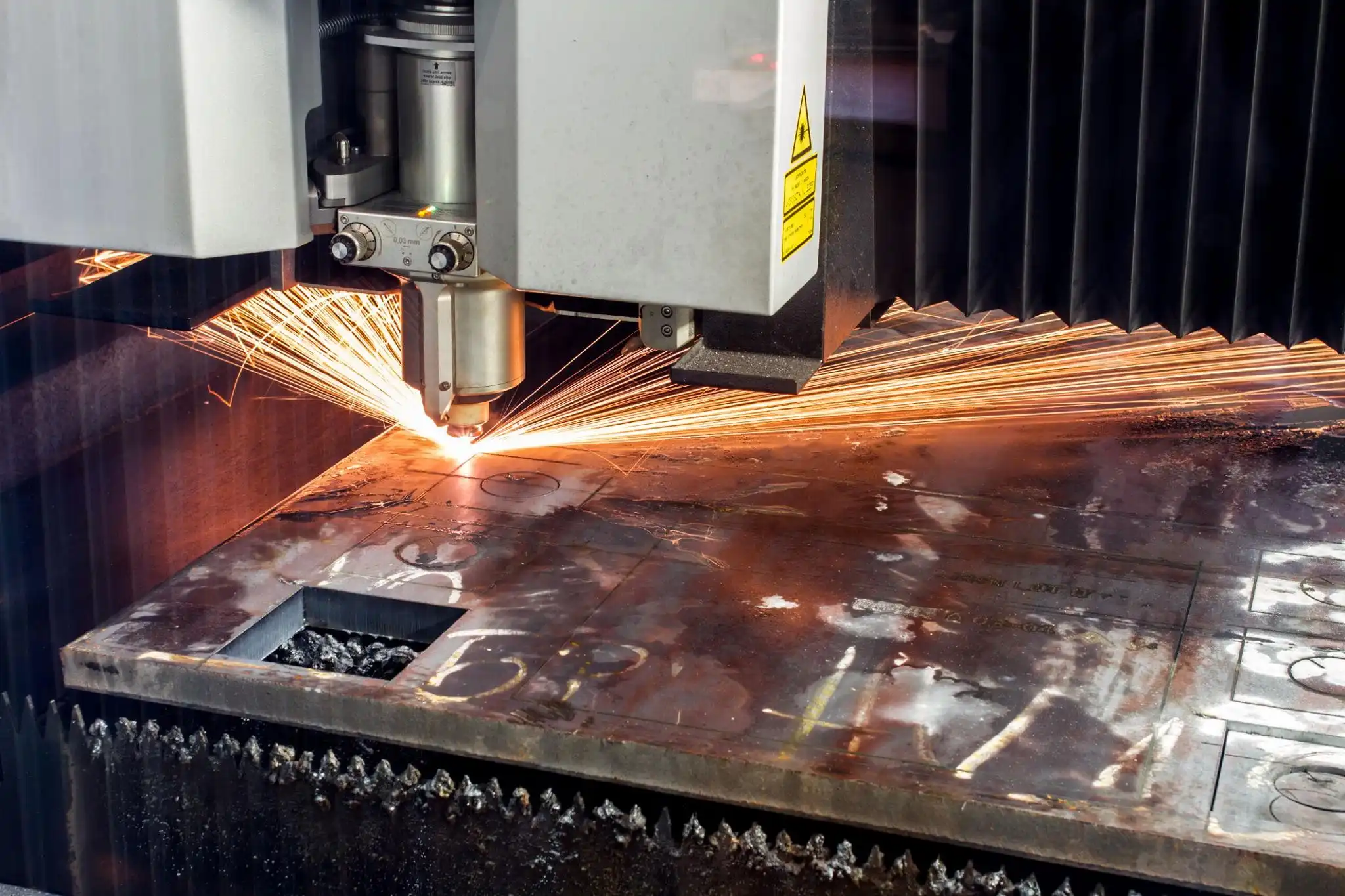
Solid-state laser sources that boost light through rare-earth-doped optical wires are what fiber laser cutting machine devices are based on. When electricity excites these fibers, they send out focused infrared beams with a wavelength of about 1064 nanometers. This directed energy quickly heats the material to the point where it melts or evaporates, making narrow kerfs with few areas that are touched by heat. Knowing this principle helps workers understand why changes in power have a direct effect on the depth of penetration and cutting ability of the material.
Components That Control Speed and Power
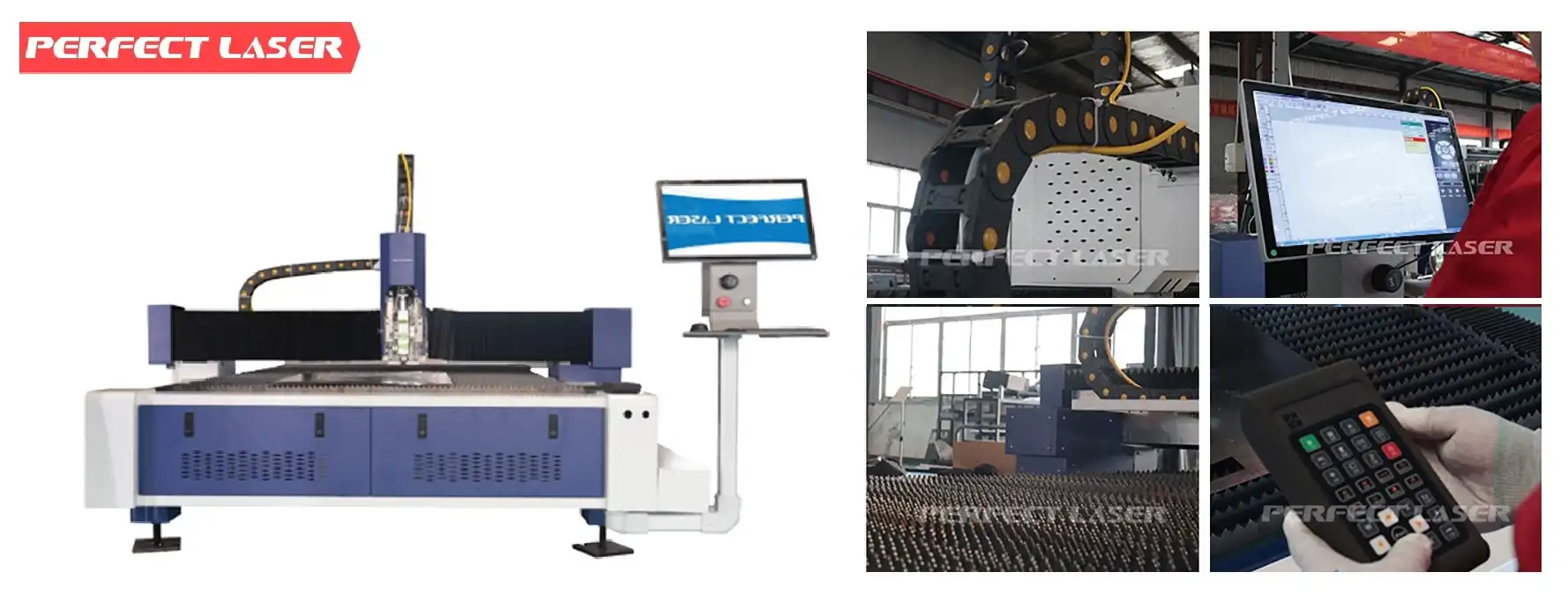
CNC control systems are like the brains of machines; they take digital designs and turn them into exact motion orders. The laser source, which can be anywhere from 1500 to 6000 watts in commercial settings, is what does the cutting. Cutting heads with focusing lenses focus beams so they are very accurate, and help gas systems move molten material out of the way of the cut. All of the parts work together to make the speed and power sets actually cut metals like aluminum, carbon steel, and stainless steel.
Safety Protocols During Parameter Adjustments
Make sure that safety barriers stay closed and interlock systems work properly before you change any settings. High-power lasers are very dangerous, and they can even cause fires. These days' machines have emergency stop keys, beam shutters, and warning systems that go off when certain factors go over safe limits. When doing repair or test cuts during calibration sessions, operators should make sure they have the right safety gear on and follow lockout-tagout processes.
Common Challenges When Adjusting Speed and Power
Material-Specific Parameter Requirements
When laser energy hits carbon steel, it reacts differently than when it hits stainless steel or aluminum. To fully penetrate thicker plates, you need to use more power and cut more slowly. On the other hand, to avoid burn-through, you need to cut small sheets quickly with less power. Material reflection is also important. For example, because aluminum has a high reflectance, wavelengths and power levels need to be thought about and changed in ways that are different from low-carbon steel uses. When purchasing tools, teams must look at these material diversity needs as they assess the fiber laser cutting machine's abilities.
Quality Defects From Incorrect Settings
When there is too much dross along the sides of cuts, it means that the parameters are out of whack and the molten material won't come out easily. Thermal warping happens when the amount of heat applied is higher than the material's ability to release it. This is especially problematic for thin-gauge metals used in the transportation industry. When penetration isn't full, material stays partly connected, which requires expensive extra work. These flaws have a direct effect on the production rate in making heavy machinery, where the accuracy of the parts decides how well they fit together and how strong the structure is.
Environmental Variables Affecting Consistency
Changes in the ambient temperature affect how well the cooling system works, which could make the laser power less stable. Levels of humidity change the qualities of help gases and the conditions of the material's surface. Over time, machine wear changes the accuracy of mechanical setting, causing differences between the cutting lines that were planned and those that were actually used. To keep output constant across a wide range of job requirements, commercial fabrication shops that work with a wide range of clients must keep these factors in mind by performing regular calibration checks and environmental controls.
Step-by-Step Guide to Adjust Fiber Laser Cutting Speed and Power
Assess Material Characteristics Thoroughly
Before starting any setup, make sure you know the type of material, its thickness, and its state. Instead of depending on nominal specs, measure the actual thickness with calipers. This is because material sources sometimes deliver goods that are not within the limits that were stated. Look for surface coats, rust, or other things that can change how fast the fiber laser cutting machine can absorb light. This evaluation is the basis for all following parameter choices, and it keeps production runs from wasting time on trial-and-error.
Select Appropriate Power Levels
Finding the right laser power for the job makes sure that both quality and effectiveness are met. For cutting speeds that are reasonable, steel plates that are more than 20 millimeters thick usually need the most power that is available, which is usually 3000 to 6000 watts. Materials that are 5 to 15 millimeters thick work well with settings that are in the middle, between 2000 and 4000 watts. When cutting thin sheets less than 3 millimeters thick, the power needs to be carefully lowered so that the edges don't get worse and melt too much. Machines with wide power control ranges that can fit a variety of component specs are useful for companies that make industrial systems.
Calibrate Cutting Speed Parameters
Power settings work with speed settings to get the best cut quality and economy. High speeds improve output, but they may not go all the way through thick materials. Lower speeds make sure that the material melts completely, but they may also add too much heat, which can cause warping. Reference material files give workers a starting point for speeds, but they should still do test cuts to make sure the settings are correct. Watching how the cutting edge looks during tests shows whether increasing or decreasing speed will lead to better results.
Conduct Test Cuts Before Production
Don't commit to full production runs until you've checked the settings with sample cuts. Choose sample parts of the material and run short cut paths with the suggested settings. Check the sides for dust buildup, consistent kerf width, and straightness. Check the correctness of the measurements against the plan requirements. This step of confirmation stops expensive material waste and rework, which is especially helpful for business fabricators who work with custom orders that have tight tolerances and different shapes.
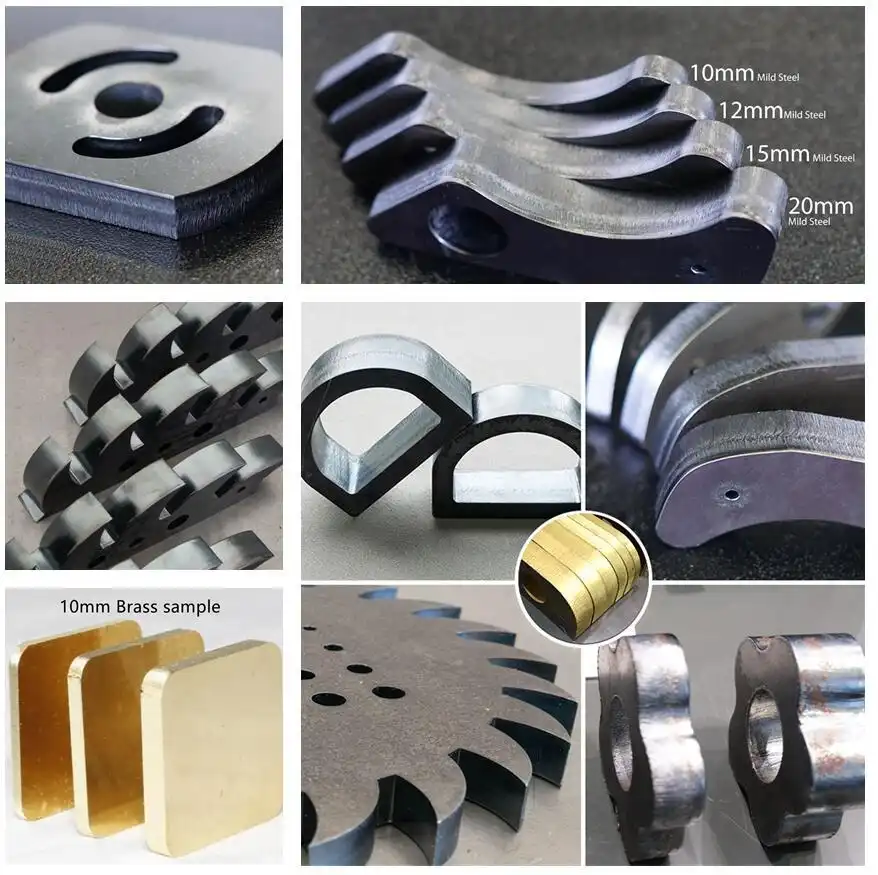
Here are the core advantages Perfect Laser equipment brings to this adjustment process:
- Low Operation Cost: Energy-efficient fiber sources from IPG, Raycus, Max Phoenix, JPT, and N-Light reduce electricity consumption during extended production cycles.
- High Cutting Speed: Advanced beam delivery systems enable rapid parameter responsiveness for quick transitions between job specifications.
- High Cutting Accuracy: Precision motion controls maintain tight tolerances even when adjusting speeds across complex cutting paths.
- Dynamic Laser Focusing System: Automatic focus adjustments compensate for material thickness variations, simplifying operator workload during parameter changes.
- Automation and Ease of Use: Intuitive control interfaces streamline speed and power adjustments, reducing setup time for high-mix production environments.
These advantages directly address the operational challenges faced by heavy machinery manufacturers requiring consistent performance across thick steel plates and transportation fabricators demanding burr-free edges on body panels.
Monitor Performance Indicators Continuously
During production, keep an eye on key measures like cut quality scores, cycle times, and help gas consumption rates. Modern CNC controls keep records of the past values of parameters. This lets workers find patterns of drift before they hurt the quality of the output. Set accepted amounts for each sign and set up alert systems that will let you know when something is out of the ordinary and needs to be changed. This proactive tracking method keeps operations running smoothly in high-volume settings like those used in making appliances and business fabrication.
Comparison of Fiber Laser Cutting Speed and Power Adjustments with Other Technologies
Fiber Versus CO2 Laser Systems
When compared to CO2 systems, fiber technology is much more efficient with electricity, turning about 30% of the energy that goes into it into light output. This efficiency means that the parameters respond more quickly. For example, fiber sources reach full power almost instantly, while CO2 tubes need time to warm up. When the speed of a fiber laser cutting machine system is changed, the cutting changes right away, but CO2 equipment takes longer because of how gases move. Maintenance needs are very different for different types of equipment. For example, fiber sources need very little attention, while CO2 mirrors and gas mixing control need a lot.
Advantages Over Plasma Cutting
Plasma systems are great at cutting through thick materials, but they aren't as accurate as laser systems. Heat-affected zones from plasma arcs are several millimeters wide, which means they pose distortion risks that are too high for making accurate parts. Changing the speed and power of plasma tools has a big effect on the cut width, which makes quality control harder. Fiber lasers keep their kerfs small no matter what power setting is used. This keeps the dimensions accurate, which is important for parts of transportation vehicles and industrial tools that need to fit perfectly.
Variations Among Laser Source Brands
IPG laser sources are the most common type used in high-reliability situations and have been shown to last more than 100,000 operating hours. Raycus offers options that are both affordable and have competitive performance specs that can be used in business fabrication settings. Max Phoenix and JPT sources are in the middle, balancing the prices of investing with their operational skills. N-Light specializes in high-power uses with more than 6000 watts of power for specific industry needs. Understanding these distinctions helps procurement specialists align equipment investments with specific production demands and budget constraints.
Maintenance Tips to Sustain Optimal Speed and Power Performance
Optical Component Cleaning Schedules
Regular maintenance of the laser cutting machine is essential because protective windows and focused lenses pick up dust and debris from the cutting process, which lowers the quality of the beam and makes power supply less effective over time. Do eye checks every day and cleaning once a week using allowed solvents and materials that don't gather lint. Laser energy is scattered by contaminated optics, so more power is needed to keep cutting performance at a high level. This gives the false idea that the fiber laser cutting machine source output is decreasing. Cleaning it on a regular basis keeps the power levels where they should be and the accuracy of the measurements between the speed and power settings.
Calibration and Software Maintenance
Set up calibration events every three months to check the accuracy of the positioning, the regularity of the power output, and the functioning of the sensors. When equipment makers release new software changes, it often comes with better cutting files that include parameter suggestions that are designed for a wider range of materials. By offering proven default settings that cut down on trial-and-error adjustment cycles, these updates make operators more productive. Documenting calibration data makes past records that can be used to figure out why performance is going down and plan preventative maintenance.
Laser Source Service Requirements
Fiber laser sources don't need as much care as older technologies, but they should be serviced by a professional every so often to make sure they keep working well. Qualified techs check the cooling system, electrical connections, and output steadiness across the full power range once a year. At these service times, operating problems can be talked over with experts, who can then suggest ways to improve parameters based on their knowledge of the application as a whole. Establishing service relationships with experienced providers like Perfect Laser ensures access to technical support when adjusting parameters for challenging materials or unusual production requirements. Integrating these maintenance practices into operational protocols delivers measurable benefits. Equipment downtime decreases as components operate within design specifications, while consistent parameter performance reduces quality variation across production batches. The investment in preventive maintenance generates returns through extended equipment lifespan and preserved cutting capabilities, particularly valuable for heavy machinery manufacturers operating equipment through multiple shifts and transportation fabricators maintaining tight production schedules.
Conclusion
To master making changes to the speed and power of fiber laser cutting machine tools, you need to know how it works, be aware of typical problems, and use systematic ways to improve performance. Ideal parameter choices are affected by the properties of the material, the machine's powers, and the surroundings. Regular repair keeps the accuracy of the measurements and makes sure that the machine works the same way for long periods of time. When you compare fiber laser to other technologies, you can see that it has advantages in terms of accuracy, speed, and how quickly adjustments can be made. These advantages are useful in many types of manufacturing, from heavy machinery to business fabrication.
FAQ
1. How often should speed and power settings be adjusted?
Changes to the parameters rely on how often the materials in your production plan change. When operators switch between metals or sizes, they need to change the settings for each one. When the same specs are used for multiple production runs, the parameters stay stable for a long time. They only need to be adjusted when cut quality indicators show that the calibration is drifting or when yearly temperature changes affect how well the cooling system works.
2. What risks come from improper power levels?
Too much power can be dangerous for safety reasons, like the possibility of a fire from burning material being thrown out or damage to machine parts from too much heat. When there isn't enough power, cuts aren't finished, which costs a lot to fix and takes longer to make, which hurts the speed of industry. Both ends hurt the quality of the cut edge by adding burrs and heat distortion that affect the next steps in the assembly process and the performance of the finished product.
3. Do software upgrades improve parameter control precision?
These days' controlling software has machine learning algorithms that improve setting suggestions by collecting cutting data. Updates make user displays better, which makes it easier to make changes and lowers the need for operator training. Advanced models have automatic parameter optimization features that look at real-time cutting feedback and offer improvements. This is especially helpful for business fabricators who have to handle a lot of different custom orders with different requirements.
Partner With Perfect Laser for Advanced Cutting Solutions
Perfect Laser makes industrial fiber laser cutting machine equipment with power levels from 1500 to 6000 watts that is designed to handle tough metal manufacturing tasks. Our tools work very well with carbon steel, stainless steel, and mild steel. They use well-known laser sources like IPG, Raycus, Max Phoenix, JPT, and N-Light to do their jobs. Our wide range of tools can meet all of your needs, whether you need to work with flat sheets or need to be able to cut tubes for round pipes and square shapes. Our engineering team can help you come up with parameter improvement methods that are perfect for your materials and production needs. We help people decide what to buy by showing them examples of products, trying them in real-world situations, and writing up scientific information that makes equipment's capabilities clear. Maintenance support and testing services make sure that equipment keeps working well for as long as it's used. Connect with our specialists at [email protected] to discuss how Perfect Laser fiber laser cutting machine supplier partnerships deliver competitive advantages through superior technology and responsive technical support.
References
1. Chryssolouris, George. Laser Machining: Theory and Practice. Springer-Verlag, 1991.
2. Steen, William M., and Jyotirmoy Mazumder. Laser Material Processing. 4th ed., Springer, 2010.
3. Powell, John. CO2 Laser Cutting. 2nd ed., Springer-Verlag, 1998.
4. Ion, John C. Laser Processing of Engineering Materials: Principles, Procedure and Industrial Application. Elsevier Butterworth-Heinemann, 2005.
5. Kannatey-Asibu, Elijah. Principles of Laser Materials Processing. John Wiley & Sons, 2009.
6. Dahotre, Narendra B., and Sandip P. Harimkar. Laser Fabrication and Machining of Materials. Springer, 2008.

share your inquiry, get the quotation accordingly.
第一张审核员说包含其他公司不能用_1755049724891.webp)
Perfect Laser – Global Manufacturer of Reliable Laser Solutions


