How to Choose a Trusted Automatic Glass Cutting Machine Supplier
Choosing the right automatic glass cutting machine supplier can define your production success or lead to costly disruptions. The ideal partner delivers precision equipment, transparent pricing, and reliable after-sales support. This guide walks you through essential criteria to evaluate suppliers, from technical capabilities to long-term service commitments, ensuring you invest wisely and maintain operational efficiency.
Understanding the Decision Scenario: Why Choosing the Right Supplier Matters
Selecting an automatic glass cutting machine supplier isn't just about buying equipment—it's about securing a partnership that safeguards your production timeline and product quality. Many procurement managers face challenges like inconsistent machine performance, delayed shipments, and hidden costs that strain budgets and disrupt manufacturing schedules. When a supplier fails to deliver on promises, your entire operation suffers.

Quality irregularities speak to a noteworthy risk. A machine that can't keep up cutting accuracy underneath ±0.25mm per meter will squander costly glass materials and harm your notoriety with clients. Postponed conveyances amplify extend timelines, particularly when you're scaling up generation or satisfying pressing orders. Startling costs—whether for save parts, preparing, or retrofitting—can rapidly dissolve benefit margins.
Evaluating key provider measurements gets to be basic. Unwavering quality implies reliable machine execution sponsored by unquestionable testing information. Item advancement reflects a supplier's commitment to joining progressed CNC control frameworks, servo engines, and shrewdly optimization computer program. Responsive after-sales back minimizes downtime through quick save parts conveyance, specialized investigating, and administrator preparing programs.
Different client sections have unmistakable needs. OEM producers require customization capabilities to coordinate particular glass sorts and generation volumes. Wholesalers require consistent supply chains with unsurprising lead times and adaptable arrange amounts. End-users prioritize support availability, guarantee terms, and neighborhood specialized bolster. Recognizing these contrasts makes a difference you inquire the right questions amid provider assessments and adjust desires from the outset.
Key Criteria to Screen and Compare Automatic Glass Cutting Machine Suppliers
A organized screening approach spares time and diminishes hazard when assessing potential providers. Or maybe than depending exclusively on showcasing materials, burrow into irrefutable execution markers that specifically affect your operations.
Product Quality and Technical Capability
Material versatility decides whether a machine handles your particular necessities. Can it cut engineering glass at 6mm thickness and ultra-thin wafer glass at 0.15mm with rise to exactness? Does it oblige differing materials like corrective reflect glass, furniture glass, and photovoltaic glass without visit recalibration? Cutting exactness characterizes item consistency. See for frameworks utilizing imported German Bole cut wheels with multi-knife synchronous cutting capability, Taiwan TBI straight guides, and ball screw components that minimize frictional resistance. These components guarantee repeatability over thousands of cuts, lessening squander and rework.
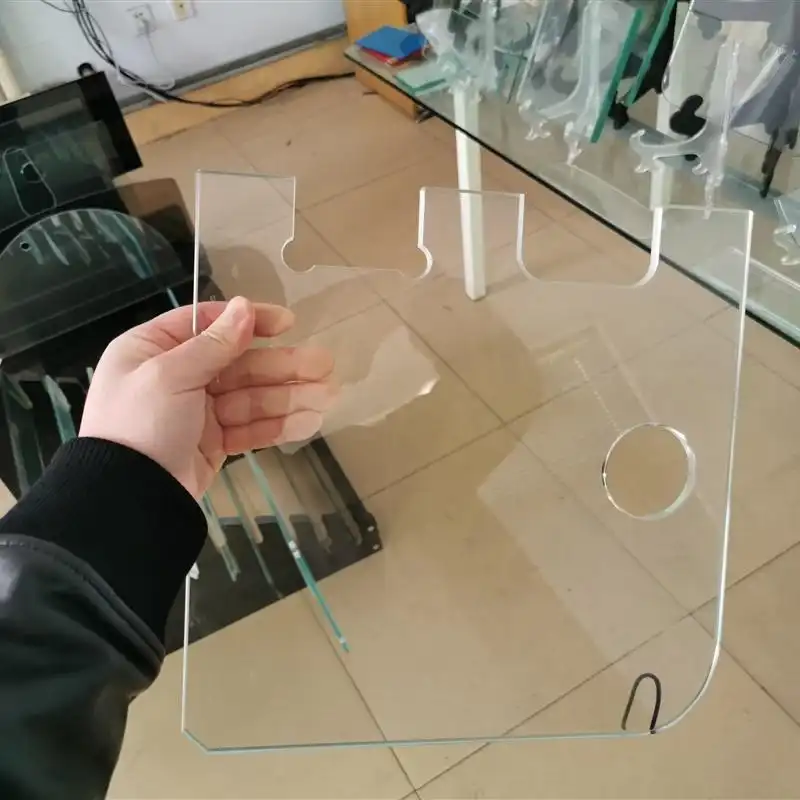
Technology integration isolates present day providers from obsolete ones. CNC control frameworks with CAD mapping empower complex shapes past straight lines—circular designs, outsider cuts, and custom plans gotten to be achievable. Human-machine interfacing with energetic show following and Z-axis programmed arrangement disentangle operation whereas making strides exactness. Inquire providers to illustrate these highlights during CNC glass cutting machine trials or maybe than tolerating limited time claims.
Pricing Transparency and Total Cost of Ownership
Initial buy cost speaks to as it were portion of your venture. Calculate add up to fetched of possession by counting consumables, vitality utilization, support costs, and potential downtime costs over a five-year period. A machine with stepper engines or servo engines that employments less consumables and keeps up moo working costs will beat cheaper choices with covered up expenses. Flexible financing choices matter, particularly for businesses overseeing cash stream. Does the provider offer renting courses of action, bulk arrange rebates, or organized installment terms? Guarantee scope ought to expand past essential mechanical disappointments to incorporate electrical components, computer program overhauls, and specialized bolster access. Transparent estimating builds believe. Ask itemized cites that isolated machine costs from establishment, preparing, save parts units, and amplified guarantee alternatives. This clarity anticipates shocks and permits exact budget planning.
After-Sales Service and Support Infrastructure
Installation quality impacts long-term execution. Proficient establishment incorporates appropriate leveling, calibration, and beginning administrator preparing. Providers advertising on-site commissioning illustrate commitment to your victory or maybe than seeing the exchange as total upon delivery. Training programs guarantee your group maximizes machine capabilities. Comprehensive preparing covers fundamental operation, investigating common issues, preventive upkeep plans, and program optimization procedures. Hands-on hone with your genuine generation materials builds certainty quicker than nonexclusive demonstrations.
Spare parts accessibility anticipates amplified downtime. Confirm that basic components—knife wheels, straight guides, control boards—stock locally or dispatch inside 48 hours. Territorial bolster systems with professionals who get it your hardware decrease reaction times amid emergencies. Communication channels matter amid emergencies. Does the provider give 24-hour online bolster, phone interview, and inaccessible diagnostics? Building up these conventions some time recently issues emerge guarantees quicker determination when generation weight peaks.
Supplier Reputation and Verification
Certifications validate compliance with international standards. CE certification confirms safety and electromagnetic compatibility for European markets. TUV and SGS certificates demonstrate quality management systems that produce consistent results. These aren't just paperwork—they represent audited processes that protect your investment. Client testimonials provide real-world performance data. Request references from companies in similar industries processing comparable glass types. Speaking directly with current users reveals insights about reliability, service responsiveness, and long-term satisfaction that marketing materials can't capture. Authorized dealer networks indicate established market presence. Suppliers with distribution partnerships across multiple regions typically maintain higher service standards and inventory availability compared to single-location operations.
Analyzing Supplier Types and Their Market Presence
Understanding supplier categories helps match capabilities with your operational needs. Different supplier types offer distinct advantages depending on your production scale, customization requirements, and risk tolerance.
Geographic Manufacturing Strengths
Chinese manufacturers like Perfect Laser combine cost efficiency with advancing technology. Since 1995, Perfect Laser has developed over 300 machine types across 20 series, earning 63 national patents through dedicated R&D centers. Their automatic glass cutting machine models like the PEG-8080 integrate imported components with proprietary software, delivering performance comparable to premium brands at competitive pricing. Precision engineering and advanced automation are important to American and Japanese manufacturers. Extreme precision is their specialty in semiconductor and aerospace applications, but they cost more. Companies with rigorous market requirements choose European suppliers for regulatory compliance and certification.
Dealer and Distribution Models
Authorized dealers guarantee authentic parts, factory-trained technicians, and warranty validity via direct manufacturer contacts. They're great for stable service infrastructure and regional partnerships. OEM manufacturers may customize machinery to individual needs. This is important when normal setups don't meet glass kinds, manufacturing quantities, or facility limits. Direct manufacturer interaction expedites technical discussions and change clearances. Third-party distributors offer equipment when manufacturers are regionally absent. While giving reasonable price on older models or reconditioned equipment, ensure warranty transfer and service support.
Matching Supplier Scale to Business Needs
Supply chains with variable order amounts, modular systems, and progressive capacity increase assist small businesses. Adjustable work tables—anti-special board, aluminum, or marble—allow machines to adjust to changing product mixtures without considerable expenditure. Industrial operations demand high-volume manufacturing, strong performance, and automation integration. Find providers with loading arms, pneumatic breaking tables, and multi-head cutting systems that optimize productivity and experience with comparable production sizes.
Practical Steps to Verify and Finalize Your Supplier Choice
Due diligence separates confident decisions from expensive mistakes. Implement these verification steps before committing to a supplier partnership.
Conduct Thorough Factory and Product Audits
Factory visits reveal production capabilities beyond promotional materials. Observe quality control processes, testing equipment like Co2 laser meters and AC variable voltage power emulators, and manufacturing cleanliness. These factors directly impact machine reliability. Virtual tours work when travel isn't feasible, but request live video allowing you to direct camera angles and ask questions in real time. Pre-recorded presentations hide critical details.
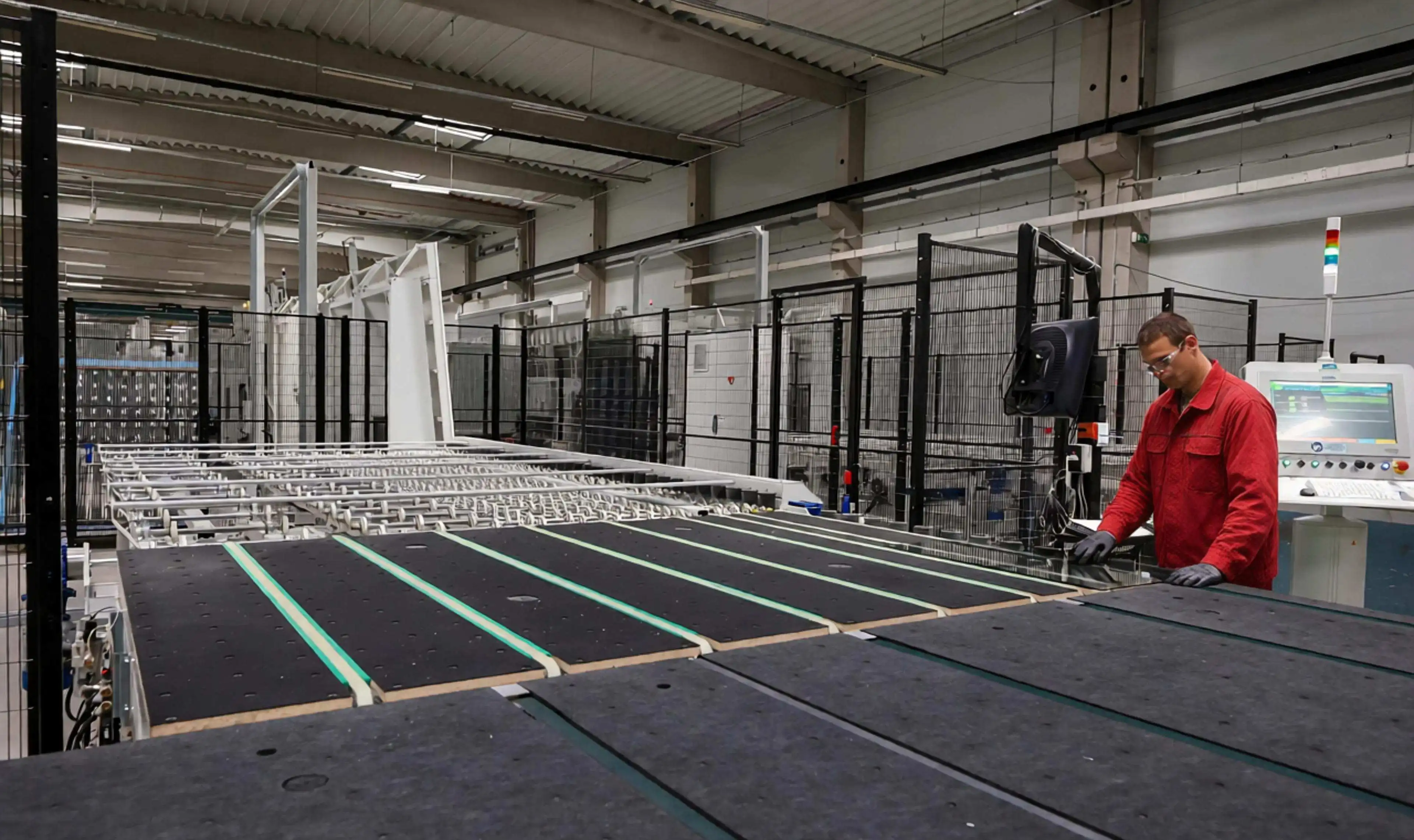
Machine demonstrations should use your actual glass samples under realistic production conditions. Test cutting precision on ultra-thin 0.15mm glass, circular patterns, and alien shapes. Measure actual cutting speeds, knife wheel lifespan, and system responsiveness during complex programs. Reference checks within your industry validate supplier claims. Contact companies processing similar glass types and volumes. Ask about unexpected challenges during installation, service response times during breakdowns, and whether machines met performance promises after six months and two years of operation.
Negotiate Comprehensive Terms and Protections
Manufacturing lead time, shipping time, customs clearance, and installation schedule affect delivery times. Project planning should include buffer periods, particularly for new product lines requiring equipment. Mechanical components, electrical systems, software, and consumables should have varied warranty durations. Ask whether warranty covers labor, technician travel, and loaner equipment for protracted repairs. Specifications are needed for installation and training. Many operators are trained? Topics covered? Does the product include sophisticated programming or basic operation? Comprehensive training eliminates expensive production ramp-up errors.
Financing models like leasing reduce upfront capital requirements while preserving cash for materials and labor. Bulk discounts apply when purchasing glass cutting machine or combining glass cutting equipment with complementary systems. Negotiate payment terms aligning with your cash flow cycles rather than accepting standard conditions. Intellectual property protections matter when transferring proprietary designs or production techniques. Establish confidentiality agreements preventing suppliers from sharing your specifications with competitors or using your innovations in other products.
Plan for Smooth Integration and Ongoing Partnership
Operator training continues after installation. When your team has output issues after three months, schedule refresher workshops. As operators acquire expertise, advanced optimization, troubleshooting, and preventative maintenance training is beneficial. Regular maintenance avoids failures. Set inspection, lubrication, and component replacement schedules with suppliers. Prevention is cheaper than emergency repairs and extends equipment life. Continuous communication helps fix issues rapidly. Set technical support, replacement parts, and software update contact procedures. At regular check-ins, suppliers offer new optimization methods, industry best practices, and impending technological developments that benefit your business.
Conclusion
Choosing a trusted supplier for an automatic glass cutting machine requires balancing technical specifications, service capabilities, and long-term partnership potential. Successful purchase selections depend on product quality, price transparency, after-sales assistance, and verifiable reputation. Supplier capabilities should match your company size, customized demands, and operational requirements to guarantee equipment investments provide desired returns. Your company will flourish with strategic collaborations with recognized manufacturers like Perfect Laser, who provide extensive service networks, proven technology, and quick customer support. Through factory audits, machine demos, and reference checks, you may avoid expensive errors and establish trust in your equipment decisions.
FAQ
1. What precision should I expect from a quality automatic glass cutting machine?
Professional CNC glass cutting equipment should achieve accuracy below ±0.25mm per meter for diagonal cuts. Machines using precision racks, linear guides, and ball screws minimize frictional resistance while maintaining consistency across thousands of cutting cycles. The PEG-8080 model employs servo motors and imported knife wheels to deliver this precision on materials ranging from 0.15mm to standard architectural thickness.
2. How important is after-sales support when selecting a supplier?
After-sales service determines operational continuity during equipment issues. Comprehensive support includes installation assistance, hands-on training for operators, accessible spare parts inventory, and responsive technical consultation. Suppliers with regional networks resolve problems faster than those requiring international parts shipping or remote-only diagnostics. Verify support availability before purchase to avoid extended downtime.
3. Can one machine handle different glass types and thicknesses?
Modern automated systems adapt to diverse materials through adjustable knife pressure, programmable cutting speeds, and customizable work surfaces. Quality machines process architectural glass, cosmetic mirrors, furniture panels, wafer glass, and photovoltaic materials without extensive reconfiguration. Confirm material compatibility during demonstrations using your actual production samples to ensure the system meets specific requirements.
Partner with Perfect Laser for Reliable Glass Cutting Solutions
Perfect Laser stands as a trusted automatic glass cutting machine manufacturer with nearly three decades of innovation serving global industries. Our PEG-8080 model combines imported German Bole knife wheels, Taiwan TBI linear guides, and advanced CNC control systems to deliver cutting precision on materials from 0.15mm ultra-thin wafer glass to thick architectural panels. We've earned CE, TUV, and SGS certifications while securing 63 national patents through dedicated R&D centers focused on continuous improvement.
Our service commitment extends beyond equipment delivery. We provide 24-hour online consultation, comprehensive operator training, rapid spare parts delivery, and two-year warranties on marking machines with one-year coverage on larger systems. Whether you're processing cosmetic mirror glass, furniture components, or photovoltaic materials, our customizable work tables and multi-knife cutting capability adapt to your production requirements. Contact our team at [email protected] to discuss how our automatic glass cutting machine solutions can optimize your manufacturing operations with confidence and reliability.
References
1. Glass Magazine, "Automation Advances in Glass Fabrication Technology," National Glass Association Industry Report, 2023.
2. Manufacturing Engineering Journal, "CNC Control Systems for Precision Material Cutting," Society of Manufacturing Engineers Technical Publication, 2022.
3. International Journal of Advanced Manufacturing Technology, "Comparative Analysis of Glass Cutting Methods and Equipment Performance," Springer Industrial Research Series, 2023.
4. Industrial Machinery Digest, "Evaluating Supplier Partnerships in Capital Equipment Procurement," Thomas Publishing Company, 2022.
5. Glass Processing and Technology Review, "Quality Standards and Certification Requirements for Automated Glass Cutting Systems," European Glass Industry Association, 2023.
6. Production Management Quarterly, "Total Cost of Ownership Models for Manufacturing Equipment Investment Decisions," American Production and Inventory Control Society, 2022.

share your inquiry, get the quotation accordingly.
第一张审核员说包含其他公司不能用_1755049724891.webp)
Perfect Laser – Global Manufacturer of Reliable Laser Solutions


