How to Choose Laser Power for Laser Rust Removal Machines?
Choosing the right laser power for your laser rust removal machine relies on how you want to clean, how thick the material is, and where the machine will be used. Power runs from 100W for sensitive equipment to 2000W or more for heavy manufacturing in industrial settings. The key is to match the laser's strength to the seriousness of the rust while taking into account things like the substrate material, the coating thickness, and the speed at which you want to clean. Higher power speeds up processing, but it also uses more energy and costs more for tools. On the other hand, lower power gives you more precise control, which is great for sensitive parts but might not work well with thick levels of rust.
Understanding Laser Power in Rust Removal Machines
The power of the laser is a key factor in how well and quickly industrial cleaning processes work. When looking at a laser rust removal machine, it's important to know how much power it needs so you can make an informed purchase choice that fits your needs.
Power Ratings and Their Applications
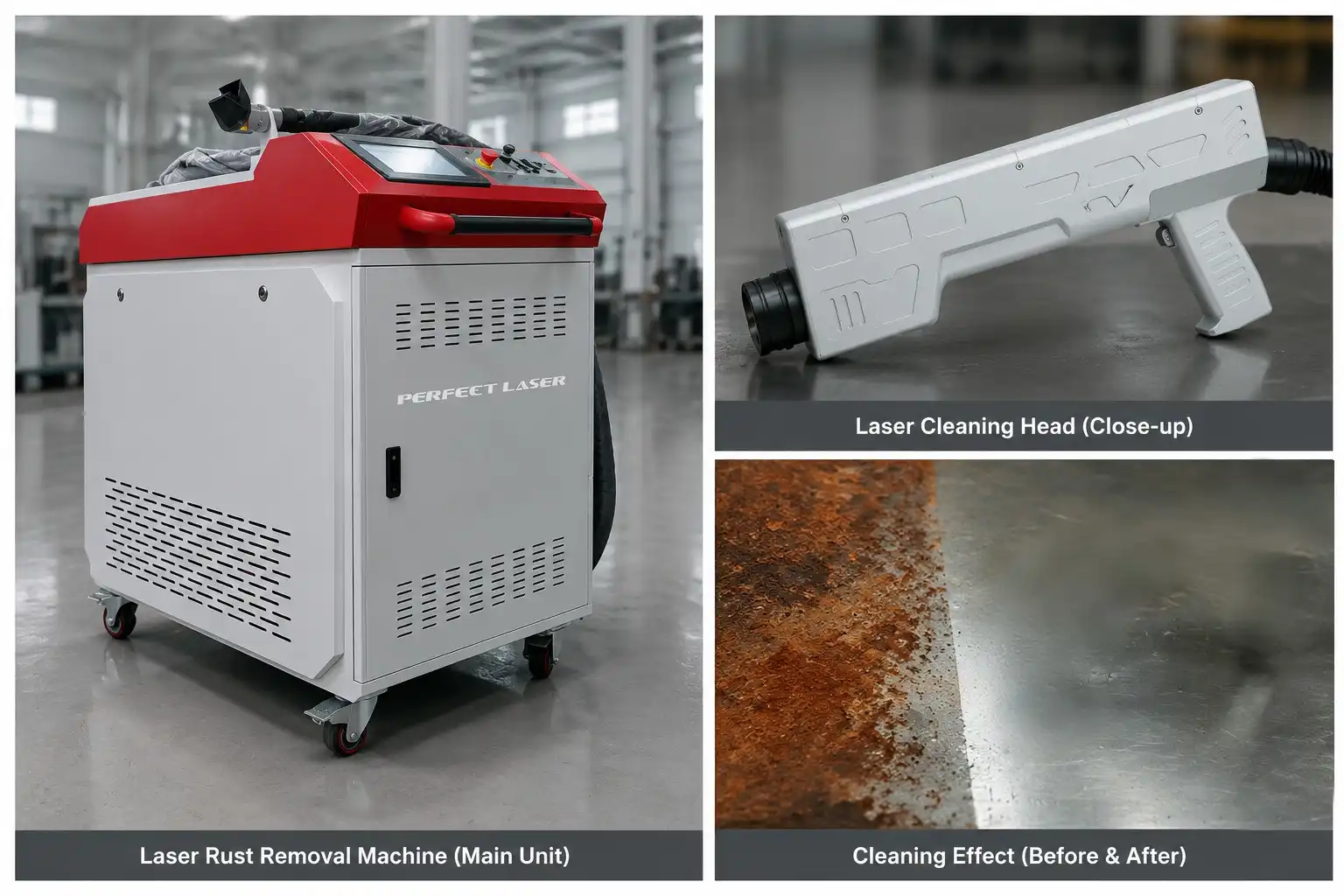
Handheld 100W laser cleaners to industrial-grade 3000W+ fixed systems are the main types of laser cleaners. Low-wattage tools are great for cleaning precisely where protecting the base is very important. Light rust, surface contaminants, and cleaning delicate parts are all easily handled by these units without the risk of heat damage. Most industrial tasks work best with units that have a power range of 500W to 1500W. They have a high enough energy density to get rid of modest amounts of rust while keeping costs low. High-power systems that are more than 2000W are good for heavy-duty tasks that need to quickly remove material from thick rust layers.
Fiber Laser Technology Advantages
Fiber laser technology working at 1064nm range is used in most modern 1000w laser cleaner designs. This particular wavelength does a great job of absorbing light on steel surfaces while reducing heat-affected zones. Fiber lasers have better beam quality, which lets you control the focus precisely and get consistent cleaning results on a wide range of materials. Modern systems can clean intelligently because they have automatic focusing devices that keep the energy output at the right level even if the surface isn't smooth. This precise aiming makes sure that all contaminants are removed evenly while protecting the structure of the material below.
Key Factors to Consider When Choosing Laser Power
To choose the right laser power, you need to look at a lot of different practical factors that have a direct effect on how well the cleaning works and how much it costs.
Material Characteristics and Rust Severity
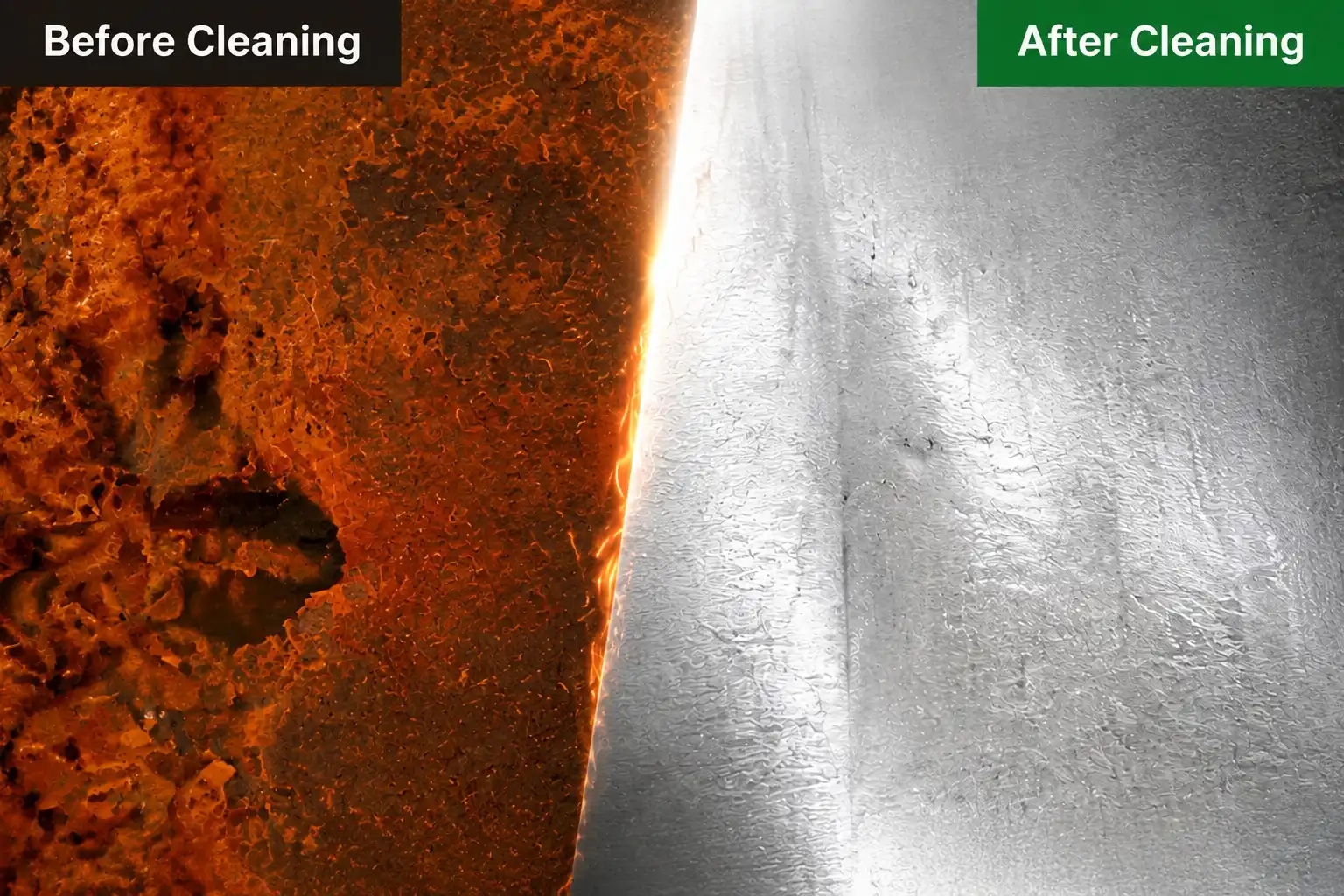
Laser energy is absorbed differently by different objects. For best cleaning results, carbon steel, stainless steel, aluminum alloys, and things made of copper all need different power levels. Heavy layers of rust need more energy than light contamination or coloring on the surface. The equipment does a great job of cleaning iron, carbon steel plates, stainless steel sheets, railroad tracks, aluminum plates, mold steel gears, steel pipes, and copper alloys, among other things. This makes it possible for workers to deal with a wide range of cleaning problems with just one system.
Production Volume and Efficiency Requirements
Higher laser power shortens run times, which is helpful in manufacturing settings that need to clean a lot of things at once. However, energy use grows in proportion to power output, which means that ongoing operating costs need to be thought about. To find the right balance between throughput needs and energy costs, work plans and power costs need to be carefully looked at. Handheld units are very portable and flexible, making them perfect for repair tasks where bigger equipment can't be used because it's hard to get to. Even though these systems are designed to be light, they still have enough power to clean effectively.
Safety and Environmental Considerations
Higher power systems need stricter safety rules, like proper eye protection, air systems, and training programs for operators. The chemical-free cleaning method gets rid of worries about how to get rid of dangerous waste while still meeting safety standards at work. Compared to traditional cleaning methods, this method is better for the environment because it doesn't need any chemical reagents, doesn't produce any gritty media trash, and uses less water. These benefits help reach goals for sustainability and might make following the rules easier.
Comparing Laser Power Choices with Other Rust Removal Methods
Traditional ways of getting rid of rust, like grinding, chemical treatments, and mechanical abrasion, have problems that laser cleaning solves. Knowing these comparative benefits helps make business choices more logical and shows how operations can be improved.
Precision and Surface Preservation
When compared to rough ways, laser rust removal machine technology gives you the most accurate results. The non-contact cleaning method gets rid of the risk of mechanical damage while still removing only certain contaminants. Operators can exactly target specific areas without affecting nearby surfaces. This means that masking and extra finishing steps are not needed as much. Chemical treatments often need a lot of work to get the area ready, neutralize the chemicals, and get rid of the trash. These problems are taken care of by laser cleaning, which also gives you quick visual proof that the cleaning worked.
Cost Analysis and ROI Considerations
Even though the original cost of the equipment may be higher than the cost of standard ways, the lower operational costs become clear after a while of use. Getting rid of things that are used up quickly, hiring fewer people, and limiting downtime all help to calculate a positive return on investment. Energy use is the main ongoing cost of doing business, so choosing the right power source is important for keeping costs down over the long term. Using power efficiently is directly linked to making money and staying ahead of the competition.
Maintenance and Operational Flexibility
System stability and ease of use are two things that define current laser cleaning tools. The systems are smart and can precisely position themselves, so the operators don't need to be very skilled to use them and the results are always the same. With flexible adjustment options, operators can find the best cleaning settings for each job without having to change the tools. This adaptability cuts down on the need for supplies while making the best use of tools for a wide range of cleaning tasks.
How to Evaluate and Select the Right Laser Rust Removal Machine
When making a purchasing choice, it's important to look at technical specs, the supplier's skills, and long-term support issues in a planned way, going beyond just comparing prices at first.
Technical Specification Analysis
Power grade is only one of many technical factors that need to be thought about. The quality of the beam, the features of the pulses, the scanning speed, and the accuracy of the focusing system all affect how well the cleaning works. The best equipment is chosen by comparing these factors to the needs of the individual purpose. The equipment can be used in many fields, such as food processing, aerospace, rail transportation, ships, tire molds, car manufacturing, electronics, and high-end machine tools. It can also be used to clean molds and restore cultural artifacts. This wide range of uses shows how flexible systems can be when they are properly designed.
Supplier Evaluation Criteria
Established makers with a history of reliability offer more guarantee of product reliability and ongoing support. Following foreign quality standards is shown by certification standards like CE marking, TUV compliance, and SGS proof. Long-term working success depends a lot on technical support services like installation help, operator training, and repair services. By checking how quick and knowledgeable a provider is, you can avoid future problems with operations.
Warranty and Service Considerations
A full guarantee that shows the maker trusts the product's dependability protects you from unexpected repair costs. Knowing about guarantee terms, service access, and how to get parts makes sure that operations can keep going. The systems are good at getting rid of oxide layers, surface oils, spots, dirt, and surface platings and coats. This all-around cleaning ability gets rid of the need for multiple specialized cleaning methods and makes operations simpler.
Case Studies and Practical Examples
Real-life examples show how choosing the right power has a direct effect on how things work in a variety of industry settings.
Heavy Manufacturing Applications
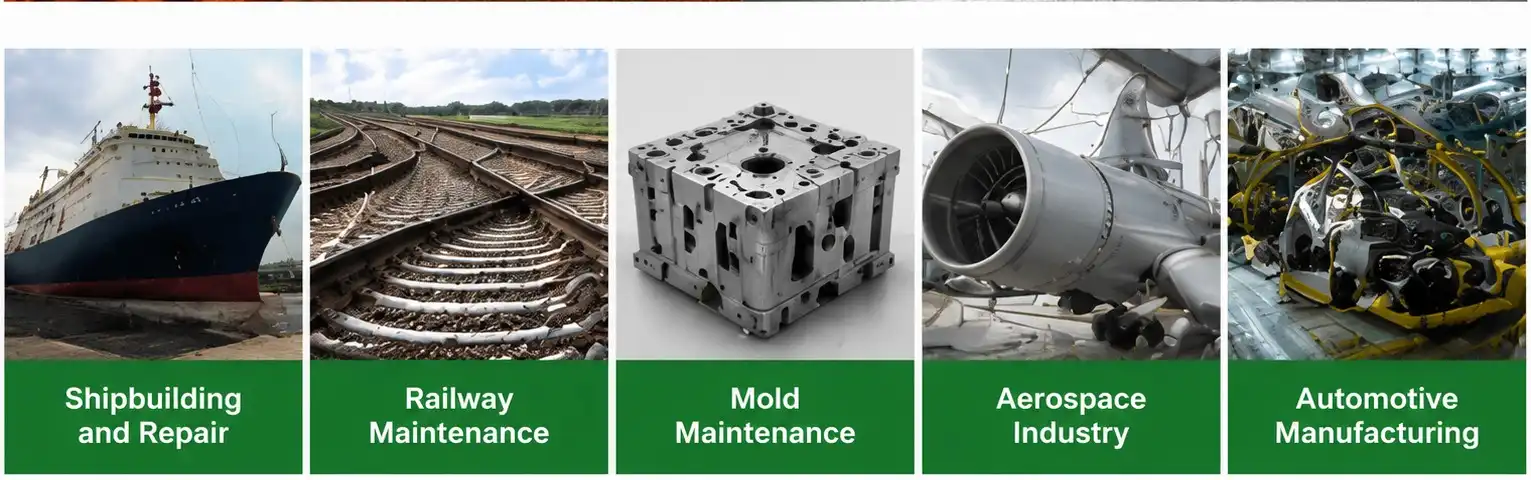
When large manufacturing companies use high-power laser rust removal machine systems for ship hull repair, they report much higher output compared to old ways of doing things. When these tasks are done, they need strong systems that can clean large amounts of surface area consistently. Processing speeds of more than 7000 mm/s make it possible to quickly clean big areas while keeping fine control over the depth of the cleaning. This mix of speed and accuracy cuts down on project timelines while still meeting quality standards for surface preparation.
Precision Component Cleaning
Applications that make electronics and semiconductors benefit from low-power systems that clean gently without damaging parts. For these uses, you need very high precision and a clean setting, which is what laser cleaning naturally offers. Medium-power devices are used for paint removal and surface preparation in aerospace component repair. Being able to exactly control cleaning factors cuts down on processing time while still meeting strict quality standards.
Mold and Tool Maintenance
Many factories say that their downtime goes down a lot when they use laser cleaning for mold care processes. The non-contact cleaning method allows cleaning to happen without removing mold, which cuts down on switching times by a large amount. Maintenance activities on tools can clean internal surfaces and complicated geometries that are hard to reach with standard methods. This feature makes tools last longer while keeping their dimensions accurate.
Conclusion
To choose the best laser power for rust removal, you have to weigh the need for cleaning against possible operating limitations and costs, including the laser rust cleaner price. Knowing about the properties of the material, the level of contamination, and the output needs lets you make smart choices that make the tools work better while keeping costs low. laser rust removal machine technology has many advantages over conventional cleaning methods, including its adaptability and environmental friendliness. Choosing the right power source is important for getting the best performance and meeting long-term operating and environmental goals.
FAQ
1. What laser power do I need for different rust severities?
For light surface rusting, 100W to 500W systems work best, and for mild rust layers, 500W to 1500W systems work best. For effective cleaning, 1500W+ systems are needed for heavy rust and thick scale removal.
2. Can higher power damage my substrate material?
No matter what power level is used, base materials are protected by systems that are set up correctly and have the right pulse settings. Modern control systems change the energy level automatically to keep heat damage from happening while still cleaning well.
3. How does the choice of power affect the cost of doing business?
The amount of energy used goes up in direct measure to the power output, but cleaning takes less time with more power. To make true cost estimates, you need to add up all of your running costs, such as energy, labor, and throughput.
Transform Your Cleaning Operations with Perfect Laser Solutions
Perfect Laser's comprehensive range of laser rust removal machine systems addresses diverse industrial cleaning challenges with proven reliability and exceptional performance. Our advanced fiber laser technology removes contaminants precisely while saving substrate materials. It can be used in a wide range of situations, from sensitive electronics to heavy manufacturing. Perfect Laser has been making products for more than 25 years, has 63 patents, and has foreign certifications from CE, TUV, and SGS. They offer reliable solutions and full professional support. Our expert engineering team can create unique power configurations, help with installation, and provide ongoing upkeep support to make sure that operations run smoothly. Contact our experts at [email protected] to get help choosing the best laser rust removal machine provider for your needs. You can also find out how our advanced cleaning technology can help your business run more efficiently while having less of an impact on the environment.
References
1. Industrial Laser Cleaning Technology: Principles and Applications in Modern Manufacturing. Journal of Manufacturing Science and Engineering, 2023.
2. Comparative Analysis of Laser Power Requirements for Metal Surface Preparation. International Conference on Advanced Manufacturing Processes, 2022.
3. Environmental Impact Assessment of Laser vs. Traditional Rust Removal Methods. Environmental Technology and Innovation, 2023.
4. Safety Guidelines for Industrial Laser Cleaning Operations. Occupational Safety and Health Administration Technical Manual, 2022.
5. Cost-Benefit Analysis of Laser Cleaning Systems in Heavy Industry Applications. Industrial Engineering and Management Review, 2023.
6. Fiber Laser Technology Advances in Surface Treatment Applications. Optics and Laser Technology International, 2022.

share your inquiry, get the quotation accordingly.
第一张审核员说包含其他公司不能用_1755049724891.webp)
Perfect Laser – Global Manufacturer of Reliable Laser Solutions


