How to Find the Right Laser Cleaning Machine Manufacturer in China
To find the best laser cleaning machine manufacturer in China, you must first know what your specific business needs are and then match those needs with a supplier's technical skills, certifications, and support systems. China makes most of the laser cleaning equipment in the world. They make everything from small handheld units to fully automated industrial systems. The key is to make sure that quality certificates are checked, that case studies are used to evaluate real-world performance, and that clear communication is maintained throughout the buying process. In the automotive, aerospace, electronics, and heavy industries, buyers should focus on manufacturers who have a track record of success in their field, offer full after-sales support, and keep up with international standards.
Understanding the Laser Cleaning Machine Market in China
In the last twenty years, China's laser technology industry has changed a lot, making the country a major supplier of equipment used for cleaning factories. This change can be seen in the laser cleaning machine market, where companies are now making complex systems that can compete with Western models at reasonable prices.
Core Technology Behind Modern Laser Cleaning Systems
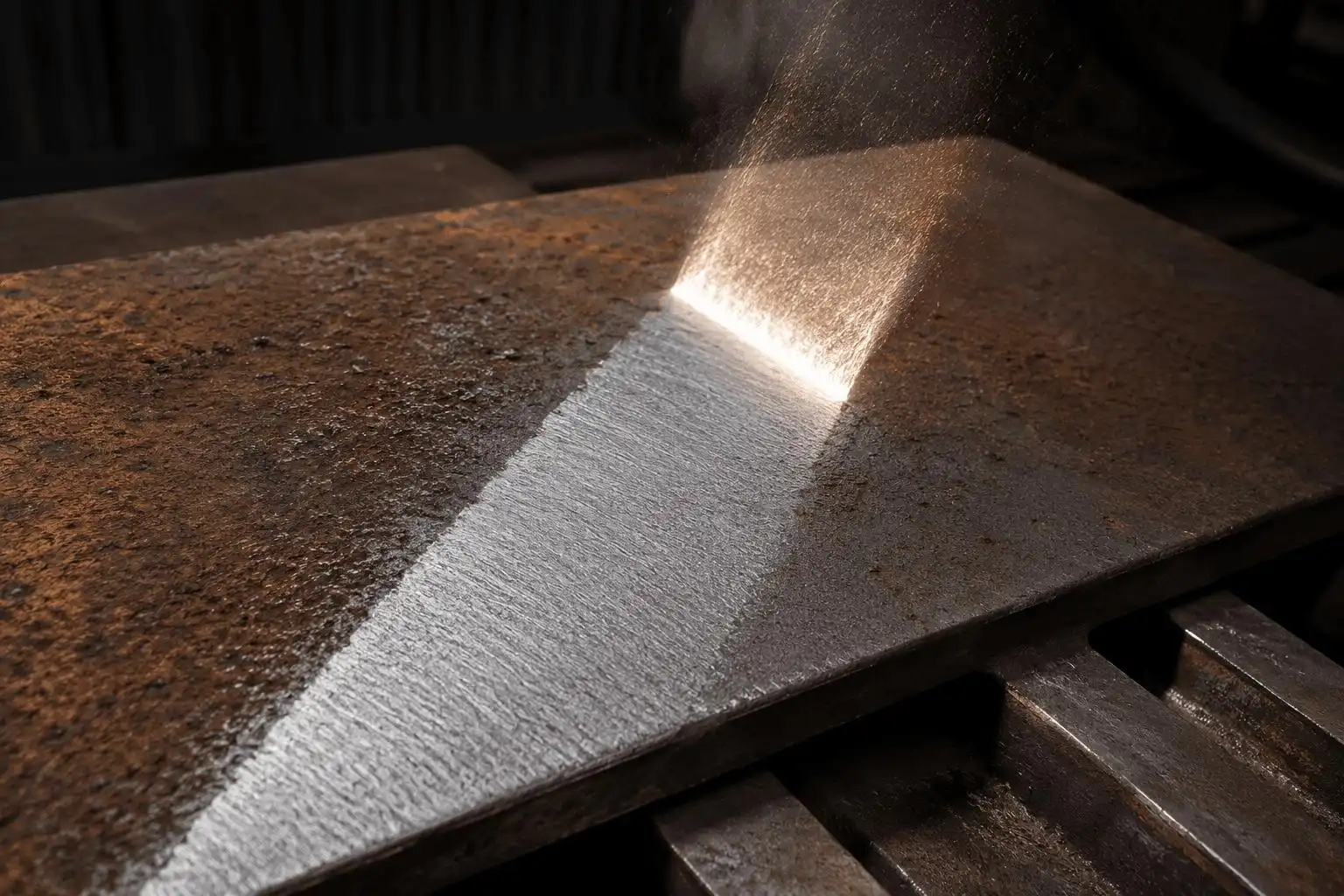
Laser cleaning works on a simple idea: high-energy laser pulses hit dirt and grime on metal surfaces, quickly heating them up and vaporizing or loosening rust, paint, oils, and oxidation without hurting the metal itself. This method doesn't touch the substrate, so it keeps its integrity. This makes it perfect for precise applications. Fiber lasers have become the most popular technology because they work well, are small, and don't need much maintenance. Fiber laser cleaning machines, on the other hand, use flexible optical fibers to send concentrated energy through the air. This means that they can be used either fixed or handheld. Pulsed laser systems use short, strong bursts of energy that are measured in nanoseconds. They give you the control you need for work with sensitive electronics or flight parts where even tiny damage is not acceptable.
Industrial Applications Driving Market Growth
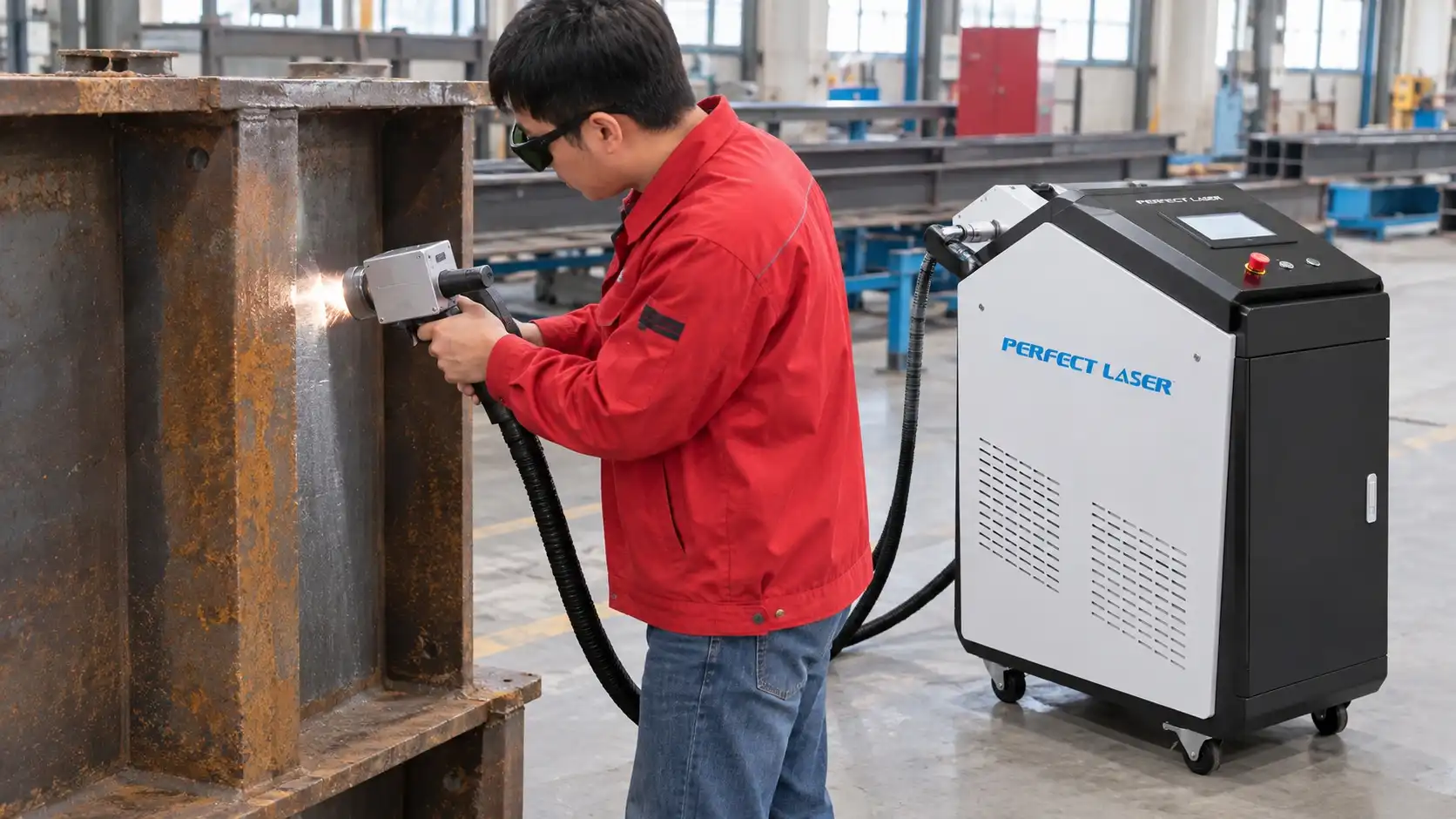
Laser cleaning machine technology is being used in factories all over the world to solve problems that traditional methods can't handle well. Pre-weld surface preparation of aluminum alloys and galvanized steel in the car industry needs clean areas to make sure the weld stays strong. Laser systems get rid of oils and oxides without adding rough particles that could weaken the joints. Laser cleaning is used by aerospace maintenance teams to restore turbine blades by getting rid of carbon deposits and oxidation layers while keeping the exact tolerances that are needed for engine performance. High-power laser systems are used in shipbuilding to clean large steel sections so they can be coated. These systems get rid of rust and mill scale on large areas of the surface. Electronics companies use micro-precision laser cleaning to get rid of flux leftovers on circuit boards and get bonding surfaces ready for packing semiconductors. Chemical or mechanical methods can't do these jobs.
Recent Innovations Enhancing Performance and Safety
Chinese companies have put a lot of money into research and development, adding features that make operations more flexible. Now that automation is built in, laser cleaning systems from laser rust removal machine manufacturers can work inside robotic cells. This lets production changes happen without a worker and keeps quality high during high-volume runs. Systems now come in a wider range of power outputs, from 100W handheld units that are good for maintenance work to 3000W industrial platforms that can clean thick materials deeply. Real-time monitoring systems that change pulse parameters based on feedback from the surface are one example of precision improvements. These systems keep the surface from being over-cleaned while maximizing efficiency. Improvements to environmental safety include getting rid of dust and fumes and using more advanced filter systems to catch vaporized pollution and keep workers safe. These new products show that Chinese suppliers are always improving their goods to meet the high standards of many industries.
Key Criteria to Evaluate When Choosing a Laser Cleaning Machine Manufacturer in China
To choose a manufacturing partner, you need to carefully look at them from a lot of different angles. Suppliers who can keep their promises can be told apart by quality, certification, production capacity, and clear pricing.
International Quality Standards and Certification Requirements
When you're looking at possible suppliers, certification records should be the first thing you look at. Companies that sell goods in or to the EU must make sure their products have the CE marking to show that they meet European safety, health, and environmental protection standards. ISO 9001 certification shows that systematic quality management processes are used throughout the whole manufacturing process, from finding parts to putting them together at the end. The ISO 14001 environmental certification shows that a company is committed to using sustainable production methods. This is becoming more and more important for companies that have to follow corporate responsibility rules. FDA compliance is important for businesses that make medical devices or medicines and need equipment that meets U.S. governmental standards. In addition to the certificates that are shown on websites, you should ask for paperwork that has serial numbers and dates of validity. Reputable companies like Perfect Laser keep all of their product lines up to date with certifications and are happy to provide proof. Third-party checks by TUV and SGS add another level of proof. They make sure that manufacturing facilities and processes meet the standards that were set by independent audits.
Manufacturing Capabilities and R&D Strength Assessment
Production capacity has a direct effect on delivery times and the ability to make changes. Assemblers who get their parts from outside sources don't have as much control over quality or freedom as manufacturers who have their own facilities and make their own parts. Infrastructure for research and development shows long-term viability and the ability to come up with new ideas. Companies that keep engineering teams and testing labs can make solutions that work best for specific needs and offer technical help when problems arise in the workplace. Perfect Laser has 63 patents and runs two research and development centers, showing that it is serious about making laser technology better instead of just copying existing designs. Ask possible providers how many engineers they have on staff to help with product creation. What kind of testing equipment makes sure that performance specs are met? Can they give you examples of custom solutions they've made for clients in your field?
Pricing Structure and Total Cost of Ownership Analysis
Transparent pricing should include equipment, shipping, duties, installation, training, and supplies. Buyers should consider total ownership costs, not only purchase price. Laser cleaning reduces expenses by eliminating chemicals, abrasive media, and waste handling. ROI comes from labour savings, lower material costs, and higher productivity. Flexible purchasing options help match budgets and project needs.
How to Verify and Shortlist Reliable Laser Cleaning Machine Suppliers in China
Doing your research separates the manufacturers who can do the job from those who don't have the means to serve customers around the world. Systematic research and testing protect your investment and make sure that the laser cleaning machine works well for a long time.
Research Strategies for Identifying Credible Manufacturers
Customer reviews show how well a product or service really works in the real world, not just in marketing materials. Look for reviews that have been checked out on business-to-business sites, industry groups, and social media sites where people talk openly about their experiences with tools. When manufacturers put out case studies, they should include specific client names, applications, and results that can be measured. References that are made up are likely to be generic and lack information. Trade shows are still a good way to get directly in touch with manufacturers. Leading equipment makers get together at events like the China International Industry Fair and the International Manufacturing Technology Show. This lets people try out the equipment and talk to expert teams in person. Virtual factory tours are now commonplace. Reputable manufacturers offer video conferences that show production facilities, quality control methods, and testing procedures. These tours show how complex the manufacturing process is and how open the operations are.
After-Sales Service and Technical Support Evaluation
After-sales service strongly influences long-term equipment performance. Buyers should evaluate warranty coverage, maintenance options, response times, spare parts availability, and communication channels. Reliable manufacturers provide accessible technical support through multiple methods and may offer regional service networks. Understanding support processes before purchase is essential, especially for complex installations and industries where downtime creates significant costs.
Communication Standards and Business Practice Assessment
Effective communication is essential for successful international partnerships. Buyers should evaluate supplier responsiveness, technical explanations, documentation quality, and transparency before cooperation. Clear specifications, contracts, payment terms, and Incoterms help protect both parties. Secure payment methods reduce risks for first orders, while professional support services reflect the communication standards expected from reliable manufacturers.
Comparing Popular Chinese Laser Cleaning Machine Types and Their Fit for Your Industry
Knowing the different types of technology and the different ways they can be set up will help you choose laser cleaning machine selection that fits your unique working needs. Different fields need different features that different laser systems can offer.
Fiber Laser Versus CO2 Laser Technology Comparison
Fiber laser cleaning technology has largely replaced CO2 systems for metal applications due to higher efficiency, flexibility, and lower maintenance needs from laser cleaning machine manufacturers. Its shorter wavelength improves metal processing and coating removal on materials like steel, aluminum, and titanium. CO2 lasers remain suitable for some non-metallic uses, while pulsed fiber lasers provide precise cleaning with minimal heat impact.
Power Output Selection for Different Production Scales
Handheld laser cleaning systems from 100W to 500W are ideal for small-batch production, maintenance, and repair, offering portability and easy operation. Models like Perfect Laser's PE-Z100, PE-Z200, and PE-Z500 support rust removal, paint stripping, and pre-welding cleaning. Higher-power systems above 1000W suit large-scale industrial processing with automation and continuous operation.
Customization Options and Bulk Purchase Advantages
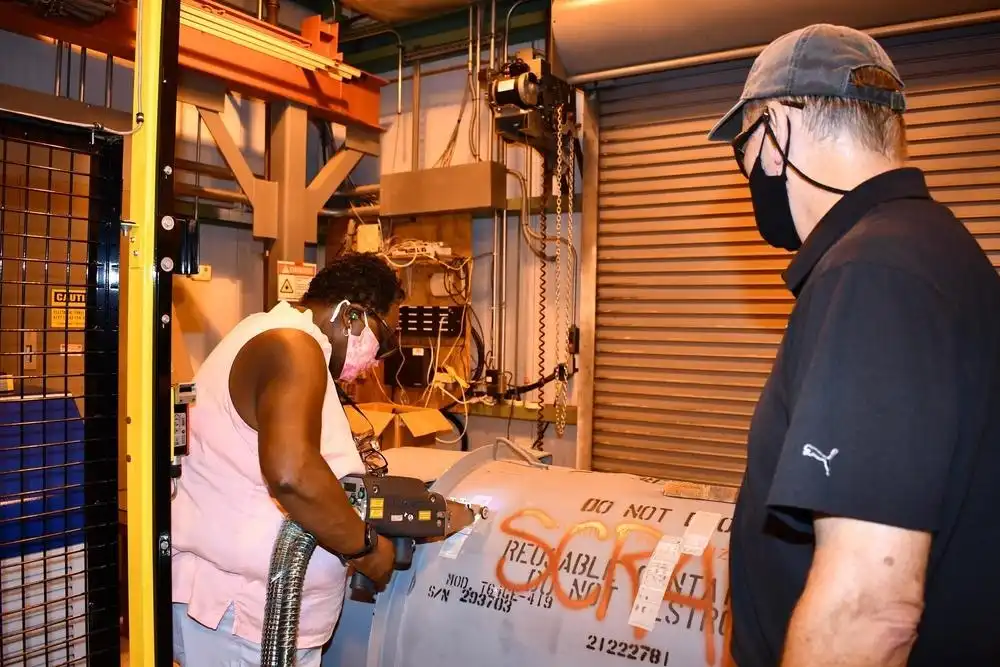
Customizable manufacturers can change the way their equipment works to meet the needs of a specific method. Changing control interfaces, beam delivery systems for specific geometries, or making custom fixtures for handling parts are all examples of custom integration. Companies that use unique methods or mixtures of materials can benefit a lot from providers who offer engineering help for custom solutions. When you buy in bulk, you have more power to negotiate better terms. When you buy more than one item, you can often get better price, a longer warranty, or better training and support. Companies that are opening more than one facility should talk about fleet pricing and standard configurations that make it easy to swap out parts and do routine maintenance.
Final Checklist: Steps to Secure the Best Laser Cleaning Machine Manufacturer in China
A structured approach to choosing a supplier lowers the risk of procurement and builds laser cleaning machine manufacturer relationships that provide value beyond the purchase of equipment.
Defining Operational Requirements and Budget Parameters
Write down exactly what you need cleaned, what kind of materials you use, how much you need to make, and what quality standards you have before you start looking for providers. Say whether the tasks need to be able to be done with or without a handheld device. Describe the pollutants that need to be removed, such as rust, paint, oxides, and oils, as well as the base materials and metal compositions. With these specs, makers can suggest the right tools instead of just giving out generic ones. Instead of just looking at the purchase price, budgeting should take into account the total cost of ownership. Think about how much it will cost to install, train operators, make changes to the building for power or air, and how much you expect to spend on upkeep. A realistic budget distribution keeps you from giving up important powers to meet price goals that are too low.
Supplier Interview Process and Product Demonstration Importance
Make a list of three to five manufacturers that meet your basic requirements. Then, talk in depth with their technical representatives. Get ready with questions about specifics of the technology: What types of light sources do they use? How do the factors of the pulse affect how well your things are cleaned? What kinds of automation options will help production grow in the future? Laser cleaning machine demonstrations are the best way to make sure something is true. Ask for cleaning samples of your real parts or materials that are the same as the ones that will be used in production. Check the level of cleaning, the speed of processing, and how easy it is to use. Demonstrations accurately show what the equipment can do, revealing any discrepancies between what the company says it can do and how it actually works. Video conferencing works for remote examples when sending samples to be tested, but facility visits in person are still the best way to make big investments.
Negotiation, Contract Terms, and Import Logistics Coordination
Specifications of the equipment, delivery dates, payment terms, warranty coverage, training requirements, and the availability of spare parts should all be talked about during the negotiation process. Ask for thorough quotes that list all costs and outcomes. Specifications that refer to technical datasheets and performance factors that are clearly stated in the contract help to avoid confusion. Import arrangements require a lot of people to work together. Make sure you understand the Incoterms that say who is responsible for shipping, insurance, clearing customs, and delivery to your facility. Manufacturers with a lot of experience can help with export paperwork and give you the technical details you need to meet customs requirements. Set up contact protocols for tracking shipments and organize installation help to make sure that the equipment is turned on without any problems. By using this structured approach to buying things, you can find manufacturers that can support your operations reliably, protect your investment, and make laser cleaning work well.
Conclusion
When you work with qualified makers, buying laser cleaning machine tools from China has a lot of benefits. The market lets you get modern technology at prices that are competitive, but you need to carefully evaluate each supplier before doing business with them. Manufacturers with quality certifications, strong R&D skills, open communication, and a full support system should be given priority. Check credentials on your own, ask for product demonstrations with your materials, and make sure the contract has clear terms that protect your interests. The right manufacturing partner gives you more than just tools; they also offer technical knowledge, the ability to customize products, and ongoing help to make sure your business is successful in the long run. Perfect Laser is a great example of these traits because it combines decades of experience making things with modern technology and service that is focused on the customer. By using the evaluation framework shown here, procurement professionals can confidently find solutions in the Chinese laser cleaning machine market that boost productivity while lowering costs.
FAQ
1.What industries benefit most from laser cleaning technology?
Laser cleaning machine technology is used to prepare the surfaces of aluminum and galvanized steel parts before they are welded in the auto industry. They are used in aerospace activities to fix up airframes and fix up turbines. Electronics companies use precise laser cleaning to get rid of flux on circuit boards and get ready to package semiconductors. Heavy industry and shipbuilding use high-power systems to clean structure steel of rust and get it ready for coatings.
2.How do I verify a Chinese manufacturer's quality certifications?
You can ask for copies of the certificates that show the serial numbers, issuing bodies, and dates of validity. When you can, compare license numbers with the records of the organizations that issued them. Independent facility audits by third-party certification bodies like TUV and SGS add to the credibility of a product. Reliable makers are happy to provide all the necessary paperwork and make it easy for you to check it.
3.What ongoing costs should I expect with laser cleaning systems?
The main costs of running a business are paying for electricity, replacing protective lenses or windows on a regular basis, and doing regular maintenance. Unlike chemical or gritty methods, laser cleaning machine systems don't charge for cleaning supplies that need to be replaced or for getting rid of waste. Think about keeping spare parts for important parts on hand and any service contract fees for technical support.
Partner With Perfect Laser for Reliable Industrial Cleaning Solutions
Perfect Laser is ready to help you with your commercial cleaning needs with tried-and-true technology and great customer service. Since 1995, we've been making laser tools and have gained a lot of knowledge in a wide range of uses, from preparing for welding in cars to maintaining aerospace parts. Our PE-Z100, PE-Z200, and PE-Z500 handheld laser cleaning machine models work like professional machines, cleaning without touching the surface to protect it while getting rid of contaminants quickly and effectively. These systems don't need any poisons, make very little waste, and have easy-to-use features that mean less training is needed. Our quality standards are backed up by CE, TUV, and SGS certifications, and our two R&D centers and 63 patents show that we are committed to continuous innovation. Germany, Japan, and the US are some of the challenging markets we sell to. Our customers there depend on our tools for important production processes. Our support team is available 24 hours a day to help you with questions, technical issues, and service after the sale. They make sure that your operations run smoothly. Perfect Laser has the skills and reliable equipment that your needs, whether you need a single handheld unit or integrated cleaning systems for large-scale production. Get in touch with us at [email protected] to talk about your needs with our laser cleaning machine manufacturer team and find out how our solutions can help you prepare surfaces better.
References
1. Chen, W., & Liu, Y. (2022). Industrial Applications of Fiber Laser Cleaning Technology. Manufacturing Technology Review, 45(3), 178-192.
2. International Trade Administration. (2023). China's Advanced Manufacturing Sector: Market Analysis and Procurement Strategies. U.S. Department of Commerce Industrial Report.
3. Kumar, S., & Zhang, H. (2021). Comparative Analysis of Surface Preparation Methods in Aerospace Manufacturing. Journal of Materials Processing Technology, 289, 116-134.
4. Schmidt, M., & Wang, L. (2023). Laser Cleaning Systems: Technology Evolution and Industrial Implementation. International Journal of Advanced Manufacturing Technology, 124(7-8), 2451-2468.
5. Thompson, R. (2022). Quality Assurance in Global Manufacturing Equipment Procurement. Supply Chain Management Quarterly, 18(2), 67-83.
6. Zhou, J., Anderson, K., & Park, S. (2023). Environmental and Economic Benefits of Laser-Based Surface Treatment Technologies. Sustainable Manufacturing Review, 31(4), 312-329.

share your inquiry, get the quotation accordingly.
第一张审核员说包含其他公司不能用_1755049724891.webp)
Perfect Laser – Global Manufacturer of Reliable Laser Solutions


