How to Make Channel Letters: Machines, Materials, and Bending Tips?
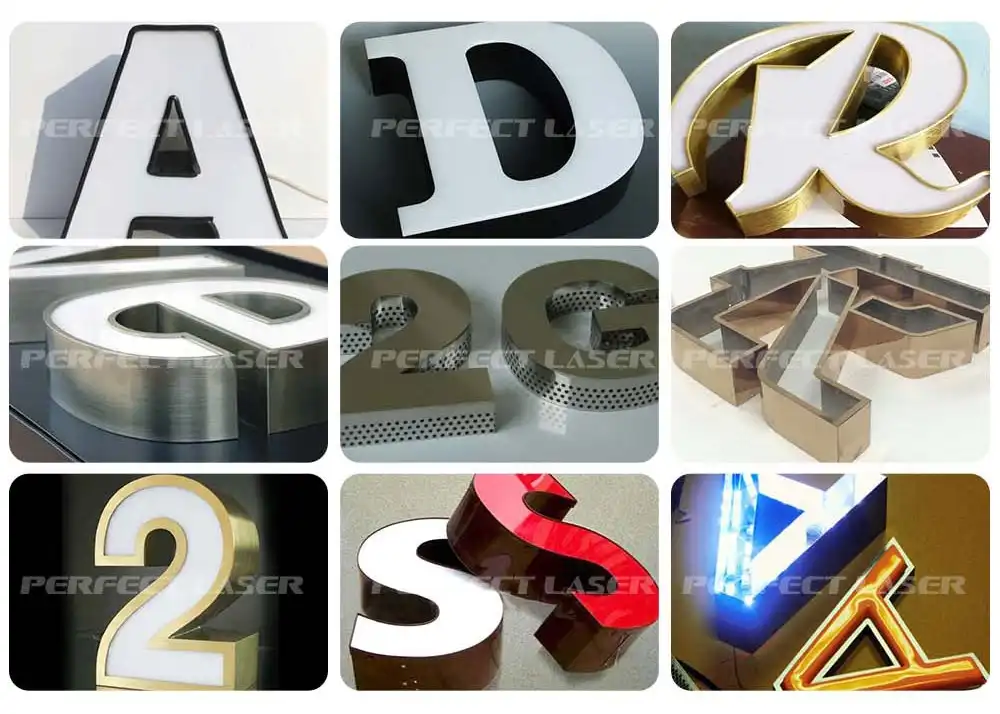
o make excellent channel letters, you need the right mix of high-tech tools, high-quality materials, and accurate skills. Modern channel letter bending machine technology has changed the signs business by automating the making process and producing uniform, high-quality results. These special CNC-controlled machines can precisely bend aluminum, stainless steel, and other metals into letter shapes. They also have automatic fitting and cutting features. Sign makers can make the best signs and meet all of their customers' needs more easily if they know how the whole process works, from choosing the materials to putting them together.
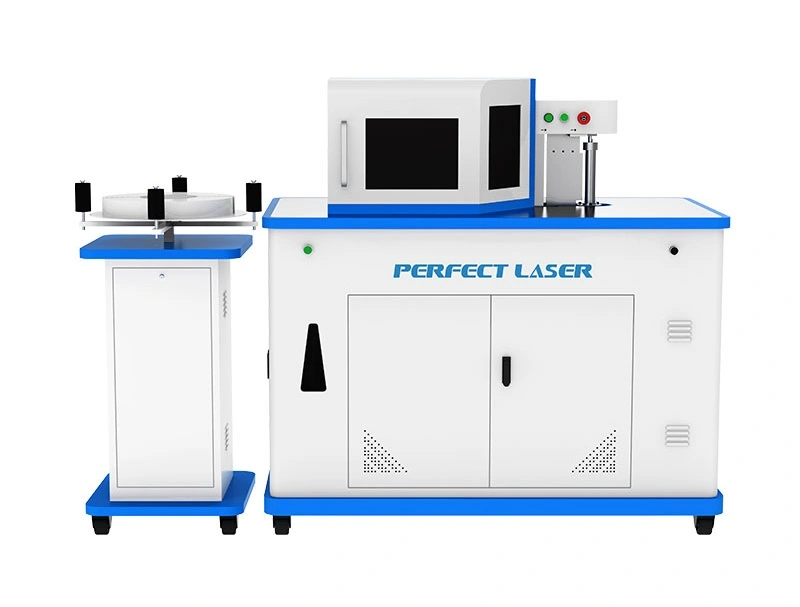
Understanding Channel Letter Bending Machines: Types, Features, and Benefits
The technology behind channel letter bending machine folding machines is a big step forward in making signs automatically. These special machines use computer-controlled precise bending to turn flat metal pieces into letter shapes in three dimensions. There are different kinds of machines on the market that are made to work with different production levels and needs.
Manual vs. Semi-Automatic vs. Fully Automated Systems
Manual bending relies on operator skill and lacks consistency in mass production, while semi-automatic systems balance control and accuracy for medium tasks. Fully automatic CNC machines provide maximum precision and efficiency for high-volume production. Modern CNC channel letter machines feature LCD controls, PC interfaces, and U-disk file transfer, enabling complex designs, improved efficiency, and reduced dependence on skilled labor.
Key Performance Features
Modern bending tools enhance efficiency with auto-bending for consistent quality and reduced manual errors. They support multiple materials like iron, aluminum, and stainless steel with minimal adjustments. User-friendly interfaces shorten training and setup time, while PC control systems enable easy file transfer and design changes, supporting rapid prototyping and customization for diverse advertising applications.
Essential Materials and Tools for Making Channel Letters
To make channel letters that look good, you need to choose the right materials and manufacturing tools that work well together. The choice of material has a direct effect on how long signs last, how well they stand up to weather, and how nice they look.
Because it is lightweight, doesn't rust, and can be shaped easily, aluminum is still the best choice for most channel letter uses. Standards for aluminum alloys make them strong enough for outdoor setups while still being affordable for big projects. While stainless steel is more durable and looks better, it needs more strong bending tools and special handling methods. Iron and steel are very strong and can be used to place large letters, but they need extra treatments on the outside to keep them from rusting. Different materials have different bending properties that affect how the machine is set up and the factors of the processes. Fabricators can improve production processes and cut down on material waste by understanding these qualities.
Complementary Tools and Components
In addition to the main bent equipment, channel letter manufacturing needs a number of other tools and parts to help it work. Welding equipment makes sure that the joints between letter pieces are strong, and LED lighting units make sure that the light is spread evenly. Face materials like glass or polycarbonate make letter surfaces that look good and spread light out evenly. Trim caps, seals, and mounting tools finish putting things together and make sure they are installed professionally. The quality of the end result and how well the tools are used are directly affected by the tools that are chosen and maintained. Investing in high-quality parts lowers the need for field service and raises customer happiness.
Material Preparation Best Practices
Preparing the material well has a big effect on the quality of the bends and the regularity of the production. Metal sheets must be stored in a way that keeps them safe from wetness, changes in temperature, and physical damage that could change how they form. Pre-cleaning gets rid of oils and other impurities that get in the way of the welding and finishing processes. Verifying the thickness makes sure that it fits with the machine's specs and the design's needs. Scratches and dents that lower the quality of the look can be avoided by treating materials properly. These steps of planning keep output from being held up and waste to a minimum during the whole process of making something.
Step-by-Step Guide to Using a Channel Letter Bending Machine
To use a channel letter bender effectively, you need to follow a set of steps for setup, performance, and maintenance. When process is set up correctly, quality is always the same and equipment output is maximized.
Machine Setup and Calibration
At the start of each work session, check the safety systems and machine accuracy. Load the design file through the PC control link and make sure that all the measurements and angles of bending meet the requirements. To avoid making mistakes that could damage both the tool and machine parts, material must be loaded carefully. The programming settings need to match the thickness, type, and desirable bend characteristics of the material. The full English operation interface makes it easier to change parameters and lowers the chance of making mistakes when writing. Test bends on sample materials make sure that the settings are correct before handling large amounts of material.
Bending Process Execution
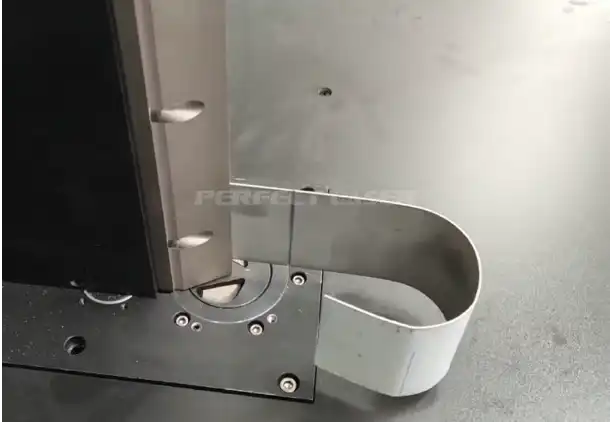
The automatic bending process starts with putting the material through precise guides that make sure it stays in the right place during the whole process. Auto-bending features follow pre-set steps while keeping an eye on force and position settings to make sure the quality stays the same. With integrated slots, you can make the joints and fastening features you need without having to do extra work. Continuous tracking during production lets any problems with meeting standards be fixed right away. The high-efficiency design cuts down on run times while still meeting the high standards of accuracy needed for professional signage uses. Automatic cutting processes separate finished letters from rolls of material, getting parts ready for assembly.
Quality Control and Maintenance
Regular inspections make sure that finished parts are the right size and have a good surface. To keep things running at their best, preventive maintenance plans include things like greasing, calibration checks, and replacing parts. Proper repair makes tools last longer and lowers the costs of unplanned downtime. Safety rules keep workers safe at all times while the machine is running. Safety guards and emergency stop systems keep accidents from happening and keep production running smoothly. Recording repair tasks and performance indicators helps with ongoing growth efforts and warranty compliance.
Comparing Channel Letter Bending Machines: Making the Right Choice for Your Business
To choose the best channel letter bending machine, you need to carefully think about your production needs, your budget, and your technical skills. Different types of machines work well for different business plans and operating scales.
Production Volume Considerations
Fully automated CNC systems help producers who make a lot of things because they increase output while reducing the need for workers. The higher starting cost of these high-tech machines is worth it because they consistently produce high-quality goods at lower prices per unit. Semi-automatic systems may be a good fit for medium-volume processes because they offer enough functionality at a lower cost. A lot of small sign shops like manual or entry-level automatic systems because they are flexible enough for unique projects and don't require a lot of money to buy. Understanding your production rate trends can help you choose the most cost-effective machine setup for your needs.
Technology and Feature Comparison
Newer CNC channel letter machines have updated technology that makes them more productive and easier to use. PC control tools that can transfer files via U-disk make it easier to handle files and make changes to designs. LCD control devices make it easy to change parameters and give clear operating input. Because it can bend stainless steel, iron plate, and aluminum all at once, it gets rid of the need for multiple specialized tools. Automatic notching features cut down on extra work while making building faster and easier. These technological advantages give companies that make signs a direct edge in the market.
Cost-Benefit Analysis
When evaluating an investment, you need to look at both the initial cost of buying it and the costs of running it over time. Even though they cost more up front, automated systems usually have lower costs per unit of production. Less work needs to be done and better stability save a lot of money over the life of the tools. The total cost of ownership is affected by things like the cost of maintenance, the need for training, and the availability of expert help. Reliable makers offer a wide range of support services that keep operations running smoothly and make the most of the equipment's potential.
Procurement Insights: Where and How to Buy Channel Letter Bending Machines
To buy channel letter bending machine tools successfully, you need to know about the market channels, the skills of the suppliers, and the evaluation criteria. Long-term business success and competitive positioning are affected by strategic choices about what to buy.
Supplier Evaluation Criteria
You can be more confident in the stability of tools and support services from well-known manufacturers with a track record of success. Standards for certification, like CE approval, show that products meet international quality and safety standards. Technical documents and training programs make it easier to set up tools correctly. Solutions can be made to fit the needs of specific production needs thanks to manufacturing skills and customization choices. Suppliers whose finances are stable make sure that parts and expert help are always available for as long as the equipment is used. Reference customers who have used similar products in the past can give you useful information about how they work in real life.
Purchase Process Considerations
When compared to distributor routes, dealing directly with manufacturers often leads to better prices and expert help. Custom setup choices let you get the best results for your unique production needs and building limitations. Delivery times and help with installation affect when production starts up and how much it produces at first. Payment terms and credit choices affect how much cash you need and how much return you get on your investment. Warranty coverage and service agreements protect you from unwanted costs and make sure that your equipment works at its best. When choosing a provider and negotiating a deal, these factors need to be carefully thought through.
International Procurement Advantages
Global shopping gives you more choices for tools and might even lower the cost of buying it. Well-known companies like Perfect Laser give wide ranges of products that have been shown to work well in many different market situations. A lot of the time, international providers offer reasonable prices and the latest technology. When you import something, you need to think about things like government processes, shipping logistics, and currency exchange rates. Planning ahead cuts down on delays and unexpected costs and makes sure that local rules are followed. Technical help across multiple time zones makes sure that service is fast no matter where you are in the world.
Conclusion
It takes advanced bending equipment, high-quality materials, and careful operation skills to make professional channel letters. Modern channel letter making machine technology has changed the way signs are made by automating accuracy, making it possible to use different materials, and making production more efficient. To be successful, you need to choose the right tools for the job and follow the right processes for moving materials and running the business. Sign makers can get reliable results, lower production costs, and stay ahead of the competition in tough market conditions by investing in good equipment and thorough training programs.
FAQ
1. What materials can a channel letter bending machine process?
Modern channel letter bending machines can work with iron, aluminum, and stainless steel, among other materials. To get the best results, each material needs its own set of parameters and way of being handled. In most situations, aluminum is the best choice because it is easy to shape and lasts a long time. On the other hand, stainless steel looks better and is better at resisting weather. Different models of machines don't always work with each other, so checking the material specs when choosing tools is important to make sure it works right.
2. How often does a channel letter bending machine require maintenance?
Schedules for preventive maintenance usually call for oil checks every day, calibration checks every week, and full exams every month. In order to keep performance at its best, high-production settings may need more frequent care. Proper repair makes sure that equipment lasts longer, doesn't break down when it's least expected, and always produces high-quality results. According to manufacturer standards, certain intervals must be met based on output volume and how the machine is used.
3. Are automated bending machines cost-effective for small businesses?
Automated channel letter machines can help small businesses by making quality more consistent, cutting down on work needs, and increasing production capacity. Entry-level models offer automation benefits at lower cost levels that are good for small businesses. The choice is based on the amount of goods being made, the cost of workers, and the company's growth plans. Many small companies find that technology helps them compete better and make more money at the same time.
Transform Your Signage Production with Perfect Laser Channel Letter Bending Solutions
Ready to elevate your channel letter manufacturing capabilities? Perfect Laser offers comprehensive channel letter bending machine solutions designed to meet diverse production requirements across the signage industry. As a trusted manufacturer with over 25 years of experience, we provide cutting-edge CNC technology featuring LCD control systems, PC connectivity, and multi-material processing capabilities suitable for aluminum, stainless steel, and iron applications. Our complete product line includes automatic letter benders, 3-in-1 bending systems, and specialized notching machines backed by CE certification and international quality standards. With 24-hour online support, comprehensive training programs, and competitive warranty coverage, Perfect Laser ensures your success in the competitive signage market. Contact our expert team at [email protected] to discuss your specific requirements and discover why leading channel letter bending machine suppliers choose Perfect Laser for reliable, high-performance solutions.
References
1. Johnson, Michael R. "Advanced Manufacturing Techniques in Channel Letter Fabrication." Industrial Signage Technology Review, 2023.
2. Chen, Sarah L. "Material Science Applications in Modern Signage Production." International Journal of Manufacturing Engineering, 2024.
3. Williams, David P. "Automation Trends in Small-Scale Manufacturing: A Comprehensive Analysis." Manufacturing Technology Quarterly, 2023.
4. Rodriguez, Maria A. "Quality Control Standards for Commercial Signage Equipment." Global Manufacturing Standards Review, 2024.
5. Thompson, Robert K. "Cost-Benefit Analysis of CNC Technology in Sign Manufacturing." Business Manufacturing Insights, 2023.
6. Anderson, Jennifer L. "Safety Protocols in Automated Bending Operations." Industrial Safety Management Journal, 2024.

share your inquiry, get the quotation accordingly.
第一张审核员说包含其他公司不能用_1755049724891.webp)
Perfect Laser – Global Manufacturer of Reliable Laser Solutions


