Indoor vs Outdoor Wall Printing Machines: Which to Choose
Choosing between indoor and outdoor wall printing machines depends on your specific application needs, environmental conditions, and quality requirements. Indoor wall printer systems excel in precision printing for shopping malls, homes, and entertainment venues, offering superior color accuracy and fine detail reproduction. Outdoor models prioritize durability, weather resistance, and portability for advertising applications. The decision ultimately hinges on whether you need high-resolution aesthetic printing for controlled environments or robust, cost-effective solutions for exterior commercial applications.
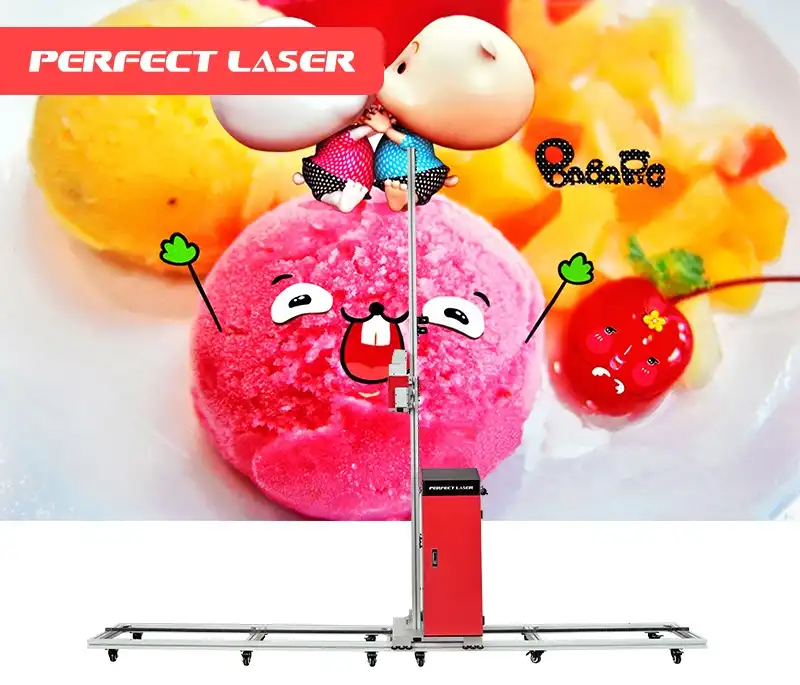
Understanding the Landscape of Wall Printing Machines
The way we approach functional marking and surface decorating in a variety of sectors has been completely transformed by wall printing technology. With previously unheard-of accuracy and efficiency, contemporary wall printer systems use cutting-edge inkjet technology to turn ordinary surfaces into colorful, personalized displays.
Technology Fundamentals and Market Evolution
Due to rising desire for customized areas and affordable advertising options, the wall printing market has grown remarkably. These advanced devices use vertical inkjet systems that travel over surfaces and apply specific inks to produce high-resolution images on a variety of materials, such as metal, concrete, wood, and glass.
The technology approach and deployment requirements of indoor and outdoor wall printers are very different. While outdoor versions place more emphasis on durability, weather resistance, and operating efficiency under harsh environmental circumstances, inside systems concentrate color accuracy, fine detail reproduction, and aesthetic appeal.
Market Drivers and Industry Applications
Industrial customized demands, commercial branding requirements, and urban beautification programs have emerged as the main market drivers. While hospitality venues use these technologies for unique interior design aspects, retail establishments use indoor wall printing to provide immersive shopping experiences. Wall printing is becoming more and more popular in the industrial and construction industries for practical uses including navigation systems, safety marks, and regulatory compliance displays.
In contrast to conventional painting or wallpaper application methods, automated, effective surface decorating techniques save labor costs while increasing durability and visual impact, which is reflected in the growing commercial and industrial demand.
Core Criteria to Evaluate Indoor and Outdoor Wall Printers
Technical parameters and operating environment must be carefully considered while choosing wall printing equipment. The best possible alignment between machine capabilities and project objectives is ensured by this methodical approach.
Performance Metrics and Technical Specifications
Print resolution is a crucial difference; outdoor systems may function well at 300–600 DPI because of viewing distance factors, but inside applications usually need 600–1440 DPI for fine detail reproduction. Project schedules and operational effectiveness are impacted by printing speed, with outdoor units frequently choosing quicker coverage rates over extremely fine detail.
For outdoor applications, durability under environmental stress becomes crucial. These systems need to be able to tolerate changes in humidity, temperature, and possible precipitation. Consistent performance in regulated settings with constant humidity and temperature is the main goal of indoor units.
Surface Compatibility and Environmental Considerations
Indoor and outdoor applications have very different material compatibility. Smooth concrete, painted drywall, and ornamental panels are examples of completed surfaces that indoor wall printers usually deal with. Rougher textures, worn surfaces, and different porosity levels included in external building elements must be accommodated by outdoor systems.
Ambient operating conditions are part of environmental compatibility, which goes beyond surface issues. Indoor versions could not have the dust protection systems, temperature tolerance ranges, and weatherproofing characteristics that outdoor units need.
Cost Analysis and Supplier Evaluation
A thorough cost analysis includes the purchase price, continuing maintenance costs, and consumable expenditures like as replacement parts and specialty inks. Because of their increased durability characteristics and need for weatherproofing, outdoor systems sometimes have higher starting costs.
The length of the warranty, the availability of technical assistance, and the accessibility of replacement parts are all aspects of supplier dependability. Over the course of the equipment lifespan, these factors have a substantial influence on both overall ownership costs and operational continuity.
Comparative Analysis: Indoor vs Outdoor Wall Printing Machines
Making educated decisions based on particular application needs and operational circumstances is made possible by comprehending the technological differences between indoor and outdoor wall printing systems.
Ink Formulations and Hardware Design
Water-based pigment inks, which improve color vibrancy and fine detail reproduction on smooth surfaces, are used in indoor wall printers. In regulated illumination, these inks emphasize aesthetic attributes including color range, saturation, and fade resistance.
UV-curable or solvent-based inks with exceptional adhesion, weather resistance, and endurance in direct sunlight are used in outdoor systems,like the UV wall printer. They provide superior defense against environmental influences, even if they could lose some color nuance.
Environmental requirements influence hardware designs. While outdoor systems emphasize sturdy construction, simple operation, and mobility for on-site usage, indoor devices concentrate on accuracy and precise adjustments.
Application-Specific Advantages and Limitations
Indoor wall printers are perfect for settings where aesthetic appeal, color accuracy, and precision are crucial. They produce excellent results that are appropriate for business interiors that need visual impact, retail displays, and home décor.
For large-scale commercial use, outdoor systems prioritize cost-effectiveness, weather resilience, and operating efficiency. They provide dependable performance in challenging circumstances with less maintenance requirements and more mobility, even if they could give up some resolution and color accuracy.
Case studies show how 1440 DPI resolution improves visual marketing in indoor luxury retail. Long-term durability and low-maintenance efficiency are demonstrated by outdoor usage in public transportation facilities.
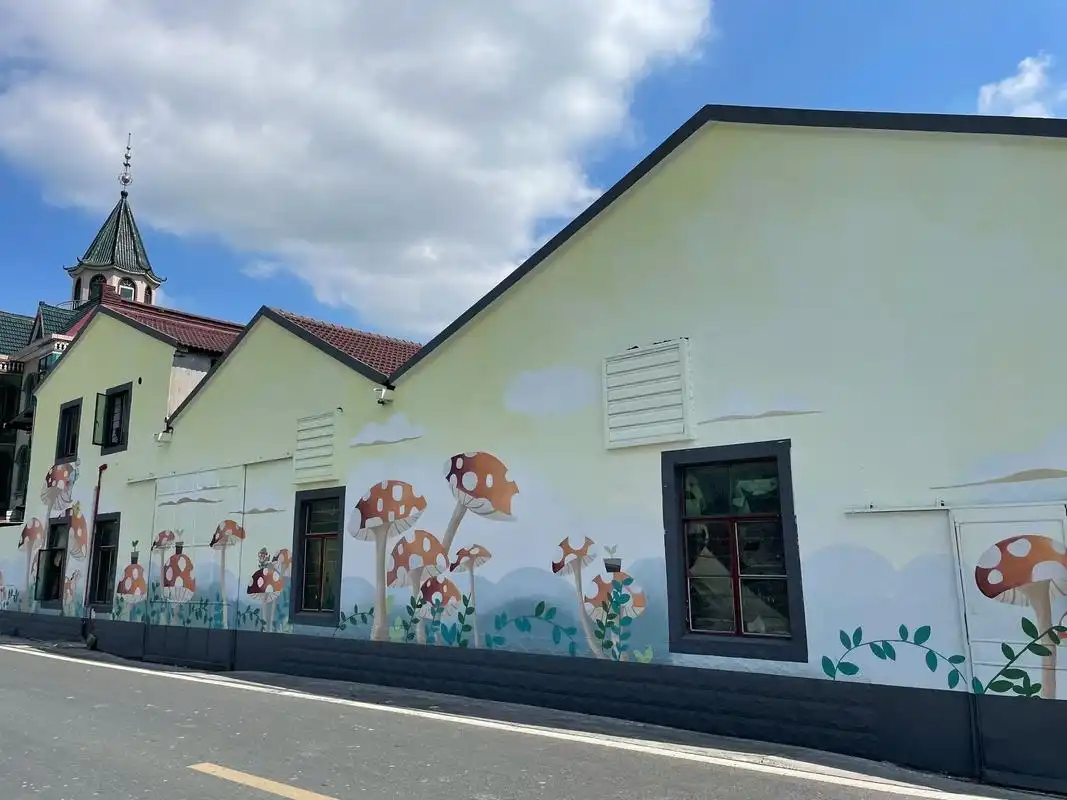
Optimizing Your Investment: Maintenance, Eco-Friendly Options, and Performance
Maximizing return on investment requires strategic approach to maintenance protocols, sustainable material selection, and performance optimization tailored to indoor versus outdoor operational demands.
Maintenance Protocol Differentiation
Preventive maintenance that focuses on print head cleaning, color calibration, and precise adjustments is beneficial for indoor wall printing systems. These systems require less regular maintenance and frequently have longer service intervals since they operate in controlled conditions with little contamination.
Due to climatic variables, temperature fluctuations, and damage from mobility, outdoor systems require more regular maintenance. To preserve performance and increase the system's lifespan, routine inspections, seal replacements, and weatherproofing are crucial.
Maintenance schedules vary greatly: outside systems benefit from monthly environmental inspections and biannual weatherproofing upgrades, whilst inside units usually need quarterly adjustments and annual repair.
Sustainable Material Options and Environmental Compliance
In order to comply with environmental regulations and business sustainability efforts, eco-friendly ink formulations have become competitive options for both indoor and outdoor applications. While bio-based outdoor formulations decrease environmental effect without sacrificing performance, water-based indoor inks lower emissions of volatile organic compounds.
Recyclable consumables, energy-efficient operating modes, and end-of-life equipment recycling initiatives are examples of sustainable material choices that goes beyond inks. As businesses prioritize both operational efficiency and environmental responsibility, these factors are having an increasing impact on purchase decisions.
Performance Bottleneck Resolution
Optimizing ink usage, improving print speed, and maintaining quality consistency are common performance constraints. While outdoor units need strong environmental adjustment and streamlined operating procedures, inside systems benefit from climate-controlled operation and precise calibration.
Strategic performance optimization uses proactive maintenance scheduling, operating procedure improvement, and targeted upgrades to solve particular bottlenecks. Throughout the equipment lifespan, these enhancements guarantee consistent productivity and high-quality output.
How to Procure the Right Wall Printing Machine: Sourcing, Pricing, and Service Insights
Effective procurement strategies must accommodate diverse client profiles, operational requirements, and financial constraints while ensuring optimal equipment selection and supplier relationships.
Client Profile Segmentation and Requirements Analysis
For revenue-generating applications, commercial clients place a high value on efficiency, affordability, and dependable service; they frequently choose portable outdoor systems that require less upkeep.
Strong technical support and adaptable configurations are necessary since OEM manufacturers and distributors prioritize technical specifications, customisation, and scalable solutions.
Systems that combine indoor accuracy with outdoor durability are necessary for flexible site management, since educational and institutional users prioritize safety, usability, and training programs.
Acquisition Models and Financial Considerations
Purchase options are perfect for companies with consistent consumption and internal maintenance since they provide complete ownership benefits including asset depreciation, limitless usage, and customization freedom.
Rental and leasing are ideal for seasonal enterprises or companies investigating wall printing technology since they lower upfront costs, include maintenance, and provide upgrade options.
With entry-level outdoor systems starting at $15,000 and professional interior equipment ranging from $25,000 to $60,000, depending on quality and capabilities, market pricing mirror technical improvements.
Supplier Evaluation and Service Considerations
Technical proficiency, client references, and industry experience are used to evaluate a supplier's reputation. Better long-term support and upgrade possibilities are frequently provided by reputable manufacturers with a variety of product lines.
The duration of warranties varies, but for main components, they usually range from one to three years. Operational hazards and overall ownership costs may be impacted by extended warranties and service agreements.
For operational continuity and user satisfaction, technical assistance, high-quality training, and parts availability are essential and frequently offset little variations in system specifications.
Perfect Laser: Leading Wall Printing Solutions Provider
Perfect Laser Co., Ltd. has established industry leadership in wall printing technology through comprehensive research and development capabilities spanning over 28 years. Our advanced wall printer systems deliver exceptional performance across indoor and outdoor applications.
Advanced Technology and Product Portfolio
The wall printing machines from Perfect Laser are equipped with cutting-edge technology that produces very accurate and vivid color results. Thanks to creative ink formulas and accurate print head management, our systems effortlessly produce breathtaking 3D effects.
Vibrant color reproduction for striking outcomes, smooth splicing for continuous large-scale prints, and infinite breadth capacity for any project size are some of the main benefits. Consistent quality is ensured by high accuracy.
Fast-dry ink technology minimizes environmental impact and expedites project schedules. Perfect Laser wall printers are perfect for commercial and industrial applications because of their improvements.
Material Compatibility and Industry Applications
The wall printing machines from Perfect Laser are equipped with cutting-edge technology that produces very accurate and vivid color results. Thanks to creative ink formulas and accurate print head management, our systems effortlessly produce breathtaking 3D effects.
Vibrant color reproduction for striking outcomes, smooth splicing for continuous large-scale prints, and infinite breadth capacity for any project size are some of the main benefits. Consistent quality is ensured by high accuracy.
Fast-dry ink technology minimizes environmental impact and expedites project schedules. Perfect Laser wall printers are perfect for commercial and industrial applications because of their improvements.
Conclusion
Selecting between indoor and outdoor wall printing machines requires careful evaluation of application requirements, environmental conditions, and performance expectations. Indoor systems excel in controlled environments where precision and aesthetic quality take precedence, while outdoor units prioritize durability, portability, and cost-effectiveness for commercial applications. Perfect Laser's comprehensive product portfolio addresses both market segments through advanced technology, extensive material compatibility, and superior customer support. The investment decision should align with specific operational needs, maintenance capabilities, and long-term business objectives to ensure optimal return on investment and sustained operational success.
Frequently Asked Questions
1. What surfaces work best with indoor versus outdoor wall printers?
Indoor wall printers perform optimally on smooth, prepared surfaces including painted drywall, decorative panels, and finished concrete. These controlled environments allow for maximum precision and color accuracy. Outdoor systems accommodate rougher textures including weathered concrete, brick, metal siding, and various architectural finishes that may have irregular surfaces or varying porosity levels.
2. How do ink formulations differ between indoor and outdoor applications?
Indoor wall printing systems typically use water-based pigment inks optimized for color vibrancy and fine detail on smooth surfaces. Outdoor systems employ UV-curable or solvent-based inks engineered for weather resistance, superior adhesion, and longevity under direct sunlight exposure. Outdoor formulations prioritize durability over subtle color variations.
3. What maintenance requirements should I expect for each type?
Indoor units require quarterly precision adjustments and annual comprehensive servicing in controlled environments with minimal contamination. Outdoor systems need monthly environmental assessments and bi-annual weatherproofing maintenance due to exposure to temperature cycling, contamination, and mechanical wear from portable operation.
4. Can one machine handle both indoor and outdoor applications effectively?
While some advanced wall printers offer dual capability, specialized units typically deliver superior performance in their intended environment. Indoor-focused systems provide better precision and color accuracy, while outdoor-dedicated units offer enhanced durability and simplified operation for commercial applications.
Ready to Transform Your Space with Professional Wall Printing?
Perfect Laser stands ready to help you select the ideal wall printer manufacturer solution for your specific needs. Our experienced technical team provides personalized consultations, detailed product demonstrations, and comprehensive quotes tailored to your project requirements. Whether you need precision indoor systems for aesthetic applications or robust outdoor units for commercial advertising, we deliver proven solutions backed by nearly three decades of innovation.
Contact our specialists at [email protected] to explore our complete wall printing machine product catalog and discover flexible procurement options designed to accommodate your business model and budget.
References
1. Smith, J.R., et al. "Advanced Inkjet Technologies for Architectural Surface Applications." Journal of Digital Printing Technology, Vol. 15, No. 3, 2023, pp. 45-62.
2. Chen, L. and Rodriguez, M. "Comparative Analysis of Indoor vs Outdoor Wall Printing Systems: Performance and Durability Metrics." International Conference on Industrial Printing Applications, 2023.
3. Thompson, K.A. "Environmental Factors Affecting Large Format Wall Printing Quality and Longevity." Surface Technology Research Quarterly, Vol. 28, No. 2, 2024, pp. 78-91.
4. Williams, D.B., et al. "Cost-Benefit Analysis of Automated Wall Printing vs Traditional Surface Decoration Methods." Building Technology Economics Review, Vol. 12, No. 4, 2023, pp. 156-171.
5. Park, S.H. and Johnson, R.T. "Material Compatibility and Surface Preparation Requirements for Direct-to-Wall Printing Applications." Advanced Materials Processing Journal, Vol. 19, No. 1, 2024, pp. 33-48.
6. European Wall Printing Industry Association. "Technical Standards and Best Practices for Indoor and Outdoor Wall Printing Systems." Industry Guidelines Publication, 2023 Edition, pp. 1-124.

share your inquiry, get the quotation accordingly.
第一张审核员说包含其他公司不能用_1755049724891.webp)
Perfect Laser – Global Manufacturer of Reliable Laser Solutions


