Industrial Small Glass Sheet Laser Cutting Machines Explained
Modern glass cutting machines lead industrial innovation in glass processing. Computer-controlled precision and automated operations make industrial small glass sheet laser cutting machines a technical breakthrough for cutting glass of different kinds and thicknesses. Stepper or servo motors, modern CNC control systems, and imported cutting wheels provide dependability, consistency, and flexibility in many production applications. Understanding how laser cutting technology changes glass manufacturing can help you choose equipment that improves product quality and lowers costs for smartphone covers, automotive glass, and architectural panels.
Understanding Small Glass Sheet Laser Cutting Machines
The Core Technology Behind Laser Glass Processing
Small glass sheet laser cutting devices use CO2 and fiber lasers for precise and efficient glass processing. CO2 lasers heat glass along the cut line to create controlled cracks, making them ideal for cutting non-metallic materials. Fiber lasers are great for ultra-thin glass and micron-precision materials due to their energy economy and beam purity. Modern automated glass cutting machines use stepper or servo motor technology and CNC control systems to repeat straight cuts, irregular shapes, and circular patterns.
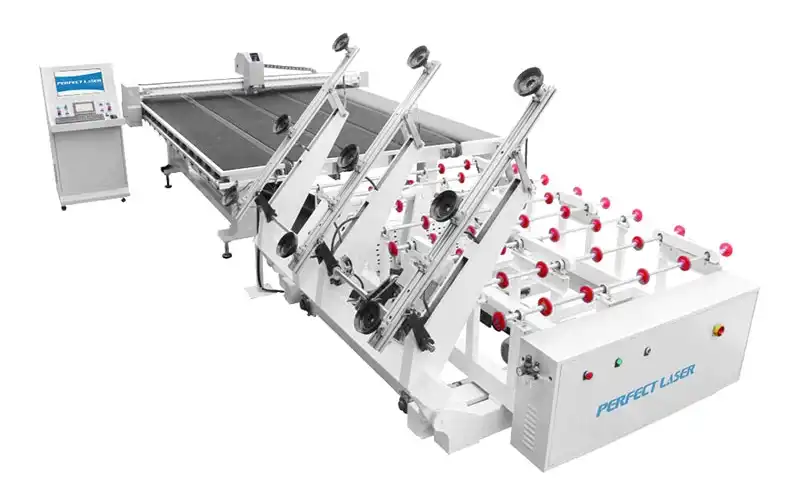
This process produces better edges than scoring and breaking. Sapphire and ultra-thin display glass are brittle, thus the laser's concentrated energy reduces chipping and micro-cracks. Before manufacturing, computer-controlled optimization software generates the most effective cutting patterns, reducing material waste. Design flexibility lets manufacturers react fast to special orders without costly tooling modifications, a competitive advantage in consumer electronics, where product designs change frequently.
Comparing Manual, Automatic, CNC, and Portable Cutting Models
Knowing the differences in glass cutting machine setups helps procurement teams match technology to production needs. Manual methods score glass using handheld diamond or tungsten carbide cutters, requiring trained operators to provide constant pressure and guide straight lines. These tools are suited for small-scale operations or on-site installations but lack repeatability and speed for high-volume producers.
Automated glass cutting machines reduce operator fatigue and improve uniformity by moving the cutting head along predefined pathways. CNC glass cutting machines integrate CAD files directly into the manufacturing cycle, increasing automation. The machine produces complicated geometries with accuracy of ±0.25mm per meter, based on digital patterns uploaded by operators. Architectural installations and large-format building panels use portable laser cutting technologies since transferring glass to a permanent station is impracticable. Long-term operational success depends on matching machine capabilities to production volume, space limits, and complexity needs for each configuration.
Key Features and Performance Metrics of Small Glass Sheet Laser Cutting Machines
Technical Specifications That Define Cutting Excellence
Laser glass cutting performance relies on several variables. Throughput and manufacturing capacity depend on cutting speed, measured in meters per minute. Modern machines with high-power laser sources and efficient motion control systems may fulfill orders 40-60% quicker and enhance ROI. Precision is also important—optoelectronics and display production need micron-level positioning precision.
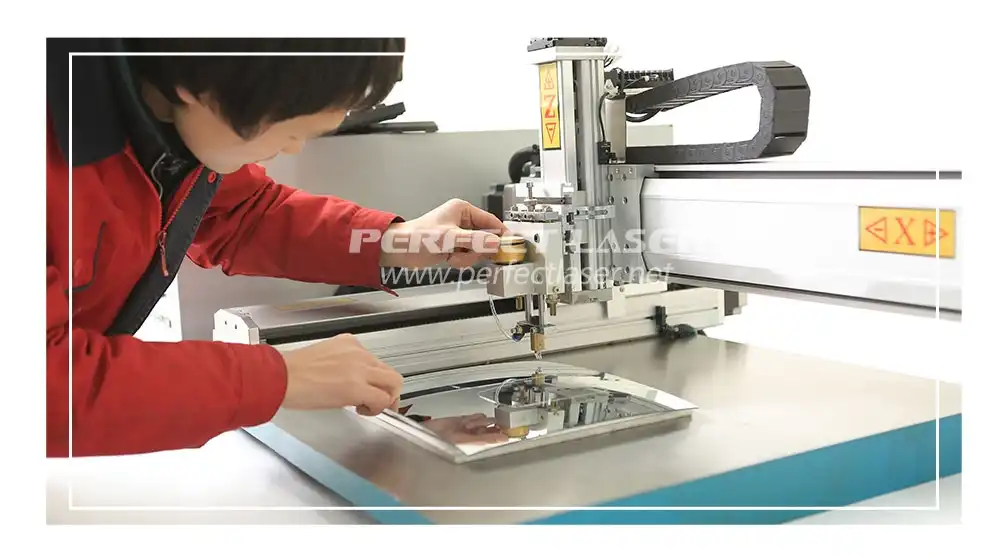
Build quality and machine durability affect total cost of ownership. Super stability of the spindle delivers steady cutting force during long manufacturing runs, eliminating edge quality or dimensional accuracy issues. Here are the main benefits of modern automated glass cutting systems for various industrial needs:
- Specialized laser systems can handle substrates as thin as 0.1mm without breaking or micro-fractures, which is crucial for LCD and OLED panel manufacturing, where material prices are high and yield rates impact profitability.
- These machines can cut smartphone covers, automobile glass, camera lens covers, sapphire substrates, LCD panels, optical filters, mirrors, borosilicate and quartz glass, and more.
- Premium components and sturdy engineering provide 10+ years of productive service with adequate maintenance, spreading capital expenditure over longer depreciation periods.
- Laser cutting produces no chemical wastes or coolant disposal, making it greener than water jet or mechanical processes.
- Safety-sensitive automotive components and high-value consumer electronics need repeatable placement within tight tolerances from advanced servo motor systems and precise linear guides.
User feedback constantly shows increased product quality and lower scrap rates for construction, solar energy, automotive, and decorative glass industries. These benefits immediately address production issues.
Maintenance Practices That Extend Machine Longevity
Maintaining top performance needs periodic maintenance to avoid unplanned downtime and retain equipment value. Laser lenses and mirrors are inspected often to avoid deterioration that lowers cutting quality. Particulate pollution increases wear and creates thermal management concerns, therefore cleaning regimens should address motion component and cooling system dust. Troubleshooting techniques that detect early warning indications such unexpected vibrations, irregular cutting depth, or processing speed allow for repairs before major difficulties become expensive.
OEM replacement components maintain system compatibility and warranty coverage. Aftermarket parts may be cheaper, but they may lack exact tolerances or material standards, causing premature wear or poor performance. Maintenance relationships with approved service providers offer technical experience, calibration equipment, and software upgrades to maintain machines running at specification.
How to Choose the Best Small Glass Sheet Laser Cutting Machine for Your Business
Matching Machine Capabilities to Production Requirements
Analyzing production quantities, material requirements, and budget criteria helps choose the best laser glass cutting machine. Fully automated systems with integrated loading and breaking tables save human handling and optimize productivity for high-volume producers producing thousands of pieces daily. Mid-sized enterprises may find semi-automatic designs best balance capability and investment, giving CNC accuracy with human supervision for quality control.
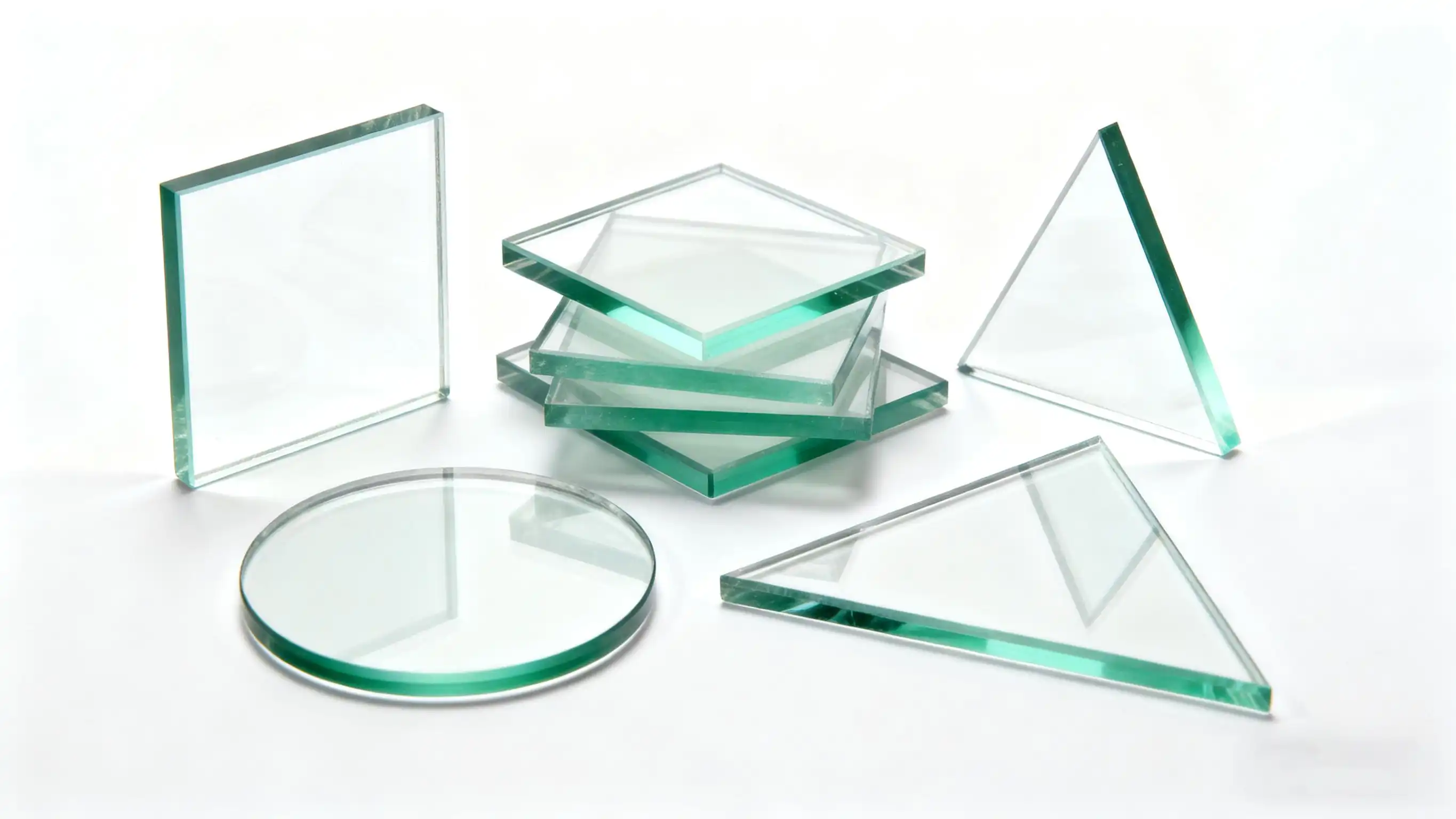
Material properties strongly impact technology choice. Consumer electronics firms using sapphire glass and ultra-thin display panels require equipment with vacuum holding systems and vibration-dampened cutting heads. Automotive glass suppliers manufacturing laminated safety glass need enough laser power and cutting speed to fulfill safety standards. Construction and architecture applications need large-format processing to properly handle building facade panels, where bed size and gantry reach matter.
Energy usage profiles matter more as energy bills increase and sustainability drives company strategy. Fiber lasers use 30-50% less power than CO2 lasers while cutting as well or better. Long-term operating savings balance higher initial equipment prices when total energy costs are calculated over predicted production volumes, improving total cost of ownership.
Partnering with Reliable Manufacturers and Authorized Suppliers
The equipment buyer-supplier connection goes beyond the first transaction. Reliable glass cutting machine manufacturers offer technical documentation, operator training, and prompt after-sales support to optimize equipment use. Warranty coverage should include parts and labor, with response times and service level agreements to minimize production delays.
Authorized vendors with good reputations increase equipment value. They stock parts for quick replacement, employ factory-trained technicians that understand technology, and provide firmware updates and software upgrades to increase operation. Flexible financing methods like lease and bulk buying discounts assist procurement teams allocate funds to equipment purchases. Assessing supplier credentials, customer references, and service infrastructure eliminates expensive errors that delay production and lower profits.
Market Insights and Pricing Considerations in 2026
Factors Shaping Equipment Investment Decisions
The industrial laser cutting equipment market evolves as technology introduces new capabilities and competition drives price changes. Choosing new or secondhand gear involves balancing cost and performance. Pre-owned equipment has a lower initial investment, but purchasers must consider service life, maintenance, and production needs. In this industry, technology changes quickly, therefore equipment older than five years may lack efficiency and accuracy improvements.
Manufacturers may customize setups to meet operational demands without paying for unneeded features. Standard machines work well for numerous applications, but specialized industries need custom solutions. Automotive suppliers need integrated testing stations for safety-critical components, while display producers need better vision systems for edge quality checks. Optimizing equipment specs and controlling costs requires knowing which changes provide value and which add complication.
After-sales service and warranty coverage impact investment risk and operational predictability. During production ramp-up, comprehensive warranties for consumables like cutting wheels and optical elements give cost certainty. Service agreements with preventative maintenance and priority assistance help firms with continuous shifts or just-in-time delivery models avoid downtime and maintain production schedules.
Aligning Equipment Procurement with Manufacturing Trends
Energy-efficient and environmentally friendly manufacturing equipment is in demand due to regulatory demands and corporate sustainability efforts. Regenerative braking, efficient cooling, and optimal laser power control minimize operating costs and assist green production objectives in glass cutting equipment. Energy monitoring tools that measure usage per unit generated help industries quantify environmental gains and meet carbon reduction goals.
Flexible financing alternatives help firms balance capital priorities. Leasing protects working capital and secures equipment with production revenue-based payments. Bulk purchase agreements provide bulk discounts and standardized equipment for multi-location or phased growth companies. Instead of just purchasing price, negotiation methods can include total cost of ownership, including consumables, maintenance, energy use, and predicted productivity benefits.
Safety Guidelines and Best Practices for Industrial Laser Glass Cutting
Essential Safety Protocols for Laser Operations
When using a glass laser cutting machine, safety is crucial, necessitating strict standards to safeguard workers and equipment. Laser safety standards, notably ANSI Z136 in the US and international laws, require protective enclosures, interlocks, and warning signs. Class 4 industrial lasers may cause eye injuries from direct or reflected beam exposure and fires when cutting certain materials. Before operating unsupervised machines, operators must be trained on beam pathways, reflection concerns, and emergency shutdown.
Laser-classified safety eyewear has optical density ratings that match laser wavelengths and power levels. Respiratory protection avoids inhalation of cutting particles and fumes, especially while dealing with coated or treated glass that releases dangerous compounds when heated. Safety precautions for glass handling include cut-resistant gloves, safe lifting, and secure storage methods to avoid falls and touch.
Proactive Troubleshooting and Environmental Management
Edge chipping, partial cuts, and heat-affected zones indicate process parameter or equipment maintenance concerns. Root cause analysis allows excellent restoration without downtime. Overcutting or underpowered lasers cause chipping, whereas partial cuts may suggest lens contamination or focal distance issues. Heat-affected zones grow with dwell duration, indicating motion control or power supply issues.
Environment greatly affects cutting precision and uniformity. Machine frames and glass substrates expand due to temperature changes, affecting dimensional accuracy beyond tolerance. Humidity may cause optical component condensation and degrade beam quality in certain glass types. Machine foundations transfer vibration from neighboring equipment or facility activities, causing positioning inaccuracies. Climate management, vibration isolation, and facility architecture maintain machine performance and product quality.
Staff training and certification guarantee operators know equipment capabilities, maintenance, and safety. Structured programs including theory, hands-on operation, and troubleshooting improve productivity and quality. Certificates of conformity with industry legislation and corporate safety standards reduce liability and promote competence and responsibility in the workplace.
Conclusion
Industrial tiny glass sheet laser cutting equipment and advanced glass cutting machine systems revolutionize the consumer electronics, automotive, display, construction, and renewable energy industries. CNC control, servo motors, and intelligent optimization software provide automated systems with accuracy, efficiency, and adaptability that mechanical techniques cannot equal. Successful equipment selection balances production needs, material specs, and budget while choosing trusted manufacturers with complete support. Technology basics, performance indicators, safety regulations, and market dynamics help procurement teams and production managers make educated choices that improve competitiveness and operational excellence.
FAQ
1. How often should glass cutting machines receive maintenance?
Production and operational conditions determine maintenance frequency. Cutting wheel, optical cleanliness, and consumable levels should be checked daily. Weekly maintenance includes motion component cleaning, coolant system checks, and calibration accuracy. Monthly maintenance lubricates mechanical systems, replaces worn parts, and updates software. Factory-trained experts test structural integrity, electrical systems, and safety interlocks annually. Preventive maintenance may be needed more often in high-volume operations to maintain performance and avoid downtime.
2. Can small laser machines handle thick glass efficiently?
Laser power, wavelength, and glass composition determine machine capabilities. CO2 lasers cut 10-12mm glass, slowing down with thickness. Fiber lasers work well with ultra-thin materials but may need numerous passes on bulkier ones. Material features like thermal expansion and optical absorption affect cutting efficiency. Before buying equipment, manufacturers should check specs and test cuts using production materials to ensure throughput.
3. What advantages do laser systems offer compared to CNC mechanical cutting?
Laser glass cutting devices minimize mechanical stress that causes edge chipping and micro-cracks in delicate materials. Because pattern changes need software updates rather than tooling adjustments, design flexibility rises. Laser technologies reduce or eliminate additional finishing due to tighter tolerances and better edge quality. Integration of automation simplifies complicated geometries and speeds manufacturing. Mechanical CNC systems have greater initial investment, but decreased material waste, yields, and labor costs cut total cost of ownership for many applications.
Partner with Perfect Laser for Advanced Glass Cutting Solutions
With over 30 years of technical quality and innovation, Perfect Laser is a recognized glass cutting machine manufacturer. Our industrial small glass sheet laser cutting machines include top-level accessories, sophisticated man-machine interfaces, and precise CNC control systems for 10+ years of dependable operation in demanding production conditions. We understand the issues consumer electronics manufacturers confront in sapphire cutting accuracy, automobile suppliers in safety-critical component consistency, and display makers managing ultra-thin substrates without faults.
Our comprehensive support includes CE, TUV, and SGS certifications demonstrating international quality standards, plus two dedicated R&D centers holding 63 patents that drive continuous technological advancement. Perfect Laser's 24-hour technical assistance, free consultation services, and customized solutions ensure your equipment investment delivers maximum value from installation through decades of productive operation. Contact our team at [email protected] to discuss your specific glass processing requirements and discover why manufacturers across Germany, Japan, Italy, Brazil, India, and the United States trust Perfect Laser as their glass cutting machine supplier. Transform your production capabilities with equipment engineered for precision, efficiency, and enduring performance.
References
1. Cheng, J., & Perrie, W. (2020). Laser Machining of Glass: Fundamentals and Industrial Applications. Cambridge University Press.
2. Sugioka, K., Meunier, M., & Piqué, A. (2021). Laser Precision Microfabrication: Advances in Glass Processing Technologies. Springer Series in Materials Science.
3. Williams, R. T. (2019). "Comparative Analysis of CO2 and Fiber Laser Systems for Industrial Glass Cutting." Journal of Manufacturing Processes, 45(3), 287-301.
4. International Commission on Non-Ionizing Radiation Protection. (2022). Guidelines on Limits of Exposure to Laser Radiation in Industrial Environments. ICNIRP Publications.
5. Zhou, Y., & Li, H. (2023). "Optimization Strategies for CNC Glass Cutting Operations in High-Volume Manufacturing." International Journal of Advanced Manufacturing Technology, 118(7), 2145-2162.
6. American National Standards Institute. (2023). ANSI Z136.1: Safe Use of Lasers in Manufacturing and Processing Applications. Laser Institute of America.

share your inquiry, get the quotation accordingly.
第一张审核员说包含其他公司不能用_1755049724891.webp)
Perfect Laser – Global Manufacturer of Reliable Laser Solutions


