Laser vs. Sandblasting: A Procurement Guide for Cost-Effective Cleaning
When deciding between laser technology and standard sanding for prepping industrial surfaces, you need to think carefully about cost, performance, and how long the machine will last. In the automotive, aircraft, electronics, and heavy industry sectors, modern laser cleaning machine systems have changed how makers remove rust, strip paint, and clean surfaces. Sandblasting has been a reliable method for many years, but laser-based solutions are now more precise, better for the environment, and more cost-effective, so decision-makers who care about operating efficiency and total cost of ownership should really think about buying them.
Understanding Cleaning Technologies: Laser Cleaning vs. Sandblasting
How Sandblasting Works
Abrasive media, like silica sand, aluminum oxide, or steel grit, are sprayed at surfaces at high speed during sandblasting to remove debris physically. When forceful material removal is okay, this method works great for getting big steel buildings, ship hulls, and construction equipment ready. The process makes a lot of dust and trash, so containment systems and careful dumping rules are needed. Sandblasting tools usually include air compressors, blast pots, nozzles, and safe enclosures. How well they work depends a lot on how skilled the user is and what kind of abrasive media they use.
Laser Cleaning Technology Fundamentals
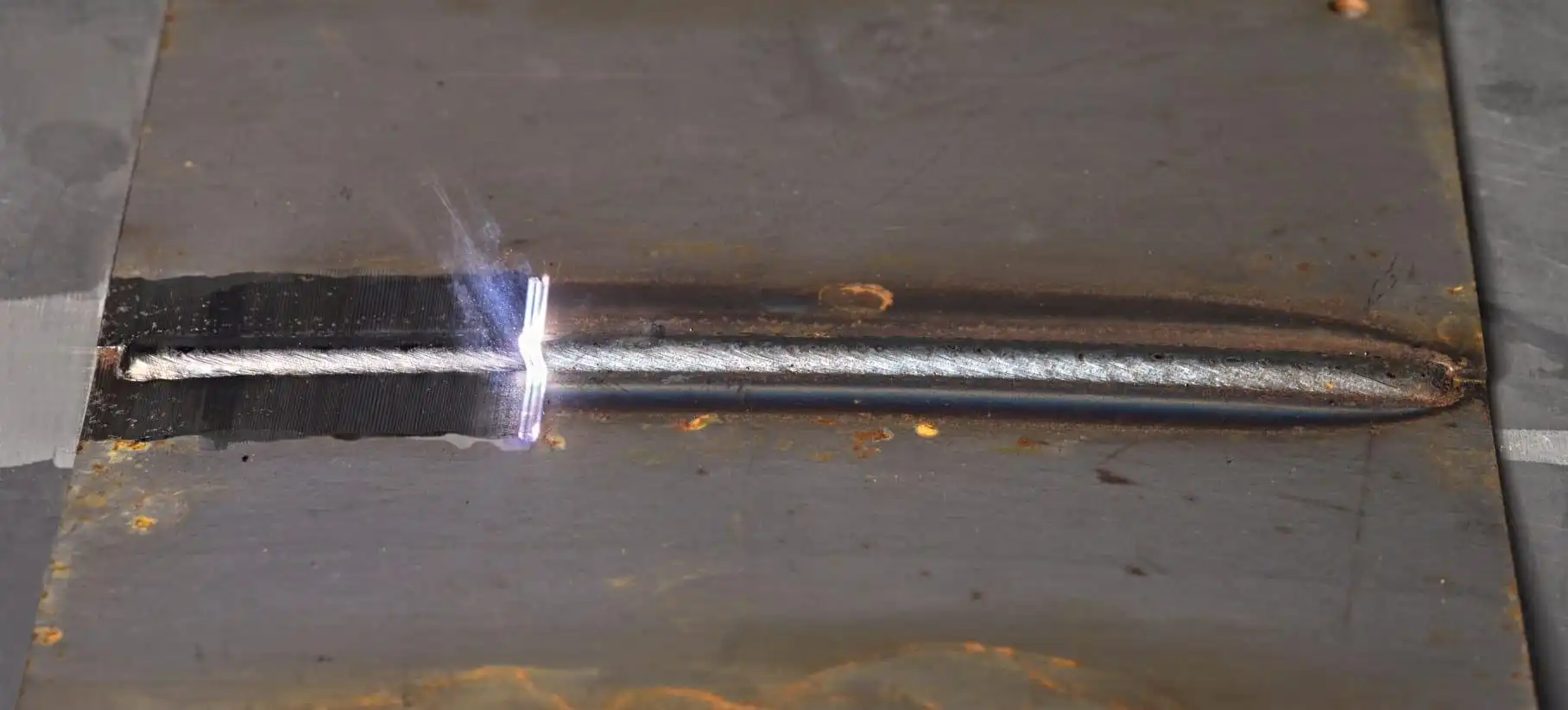
A laser cleaning machine uses exact pulses of concentrated light energy to clean areas that are dirty. Surface contaminants like rust, paint, or oil are quickly heated by the laser beam. This causes fast vaporization or thermal expansion, which breaks the link with the substrate below. The base metal is not destroyed because it either reflects or receives laser energy differently than the layer of contamination. This concept of selective absorption makes precision possible, which is not possible with mechanical means. Fiber laser systems have become standard in the industry because they are reliable, work well, and don't need as much upkeep as older CO2 laser technology.

Key Performance Differences
The main difference is between cleaning with and without touching. Sandblasting surfaces literally, which can change the texture of the base, insert particles, or damage delicate parts. Laser systems stay completely separate from the workpiece, which makes them perfect for electronics that are sensitive to heat, complex aerospace metals, or high-end jewelry, where the surface consistency is very important. Precision electronics makers like laser cleaning because it can get rid of dirt and dust from tiny areas without damaging nearby parts with heat. Titanium and aluminum metals can be cleaned in aerospace uses without putting stress on the surface or contaminating it with foreign materials that could weaken important welds.
Key Cost Factors in Procurement of Cleaning Solutions
Initial Investment Considerations
Sandblasting equipment generally has relatively low entry costs, with basic systems offering an affordable starting point depending on capacity and the level of automation. At the industrial level, fully automatic sandblasting tanks used in manufacturing environments can require a significantly higher investment due to their large-scale processing capability. By comparison, handheld laser cleaning machine systems designed for entry-level industrial use typically involve a higher initial cost, while fully automated industrial laser cleaning machine setups represent a more substantial investment, depending on factors such as laser power, working area, and system integration level. Perfect Laser's PE-200R handheld laser rust removal system sits in a balanced mid-range position, offering both portability and strong industrial performance. It cleans surfaces without any physical contact with the base material, reducing wear and maintenance needs, and operates without chemical reagents or consumable supplies.
Operational Cost Analysis
The use of abrasive media, energy for the compressor, upkeep for the dust collection system, and dumping fees are all ongoing costs of sandblasting. Labor costs are still very high because workers need to wear safety gear, take breaks often, and get special training. Getting rid of lead paint or toxic coatings costs more because of environmental regulations that require containment systems and the proper handling of dangerous garbage. Laser systems don't need any abrasives, chemicals, or new media, so they don't have any consumable costs. The amount of electricity a laser uses depends on how much power it has, but current fiber lasers are very good at using energy efficiently. Maintenance mostly includes cleaning the lenses and replacing the protective windows every so often. This means that the equipment is down for a lot less time than sandblasting equipment, which needs to be serviced for tool wear, hose degradation, and compressor servicing.
Long-Term ROI and Total Cost of Ownership
A three- to five-year operating timeline must be looked at in order to figure out true cost-effectiveness. The lower price of sandblasting is cancelled out by the higher costs of consumables, labor, and waste that add up every year. Laser cleaning systems show cost recovery by getting rid of consumables, cutting down on worker needs, speeding up processes, and producing little waste. Manufacturers say that switching from sanding to laser methods for similar jobs cuts the time needed to prepare the surface by 40 to 60 percent. Because laser processes don't leave behind any media or chemicals, they don't need any extra cleaning steps. This speeds up production and lowers the cost of handling.
Performance and Application Suitability in Industrial Contexts
Automotive and Aerospace Manufacturing Applications
For the preparation of aluminum body panels and coated steel before welding, automakers are increasingly using laser cleaning machine technology. The process gets rid of zinc coatings and biological contamination without changing the properties of the base metal or making pits that could make structural parts less strong. Even tighter tolerances are needed in aerospace uses, where titanium and high-strength metal parts are cleaned with a laser before they are put together. The technology makes sure that surfaces are free of particles, which is important for keeping the quality of welds and the strength of airplane structures over time. The Perfect Laser PE-200R system gives aerospace providers the accuracy they need while also letting them reach complicated geometries in assembled airplane parts during repair operations with just a handheld tool.
Precision Electronics and Semiconductor Cleaning
When it comes to making microelectronics in a laser blasting machine, mechanical cleaning methods can hurt parts in terrible ways. Without touching the circuit boards or semiconductor packages, laser systems get rid of flux leftovers, oxidation, and biological contaminants. By focusing laser energy on areas as small as a few millimeters across, it is possible to clean only the solder joints and wire ties that need it. For high-volume electronics production, automated laser cleaning works perfectly with robotic systems, giving reliable results that can't be reached by hand. There is no static electricity or particle pollution in the process, which could damage sensitive electronics.
Heavy Industry and Shipbuilding
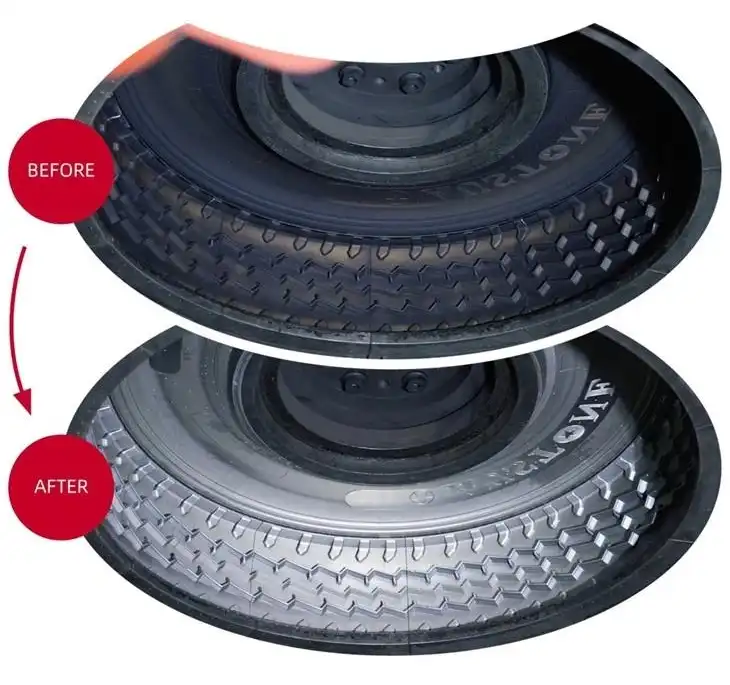
Shipyards and companies that work with structural steel used to only use grinding to get areas ready for coatings. Lasers are a good way to remove rust and paint from ship decks and steel beams, but the cost depends on the size of the job. Large areas with a lot of rust may still benefit from the fast removal rates of sandblasting. Laser cleaning, on the other hand, is better for upkeep tasks, getting weld seams ready, and small fixes that can't be done with sandblasting because of the need for containment systems and waste removal. Steel makers say that laser systems work especially well for cleaning around current coatings that need to stay in place. Sandblasting can't do this without a lot of masking. The laser rust removal machine is very useful for cleaning tire molds because it can get rid of rubber residue from complicated mold shapes without hurting surfaces that were carefully made.
Procurement Considerations for B2B Clients
Evaluating Supplier Reliability and Support
When choosing a laser cleaning machine provider, you need to look at their technical knowledge, service infrastructure, and ability to stay in business in the long run. Companies like Perfect Laser have been making laser systems for decades and have been focusing on making industrial laser tools since 1995. Check the ISO quality management documents and any certificates, such as CE compliance for European markets. It's important to have technical support available—24-hour service access, online diagnostics, and regional service networks all help keep production running smoothly. Perfect Laser has a full support system, including two research and development centers and expert staff who work on everything from software creation to field service. They also offer a warranty that shows they trust their equipment to work.
New Purchase vs. Alternative Acquisition Models
Directly buying tools gives places that need to be cleaned often full control and long-term cost savings. Leasing plans lower the amount of money you need to start out, and they let you improve technology as your needs change. Some sellers have trial programs that let you test real production parts on-site before you commit. There are markets for used equipment, but you need to carefully check the state of the laser source, its history of upkeep, and the remaining life of each component. Because fiber laser technology is changing so quickly, systems that are five years old may not be as efficient or have as many features as newer models. To make sure that performance claims match up with real production needs, procurement teams should ask for thorough comparisons of specifications and, if possible, set up demonstration tests on representative workpieces.
Customization and Scalability Options
Through flexible design, industrial laser systems can work in a variety of production settings. For field service, repair work, and small-batch output, handheld units like the PE-200R give you the most options. Workstation designs combine laser cleaning with comfortable containers that remove fumes and have safety locks to keep operators safe. For high-volume production, fully automatic systems use robotics to move materials, place them on multiple axes, and keep an eye on the process. Because it can work with robotic arms and conveyor systems that are already in place, the implementation can be done in stages that grow as output needs grow. Talk about the options for customization during the buying process. For example, you could ask for special working heads for tight areas, longer line lengths for big structures, or software changes to meet specific process control needs.
Health, Safety, and Environmental Impact
Workplace Safety Protocols
When you sandblast in laser rust removal machine, you can breathe in gritty dust, which can be harmful to your health, and you may need to wear hearing protection because of the noise. High-pressure tools can also be dangerous. Operators have to wear big safety suits with air systems that make it hard for them to move around and see. Containment systems keep environmental releases from happening, but they can make it hard to work in small spaces. When using a laser to clean, you need to be careful about different safety issues. The main ones are keeping yourself safe from direct or reflected laser beams by using technical controls and personal protective equipment. Modern laser cleaning machine systems have safety casings that lock together, beam shutdown sensors, and protective windows that block harmful wavelengths. During training, operators are taught how to choose the right glasses to protect their eyes from the laser's wavelength and keep other people from accidentally being exposed. Fume extraction systems collect contaminants that have been vaporized. This is especially important when removing paint or coatings that may give off dangerous chemicals during ablation.
Environmental Benefits and Compliance Advantages
As rules about industry waste and pollution get stricter, the environmental case for laser cleaning gets stronger. Sandblasting creates tons of spent abrasive contaminated with removed coatings, requiring classification and dumping as hazardous waste when heavy metals or toxic chemicals are present. The costs of transportation and landfills keep going up, especially in places with strict environmental control. Laser methods don't make a lot of waste—just the vaporized contaminant material, which is easily collected by filtering systems. Getting rid of toxic cleaners makes it easier to store, handle, and throw away waste, and it also lowers the risk of exposure in the workplace. When it comes to energy use, current fiber lasers are better than the compressed air systems that power sandblasting. Companies that want to get sustainability certifications find that laser technology fits in with green manufacturing efforts because it lowers carbon emissions and makes environmental reporting easier.
Maintenance Requirements and Equipment Longevity
Regular care is needed for sandblasting equipment. This includes replacing the nozzles because they break down too quickly, checking the hoses to make sure they are safe, servicing the compressor, and keeping up with the media handling system. The amount of use affects how long a component lasts, but replacing consumables and doing preventative upkeep are high costs that keep coming up. Solid-state fiber laser sources are useful for laser systems because they can work for more than 100,000 hours, which is about 11 years of constant use. The PE-200R works reliably and doesn't need any upkeep. It only needs the protected lens to be cleaned every so often and the optical alignment to be checked. Compared to mechanical cleaning systems, systems with few moving parts are less likely to break. Facilities say that laser cleaning makes equipment more available and cuts down on unexpected downtime compared to traditional methods. This means that production is more reliable and less repair work needs to be done.
Conclusion
Whether to buy laser or sandblasting technology relies on the needs of the application, the amount of output, and the long-term goals of the business. Sandblasting is still a good way to prepare big, heavy-duty surfaces when the cost of consumables and environmental management is justified by the need to remove a lot of material quickly. Laser cleaning machine systems are the best choice for precise tasks, sensitive materials, automated production settings, and businesses that care about worker safety and the environment. The technology works especially well in the automobile, aerospace, electronics, and specialized industrial industries that need to keep surfaces clean, make sure processes are consistent, and clean without leaving any contamination. Total cost analysis over three to five years increasingly supports laser investment, even though it costs more at first. This is because lasers remove the need for materials, reduce labor, and make compliance easier. As fiber laser technology keeps getting better and system costs slowly go down, more businesses will start using them instead of the ones that currently use traditional mechanical cleaning methods.
FAQ
1. Which method better preserves metal integrity during rust removal?
Laser cleaning is better for metal structures because it vaporizes rust without damaging the base metal mechanically or thermally. The non-contact process stops the base from deforming, bits from getting lodged, or changes in the surface profile that sandblasting always causes. Metallurgical research shows that areas that have been laser-cleaned still have the same qualities as the original material, which is important for later welding or precise assembly operations.
2. What are the environmental footprint differences?
When wet blasting is used to control dust, sandblasting creates a lot of toxic trash that needs to be thrown away and releases particles that need to be contained. It also uses a lot of water. The activities of a laser cleaning machine create very little waste (just fume particles that are collected), don't use abrasives or chemicals, and use less energy overall when comparing the full system needs, which include fans and ventilation systems.
3. What maintenance do laser machines require?
Cleaning the protective optics every 20 to 40 operating hours, depending on how dirty they are, checking the calibration settings once a month, and changing the protective lens covers when the clarity of the optics gets worse are all part of routine maintenance. Fiber laser sources don't need to be maintained and can work for more than 100,000 hours. Depending on how often they are used, fume extraction screens need to be replaced every so often. The time and money needed for comprehensive repair are much lower than those needed for fixing sandblasting tools.
Partner With Perfect Laser for Advanced Surface Cleaning Solutions
Industrial-grade laser cleaning machine systems from Perfect Laser are designed to work in harsh manufacturing settings in heavy industry, aircraft, automotive, and electronics. Our PE-200R mobile laser rust removal system is both portable and highly effective in industry settings. It cleans without touching the surface and completely gets rid of chemical agents, consumables, and substrate damage while leaving the surface very clean. We offer full support, including expert advice, on-site demonstrations, operator training, and a guarantee that covers two years with 24-hour service access. We have been a trusted provider of laser cleaning machines with CE, TUV, and SGS standards since 1995. Since then, we've given sites in more than 30 countries reliable laser technology. Our expert team helps you choose the best system for your cleaning needs by evaluating applications, figuring out return on investment (ROI), and planning how to integrate new systems. Get in touch with our experts at [email protected] to talk about how laser cleaning technology can help your production operations meet sustainability goals, lower costs, and improve process quality.
References
1. Chen, G. X., Kwee, T. J., Tan, K. P., Choo, Y. S., & Hong, M. H. (2010). "Laser cleaning of steel for paint removal." Applied Physics A: Materials Science & Processing, 101(2), 249-253.
2. Ostendorf, A., & Kaierle, S. (2018). "Laser Surface Cleaning: Fundamentals, Applications, and Recent Developments." Laser Technology in Biomimetics: Basics and Applications. Springer Series in Materials Science.
3. Turner, M. W., Crouse, P. L., & Li, L. (2006). "Comparative interaction mechanisms for different laser systems with selected materials on titanium alloys." Applied Surface Science, 253(19), 7992-7997.
4. Brygo, F., Dutouquet, C., Le Guern, F., Oltra, R., Semerok, A., & Weulersse, J. M. (2006). "Laser fluence, repetition rate and pulse duration effects on paint ablation." Applied Surface Science, 252(6), 2131-2138.
5. Madhukar, Y. K., Mullick, S., Shukla, D. K., Kumar, S., & Nath, A. K. (2013). "Effect of laser operating mode in paint removal with a fiber laser." Applied Surface Science, 264, 892-901.
6. Schmidt, M. J., Li, L., & Spencer, J. T. (2001). "Removal of chlorinated rubber coatings from concrete surfaces using an RF excited CO2 laser." Journal of Materials Processing Technology, 114(2), 139-144.

share your inquiry, get the quotation accordingly.
第一张审核员说包含其他公司不能用_1755049724891.webp)
Perfect Laser – Global Manufacturer of Reliable Laser Solutions


