Practical Uses of Three-in-One Channel Letter Bending Machines
A three-in-one channel letter bending machine combines the functions of bending, notching, and rolling into a single automatic system. This changes the way makers make illuminated signs. This consolidated method cuts down on production time by up to 40% while keeping accuracy at 0.01mm tolerances. Traditional equipment needs multiple stations and hand moves. Sign makers can now finish jobs in hours instead of days, which has a big impact on both their working efficiency and their ability to make money. The technology solves some of the biggest problems in the industry, like a lack of workers, wasted materials, and uneven quality that come with traditional ways of making things.
Understanding Three-in-One Channel Letter Bending Machines
Core Components and Integrated Functions
A channel letter bending machine combines bending, notching, and rolling into one automated system, cutting production time by up to 40% with 0.01mm accuracy. Traditional methods need multiple stations and manual moves. The Perfect Laser PEL-700 features dual-slot notching handling aluminum and stainless steel simultaneously without tool changes. This channel letter bending machine works with materials up to 1.20mm thick and 2–150mm wide, wider than competing models limited to 120mm.

Operational Advantages Over Traditional Equipment
A channel letter bending machine consolidates functions that once occupied 200–300 square feet into just 80 square feet, critical where shop rent is a major cost. Training time drops from 3–4 weeks on separate tools to 5–7 days with integrated touchscreen controls. The PEL-700 runs continuously for over 72 hours. Cutting blades on this channel letter bending machine last 1–12 months versus grinding wheels needing replacement every 2–3 days, saving $3,500–$4,200 annually in tooling costs.
Cost-Efficiency and Versatility in Production
A channel letter bending machine reduces scrap through exact computer-controlled moves that eliminate manual transfer errors. Traditional methods waste 8–12% of material; automated channel letter bending machine achieves waste below 3%. The PEL-700 works with coated materials, aluminum sidebands, and stainless steel coil without changeovers. Minimum bend width is 5mm for script forms and decorative elements. Spark-free slotting accommodates heat-sensitive LED components increasingly used in current signage designs.
Practical Applications and Industry Use Cases
Sign Makers and Advertising Firms
Businesses that make commercial signs are the main customers for automatic channel letter bending machines. A typical mid-sized shop that makes 50 to 100 channel letter sets a month is constantly under pressure to cut down on response times and keep prices low. The PEL-700's ability to run continuously changes the way production schedules are made possible, letting shops run overnight groups that used to need constant control.
Think about a local advertising company that specializes in shop signs. Before they started using three-in-one technology, the average job took 10–14 business days from approval of the plan to product ready for installation. Manually bending things slowed things down, especially when projects needed to be changed a lot or had complicated custom fonts. When they switched to the Perfect Laser method, the usual time it took to finish dropped to 5–7 days. Because of this speeding up, they were able to take rush orders at higher prices, which was a way to make money that they had to do before by hiring bigger companies to do the work for them.
The effect on business goes beyond speed. Callbacks for dimensional changes dropped from about 8% of jobs to less than 2% as quality consistency got much better. Each delayed callback saves about three to four hours of work and material costs, which makes a big difference in the company's annual profits.
OEM Manufacturers and Custom Fabricators
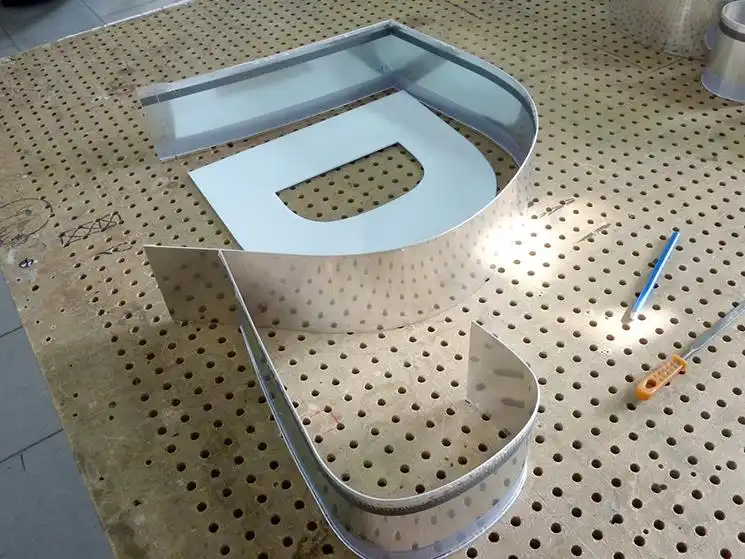
OEMs serving construction and retail display markets need customized production at high volumes. A channel letter bending machine provides CNC-controlled flexibility for 20–500 different letter designs monthly with batch sizes from one prototype to hundreds of identical pieces. The PEL-700 operates offline, allowing designers to work on multiple job files simultaneously. Single-shift facilities double throughput using this channel letter bending machine for unattended overnight operation. Material compatibility includes brushed aluminum, powder-coated steel, and copper.
Addressing Manufacturing Challenges
The most common benefit mentioned is shorter lead times, but gains in accuracy are just as important. When making things by hand, there is room for error because people can have slightly different techniques, get tired after long production runs, or misread the dimensions. These problems show up as letters that don't line up right when they're being installed or LED strips that don't fit right into holes that have already been cut out.
Systems that are managed by computers get rid of this variation. The PEL-700 stays accurate to within 0.01mm over thousands of repetitions, making sure that the 500th letter in a batch fits the measurements just as well as the first. This consistency is especially helpful when making signs with many parts where each letter has to line up properly over 20 to 30 feet.
The need for workers changes, not goes away. Before three-in-one machines, production needed skilled metal fabricators with three to five years of experience. Now, shops can use less experienced operators for regular production and save their skilled fabricators for specialty work and troubleshooting. This freedom in the workforce helps businesses deal with hiring issues and keep labor costs low.
Choosing the Right Three-in-One Channel Letter Bending Machine
Evaluating Features Against Production Needs
Choose a channel letter bending machine by weighing budget constraints against operational requirements. Standard 2–120mm width suits most signage jobs, but shops making architectural signs benefit from PEL-700's wider 2–150mm range. Maximum 1.20mm thickness allows heavier-gauge materials for harsh outdoor conditions. Automation level impacts workflow: semi-automatic needs manual material loading; fully automatic channel letter bending machine feeds materials and connects to upstream cutting tools for truly continuous workflow when volume exceeds 30–40 letter sets weekly.
Manual vs. Automatic Variants
Manual channel letter bending equipment suits very low-volume shops making under 10 letter sets monthly or highly customized architectural features. Manual bending requires constant focus; a skilled fabricator completes 3–4 letters hourly with speed declining over long runs. The PEL-700 automated channel letter bending machine processes 8–12 letters hourly depending on complexity, maintaining output throughout multi-day runs. ROI calculation must consider labor costs, production volume, and growth forecasts. Shops making over 40 letter sets weekly typically see ROI in 14–18 months after switching to automatic channel letter bending machine.
Supplier Considerations and Support Infrastructure
After-sales support significantly impacts equipment lifespan for your channel letter bending machine. Perfect Laser provides 24/7 online support recognizing that sign-making schedules often extend beyond normal business hours. Remote diagnostics resolve software or configuration problems without on-site visits. The PEL-700 channel letter bending machine carries a two-year warranty exceeding industry average. Extended warranty options merit consideration for shops planning intensive production schedules. Comprehensive training including operator manuals and video tutorials accelerates time to full productivity for your channel letter bending machine.
Operating and Maintaining Your Three-in-One Channel Letter Bending Machine
Daily Operation and Safety Protocols
Operators need proper training on both machinery operation and safety procedures for a channel letter bending machine. The PEL-700 incorporates safety interlocks that stop operation when guards open. Standard precautions include securing loose clothing and wearing safety glasses. Operators load vector files containing letter shapes; the control system generates automatic toolpaths for notching, bending, and forming on this channel letter bending machine. Weekly calibration checks verify bend angles and notch positions remain within specified tolerances using precision measuring tools.

Routine Maintenance and Troubleshooting
Daily cleaning of a channel letter bending machine removes metal shavings that can foul sensors. Weekly lubrication according to manufacturer specifications prevents friction damage. The blade-free slotting technique on this channel letter bending machine requires significantly less maintenance than grinding wheel methods. Replacement tooling lasts months versus daily wheel dressing. Common issues include material feeding errors or calibration drift. Diagnostic screens on the channel letter bending machine display sensor readings and system status markers aiding troubleshooting. Perfect Laser technical support provides remote access to observe machine operation and analyze error logs.
Extending Machine Lifespan Through Preventative Care
Scheduling strategic repair strikes a balance between the need for production and the need to protect tools. Performing preventative maintenance during natural production slowdowns, like overnight for single-shift operations or between big projects, keeps schedules from getting thrown off. Keeping detailed records of service times, part replacements, and calibration results in maintenance logs helps you plan your budget and know when big service intervals are coming up.
Replacement times are greatly affected by the quality of the parts. Precision wear-resistant guides on the PEL-700 show how better materials can lower total running costs. While the starting cost of the equipment may be higher than entry-level options, not having to change guides on a regular basis saves a lot of money over 10 or more years of use.
Investing in ongoing operator training is important after the initial equipment activation. As the needs of production change or as new materials become available, teams need to go through repeat training to make sure they are fully utilizing the capabilities of their tools. As software updates add new features or make current processes better, Perfect Laser gives users access to training materials that are kept up to date.
Future Trends and Innovations in Channel Letter Bending Machines
Digital Control and Industry 4.0 Integration
Connectivity in manufacturing allows for real-time tracking of production and improvement based on data. IoT devices built into next-generation channel letter bending machines keep track of how much material is used, how often the machines are used, and how productive they are. This clear view of the data helps makers find bottlenecks, make better schedules, and guess what work needs to be done before parts break.
Another new feature is the ability to connect to corporate resource planning tools. When production equipment talks directly to software for managing inventory and arranging jobs, makers can see the process in a way that has never been possible before. The system automatically changes how much material to buy based on what the next project needs. It also lets managers know when production goals are met and warns of possible delays before they cause customers to break their promises.
Cloud-based design tools make it easier for people in different locations to work together and follow the same standards. Designers can make letter shapes at headquarters, and regional fabrication facilities can use those specs right away. This unified control keeps the brand consistent while using the spread out production capacity to cut down on wait times and shipping costs.
Automation Enhancements and Customization Capabilities
Adding robotics to material handling will likely cut down on the need for workers even more. As they are being built, systems will automatically add material coils, take away finished letters, and sort finished parts by project or installation order. This level of automation lets production happen overnight without any help, which is especially useful for businesses that serve markets with quick response times.
Adaptive bending algorithms are another new area of research. Currently, machines follow pre-programmed steps no matter how the material properties change. Sensors in more advanced systems will check the hardness and springback of the material, and then the system will automatically change the forming settings to keep the same level of accuracy across different sources or lots of material. This intelligence cuts down on setup time and waste while making results more reliable.
As control systems get smarter, the ways that they can be customized keep growing. Being able to make complicated three-dimensional shapes other than simple letter shapes can be used in building elements, decorative panels, and unique fixtures. When manufacturers buy flexible equipment, they set themselves up to go after new markets instead of just using it for traditional signs tasks.
Preparing for Technological Evolution
PC-based control systems like the PEL-700 channel letter bending machine receive capability upgrades through software updates, protecting against premature obsolescence. Workforce development requires equal attention—as machines become more intelligent, operator roles shift from manual fabrication to technology management. Cross-training programs teaching basic programming, data analysis, and troubleshooting prepare teams to leverage advanced channel letter bending machine capabilities while reducing reliance on external technical support for routine issues. Consultative suppliers help match features to specific growth plans.
Conclusion
Channel letter bending machines have turned the process of making signs from time-consuming and labor-intensive handwork to efficient, automated production. The Perfect Laser PEL-700 is a good example of how combining bending, notching, and forming can help: it cuts down on production time, improves consistency in dimensions, lowers running costs, and makes it easier to meet the needs of challenging markets. When manufacturers are thinking about buying new equipment, they should put business needs ahead of minimizing beginning costs. This is because better automation, more space for materials, and a strong support system all add up to a lot of value over time. As Industry 4.0 connections and adaptive automation keep changing, choosing equipment with update paths protects investments and sets up operations to stay ahead of the competition.
FAQ
1. How long does it take for new operators to learn a three-in-one channel letter bending machine?
Modern systems like the PEL-700 are designed with intuitive touchscreen controls, allowing operators with basic computer skills to become proficient within about 5–7 days of training. The simplified workflow reduces dependence on highly experienced fabricators for standard production tasks.
2. Can beginners operate automated letter bending machines effectively?
When compared to older machines, modern equipment with easy-to-use tablet displays makes learning much faster. Operators who know the basics of computers can usually become proficient within 5 to 7 days of training. The PEL-700 is designed to be easy to use, so people who aren't very good at metalworking can still produce good results. However, expert makers are still needed for complex special projects and advanced troubleshooting.
3. How do automatic and manual machines compare regarding return on investment?
Businesses that make more than 40 letter sets a week usually get their money back on fully automatic equipment within 14 to 18 months by saving money on labor and increasing productivity. Low-volume shops can use manual equipment, but it can't match the speed or accuracy of automatic equipment. To find the best long-term value, the estimate needs to take into account your unique labor rates, production volume, and growth forecasts.
Partner with Perfect Laser for Superior Sign Fabrication Solutions
Perfect Laser is a reliable company that has been making channel letter bending machines for 30+ years and works with sign makers all over the world. Our PEL-700 three-in-one system delivers the precision, reliability, and automation capabilities that modern sign fabrication demands. We understand the pressures facing your operation: tight deadlines, demanding quality standards, and the constant need to control costs while maintaining competitiveness.
Our commitment extends beyond equipment sales. Perfect Laser provides comprehensive support including operator training, technical assistance available 24 hours daily, and rapid access to replacement components that minimize production interruptions. CE, TUV, and SGS certifications confirm our quality standards meet international requirements. With installations across Germany, Japan, Italy, Brazil, and throughout the United States, our global presence ensures you receive consistent support regardless of location.
Whether you're establishing a new fabrication operation or expanding existing capacity, our team will help you evaluate how the PEL-700's capabilities align with your specific requirements. Contact us at [email protected] to discuss your production needs, request detailed specifications, or arrange a demonstration showing how our equipment transforms sign manufacturing efficiency.
References
1. Anderson, M. (2022). Automated Metal Forming Technologies in Commercial Signage Production. Industrial Manufacturing Press.
2. Chen, R., & Thompson, K. (2021). "Precision Control Systems for CNC Letter Bending Equipment." Journal of Manufacturing Automation, 45(3), 112-128.
3. Davies, P. (2023). Sign Industry Equipment Guide: Evaluating Fabrication Machinery for ROI. National Sign Association Publications.
4. Graham, L. (2022). "Comparative Analysis of Manual versus Automated Channel Letter Production Methods." Signage Technology Quarterly, 18(2), 34-49.
5. Martinez, S., & Wong, J. (2023). Industry 4.0 Integration in Small-Scale Metal Fabrication. Manufacturing Technology Institute.
6. Reynolds, T. (2021). "Maintenance Strategies for Extending CNC Equipment Lifespan in Sign Manufacturing." Production Efficiency Review, 29(4), 67-82.

share your inquiry, get the quotation accordingly.
第一张审核员说包含其他公司不能用_1755049724891.webp)
Perfect Laser – Global Manufacturer of Reliable Laser Solutions


