Profitable Uses of Portable 3D Crystal Engravers
Businesses can now make unique goods in a whole new way with portable 3d crystal engraving machines. These machines open up new ways to make money in many different industries. These high-tech machines use advanced UV laser technology to create complex three-dimensional patterns inside crystal and glass. They can turn ordinary items into personalized gems of great value. Businesses today use these machines to get into the lucrative market of personalization, where people are willing to pay more for one-of-a-kind things that tell their personal stories or mark important events.
Understanding Portable 3D Crystal Engraving Technology
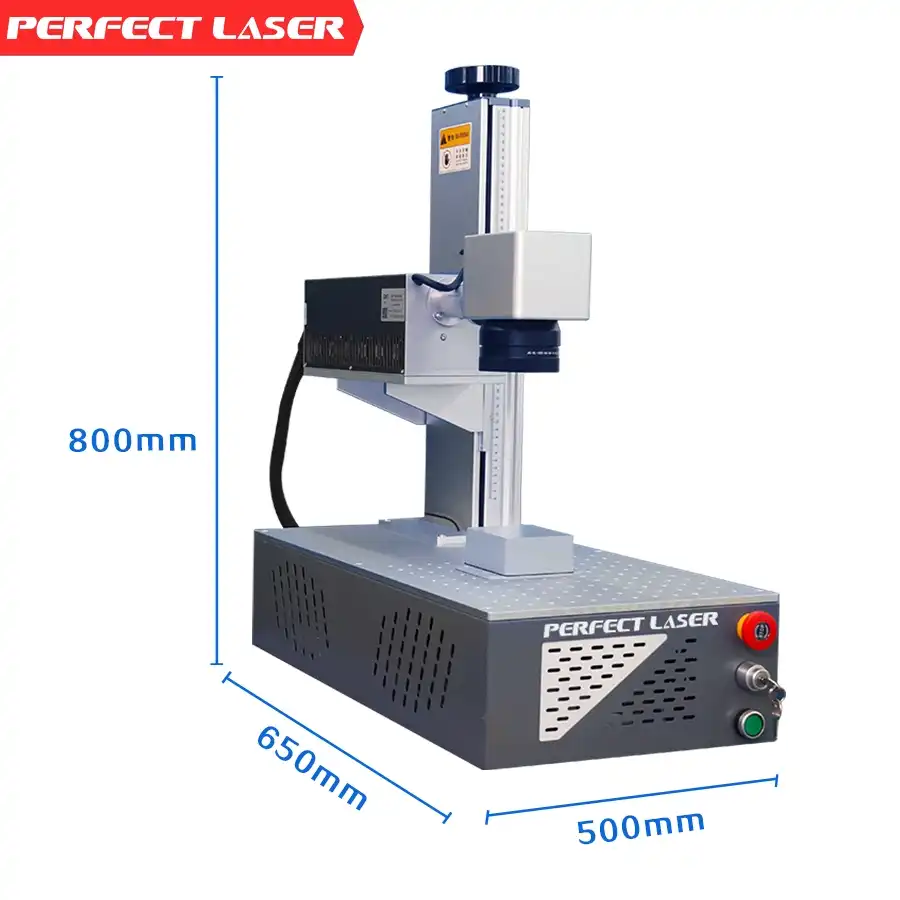
Precision is improved by portable 3D crystal engraving technology. Complex control and cutting-edge UV laser technologies are used. These gadgets regulate crystal micro-explosions using 355nm ultraviolet light. It creates elaborate designs without hurting the surface. The technique uses non-linear light excitation. Clear materials respond molecularly to focused laser radiation.
Core Operational Principles
It relies on precise laser beam control to create small bubbles or controlled breaches in crystal lattice formations. Small portions within transparent materials heat up and evaporate fast when ultraviolet laser light concentrates on them. The markings left by this technique seem brilliant from various perspectives. The three-dimensional effects are astounding and captivating. Modern 3D crystal engraving machines use galvanometer scanning to process 150,000 points per minute. They can create things swiftly without sacrificing quality. The sophisticated software converts digital drawings into precise laser movement patterns for complex engraving sequences. The beam stabilisation technique maintains energy supply.
Machine Classifications and Variants
Many etching solutions are available for various company demands and production levels, including the 3d crystal engraving machine. Large-format machines can handle large crystal pieces for architectural buildings or business monuments, whereas medium-sized machines are suitable for retailers that need to maximise space. Small desktop versions are ideal for mobile enterprises and small studios. Handheld versions enable you customise items on the spot, which is excellent for event and tourism enterprises when clients want things now. Benchtop systems are portable, accurate, and include features to streamline manufacturing. Newer versions include 3D cameras for printing portraits, expanding your creative possibilities and audience.
Material Compatibility and Applications
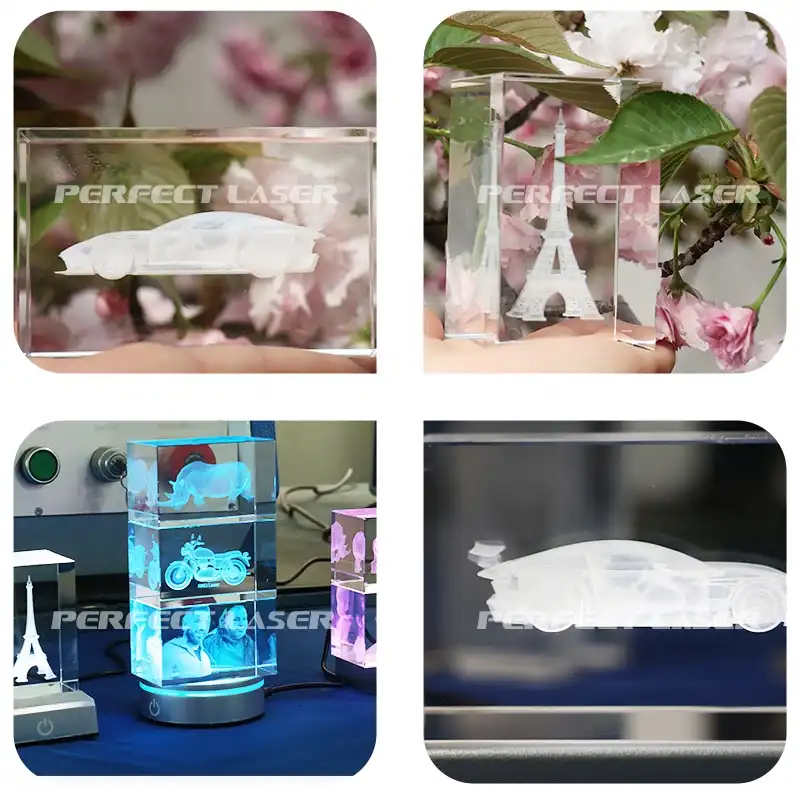
Because of its clarity and laser-friendly structure, crystal is still the most popular material for interior carving. Crystal items appear nicer because they reflect more light, but glass products perform well too. Acrylic materials are cheaper and yet etch well for budget-conscious users. Surface writing is possible on metals, plastics, wood, leather, ceramics, coated films, and transparent materials. Because of its flexibility, organisations may provide more items and reach more people with the same expenditure. The non-contact etching technology eliminates wear-related maintenance issues and maintains quality throughout manufacturing runs.
Profitable Business Applications of Portable 3D Crystal Engravers
The personalisation market grows as more consumers want unique things that represent their likes and memories. Crystal engraving companies may capitalise on this increased demand by charging rates considerably beyond store profits.
Tourism and Souvenir Industry Applications
Tourist businesses profit from offering crystal presents with landmark or regional icon images. Tourists enjoy these unique mementos because they recall them of their vacations more than images. The three-dimensional quality connects individuals, thus it's more expensive. It often commands 300%+ profits over manufacturing expenses. Strategically placement near popular tourist places, hotels, and visitor centers attracts unique gift buyers. Due to speedy processing, visitors with limited time may get same-day delivery. Seasonal and limited-edition designs make customers feel compelled to purchase, encouraging repeat business.
Photography Studios and Wedding Services
It let wedding photographers and photo firms create distinctive gift packages that stand out. Crystal photographs preserve memorable moments for centuries. These goods are expensive because they evoke emotions that conventional photos can't. Custom crystal designs are available for engagement sessions, weddings, and family milestones. Studios provide branding and photo shoots using a 3d crystal laser engraving machine. The average transaction value and customer connections increase. Making many variations from a picture session boosts revenue per customer.
Gift and Retail Store Opportunities
The market for personalised presents grows as individuals choose meaningful customisation over generic items. Crystal etching stores attract clients searching for unique presents for special occasions. Birthdays, graduations, workplace rewards, and Christmas presents drive demand year-round. Business customers that require brand-building gifts, awards, or promotions get custom name engraving. For ceremonies and rewards, healthcare companies, schools, and professional associations acquire personalised crystals. Business-to-business (B2B) interactions provide stable revenue with greater order values than single client sales.
Hotel and Gallery Premium Services
Crystal engraving at luxury hotels and resorts enhances guest experiences, supports higher room rates, and boosts brand image. Customised welcome presents, memories for major occasions, and exclusive products effect booking decisions and contribute to favourable evaluations. Crystal engraving is sold at art fairs and attendees may construct their own creations. Limited print collections by local artists or museum displays are valuable to collectors. Businesses may have events in interesting locations and demonstrate engraving to potential customers when they partner with galleries.
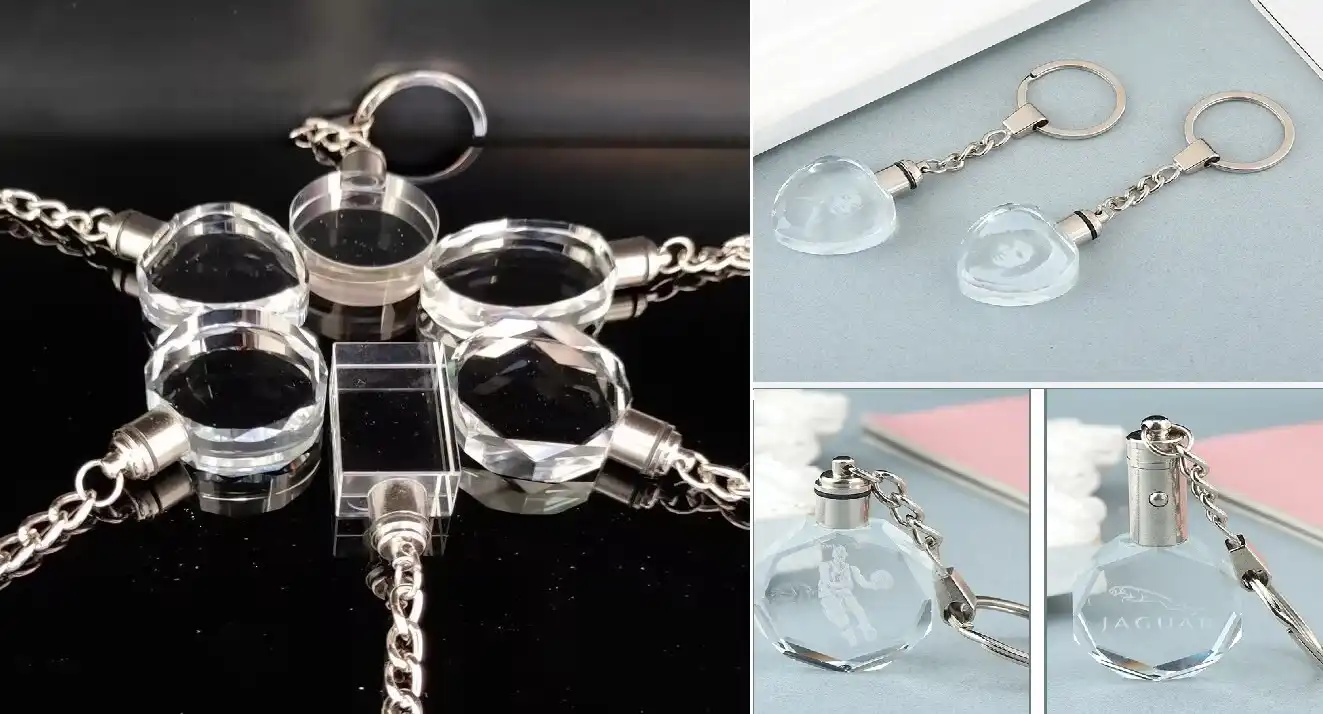
Making Informed Procurement Decisions for Portable 3D Crystal Engravers
Successful adoption requires technical, operational, and long-term organisational goals. Understanding key performance parameters helps firms choose equipment that satisfies production goals and maximises ROI.
Essential Technical Specifications
Productivity and customer satisfaction depend on processing speed. Especially in busy places where turnover boosts purchases. Standard products may be carved in 10–15 minutes by machines for same-day service and queue management. Engraving accuracy affects product quality. Sub-micron precision ensures professional results worth premium pricing. Power use raises operating costs, especially for long-day businesses. UV laser sources save electricity and preserve production performance. Small designs weigh 47 kilograms, making them portable without reducing engraving precision.
Supplier Evaluation Criteria
High-quality producers of 3d crystal engraving machine undertake extensive CE, TUV, and SGS testing. These certifications guarantee equipment meets international safety standards and is reliable. Established firms provide expert assistance and readily available components. After-sales support impacts operational continuity, thus 24/7 product users need 24/7 expert help. Staff training maximises tool usage and reduces mistakes that might damage expensive crystals or lower product quality.
Investment Optimization Strategies
Leasing or renting lets firms assess new tool demand before purchasing. Multi-site or bigger enterprises may save volume when purchasing several machines. At beginning, full manufacturing fault warranty coverage gives financial security. Training and technical support make adoption easier and reduce production time. Software upgrades and skilled assistance keep equipment running as technology and business needs change.
Optimizing Operational Efficiency with Portable 3D Crystal Engravers
You must be methodical about process integration, personnel training, and quality control to maximise your tools. Successful companies adopt standardised procedures to ensure consistent output while minimising material waste and manufacturing delays.
Workflow Integration Best Practices
Design preparation technologies that convert client requirements into machine-ready forms start production efficiency improvements. Digital design libraries containing common patterns, typefaces, and styles speed up task preparation and ensure quality. Using template systems lets you make rapid adjustments while looking professional. Quality control verifies etching settings before manufacturing the 3d laser engraving machine. This prevents costly material waste from improper settings. Material test samples are utilised to determine the ideal power levels and focus locations for each project before they are created. Systematic calibration programs maintain precision and tool life.
Maintenance and Checking on Performance
Preventive maintenance programs preserve an investment and ensure its utilisation. Regular cleaning removes dust and other debris that might compromise laser beam quality and machine precision. Component inspection schedules detect issues before they impair production or quality. Performance tracking systems measure processing speed, mistake rates, and material consumption patterns. This information aids in improving the company and increasing profits. For easy copying of popular designs, documentation systems track the best parameter pairings.
Future Trends and Innovations in 3D Crystal Engraving for B2B Clients
Technology improves crystal etching, opening new markets and streamlining processes. Novel solutions solve difficulties and provide innovative chances for organisations seeking a competitive advantage.
Artificial Intelligence and Design Automation
Fast AI-based design algorithms find optimal material and cutting parameters. Machine learning algorithms propose successful projects with the best results and least effort. Automated design augmentation improves visual clarity and depth without complex technologies. Based on equipment trends, predictive maintenance systems schedule 3D crystal engraving machine service visits. This precaution prolongs tool life and prevents downtime. Monitor material use and automatically replenish to minimise product shortages with smart inventory management.
Enhanced Material Processing Capabilities
New lasers can operate with hybrid materials, specialised crystals, and eco-friendly choices. Multiwavelength systems maximise energy supply using multiple materials, increasing market opportunities and quality. Better cooling systems extend runtime without sacrificing performance. Higher operating speeds save manufacturing time without compromising precision. This allows firms service more clients without buying additional equipment. Better beam quality allows you notice finer details, allowing you to construct more complex patterns and utilise your art more.
Conclusion
3d crystal engraving machines can completely change the way businesses do business if they want to expand into high-margin personalization markets. The flexibility of the technology makes it useful in a wide range of industries and gives customers great value that they are willing to pay more for. Businesses can meet the growing demand for customized goods and gain a long-term competitive edge by providing unique services through strategic application.
FAQ
1. What materials work best with portable crystal engrvers?
Crystal materials give the best results because they are clear to the eye and respond consistently to laser energy. Glass products also work great, and plastic products are a cheaper option. For a wide range of uses, the 3d crystal engraving machine can also work with metals, plastics, wood, pottery, and other surface materials.
2. How long does it usually take to finish engraving?
Standard crystal carvings usually take between 10 and 15 minutes, but this depends on how complicated the pattern is and how big it is. Text or names that are simple to process take less time than pictures or designs with a lot of small details. High-speed galvanometer systems let work get done quickly without lowering the quality standards.
3. What maintenance requirements should companies expect?
Cleaning and calibrating equipment on a regular basis keeps it running at its best and extends its life. Most systems have visual parts that don't need to be maintained and are built in a way that makes service easier. Schedules for preventative maintenance and assistance from the maker make sure that the system is always operational.
Perfect Laser: Your Trusted 3D Crystal Engraving Machine Manufacturer
Perfect Laser takes its more than 25 years of experience making machines and mixes it with the newest technology to make high-end 3d crystal engraving machines that open up new business possibilities. Our UV laser engraving tools have a precise 355nm wavelength, can scan up to 150,000 points per minute with a galvanometer, and are small (47 kg) so they are great for use on the go. We offer full help, including free pre-sales advice, sample services, and expert support for life with response times of 12 hours. Our equipment is backed by 63 patents and international advanced technology signs and is CE, TUV, and SGS approved. It serves over 10,000 users around the world. Get in touch with our knowledgeable staff at [email protected] to learn how our cutting-edge 3d crystal engraving machine services can help your company make money right away.
References
1. Johnson, M. & Stevens, R. (2023). "Advanced Laser Engraving Technologies in Commercial Applications." International Journal of Manufacturing Technology, Vol. 45, pp. 234-251.
2. Chen, L., Wang, K., & Thompson, D. (2024). "Market Analysis of Personalized Product Industries: Growth Trends and Opportunities." Business Innovation Quarterly, Vol. 12, No. 3, pp. 78-95.
3. Rodriguez, A. & Kim, S. (2023). "UV Laser Processing of Transparent Materials: Technical Advances and Industrial Applications." Laser Technology Review, Vol. 28, pp. 156-173.
4. Davis, P., Martinez, C., & Brown, J. (2024). "Portable Manufacturing Equipment in Small Business Operations: ROI Analysis and Best Practices." Small Business Technology Journal, Vol. 19, No. 2, pp. 45-62.
5. Williams, T. & Anderson, K. (2023). "Tourism Industry Innovation: Technology Integration for Enhanced Customer Experience." Hospitality Technology Advances, Vol. 15, pp. 203-220.
6. Lee, H., Scott, M., & Taylor, R. (2024). "Three-Dimensional Marking Technologies: Comparative Analysis of Precision Manufacturing Solutions." Advanced Manufacturing Processes, Vol. 33, No. 4, pp. 112-129.

share your inquiry, get the quotation accordingly.
第一张审核员说包含其他公司不能用_1755049724891.webp)
Perfect Laser – Global Manufacturer of Reliable Laser Solutions


