Rotary Pin Marking Machine: Complete 2026 Buyer’s Guide
Rotary pin marking tools with advanced dot peen marker technology are being used more and more by makers in the automotive, aerospace, electronics, and heavy industries to permanently identify parts. These industrial marking systems leave marks on metals, plastics, and composites that last and are legal. They meet the important needs for tracking, legal compliance, and supply chain openness. Dot peen marker technology, on the other hand, makes lasting marks by hitting something with a precise stylus. This means that marks will last for decades, even in harsh conditions like high temperatures and chemical exposure. This complete buyer's guide explains the technical basics, selection criteria, buying strategies, and upkeep procedures that procurement teams need to know in order to buy rotary pin marking equipment with confidence through 2026 and beyond.
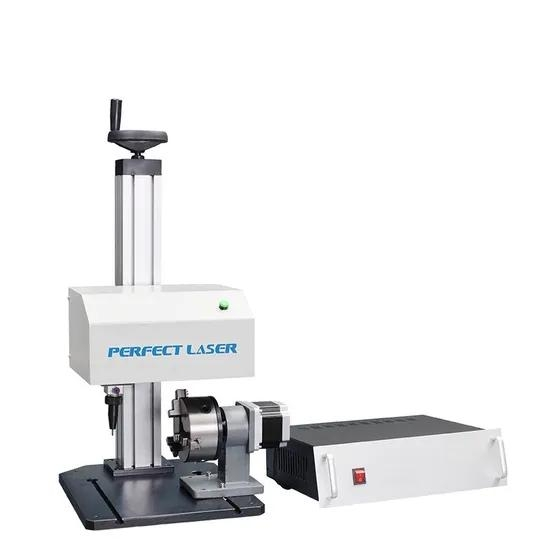
Understanding Rotary Pin Marking Machines and Dot Peen Marking Technology
Rotary pin marking machines are a specialized form of standard dot peen marker systems. They combine the durability of pin impact technology with the ability to mark on both flat and curved parts. At their heart, these machines use a stylus with a carbide or diamond tip that quickly hits the surface of the object. This makes a series of closely spaced depressions that can be used to make letters, numbers, logos, VINs, serial numbers, and two-dimensional codes like Data Matrix.
Core Operational Principles
A computer-controlled device points the pneumatic or electromagnetic pen to specific points on the workpiece to start the marking process. Thousands of times per second, the pen hits the object, leaving a tiny mark about 0.1 to 0.5 millimeters deep with each hit. Characters and images can be read because of the density and structure of these dots. They can be read throughout the lifecycle of the component. The PEQD-025 model from Perfect Laser is a good example of this technology because it has both flat and rotating marking capabilities on a single platform that can be easily managed through a Windows-based interface.
Key Components and Architecture
Rotary pin marking systems combine several coordinated components. The rotary head enables cylindrical parts such as pipes and rods to rotate during marking, ensuring full circumferential identification. Control software converts CAD files from tools like AutoCAD or CorelDraw into marking instructions. A lifting structure supports various workpiece sizes and positioning needs. These systems typically achieve 2–10 characters per second depending on material hardness and marking depth. Together, these components allow precise, automated marking across complex industrial geometries with high repeatability and efficiency.
Distinguishing Rotary from Conventional Dot Peen Methods
Traditional dot peen systems are limited to flat surfaces, while rotary pin marking machines handle both flat and cylindrical parts. The rotary function eliminates the need for multiple machines, allowing one system to mark items ranging from small screws to large cylinders. This versatility is especially valuable in automotive and aerospace industries, where components require full traceability from all angles. Rotary systems simplify production workflows, reduce equipment redundancy, and ensure consistent marking quality across complex part geometries without manual repositioning.

Advantages Over Alternative Marking Technologies
Compared with laser engraving, inkjet printing, and chemical etching, dot peen marking offers strong durability and cost efficiency. Laser systems require high investment and safety infrastructure, while inkjet markings fade under oil and solvents. Chemical etching involves hazardous materials and disposal concerns. Dot peen marking creates permanent indentations that remain readable throughout a product’s lifecycle. It operates safely in open environments and has low consumable costs, making it a practical, regulation-friendly solution for manufacturers prioritizing long-term traceability and operational efficiency.
Key Factors to Consider When Choosing a Rotary Pin Marking Machine
To choose the right rotary pin marking machine, you need to carefully look at your working needs, the properties of the material, the amount of output you need, and your integration needs. To make sure their investment meets changing manufacturing needs, procurement teams have to find a mix between short-term usefulness and long-term scalability.
Performance Specifications and Marking Capabilities
Depth of stamping regularly ranges from 0.1–0.5 mm, adjusting solidness with fabric astuteness. More profound marks make strides life span but may misshape lean parts. Advanced rotational stick frameworks accomplish 2–10 characters per moment depending on fabric, text style, and accuracy necessities. Machines like the PEQD-025 utilize flexible affect drive and programmable controls to guarantee steady execution for both mass generation and small-batch checking tasks.
Material Compatibility Assessment
Different materials react in an unexpected way to dab peen stamping, influencing quality and device life. Steel and stainless steel permit profound, solid marks with negligible wear. Aluminum and brass require lower drive to maintain a strategic distance from misshapening. Difficult amalgams and composites require exact control of affect and stylus determination. The PEQD-025 alters parameters through computer program, guaranteeing ideal stamping quality over changed materials without manual equipment changes.
Automation Integration and Production Workflow
Modern rotational stick stamping frameworks coordinated with ERP, MES, and quality databases for robotized, data-driven stamping. This decreases manual input, minimizes blunders, and moves forward generation speed. Frameworks naturally recover portion information and apply adjust stamping parameters. Perfect Laser arrangements back standard mechanical conventions, empowering consistent integration with PLCs and mechanical frameworks broadly utilized in car and aviation fabricating environments.
Portability and Installation Flexibility
Rotary stick checking machines can be stationary or convenient depending on generation needs. Settled frameworks suit tedious, high-precision errands, whereas handheld or versatile dab peen units are perfect for expansive or steadfast components. Choosing between setups depends on workspace format, generation scale, and operational adaptability prerequisites, guaranteeing effective stamping in both plant and field environments.
Maintenance Requirements and Operational Lifespan
Total taken a toll of possession incorporates support, consumables, and life expectancy. Stylus tips are the fundamental wear parts, enduring 5–15 million markings depending on fabric hardness. Frameworks like the PEQD-025 back speedy substitution to decrease downtime. Normal cleaning and pneumatic checks guarantee solidness. With legitimate support, machines can work dependably for over 10 a long time, maximizing return on investment.
Customization Options and OEM Solutions
Standard machines meet most needs, but specialized industries require customization. Perfect Laser provides OEM solutions including custom fixtures, software adjustments, and system integration. These are especially useful for aerospace, automotive, and medical applications where standard setups may not meet strict requirements. Customized systems improve efficiency and ensure compliance with complex production standards.
How to Procure the Best Rotary Pin Marking Machine: Sourcing and Pricing Guide
To strategically buy rotary pin marking tools, you need to know what the suppliers can do, how their prices work, and how to build relationships that will help your business succeed in the long run. When looking for a trusted dot peen marker provider, manufacturers should look at the supplier's technical knowledge, support infrastructure, and track record in similar applications.
Identifying Qualified Manufacturers and Distributors
Global providers shift broadly in capability, so capability is basic. Companies like Perfect Laser, with over 20 a long time of encounter and certifications such as CE, TUV, and SGS, meet universal measures. Their 63 licenses illustrate progressing advancement. Assessing certifications, generation quality, and client references guarantees solid hardware execution and steady long-term supply support.
Evaluating Technical Support and After-Sales Service
Strong after-sales benefit is basic for continuous generation. This incorporates establishment bolster, preparing, save parts supply, and investigating help. Perfect Laser offers lifetime meeting and 24/7 online specialized bolster. Quick reaction and nonstop benefit offer assistance diminish downtime and guarantee steady operation, making bolster capability as vital as machine quality in mechanical environments.
Understanding Pricing Structures and Total Cost of Ownership
Rotary stick checking machine costs depend on checking region, robotization level, computer program capacities, and discretionary highlights. Past buy cost, add up to taken a toll of possession incorporates support, save parts, and efficiency misfortune from downtime. Bulk obtaining and solid provider connections can decrease costs and make strides benefit get to, making a difference optimize long-term operational value.
Navigating Customization Timelines and Specifications
Standard machines have shorter delivery times, while customized systems require longer design and testing phases. Clear technical requirements help avoid delays and redesign costs. Manufacturers like Perfect Laser use structured engineering reviews and factory testing to ensure customized solutions meet production needs. Proper planning improves reliability and ensures stable performance in real applications.
Warranty Terms and Performance Guarantees
Warranty coverage varies by supplier and reflects product quality. Most dot peen systems offer 1–2 year warranties covering parts, labor, and technical support. Consumables like stylus tips are often excluded. Clear warranty terms reduce procurement risk and ensure repair access. Strong guarantees indicate manufacturer confidence in durability and long-term performance.
Maintenance, Safety, and Maximizing Performance of Rotary Pin Marking Machines
To keep equipment working well, it needs to be maintained according to strict rules, safety standards must be followed, and marking factors must be constantly improved. Taking good care of equipment increases its useful life, keeps the quality of marks high, and keeps workers safe from dangers in the workplace.
Routine Maintenance Protocols
Daily checks include stylus condition, pneumatic lines, and system status. Weekly cleaning removes dust and metal debris, while monthly inspections detect wear or alignment issues. The PEQD-025 design simplifies maintenance with accessible parts and indicators. These routines prevent failures, maintain accuracy, and reduce long-term repair costs in continuous production.
Stylus Replacement and Calibration
Stylus wear is gradual but inevitable, especially with hard materials. Signs include shallow marks, incomplete characters, or noise increase. Replacement involves changing the cartridge and recalibrating the system. Proper calibration restores accuracy and ensures consistent marking quality, minimizing downtime between production cycles.
Safety Considerations and Operator Protection
Dot peen systems are relatively safe but still require precautions. Workpieces must be securely clamped, and operators should wear eye and hearing protection when needed. Proper training ensures safe operation and reduces workplace risks. Following safety procedures supports efficient and compliant industrial production.
Performance Optimization Techniques
Optimal results depend on balancing impact force, speed, and dot spacing. Hard materials need stronger force and slower speed, while soft materials require gentler settings. Systems like the PEQD-025 allow saved material-specific parameters. This improves consistency, reduces setup time, and enhances marking quality.
Troubleshooting Common Issues
Common marking issues include shallow depth, incomplete characters, or inconsistent spacing. These are often caused by stylus wear, incorrect pressure, or misconfigured settings. Pneumatic problems or software errors may also affect performance. Diagnostic tools in modern systems help quickly identify faults and guide corrective actions. Regular monitoring and preventive maintenance reduce downtime and ensure stable production. Early detection of issues prevents costly damage and maintains operational efficiency.
Applications and Industry Use Cases of Rotary Pin Marking Machines
Rotary pin marking tools, including the dot peen engraving machine, are very important in many manufacturing areas for identifying things and keeping track of them. Knowing the specific needs of an application helps buyers choose the best equipment options for their work settings.

Automotive and Aerospace Manufacturing
In car generation, dab peen stamping is utilized for VIN codes, serial numbers, and portion distinguishing proof on motors, chassis, and transmissions. Aviation applications require indeed higher traceability benchmarks for safety-critical components. Rotational frameworks are perfect for round and hollow parts such as shafts and pressure driven barrels due to full circumferential checking capability. These changeless markings bolster administrative compliance, review administration, and long-term traceability in high-precision fabricating environments.
Precision Electronics and Industrial Equipment
Electronics and mechanical gear fabricating depend on lasting stamping for traceability and anti-counterfeiting. Dab peen innovation gives strong distinguishing proof on metal lodgings and auxiliary components without warm harm. Mechanical apparatus components such as valves, pumps, and devices require long-lasting marks that stay clear in unforgiving situations like chemical plants or control stations. This guarantees item recognizable proof all through the whole operational lifecycle.
Heavy Industry and Infrastructure Components
Large parts are used in shipbuilding, steel casting, and construction equipment manufacturing. On-site marking is essential for these industries, including steel pipes, structural members, and heavy equipment serial numbers in yards where moving parts is impractical. Although the PEQD-025 is mainly for benchtop use, understanding this context helps buyers determine when portable dot peen marker units are more suitable.
Medical Device and Pharmaceutical Equipment
Medical gadget creators require surgery instruments, implantable parts, and checking hardware to have enduring labeling that is biocompatible. Dab peen marker innovation is changeless sufficient to be sterilized over and over once more without including contaminants or changing the qualities of the fabric. Essentially, gear utilized in pharmaceutical handling needs to be forever distinguished so that it can meet the benchmarks set by administrative offices for authorizing, cleaning, and upkeep tracking.
Measurable Return on Investment
Rotary pin marking systems provide measurable ROI through improved traceability, reduced rework, and faster production cycles. Automotive and aerospace industries benefit from reduced warranty processing time and improved tracking accuracy. These efficiency gains, combined with relatively low equipment investment, often result in payback periods of less than 18 months in medium to high-volume production environments.
Conclusion
Rotary pin marking tools with modern dot peen marker technology provide permanent, legal ways to identify things in factory settings for cars, planes, gadgets, and big machines. The Perfect Laser PEQD-025 is a great example of what current systems can do: it can mark on both flat and rotary surfaces, work with a wide range of materials, and fit right into automatic production processes. To do a good job of procurement, you need to compare performance standards to practical needs, find qualified suppliers with a history of providing good support, and set up upkeep procedures that ensure long-term performance. As the need for industrial traceability grows and supply chain openness becomes more important, companies that buy reliable rotary pin marking equipment will be able to meet changing compliance standards and run their businesses more efficiently through 2026 and beyond.
FAQ
1. What materials can rotary pin marking machines mark effectively?
Rotary pin marking tools are great at making marks on steel, stainless steel, cast iron, and other hard metals. They also mark metals that aren't iron, like copper, titanium, aluminum, and brass. A lot of methods can work with industrial plastics, composites, and some types of ceramics. Marking depth and speed are affected by how hard the material is, but the PEQD-025's changeable impact force can handle this range without any hardware changes.
2. How does dot peen marker technology compare to laser marking in terms of cost and durability?
Dot peen marker frameworks more often than not taken a toll 40–60% less than comparative laser composing apparatuses, and they do not require to be supplanted as regularly, so they spare cash over time. Physical spaces final longer than or as long as laser lettering since they do not blur or wear absent like surface medicines do. Which one to utilize depends on the work. A speck peen marker is best for trade following, whereas laser is best for high-resolution graphics.
3. What maintenance schedule should facilities implement for rotary pin marking machines?
Maintenance that works incorporates eye checks each day, cleaning the stamping head and direct bushings once a week, and checking the quality of the marks each month. Depending on how difficult the fabric is, the stylus needs to be supplanted each 5 to 15 million letters. Proficient benefit once a year, which incorporates a mechanical check and program overhauls, makes gadgets final as long as possible.
Partner with Perfect Laser for Your Industrial Dot Peen Marker Solutions
The PEQD-025 rotary pin marking machine from Perfect Laser offers reliable, flexible, and easy integration. With 63 patents, CE/TUV/SGS certifications, 20+ years of experience, and global support, including training, installation, and lifetime advice, it ensures high-quality, customizable marking solutions. Get in touch with us right away at [email protected] to talk about your application needs, get full specs, or set up a time to see how our industrial dot peen marker manufacturer works. We will work together to come up with a marking solution that makes it easier to track your products, meets all the rules, and gives you measured practical value for years to come.
References
1. Smith, J. & Anderson, K. (2025). Industrial Marking Technologies: Comparative Analysis of Permanent Identification Methods. Manufacturing Technology Quarterly, 42(3), 127-145.
2. International Standards Organization. (2024). ISO 16022: Information technology - Automatic identification and data capture techniques - Data Matrix bar code symbology specification. Geneva: ISO Press.
3. Martinez, R. (2025). Traceability Requirements in Automotive Manufacturing: Regulatory Compliance and Best Practices. Automotive Engineering International, 38(2), 89-104.
4. Chen, L., Williams, P., & Thompson, D. (2024). Comparative Durability of Direct Part Marking Technologies in Industrial Environments. Journal of Manufacturing Processes, 51(4), 312-328.
5. National Institute of Standards and Technology. (2025). Guidelines for Permanent Part Identification in Aerospace Component Manufacturing. NIST Special Publication 1800-33.
6. Robinson, A. & Zhang, H. (2024). Total Cost of Ownership Analysis for Industrial Marking Systems: A Five-Year Operational Study. Production Engineering Research and Development, 19(1), 76-92.

share your inquiry, get the quotation accordingly.
第一张审核员说包含其他公司不能用_1755049724891.webp)
Perfect Laser – Global Manufacturer of Reliable Laser Solutions


