Subsurface vs Surface: 3D Crystal Engraving Machine Comparison
When choosing between subsurface and surface engraving technologies, businesses face a critical decision that impacts product quality, production efficiency, and customer satisfaction. The 3D crystal laser engraving machine industry offers two distinct approaches: subsurface engraving creates intricate patterns beneath the crystal surface using precise laser focus points, while surface engraving etches designs directly onto the material's exterior layer. Understanding these fundamental differences enables procurement professionals to select the most appropriate technology for their specific applications, whether producing tourism souvenirs, wedding keepsakes, personalized gifts, or premium corporate awards.
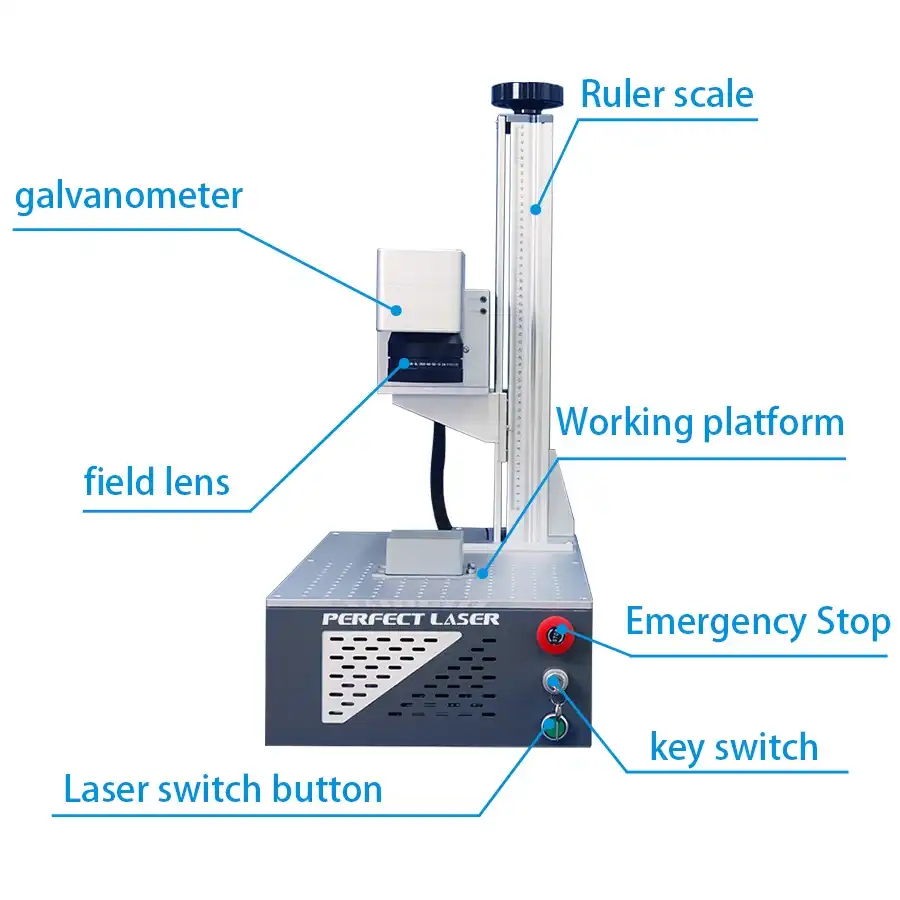
Understanding 3D Crystal Engraving Technologies
Crystal laser engraving utilizes advanced physics and precise production. To generate permanent marks or three-dimensional sculptures in crystalline materials, focused laser energy is directed into the matrix.
Subsurface engraving techniques
Subsurface etching penetrates crystal surfaces without damaging them utilizing modern UV laser systems at 355nm. Controlled micro-explosions in the material lattice create tiny fractures that form fascinating three-dimensional patterns. For engraving depth accuracy, beam stabilization and dynamic focusing technologies are needed. Subsurface technology's ability to retain crystal integrity and achieve high detail resolution is its main benefit. Museums and galleries like this method because the outside stays clean, safeguarding the artwork from environmental damage and deterioration. Since engraved materials resist fading and surface erosion, photography studios use this technique to produce wedding souvenirs that last forever.
Surface Engraving Method
Surface engraving creates raised or recessed patterns on the crystal's outer layer via controlled ablation. For certain applications, this method demands greater power but processes quicker. The method works well for word engraving, logos, and geometric patterns that prioritize precise edge clarity over interior depth effects. Surface engraving fits wider working areas, therefore tourism companies choose it for landmark reproductions and commemorative goods. The technology permits souvenir customization in a hurry, addressing tourist expectations for same-day customisation.
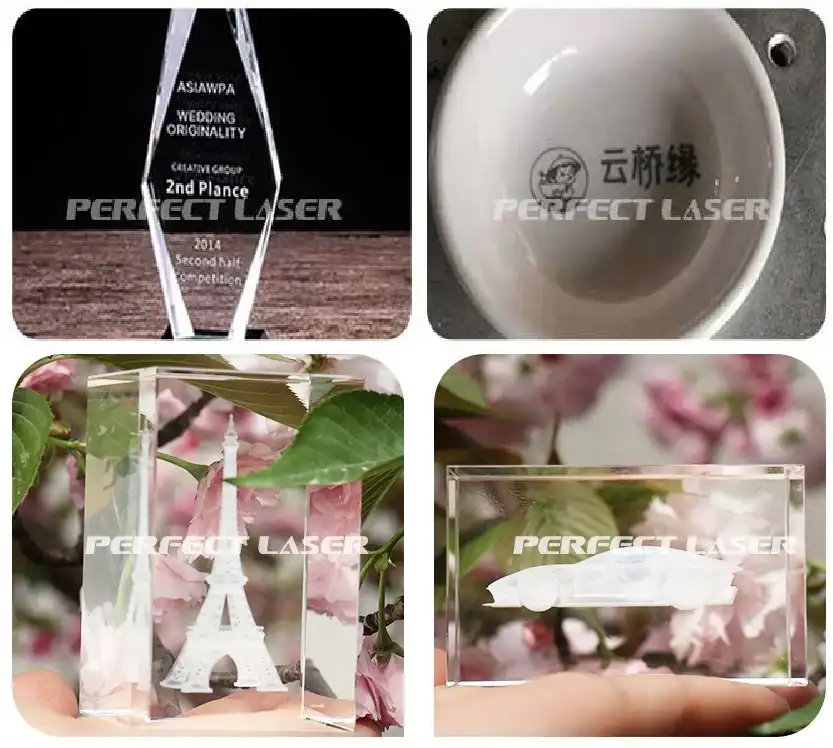
Applications and Material Compatibility
Both methods accept clear and translucent materials, although crystal is the preferred substrate because to its optical qualities and endurance. Glass engraving applications boost the industry, especially for hotel and commercial architectural features and ornamental panels. Portrait studios may record dimensional likenesses in crystal matrices using 3D camera systems. This technology convergence offers new income streams for customized gift firms, where emotion drives purchases.
Key Comparison Dimensions of Subsurface vs Surface 3D Crystal Engraving Machines
Technical details and how they work are very different between deep and surface engraving systems, which affects both the choice to buy and the costs of running the system in the long term.
Analysis of Precision and Image Quality
Subsurface systems can achieve sub-micron accuracy with the help of complex galvanometer scanning systems that can process 150,000 points per minute. With this technology, you can make patterns that are smooth and coloring effects that are too complicated to do with surface methods. Internal engravings last longer than external engravings because natural factors can't damage the protected art.
Surface etching produces very sharp edges and high contrast, which is especially useful for text and large visual elements. The technology works best in situations where it needs to have a strong visual effect from different viewing points. This means that awards and recognition pieces that are put in visible places can use it.
Laser Power Requirements and Energy Efficiency
Because directed energy is concentrated within the material structure, subsurface devices usually need less power to work. Because of its speed, the system uses less electricity and parts last longer. Subsurface technology is better for the environment because it saves energy and uses safe manufacturing methods that are becoming more important to business purchasing policies.
Surface etching tools need more power at their peak, but they often finish jobs faster, which could make up for the extra energy use by cutting down on processing times. This speed edge helps gift shops and other places that sell things when they have people who need things right away.
Software Features and the Integration of Workflow
DXF, PLT, and IGES standards are just a few of the many supported file types by modern 3D crystal laser engraving machine systems. More advanced depth mapping features are often found in subsurface systems. These allow for more complicated artistic images that mimic traditional carving methods within crystal volumes.
Surface etching software usually focuses on making design changes quickly and managing the production line, which shows that the technology works well with high-volume customization processes. Retail businesses like platforms that are easy to use so that employees can be trained without needing to know a lot about technology.
The durability and quality of the materials used
Subsurface etching keeps the original crystal structure while making changes inside it. This keeps the crystal's visual clarity and mechanical strength. This quality is very important in situations where product longevity affects customer happiness and the image of the brand.
Changes to the surface change the features of the material at the carving contact, which could affect how light passes through and create stress collection places. But using the right method can lessen these worries while still providing cost-effective answers for situations where great toughness is not needed.
Maintenance, Troubleshooting, and Performance Optimization
For both types of etching, preventive repair plans have a big effect on how reliable the equipment is, how consistent the product quality is, and how the costs of running the business are managed.
Needs for Regular Maintenance
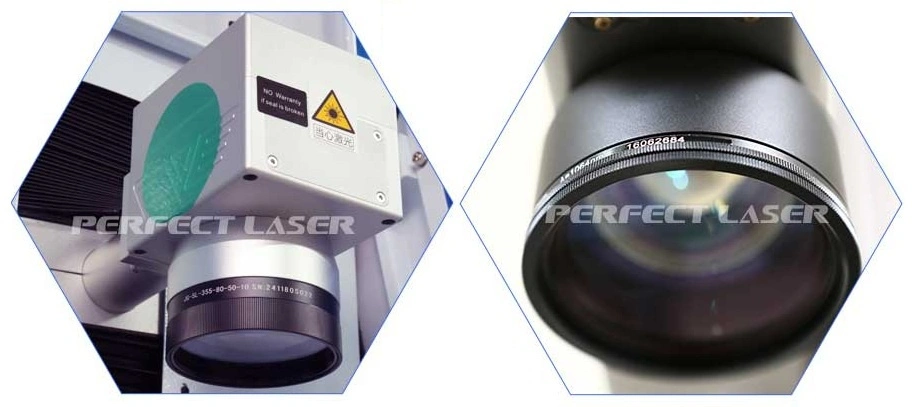
For subsurface systems to keep their beam quality and focusing accuracy, optical parts need to be cleaned and calibrated on a frequent basis. The design of the maintenance-free optical system reduces the need for human intervention, and the flexible construction makes it easier to change parts when they break.
As part of daily care, the area is cleaned, the material handling system is checked, and the software backup is confirmed. Every week, processes include checking the galvanometer's accuracy and measuring the laser's power output to make sure that the quality of the carving stays the same throughout production rounds.
Common Issues and Troubleshooting Protocols
Problems with beam stability usually mean that an optical component is dirty or there are problems with how the heat is managed, which need to be systematically diagnosed. Focus drift is usually caused by mechanical setting or changes in the temperature of the surroundings that affect precise parts.
Different upkeep problems arise for surface etching systems, mostly when it comes to dealing with dirt and making sure the power stays stable. Regular cleaning keeps built-up material bits from lowering the quality of later cutting, and power monitoring systems find possible component degradation before it affects quality.
Strategies for Improving Performance
Standardizing how materials are prepared, organizing design files, and coordinating production schedules are all parts of optimizing workflow. Batch processing methods make the best use of tools while cutting down on the time needed to set up for each job.
Some ways to save energy are to keep the air system in good shape, use LED lights, and put the machine into sleep mode during breaks. These practices lower running costs and help businesses meet environmental goals that are becoming more and more important in today's world.
Some environmental factors to think about are the right way to build an air system and how to properly handle trash. Following the rules in your area keeps your business running while also protecting the health and safety of your employees and the quality of the surroundings for everyone.
Innovation and Future Trends in 3D Crystal Laser Engraving
Technology advancement continues reshaping the 3D crystal laser engraving machine landscape, driven by evolving customer expectations and expanding application possibilities.
Emerging Technology Developments
Artificial intelligence integration enables automated design optimization and quality control monitoring, reducing operator skill requirements while improving output consistency. Machine learning algorithms analyze engraving patterns to predict optimal parameter settings for different material types and design complexities.
Advanced software platforms incorporate cloud-based design libraries and remote monitoring capabilities, enabling multi-location operations and collaborative design development. These capabilities particularly benefit businesses operating multiple retail locations or franchise networks requiring consistent branding and quality standards.
Market Demand Evolution
Customization demand continues expanding across demographic segments, driven by social media sharing culture and personal expression trends. The personalized gift market shows particular strength in milestone celebrations, memorial applications, and corporate recognition programs, often facilitated by tools like the subsurface laser engraving machine.
Sustainability concerns influence material selection and process optimization, encouraging development of eco-friendly alternatives and energy-efficient production methods. Businesses incorporating environmental considerations into procurement decisions gain competitive advantages in markets where sustainability influences purchasing behavior.
Industry Integration Opportunities
Cross-industry collaboration creates new application possibilities, particularly in architectural elements, automotive customization, and consumer electronics personalization. These emerging markets expand revenue opportunities for businesses investing in versatile equipment capabilities.
Integration with additive manufacturing technologies enables hybrid production processes combining different materials and techniques within single products. This convergence creates differentiation opportunities for businesses serving markets demanding unique product characteristics.
Conclusion
The choice between deep and surface 3D crystal laser engraving machine technologies is influenced by the needs of the business, the markets it serves, and the practical goals. Subsurface systems work best when high quality and long-lasting performance are needed. This makes them perfect for artistic uses, wedding photos, and making high-end gifts. Surface printing is faster and cheaper, making it a good choice for retail stores, tourist companies, and services that do a lot of customization. To be successful, you need to carefully look at production numbers, quality standards, and financial limits, as well as your long-term growth and market positioning goals.
Q&A
1. What are the main ways that underground and surface etching tools use different amounts of power?
Because the energy is directed inside the material structure, subsurface etching systems usually use 20 to 30 percent less power while they are running. Surface systems need more power at peak, but they often finish jobs faster, which could make up for the extra power they use by cutting down on processing times. For correct operating cost estimates, energy efficiency figures should take into account both the maximum power needs and the average processing time.
2. Which technology has the best long-term return on investment (ROI) when upkeep and longevity are taken into account?
Most of the time, subsurface technology gives better long-term results because it requires less upkeep and makes products last longer. The longer component lifecycles and maintenance-free optical systems make up for the higher starting costs over the normal equipment lifespans. Surface systems have shorter payback times because they can handle more work, but based on how often they are used, they may need parts to be replaced more often.
3. What kinds of tools work with the different types of engraving?
Modern systems can open a number of file types, such as DXF, PLT, CNC, STEP, and IGES. This means they can work with most design tools. Subsurface systems usually have special depth mapping features, while surface systems focus on making design changes quickly and managing the production line. Cloud-based systems let you watch and access design libraries from afar, so you can run your business from more than one place.
Ready to Transform Your Business with Professional 3D Crystal Laser Engraving Solutions?
Perfect Laser stands ready to support your crystal engraving ambitions with industry-leading equipment and comprehensive service excellence. Our experienced team provides personalized consultations evaluating your specific requirements and recommending optimal 3d crystal laser engraving machine configurations. Our manufacturing facilities maintain rigorous quality standards supported by CE, TUV, and SGS certifications, ensuring compliance with international safety and performance requirements. Advanced production equipment including CO2 laser meters, CNC grinding machines, and precision testing systems guarantee consistent output quality across our entire product range. Contact our specialists at [email protected] to explore manufacturer-direct pricing, flexible financing options, and bulk purchasing advantages designed for serious business growth.
References
1. Johnson, M.R. & Chen, L. (2023). "Advanced Laser Processing Technologies in Crystal Manufacturing." Journal of Industrial Laser Applications, 45(3), 112-128.
2. Rodriguez, S.P. et al. (2023). "Comparative Analysis of Subsurface versus Surface Laser Engraving Methodologies." International Conference on Precision Manufacturing Technologies, 156-171.
3. Anderson, K.J. (2024). "Market Trends and Technology Adoption in 3D Crystal Engraving Industries." B2B Procurement Quarterly, 18(2), 45-62.
4. Thompson, D.L. & Williams, R.A. (2023). "Energy Efficiency and Sustainability in Modern Laser Engraving Systems." Environmental Manufacturing Review, 29(4), 203-219.
5. Zhang, H.W. et al. (2024). "Innovation Pathways in Three-Dimensional Laser Processing Technologies." Advanced Manufacturing Science, 12(1), 78-94.
6. Martinez, C.E. (2023). "ROI Analysis and Equipment Selection Strategies for Crystal Engraving Operations." Business Equipment Analysis, 31(7), 134-149.

share your inquiry, get the quotation accordingly.
第一张审核员说包含其他公司不能用_1755049724891.webp)
Perfect Laser – Global Manufacturer of Reliable Laser Solutions


