What Is a Laser Engraving Machine and How Does It Work?
A laser engraving machine is a precise industrial tool that uses focused laser beams to etch, mark, or cut patterns into wood, plastic, metal, cloth, and glass so that they are permanent. These high-tech machines have changed the way things are made because they are so accurate, fast, and flexible that companies making everything from ads to clothes can use them. The technology uses advanced optics, computerized control systems, and strong laser sources to produce reliable, high-quality products that meet the strict needs of today's industrial applications in many areas.
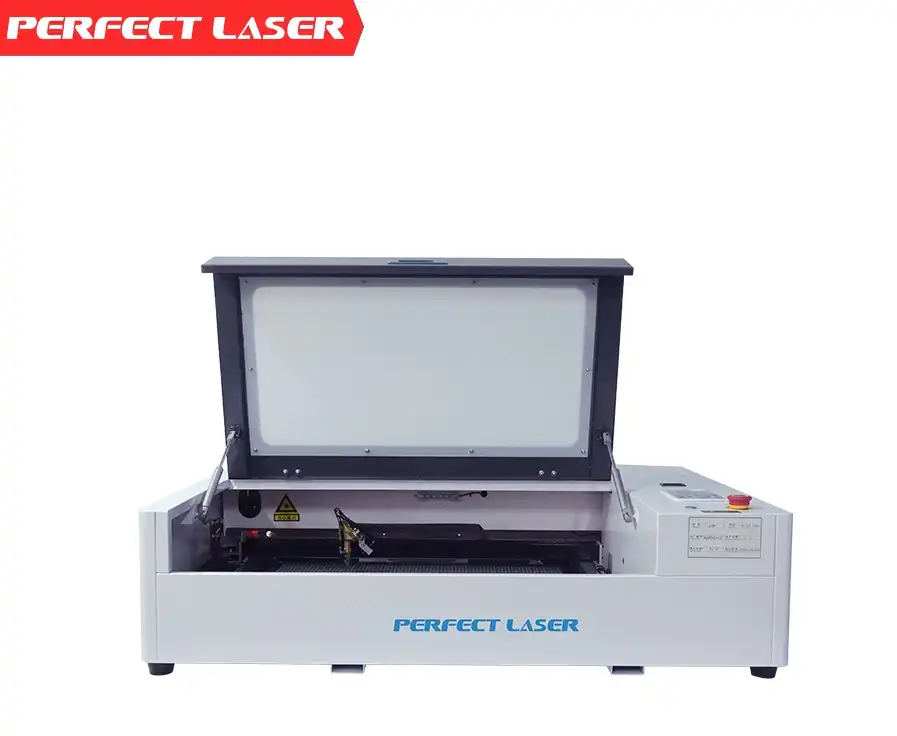
What Is a Laser Engraving Machine?
Laser etching tools are an important part of modern technology for making precise products. Laser beams that are very focused are used by these tools to make permanent marks, complex designs, and exact cuts in a wide range of materials. The basic structure is made up of three main parts: the laser source that creates the beam, a complex control system that handles positioning and power settings, and a strong work base that keeps materials safe while they are being processed.
Types of Laser Technology
There are three different types of laser technologies used in industry. Each one is best for a different set of materials and uses. CO2 lasers are great for working with natural materials like leather, fabric, wood, plastic, and more. This makes them perfect for use in advertising signs and textiles. Fiber lasers work better on metals and some plastics than other lasers, leaving marks that are clear and fast. For lighter-duty tasks, diode lasers are a cost-effective option that still provides great accuracy for fine work.
Machine Size Categories and Applications
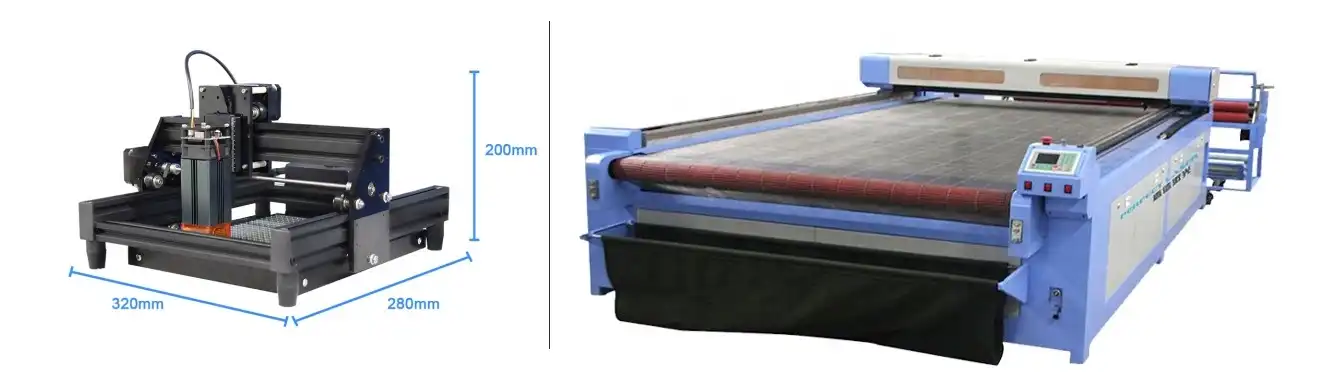
Different businesses have very different manufacturing needs, so machines need to be set up in different ways to meet those needs. Businesses that need freedom for testing, small batch production, and custom work can use the small desktop models with work areas of 600x400mm, 900x600mm, 1300x900mm, and 1600x1000mm. Companies that make promotional items, small production shops, and companies that focus on custom items can all use these units because they are flexible. Industrial flatbed systems with large work areas of 1300x1800mm, 1300x2500mm, and 1600x2600mm are useful for large-scale manufacturing processes. These strong platforms work great in places with a lot of production, especially when making clothes, where the accuracy of the fabric cutting affects both the quality of the product and the amount of material used.
Industry Applications and Market Reach
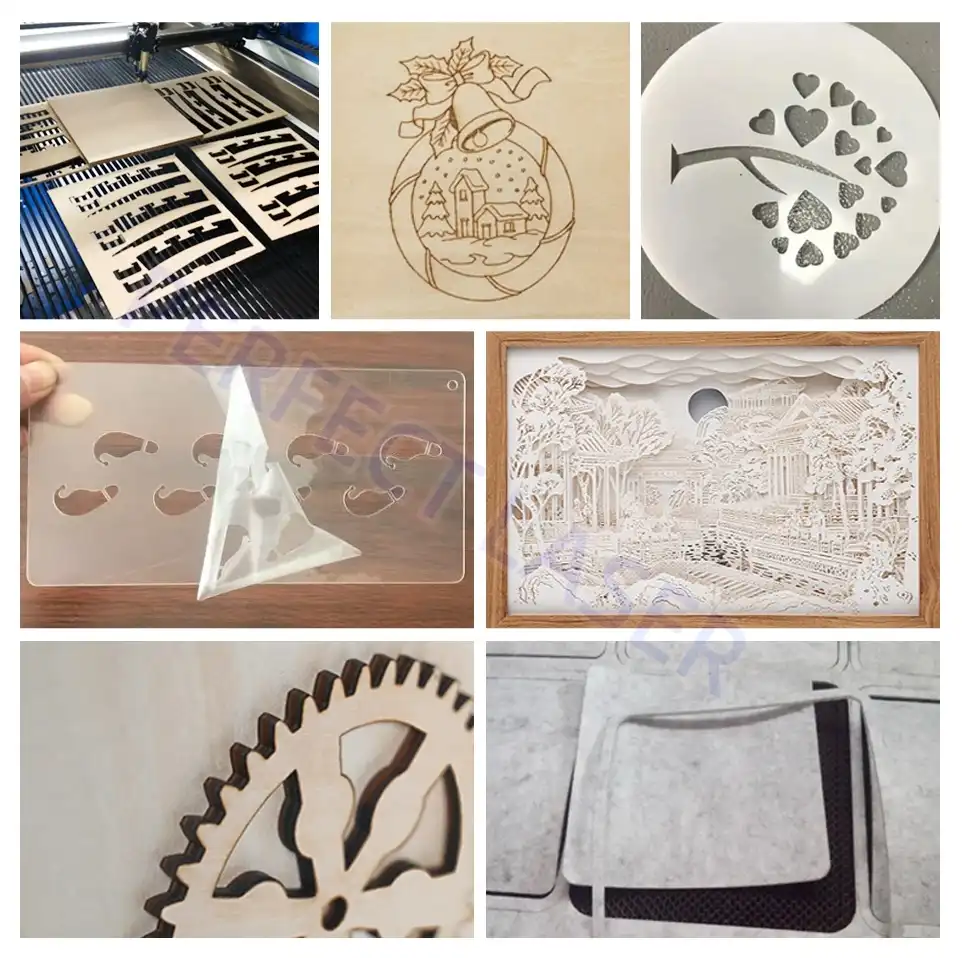
Because laser etching technology is so flexible, it has become common in many fields around the world. Advertising and sign businesses use these tools to cut acrylic displays, make wooden signs, and make handmade prizes with lots of small details. Clothing companies use non-contact processing to cut and decorate denim and leather with exact designs and cuts that don't distort the materials.
How Does a Laser Engraving Machine Work?
An important part of laser etching technology is precisely controlling focused light energy to change the surface of materials. Manufacturers can improve their production workflows and get uniform quality results across a wide range of uses by understanding this process.
Laser Beam Generation and Control
Modern laser engraver units use stimulated emission processes inside the laser cavity to make coherent light. The beam that is made then goes through a set of mirrors and focusing lenses that focus the energy on the object that is being targeted. To get certain engraving levels and surface finishes, advanced control systems keep an eye on beam factors like intensity, speed, and pulse frequency. The focusing head unit is a very important part of the etching quality. Precision lenses focus the laser beam on spots as small as 0.01 mm across, which makes it possible to see fine details and clearly define edges. Auto-focus features make sure that results are the same for different types of material, and air assist systems clear away waste and keep heat from building up, which could damage the quality of the engraving.
Software Integration and Design Capabilities
Modern laser systems work perfectly with expert design tools and can read standard file types like DXF, BMP, and JPG. Because of this, artists can make complicated patterns, import existing art, and see what the final results will look like before they are processed. The software turns digital drawings into precise machine movements that control the placement of the beams very precisely during the engraving process. The level of detail that can be seen depends on the system's resolution. Modern systems can offer accuracy measured in fractions of millimeters. Advanced algorithms find the best cutting lines and automatically change the power settings based on the qualities of the material and the results that are wanted. This makes sure that the results are the same from one production run to the next.
Material Interaction and Processing
The way the laser interacts with the material depends on the base and the processing settings that are chosen. CO2 lasers are very good at vaporizing organic materials, which lets them cut through wood and plastic cleanly and make etched surfaces that are smooth. The frequency properties of CO2 systems work especially well with non-metallic materials that are often used in marketing and advertising. In business settings, processing speed is directly related to how much work gets done. Manufacturers can meet tight deadlines while still keeping quality standards when they can engrave things quickly. Because laser processing doesn't involve touching anything, it doesn't wear down tools and doesn't need as much upkeep as traditional mechanical methods.
Advantages of Using Laser Engraving Machines for B2B Manufacturing
Solutions that offer uniform quality, operational efficiency, and long-term value are needed in industrial manufacturing. These needs are met by laser etching technology, which also offers extra benefits that make it more competitive in tough markets.
Precision and Repeatability Benefits
When manufacturing, it's important that all production runs are exactly the same, especially when meeting big orders or keeping brand standards. Laser engraving machines are great for this because they always produce the same results, no matter how big the number is or how quickly they are made. The automatic control systems get rid of human error, making sure that every piece meets the exact specs without any changes. Quantitative measures of quality show that laser technology works better than older ways. The quality of the edges stays smooth without getting rough like with mechanical cutting, and the accuracy of the dimensions stays within tight ranges even during long production runs. This dependability is very important for companies that want to serve quality-conscious customers, since accuracy has a direct effect on how happy customers are.
Material Versatility and Production Flexibility
Being able to handle different materials without having to change the tools gives manufacturers who serve a lot of different market groups big operational benefits. For example, a single laser system can cut plexiglass for signs, engrave wood for promotional items, and process fabric for making clothes. This flexibility lowers the amount of cash that needs to be invested while increasing the rate at which equipment is used. Material compatibility is more than just basic processing. It can also be used for specific tasks like marking polished metals and making complex patterns on textiles. The non-contact processing method keeps the material from distorting, which is especially important when working with thin surfaces or delicate fabrics that could bend when mechanical pressure is applied.
Cost-Effectiveness and Operational Efficiency
Long-term running costs are better for laser technology because it needs fewer consumables and less upkeep. Unlike traditional methods that need to replace and change tools on a regular basis, laser systems only need to be cleaned and calibrated every so often to keep working at their best. Modern systems are much better at using energy efficiently, which lowers costs and supports efforts to be more environmentally friendly. When working speeds go up and down and setup times go down between jobs, production efficiency goes up. Traditional manufacturing methods require downtime, but with this method, you can switch between different materials and patterns without having to change the tools themselves. Automated features increase output even more by lowering the need for operator input during processing.
Key Considerations When Choosing a Laser Engraving Machine
When choosing the right tools, you need to carefully think about the production needs, material requirements, and operating limitations. Knowing about these things will help you get the best return on your investment and meet your production needs now and in the future.
Technology Comparison and Selection Criteria
Being able to tell the difference between laser etching, laser cutting, and CNC technologies helps people find the best option for their needs. Laser etching is great for marking surfaces and making complex patterns, while laser cutting is great for making things because it can cut all the way through. CNC machines can make things in three dimensions, but they are slower and less accurate than laser systems when they are working in two dimensions. Power needs are very different depending on the material thickness and the purpose. Low-power systems (40–100 watts) are good for carving and cutting thin materials. High-power systems (150+ watts) can work with thicker materials and cut more quickly in production settings.
Size and Capacity Planning
The choice of working place has a direct effect on the ability to produce and the speed of operations. Businesses that focus on advertising items, jewelry, and small signs can benefit from smaller systems with 600x400mm or 900x600mm work areas. Larger signs and more output can be done on platforms that are about 1300x900mm or 1600x1000mm in size. Large working areas of up to 1600x2600mm are useful for businesses that need to process a lot of fabric or use it for large-format projects. These systems allow for constant production processes and keep the level of accuracy needed for business uses.
Brand Evaluation and Support Considerations
Long-term equipment satisfaction depends a lot on the name of the manufacturer and the support system they have in place. Established companies with a history of trustworthiness give customers peace of mind that their tools will work and that they can get help in the future. Perfect Laser has been in business for twenty years, which shows that it is dedicated to constant growth and customer happiness in a wide range of global markets. Total cost of ownership and operating continuity are affected by the level of technical assistance, the length of the warranty, and the availability of parts. Comprehensive training programs make sure that workers can get the most out of their tools while still following safety rules. Having local help cuts down on the time it takes to respond to service requests and technology questions.
Conclusion
Because they are accurate, flexible, and easy to use, co2 laser engraver have changed the way things are made today. Knowing about the technology, how it can be used, and the selection criteria helps you make smart purchasing choices that meet your company's needs and help it grow. Using modern laser systems together helps boost output, quality, and competitiveness in many different types of industries. Perfect Laser's complete solutions cover all kinds of manufacturing needs, from small systems for specific tasks to large industrial platforms for making a lot of things. Our worldwide presence and well-known name give you peace of mind about the reliability of our equipment and the availability of ongoing assistance. We want you to get in touch with us directly to talk about how our laser printing services can help your business and manufacturing.
Frequently Asked Questions
1. What maintenance intervals ensure optimal performance?
Periodic maintenance depends on usage and weather. Daily cleaning prevents lens and mirror contamination, which could degrade beam quality. Weekly air assist system checks ensure proper debris removal throughout processing. Every month, calibration checks verify placement, and every three months, comprehensive tests detect worn parts before they influence performance. Proper maintenance may extend the life of your equipment and maintain its quality. Following manufacturer recommendations and using recommended cleaning chemicals will protect sensitive visual parts and ensure safety.
2. How effective are these machines across different materials?
Laser type and power determine material suitability. CO2 systems perform well with coated metals, textiles, leather, wood, plastic, and fabric. They etch and cut cleanly. Different processing settings for each material must account for thickness, density, and heat sensitivity for best results. Fiber lasers operate better on bare metals like stainless steel, aluminum, and brass. They work with some polymers too. Understanding material qualities and picking the right settings will ensure favorable results in many scenarios.
3. What safety protocols are required in operational workshops?
Full safety precautions protect workers and tools and enforce standards. Eyewear certified for various light bands is required at work. Processing fumes are removed via good ventilation. This is crucial when using synthetic materials. High-energy laser systems are dangerous, although emergency stop procedures and fire safety gear can help. Regular safety training keeps operators abreast of industry safety trends and best practices.
Partner with Perfect Laser for Your Manufacturing Solutions
Perfect Laser is a reliable source for laser engraving machine supply. For more than twenty years, they have been making high-quality machines and selling them all over the world. We have a wide range of products, from small systems for specific tasks to large industrial platforms made for places with a lot of production. Our equipment has working areas that range from 600x400mm to 1600x2600mm and is used all over the world by advertising firms, clothing makers, promotional product companies, and general production shops. We are committed to more than just delivering tools; we also offer full support services that will make sure you succeed. Technical training programs teach your workers how to use tools safely and effectively so that they can get the most work done. Customer service at [email protected] is always available to help with technology questions and improving operations. Laser marking systems come with two-year warranties, while bigger machines come with a one-year warranty. This shows that we trust our products to work well and care about customer happiness.
References
1. Dubey, A.K. & Yadava, V. "Laser Beam Machining - A Review." International Journal of Machine Tools and Manufacture, Vol. 48, 2008.
2. Chryssolouris, G. "Laser Machining: Theory and Practice." Mechanical Engineering Series, Springer-Verlag, 2021.
3. Steen, W.M. & Mazumder, J. "Laser Material Processing, Fourth Edition." Springer London Publications, 2010.
4. Ready, J.F. & Farson, D.F. "LIA Handbook of Laser Materials Processing." Laser Institute of America, Magnolia Publishing, 2001.
5. Ion, J.C. "Laser Processing of Engineering Materials: Principles, Procedure and Industrial Applications." Elsevier Butterworth-Heinemann, 2005.
6. Migliore, L. "Laser Materials Processing for Industrial Applications." Industrial Laser Solutions Magazine Technical Reference, 2019.

share your inquiry, get the quotation accordingly.
第一张审核员说包含其他公司不能用_1755049724891.webp)
Perfect Laser – Global Manufacturer of Reliable Laser Solutions


