What Is a Rotary Pin Marking Machine and How Does It Work?
Knowing how marking technology works is important when you need to firmly put serial numbers, VIN codes, or images on metal or plastic. A rotary pin marking machine is the next generation of industrial marking tools. It uses a rotating head with hardened pins to make accurate, long-lasting marks on different materials. Basic dot pin marking machine only uses one hitting pin. Rotary systems, on the other hand, use several pins arranged in a circle, which allows for faster marking speeds and finer detail. The machine works by hitting the working surface quickly and carefully. This moves the material around to make characters, numbers, and images that are resistant to wear, chemicals, and the environment. This technology is now needed in all industry fields that need to keep records and put lasting labels on products.
Understanding Rotary Pin Marking Machines
Because of how they are built and how they work, rotary pin marking machines are very accurate and last a long time. The way makers identify permanent parts has changed because of these industry tools.
Core Working Principles Behind Rotary Systems
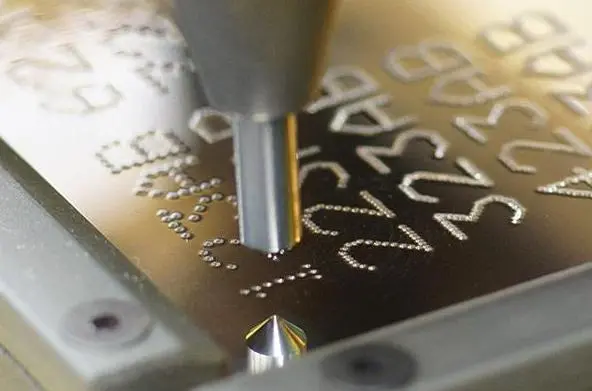
The rotary pin marking machine operates using a rotating head that selects and strikes pins simultaneously. Controlled by computer-driven commands, the head positions hardened pins in sequence to form precise markings through overlapping impacts. Software translates design data into motor instructions, adjusting depth, force, and speed based on material properties. This enables consistent marking on metals and plastics, from soft alloys to hardened steel. The coordinated rotation and impact mechanism ensures clear, durable, and readable identification marks for industrial traceability applications.
Essential Components That Enable Precision Marking
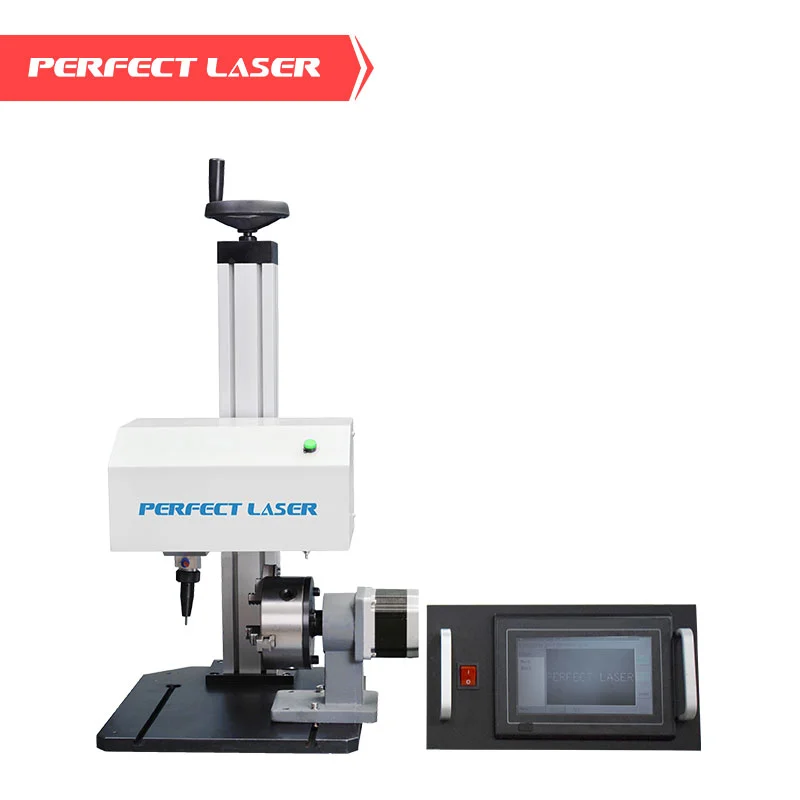
Rotary marking systems rely on integrated components working together for accuracy. The rotary head holds multiple pins with stable alignment, while pneumatic or electromagnetic drives generate impact force. Electromagnetic systems offer finer control over strike energy. A lifting structure adjusts height for varied workpieces, ensuring consistent marking depth on flat or curved surfaces. Precision linear guides maintain smooth movement, while computer processors manage real-time adjustments. Software like that used in Perfect Laser systems supports multiple fonts and CAD compatibility for flexible industrial marking needs.
Key Advantages Over Traditional Marking Methods
Many people use rotary pin marking machines because they offer key advantages over laser systems, requiring less maintenance, with pins as main consumables, and reliable operation in dust, moisture, and temperature variation environments where optical systems struggle. The process displaces material mechanically, creating deep durable marks readable after painting, plating, or treatment, outperforming inkjet and etching, while reducing cost, power use, and safety infrastructure needs requirements.
Here are the main benefits that are driving growth in industry:
- Versatility across materials: They can effectively mark metals like steel, aluminum, brass, titanium, and hard plastics without needing to be adjusted for each material. This makes them useful in production settings that process a variety of materials.
- Operational reliability: It works the same way in a variety of temperatures and tough weather conditions, keeping the quality of the markings even when there is dust, wetness, or vibration that could affect precision optical systems.
- Permanent traceability: makes marks that can't be worn off or damaged by chemicals or high temperatures. This makes sure that regulations are followed and quality is controlled throughout decades of product lifecycles.
- Low operational costs: other than replacing pins every so often, it doesn't need expensive gases, laser tubes, or optical parts to be maintained, so the total cost of ownership is much lower.
- Integration flexibility: standard mounting options and programmable interfaces make it easy to add to current production lines, so automation can happen without making a lot of changes to the building.
All of these benefits directly lead to more efficient output and lower long-term costs. The PEQD-025E model from Perfect Laser shows these benefits because it can mark both flat and spinning surfaces, meeting a wide range of production needs with a single purchase.
Applications and Benefits of Rotary Pin Marking Machines
When producers know where and how rotary marking systems add value, they can find ways to make their processes better. These tools solve real problems in production in a number of different fields.
Critical Industrial Applications Driving Adoption
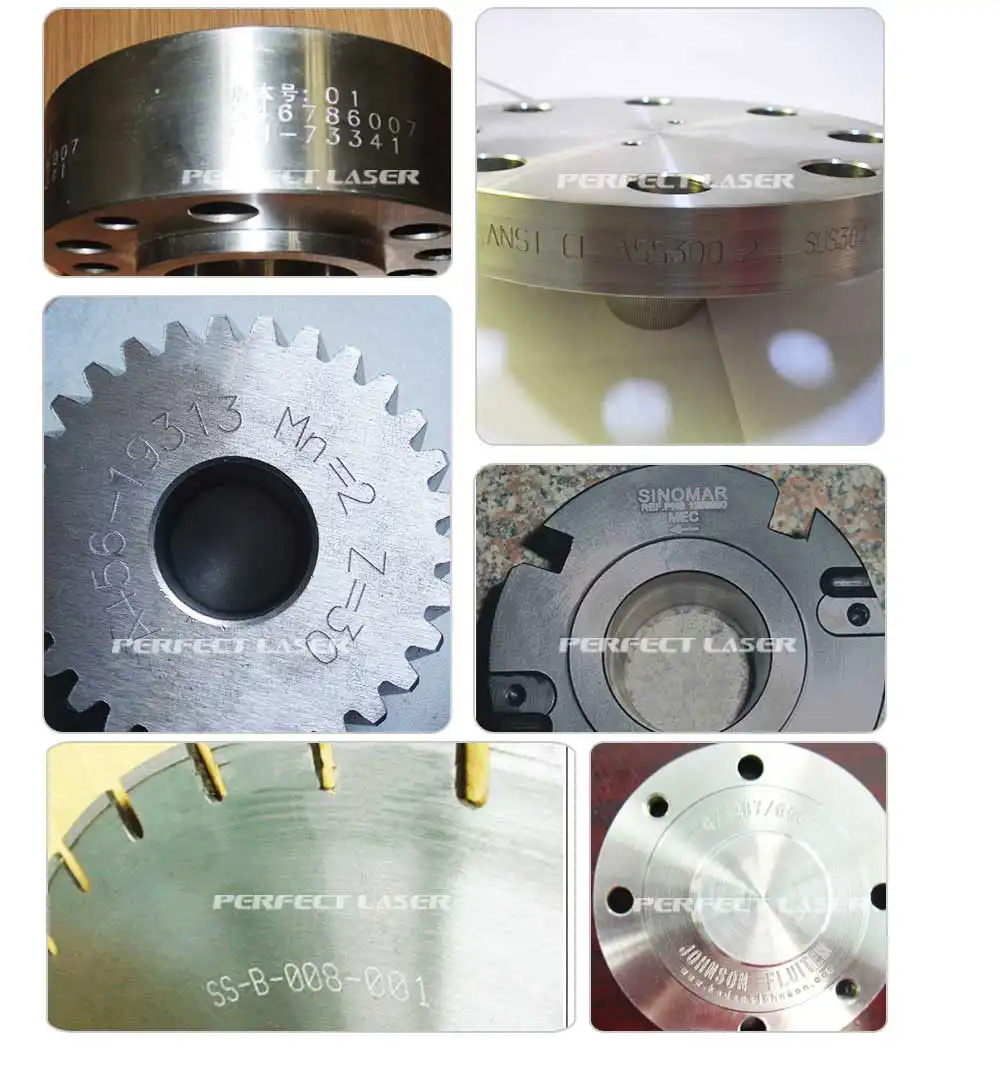
Automotive manufacturers utilize rotary pin marking equipment to permanently stamp VIN numbers on engine blocks, frames, and gearbox housings. These markings must survive heat, corrosion, and mechanical stress for years. Aerospace components made of aluminum, titanium, and steel need lightweight, durable identification without compromising structural integrity. Even in hostile settings, permanent marks track serial numbers and standards in oil, gas, and valve sectors. Rotary systems prevent thermal or electrical damage and provide lasting identification on delicate metal parts for electronics manufacturers.
Measurable Benefits in Production Environments
Rotary pin marking is faster and more consistent than hand stamping, improving manufacturing efficiency. Human mistakes in serial numbering are reduced by automation, improving big batch repeatability. Both human inspection and automated scanning in manufacturing lines are possible with machines that create 2D Data Matrix codes and legible text. Adjustable marking settings assure depth and clarity compliance, while stored configurations increase repeatability. Integrated software logs marking data for traceability, letting businesses manage quality and compliance in large-scale manufacturing.
Real-World Performance Validations
Industrial customers claim considerable performance benefits after implementing rotary pin marking devices. Automotive suppliers have cut marking time by 40%, improved uniformity, and decreased rejected parts. Valve manufacturers meet regulatory requirements with deep, durable marks that endure testing and extreme conditions in oil and gas applications. These methods increase production stability and decrease human error. Perfect Laser has over 10,000 global clients in numerous countries, proving its dependability in varied industrial applications and regulatory requirements.
Comparing Rotary Pin Marking Machines with Other Technologies
To choose the right marking tool, you need to know how the different methods stack up against each other in real-world situations. Depending on the needs of the product, each technique has its own unique benefits.
Rotary Pin Versus Standard Dot Peen Systems
Standard dot peen systems, including a portable dot peen marking machine, use a single pin striking repeatedly to form characters, while rotary systems use multiple pins in coordinated motion for faster marking. This reduces marking time and improves efficiency. Rotary systems also deliver finer detail and smoother curves due to tighter dot spacing, improving readability of small text and 2D codes. They provide more consistent marking depth because force is distributed evenly across the rotating head, reducing incomplete impressions and improving quality in high-speed industrial environments.
Rotary Marking Compared to Laser Technology
Laser marking uses focused heat energy to alter material surfaces, creating marks through oxidation or engraving. While lasers provide high precision, they are not suitable for all materials and often require higher investment and maintenance costs. Rotary pin systems, in contrast, work across most metals and many plastics without adjustment. They also perform better in dusty, humid, or harsh environments where optical laser systems may fail. Rotary systems have lower operating costs since they mainly require pin replacement rather than expensive optical or cooling maintenance.
Choosing Between Bench-Top and Portable Systems
The PEQD-025E bench-top rotary system is stable and suited for automated manufacturing lines with continuous workflow. Consistent precision makes them suited for mass production. Portable marking machines are ideal for field maintenance and installation since they can label big or immobile pieces. Flexible portable devices may lose speed and precision. Production volume, item size, and factory or on-site labeling determine the option.
Maintenance, Safety, and Operational Tips
To maximize the use of your rotary pin marking instruments, you must maintain and use them properly. When maintained, tools survive for years with minimal downtime.
Essential Maintenance Routines for Longevity
Regular cleaning keeps dust and metal chips away from the marking head, assuring quality and machine performance. After each shift, operators should clean the workplace using pressured air and soft brushes. Monthly thorough cleaning disassembles the pin holder to check wear and pin movement. Every 200 running hours, guide rails and moving parts need lubrication, while bearings need manufacturer-recommended oil. Regular pin inspection and replacement ensure marking clarity and manufacturing continuity.
Safety Protocols for Operator Protection
Operating rotary pin marking machines requires careful safety measures due to their high impact forces. Safety guards and interlocks must constantly be operational to prevent moving parts from being touched. Marking materials that may fragment need impact-resistant safety eyewear. Maintenance staff must be trained in emergency stop, abnormal noise detection, and lockout-tagout. Professional installation and training reduce hazards and improve workplace safety by ensuring workers satisfy safety requirements before production.
Optimizing Performance Through Software and Training
Modern rotary marking systems and dot pin marking machines perform best when operators fully understand software capabilities. The PEQD-025E supports DXF file imports from CAD software like AutoCAD and CorelDraw, enabling efficient creation of complex designs without manual programming. Proper training reduces setup time and increases production flexibility. Regular software updates enhance marking functions, expand font support, and improve system compatibility. Continuous training improves parameter tuning, defect recognition, and troubleshooting skills, allowing operators to prevent marking errors, reduce downtime, and extend equipment service life effectively.
Procurement Guide for Rotary Pin Marking Machines
In order to buy industrial writing tools, you need to know what factors will really affect your long-term success. Smart purchasing looks at more than just the original price. It also looks at the total operating value.
Evaluating Suppliers and Manufacturer Credentials
Supplier credibility directly affects equipment reliability and service quality. Established manufacturers like Perfect Laser demonstrate strong engineering experience and continuous product development based on customer feedback. Certifications such as CE ensure compliance with European safety standards, while TUV and SGS validate manufacturing quality systems. A large global customer base, including over 10,000 users, confirms widespread industrial acceptance. Strong international support capabilities further ensure consistent service across regions. These factors help buyers assess long-term reliability, product stability, and supplier trustworthiness before investment decisions.
Critical Specifications to Match Your Requirements
Measure marking area to ensure the machine fits your largest flat and cylindrical parts without repositioning. Verify PEQD-025E supports required depth for both soft and hardened materials. Check DXF and font compatibility to ensure smooth CAD workflow integration and accurate, consistent marking output.
Here are the most important things that buying teams should look at:
- Material compatibility verification: Make sure the machine can handle all the materials you use in your production. If you can, test it with real samples to make sure the quality of the marking meets your standards before you buy it.
- Production volume capability: Compare the marking speed and duty cycle to your flow needs to make sure the system keeps up its quality over time without burning or mechanical stress, which shortens the life of the equipment.
- Integration requirements: Look at the different ways the system can be mounted, how it can communicate with other machines, and how well it can work with automated production lines, especially if the marking system is going to be used in automated assembly or inspection lines.
- After-sales support structure: Look into the guarantee terms, availability of spare parts, reaction times for technical support, and training options. Keep in mind that the quality of continuing support has a big effect on the total cost of ownership and operating efficiency.
- Customization possibilities: Find out if the seller lets you change the setup or add features that are specific to your needs. Being able to adapt tools to different uses often explains small price increases.
Perfect Laser takes these buying factors into account by offering full support, such as free consultations, engineer-led installation services abroad, and technical help for life. Their focus on the customer means that they know that buying tools is more like starting a long-term relationship than just a one-time deal.
Understanding Total Cost of Ownership
Total cost of ownership includes purchase price, maintenance, consumables, energy usage, and service lifespan. Rotary pin marking machines are cost-effective due to low consumable requirements and durable mechanical design. Warranty coverage is important, but response speed and service quality matter more than duration alone. Efficient installation and professional training significantly reduce operational issues and improve productivity. Proper implementation ensures stable long-term performance, fewer breakdowns, and optimized production efficiency. Evaluating all lifecycle costs helps buyers achieve better investment returns and sustainable industrial operation.
Conclusion
Rotary pin marking tools and a dot pin marking machine are a tried-and-true way to make lasting, readable marks on a wide range of materials and in tough industrial settings. The mechanical marking method is reliable, flexible, and cost-effective, which is why it is still widely used even though other technologies are getting better. Manufacturers can make better choices that increase production speed and make it easier to track products when they know how these systems work, where they do their best work, and what factors matter during procurement. With over 20 years of knowledge and a full support system, Perfect Laser is a reliable partner for makers looking for marking solutions that will last.
FAQ
Understanding common questions can help you decide if rotary pin marking technology is right for your manufacturing needs and answers common worries that procurement teams face.
1. What materials can rotary pin marking machines effectively mark?
Most metals can be marked very well with rotary systems, such as steel, stainless steel, aluminum, brass, copper, titanium, and many alloys. They also put marks on hard metals and some composites. The mechanical marking method moves the material, so the surface needs to be hard enough to hold the image. The technology might not work on very soft materials like pure lead or very brittle pottery, but it can be used for most industrial writing tasks.
2. How does marking speed compare with laser systems?
Most of the time, rotary pin marking tools can do standard serial numbers and short text faster than many laser systems. This is especially true for harder materials, where lasers need to make more than one pass. For complex images with lots of details, lasers may be faster, but rotary systems can do a good job of marking industry IDs as well. Specifically, the PEQD-025E model's multi-pin rotating design makes it faster than single-pin dot pin marking machine alternatives.
3. What factors determine marking permanence and readability?
Mark longevity depends on the depth of the marking, the state of the pin, and the choice of parameters. Deeper marks last longer, but they need more force to hit and may take a little longer to finish. How clear a mark is depends on how sharp the pin is; old pins make less clear prints. The hardness of a material affects both how quickly marks show up and how well they hold up against wear and tear over time.
Partner with Perfect Laser for Your Marking Solutions
Choosing a dot pin marking machine maker impacts production quality and long-term performance. Perfect Laser has 20 years of experience, serving 10,000+ customers across six countries. The PEQD-025E marks flat and cylindrical parts, supports multiple industries, offers Windows software, file compatibility, free consulting, a two-year warranty, and overseas installation support solutions.
Find out how Perfect Laser can improve your writing processes with solid tools backed by experience around the world. Please email our team at [email protected] for full product information, help with your application, or to talk to one of our technology experts about your unique marking needs.
References
1. Smith, R.J. (2021). Industrial Marking Technologies: Comparative Analysis of Permanent Identification Methods. Manufacturing Engineering Publications.
2. Anderson, M.K. & Chen, L. (2020). "Traceability Requirements in Automotive Manufacturing: Marking Standards and Compliance." Journal of Production Quality Management, 34(2), 145-162.
3. International Standards Organization. (2019). ISO 16221: Direct Part Marking for Permanent Identification. Geneva: ISO Press.
4. Williams, T.R. (2022). Modern Manufacturing Equipment: Selection, Operation and Maintenance. Industrial Technology Press.
5. European Committee for Standardization. (2020). "Mechanical Marking Systems: Safety Requirements and Performance Specifications." CEN Technical Report 2845.
6. Peterson, D.A. (2021). "Cost-Benefit Analysis of Marking Technologies in High-Volume Production Environments." Industrial Equipment Review, 18(4), 78-95.

share your inquiry, get the quotation accordingly.
第一张审核员说包含其他公司不能用_1755049724891.webp)
Perfect Laser – Global Manufacturer of Reliable Laser Solutions


