Working Principle of Fiber Laser Marking Machines
A fiber laser marking machine operates through sophisticated photothermal and photochemical interactions, utilizing advanced fiber laser sources to create highly precise, permanent marks on diverse materials. These machines generate laser beams through optical fibers doped with rare-earth elements, typically ytterbium, which amplify light at approximately 1064nm wavelength. This near-infrared emission proves exceptionally effective for metal marking applications and select non-metallic materials like hard plastics, delivering unmatched precision and durability in industrial marking processes.
Understanding Fiber Laser Marking Technology Explained
Fiber laser writing requires precise light amplification using specific optical cables. These solid-state lasers don't require gas refills or intricate mirror modifications like conventional lasers.
Core Components and Laser Generation Process
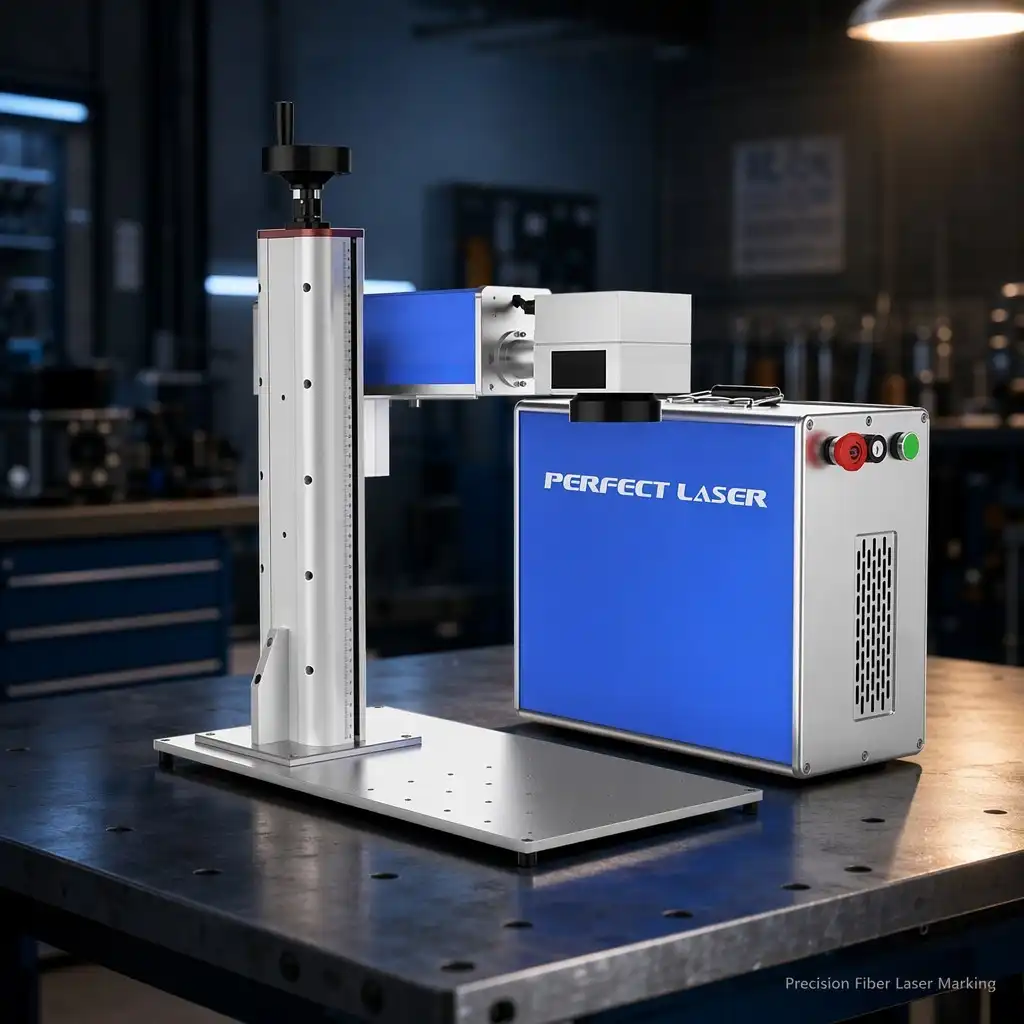
Diode pumping excites rare-earth ions in the fiber core, where the laser works. Photons moving across the fiber medium induce population inversion, allowing stimulated emission. Enhanced beam quality, often with M² values below 1.3, leads to more precise marks. Galvanometer scanners guide focussed beams well over workpieces. These rapid mirrors allow micrometer-accurate laser spot placement for precise drawings and text markings. These systems are ideal for busy areas with a screening speed of 7000mm/s.
Photothermal and Photochemical Interactions
When concentrated laser energy from a fiber laser marking machine meets the material, it causes a variety of responses depending on its power density and properties. Photothermal effects melt or vaporize material in a limited region. This approach creates deep, long-lasting carvings for permanent identifying codes and tracking markings. Photochemical reactions occur at low power. They work well on polymers and metal coatings. These interactions affect the material's hue without losing much surface. This preserves material form while making high-contrast markings. This capability is beneficial for computer components when material safety is still vital.
Comparing Fiber Laser Marking with Traditional Laser Marking Machines
Knowing the distinctions between fiber laser marking machine technologies and others helps organizations choose. Lasers have different advantages depending on the application and materials.
Fiber vs CO2 Laser Performance Analysis
Metals absorb shorter wavelengths from fiber lasers, making them preferable for marking than CO2 systems' 10.6µm output. This frequency edge speeds up marking on stainless steel, aluminum, and other metals. Because they absorb better, CO2 lasers are excellent for wood, leather, and certain polymers. Power economics is another key distinction. Fiber devices achieve 25–30% wall-plug efficiency, whereas CO2 lasers get 8–12%. Efficiency reduces operating costs, heat generation, cooling, and environmental controls.
Advantages Over YAG Laser Systems
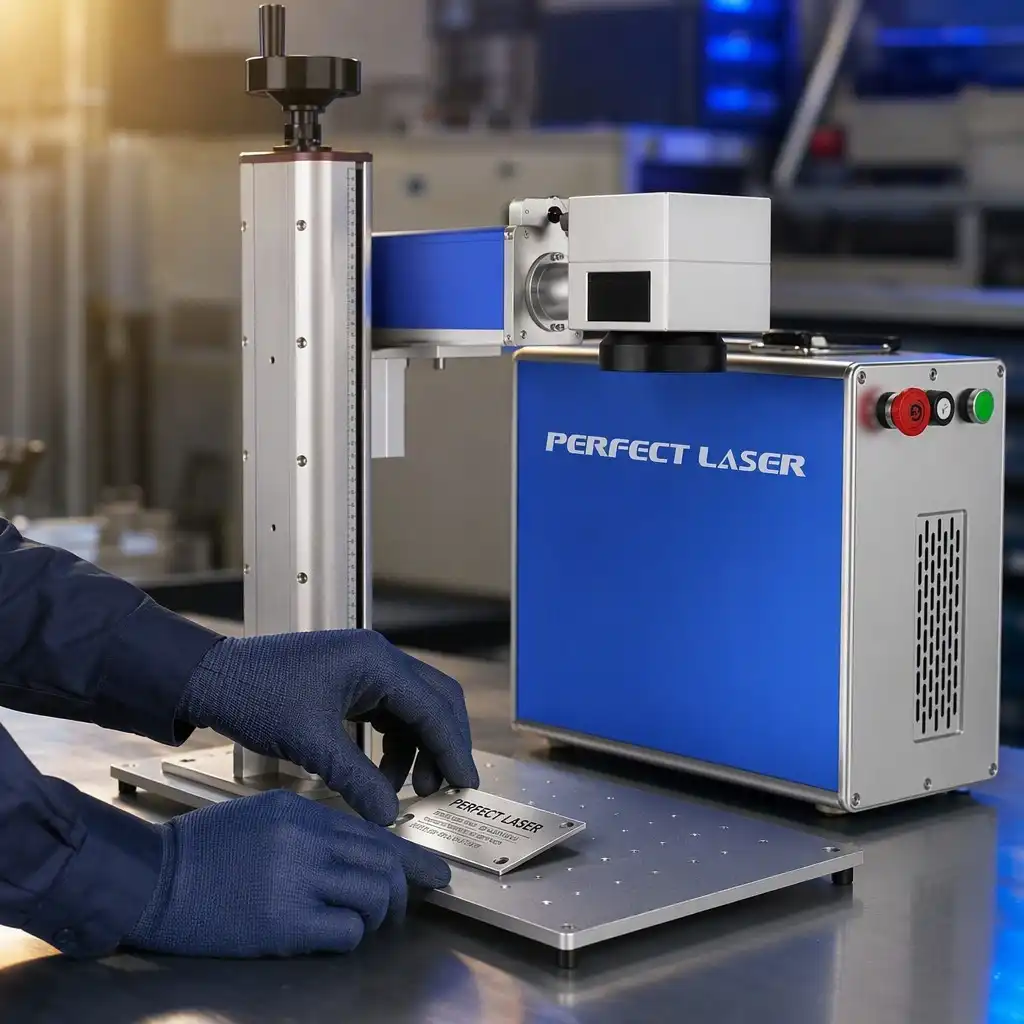
Fiber writing systems are more dependable and low-maintenance than YAG laser systems. YAG systems need their lamps and optics adjusted and changed often, whereas fiber lasers may provide the same amount of light for 100,000 hours or more without substantial repairs. Writing abilities are greatly affected by beam quality.Fiber laser marking machines produce beams with limited bendability and concentrate on smaller regions. This improves detail and edge definition. Better beam quality is crucial for micro-marking in electronics and medical device manufacture.
Machine Configuration Options
Fiber laser marking devices now available in several sizes to suit various applications. This arrangement has these primary advantages:
- Portable Systems: Under 50 kg designs may label large units or do field service work on-site. These tools mark fully while providing you more flexibility than ever.
- Desktop Units: Small designs fit into existing manufacturing processes and don't require floor space. These devices can accurately arrange 300 mm square workpieces.
- Lifting Type Systems: A motorized Z-axis can automatically adjust workpiece heights, saving time and effort in setups with many items.
Maintenance and Troubleshooting of Fiber Laser Marking Machines
Following the right repair steps will keep your fiber laser marking machine working well and make it last longer. These systems need a lot less upkeep than older laser technologies, but you still need to follow the instructions carefully for the best results.
Routine Maintenance Procedures
Maintenance verifies the workpiece's location and marks daily. Operators should clean surfaces with the proper solutions and lint-free cloths and inspect the focusing lens for dirt. Since galvanometer screens are delicate, only qualified specialists should clean them and examine them periodically. Weekly maintenance includes cooling system checks and air filter replacement. The fiber cable should be visually inspected for bending damage or connection contamination. These parts seldom fail in regular use. Writing generates dust and fumes, requiring window repair.
Troubleshooting Common Issues
Uneven laser output from a fiber laser marker is often caused by dirty glasses or improper focus settings. Power meters compare output to specifications. This may determine whether the laser source or beam-sending portions are the issue. Verifying attention position on test patterns on sample materials is a typical writing improvement method. Software issues can prevent the primary computer and marking equipment from communicating. Most connectivity difficulties may be addressed by upgrading drivers and verifying wires. Parameter backup and restoration ensures that all workers use the same settings.
Preventive Maintenance Benefits
Unexpected downtime is greatly reduced by structured maintenance schedules while preserving marking quality. Environmental controls that maintain temperature and humidity prolong part life and improve marks. Regular calibration tests maintain accuracy for critical tracking applications. Maintenance periods specified by manufacturers are generally longer than most laser systems. Important parts should be changed every 5–7 years under regular use. This prolonged maintenance time saves money compared to other marking systems.
Applications and Industry Use Cases of Fiber Laser Marking Machines
Fiber laser marking machine technology's versatility benefits many organizations that require durable, high-quality identifying and ornamental marking. Each software handles marking issues and material demands with its unique talents.
Electronics and Consumer Device Manufacturing
Electronics manufacturers use fiber laser marking to monitor items and identify brands. These technologies perfectly print QR codes, serial numbers, and logos on smartphone covers, circuit boards, and connector housings. Without touching anything, there's no mechanical stress that might harm delicate components or systems. Ultra-fine labeling allows semiconductor package identification without affecting electrical performance. Heat is precisely controlled to protect delicate connections and provide enduring imprints that can tolerate temperature and environmental changes.
Automotive and Aerospace Applications
Automotive part marking must be thick and durable. It must withstand temperature changes, chemical exposure, and mechanical wear. Vehicle metal components are permanently imprinted with VIN codes, part numbers, and date codes using fiber laser marking machines. Quality stamps are essential for aeronautical component traceability. Permanent fiber laser markers on the engine, landing gear, and structure provide information that may be read while in operation. Precision heat management prevents metal changes that might harm the component.
Medical Device and Instrumentation Marking
Sterilization-resistant surgical instruments, implants, and diagnostic equipment are identified using fiber laser writing. Biocompatible writing generates long-lasting codes without dirt or surface imperfections that bacteria may survive on. Medical device compliance requires graduated scales, identifying numbers, and legal symbols to label instruments. Measuring instruments and controlled equipment need careful marking to maintain measurement accuracy.
Precision Industrial Components
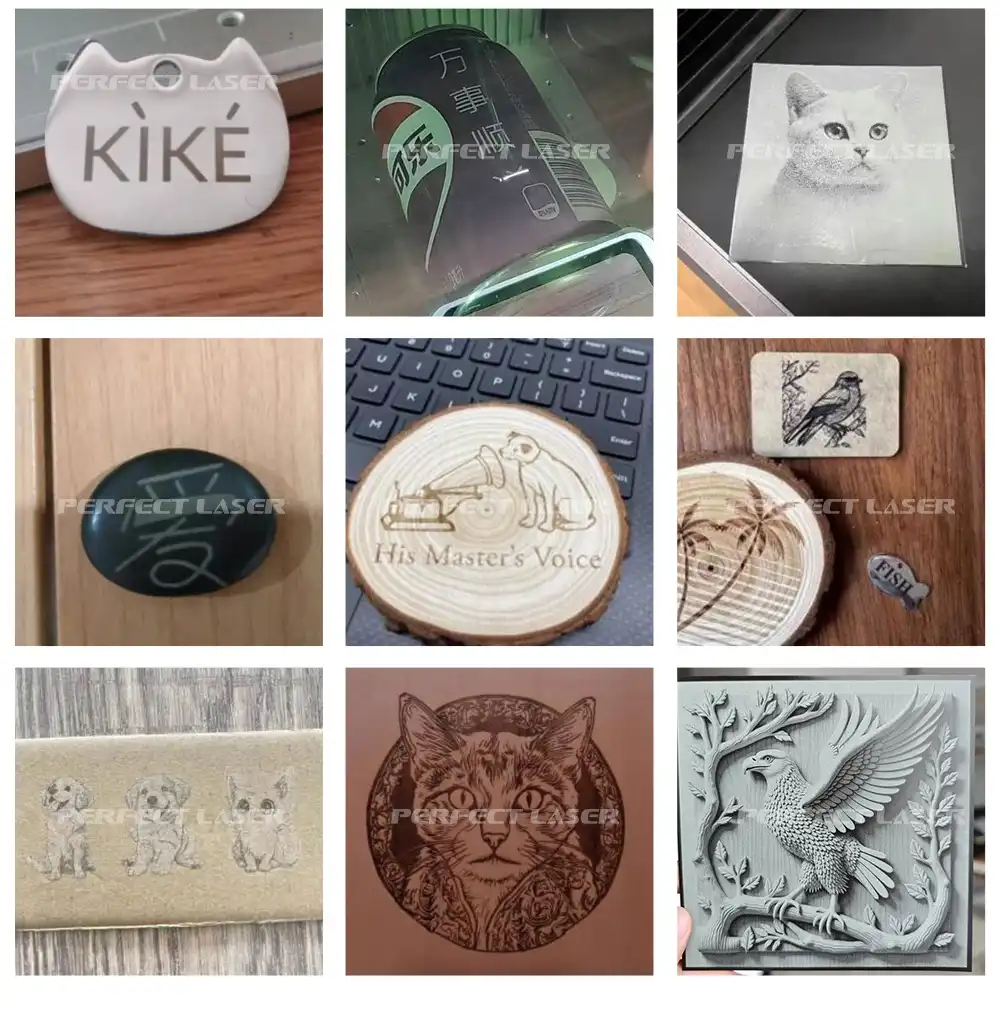
Industrial components including tools, machine parts, and precision instruments must be permanently labeled. Deep engraving leaves lasting imprints on hardened steel tools and cutting devices after severe usage and reconditioning. Readable marks remain. Building materials and tools are branded with brand names and specifications to educate users and enforce standards. Over extended product runs, high-speed writing permits large-scale manufacturing without compromising quality.
Procurement Guide: How to Choose the Right Fiber Laser Marking Machine
When choosing the right fiber laser marking machine tools, you need to carefully think about the needs of the application, the amount of output, and the space limitations. Knowing the important specs and what the provider can do will help you choose the best tools for your manufacturing needs.
Defining Technical Requirements
Material suitability is the most important factor in the decision process, since different materials need different laser settings to work best. For regular writing depths on metals, a laser with 20–50W of power is usually needed. For fine marking, lower power levels may be needed for better control. The size of the marking area determines how much room is needed and impacts both machine setup and cycle time. Larger marking fields make it possible to work on more than one part at once, but they may slow down marking and make it less accurate for small features. The best mix relies on how much is being made and the shape of the part.
Evaluating Supplier Capabilities
Suppliers should be chosen based on their ability to give professional assistance, procure replacement parts, and establish a local service system. Established manufacturers with substantial service networks provide superior long-term support than younger ones. CE certification ensures equipment satisfies safety and efficiency criteria.
Adoption and operational efficiency depend on training and documentation, including fibermark. Operator training and maintenance records help individuals learn quicker and keep things functioning smoothly between shifts and operators.
Return on Investment Analysis
A fiber laser writing machine must be purchased after a comprehensive cost-benefit analysis that measures its price against its savings and improvements. Automated marking systems that reduce manpower pay for themselves in 12–18 months with modest production volumes. Quality improvements and lower rework rates save money that may not be obvious at first. Permanent, high-quality branding reduces field failures and guarantee claims, improves customer satisfaction, and changes brand perception. Perfect Laser offers tiny, portable, tabletop, lifting, colorful, standby, and full-closed systems. Rotary type fiber laser engravers, UV purple light metal laser engravers, and 3D dynamic focus shifting working table fiber laser etchers may fulfill a variety of purposes.
Conclusion
Fiber laser marking machine technology is the best way to mark things in industry because it combines the highest levels of accuracy, dependability, and flexibility into a single platform. With unmatched speed and accuracy, these systems use advanced fiber optic laser production to make lasting, high-quality marks on metals and certain non-metallic materials. The technology has many benefits over standard CO2 and YAG laser systems, such as better beam quality, less maintenance, and a very long operational life. Fiber laser marking is useful for many industries, including electronics, automotive, aircraft, medical devices, and precise manufacturing. It makes it possible to track things and brand things in modern factories.
FAQ
1. What makes fiber laser marking different from CO2 laser marking?
Fiber laser marking machine technology works at a wavelength of 1064nm, while CO2 lasers work at a wavelength of 10.6μm. This makes fiber lasers much better for marking metal. The shorter wavelength is better at absorbing light in metals, which lets you mark things faster and clearly define the edges. Also, fiber systems use 25–30% less electricity than CO2 systems (8–12% less), which makes them much cheaper to run.
2. How often do fiber laser marking machines require maintenance?
Compared to traditional laser technologies, these systems don't need as much regular repair. Basic cleaning and quality checks are part of daily upkeep. Under normal working conditions, major parts should be replaced every 5 to 7 years. The fiber laser source doesn't need to be replaced for more than 100,000 hours, which makes these systems very cost-effective for high-volume uses.
3. Which industries benefit most from fiber laser marking technology?
Manufacturing electronics, making car parts, marking aircraft parts, identifying medical devices, and making precise industrial goods are the main industries that benefit from fiber laser marking machine technology. These fields need solid, high-quality markings that can stand up to the elements and still keep the measurements and purity of the material.
Contact Perfect Laser for Advanced Fiber Laser Marking Solutions
Perfect Laser stands as a leading fiber laser marking machine manufacturer and fiber laser marking machine supplier with over 25 years of innovation in industrial laser technology. Our comprehensive product line includes mini, portable, tabletop, lifting, and specialized configurations designed to meet diverse manufacturing requirements. Each system delivers exceptional precision with fibermark, marking speeds up to 7000mm/s, stable performance thanks to advanced air cooling systems, and the best laser source warranties in the business, lasting 2 years. Excellent manufacturing backed by CE, TUV, and SGS standards guarantees dependable use in tough industrial settings. Contact our technical specialists at [email protected] to discuss your specific marking requirements and discover how our advanced fiber laser marking machine solutions can enhance your production capabilities. Our experienced team provides comprehensive consultation, competitive pricing, and complete technical support to ensure optimal system integration and performance for your manufacturing operations.
References
1. Smith, J.A., "Advances in Fiber Laser Technology for Industrial Applications," Journal of Laser Manufacturing, Vol. 15, 2023, pp. 45-62.
2. Chen, L. and Rodriguez, M., "Comparative Analysis of Laser Marking Technologies in Modern Manufacturing," International Conference on Manufacturing Technology Proceedings, 2023, pp. 234-251.
3. Thompson, R.K., "Maintenance Strategies for Industrial Fiber Laser Systems," Laser Technology Quarterly, Vol. 28, No. 3, 2023, pp. 78-89.
4. Williams, S.D., "Material Processing Applications of Near-Infrared Fiber Lasers," Materials Science and Engineering Review, Vol. 42, 2023, pp. 156-173.
5. Zhang, H. and Anderson, P.J., "Economic Analysis of Fiber Laser Implementation in High-Volume Manufacturing," Manufacturing Economics Journal, Vol. 19, No. 2, 2023, pp. 112-128.
6. Kumar, A.S., "Quality Control and Traceability in Laser-Marked Components," Quality Engineering International, Vol. 31, 2023, pp. 201-218.

share your inquiry, get the quotation accordingly.
第一张审核员说包含其他公司不能用_1755049724891.webp)
Perfect Laser – Global Manufacturer of Reliable Laser Solutions


