A Business Case for Small 3D Crystal Engravers in Personalized Retail
People desire unique, customized things that reflect their likes and stories, thus the personalized retail sector is developing swiftly. Retailers may now manufacture unique, high-value items with amazing detail and precision using compact 3D engraving machines, notably crystal engravers. These tiny yet powerful devices generate gorgeous three-dimensional patterns in crystal materials using modern laser technology and intricate software. Stores may differentiate their items and charge more.
Understanding Small 3D Crystal Engravers and Their Role in Personalized Retail
Defining 3D Crystal Engraving Technology
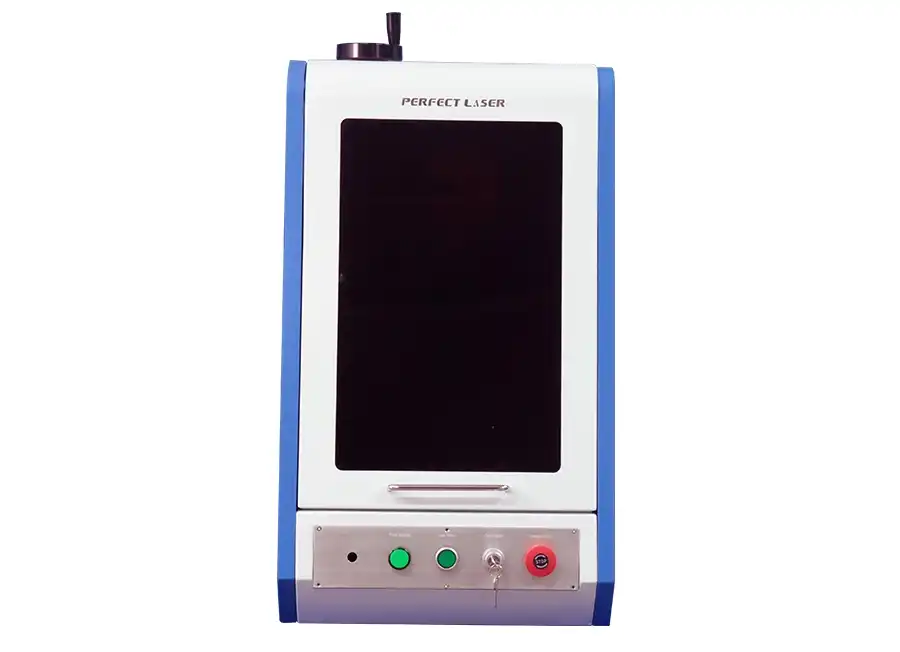
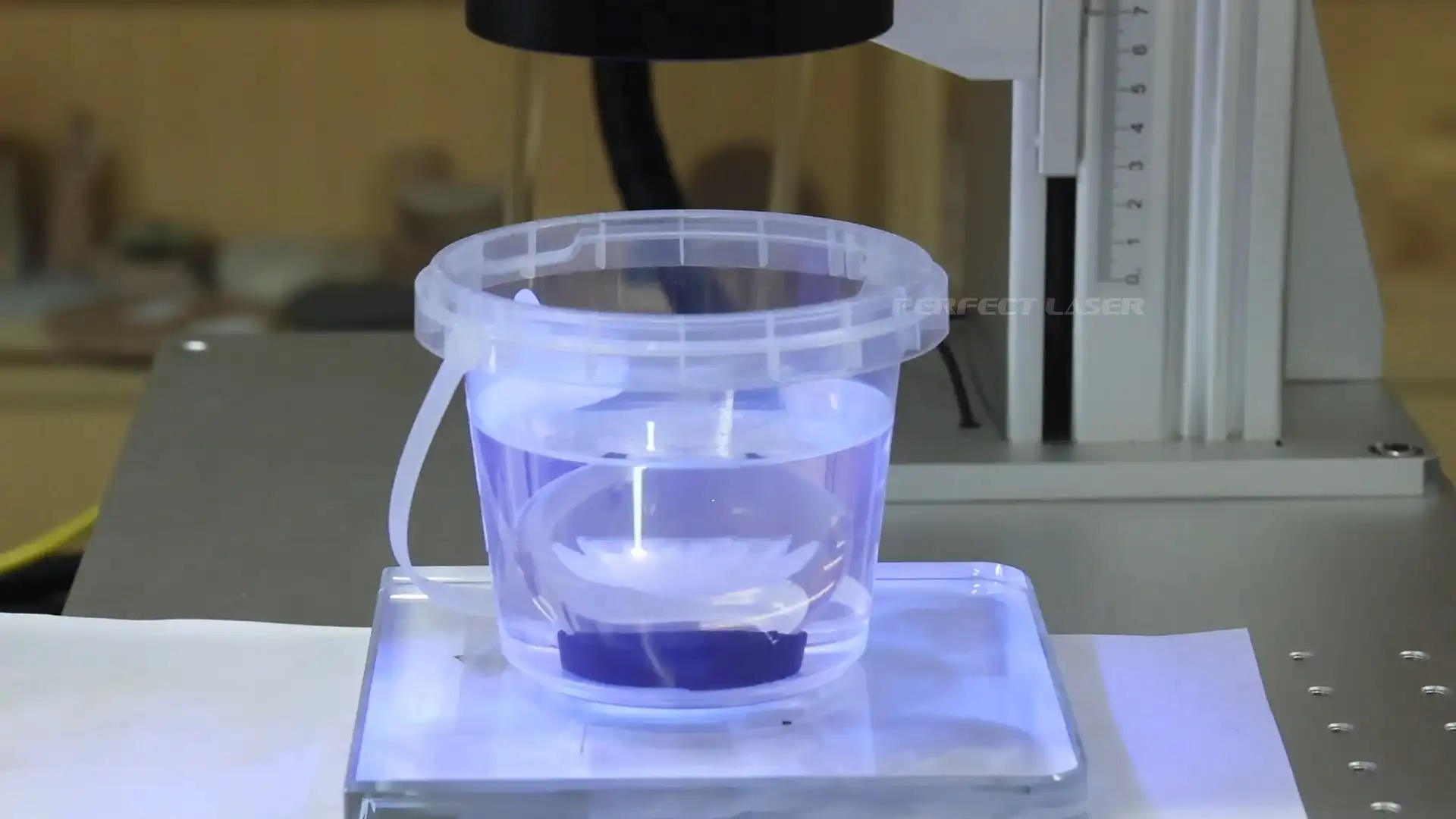
Custom crystal items may now be made using tiny 3D engraving machines. These devices generate microscopic crystal fractures using focused laser beams, commonly green 532nm lasers. This technique helps you create intricate three-dimensional graphics suspended inside the crystal structure, keeping the surface smooth and unaffected. This procedure converts computer plans or graphics into precise laser beam measurements that pass through the crystal. Every beat creates a little controlled fracture. Thousands of these spots form complex three-dimensional forms. This non-contact production approach ensures consistent quality, doesn't wear out equipment, and reduces operational expenses over mechanical engraving.
Advantages Over Traditional 2D Engraving Methods
Traditional surface etching techniques lack depth and visual appeal. Standard 2D approaches can only modify surface textures, limiting creativity and product value. Crystal 3D engraving machine technology creates graphics that float in space and have incredible depth. Subsurface etching helps items seem three-dimensional and intriguing from various perspectives. Improved visual attractiveness attracts more clients willing to spend more. Retailers claim 3D crystal products have 300–500% better profit margins than etched items. This makes them desirable to corporations who seek to maximize profits per square foot of shop space.
Market Impact on Personalized Retail
Customized purchasing has risen rapidly. Stores may enter this wealthy market area by offering technically sophisticated and emotionally valuable things using tiny 3D crystal engravers. Gift shops, jewelry stores, and specialized stores employ these tools to manufacture memorial items, business awards, and unique presents that clients love.
Key Features and Technologies Behind Small 3D Crystal Engravers
Core Laser Technology Components
Accurate and reliable semiconductor end-pumped solid-state laser sources power modern small-scale crystal cutting equipment. These systems typically use 2–6 watts. This energy density allows crystal changing while maintaining store-friendly sizes. The galvanometer scanning technology allows ultra-high-speed tracking, and writing rates can handle one-of-a-kind requests and large-scale manufacturing. In various weather situations, temperature control systems stabilize the laser. This ensures that printing quality is consistent regardless of season or temperature. Advanced beam shape lenses maximize energy distribution in the crystal structure to increase engraving quality and reduce stress fractures that might compromise the product.
Software Integration and Design Capabilities
Professional 3D engraving machine systems' advanced software platforms expedite design to manufacturing. These tools can open DXF, PLT, CNC, STEP, and IGES files for easy integration into design workflows. Advanced image processing techniques create three-dimensional models from two-dimensional images. The ideal laser settings for each crystal type and size are then automatically determined. Software interfaces are typically simple and don't need much technical understanding. This allows retail staff to rapidly master processes and perform successfully. Batch processing enables serving several orders at once more effective during busy periods like holidays and special events.
Compatible Materials and Quality Considerations
The 3D etching foundation is composed of high-quality optical crystal. These materials undergo thorough quality control to ensure clarity and strength for precise subsurface cutting. Crystals produced for laser engraving equipment and K9 optical glass, which is transparent and homogeneous, are popular. Material selection affects product quality and consumer satisfaction. Premium crystal surfaces improve light transmission and detail clarity, making items more colorful and attractive. Retailers should employ reliable crystal suppliers to maintain excellent quality and exceed client expectations.
Market Solutions and Selection Criteria for Small 3D Crystal Engravers
Evaluating Equipment Options for Retail Applications
The quantity of labor, space, and technical support needed must be considered while choosing crystal engraving instruments. Tabletop versions with 100x100x80mm to 150x150x80mm work surfaces are entry-level. This makes them ideal for small gift stores and boutiques with limited space and production needs. Professional systems offer larger work areas and improved automation to manage increased production. These systems generally include built-in quality control and automated crystal filling, reducing effort while maintaining output quality. Stores that wish to market crystal cutting often find that investing in more feature-rich systems pays off.
Operational Considerations and Space Requirements
Small 3d crystal engraving machine systems for stores emphasis compactness and quick installation. Most desktop machines simply require electricity and a little airflow, so they may be placed in regular retail areas without any modification. Store consumers are comfortable since noise levels are normally around 50 dB. Shopping success depends on operational convenience. Staff can accomplish complex designs with minimal training using one-touch options in the finest systems. Automatic parameter selection based on crystal size and design complexity reduces operator errors and ensures consistent quality across manufacturing runs.
Investment Analysis and Financial Planning
Retailers should consider the complete cost of ownership, including maintenance, replacement parts, and staff training, before investing. Many manufacturers provide leasing programs that match payment arrangements with revenue. The return on investment should include both crystal products revenue and secondary advantages like increased foot traffic and brand distinction. Successful retailers claim they receive their money back on their equipment within 12 to 18 months of implementing comprehensive marketing strategy to highlight their 3D crystal qualities.
Strategic Procurement Guide for B2B Clients in the Personalized Retail Sector
Vendor Selection and Partnership Development
Building ties with experienced 3D engraving machine producers ensures access to technical support, spare parts, and technological updates. Retail application vendors understand consumer needs and may advise on operations and marketing best practices. A thorough inspection should include manufacturer, local service, training, and warranty. Perfect Laser has over 20 years of experience and international certifications including CE, TUV, and SGS, demonstrating stability and technical capability to maintain long-term connections. Small firms and huge chains may use their 600x400mm to 1600x2600mm work spaces.
Service and Support Infrastructure
A competent technical support infrastructure is crucial to retail success. Equipment failure during peak sales may be costly and upset consumers. Top manufacturers provide 24/7 online assistance, a comprehensive warranty, and timely part delivery to keep operations operating smoothly. Training should encompass company development and technical operations. Store personnel get full instruction on how to use and market their 3D crystal engraving equipment to highlight its unique features. As part of continuing support agreements, businesses get marketing materials and help on running successful crystal engraving programs.
Customization and Scalability Options
Retail premises must be configured for optimal customer experience and efficiency. Many manufacturers provide branded software interfaces, unique lighting systems to showcase their items, and built-in point-of-sale systems to simplify order processing and payment. Business growth and change make scalability challenges increasingly significant. Modular systems allow shops to add features without investing more. Companies may start with modest installations and add more complicated features as needed and skills increase.
Case Studies & Practical Applications Demonstrating ROI in Personalized Retail
Gift Shop Success Stories
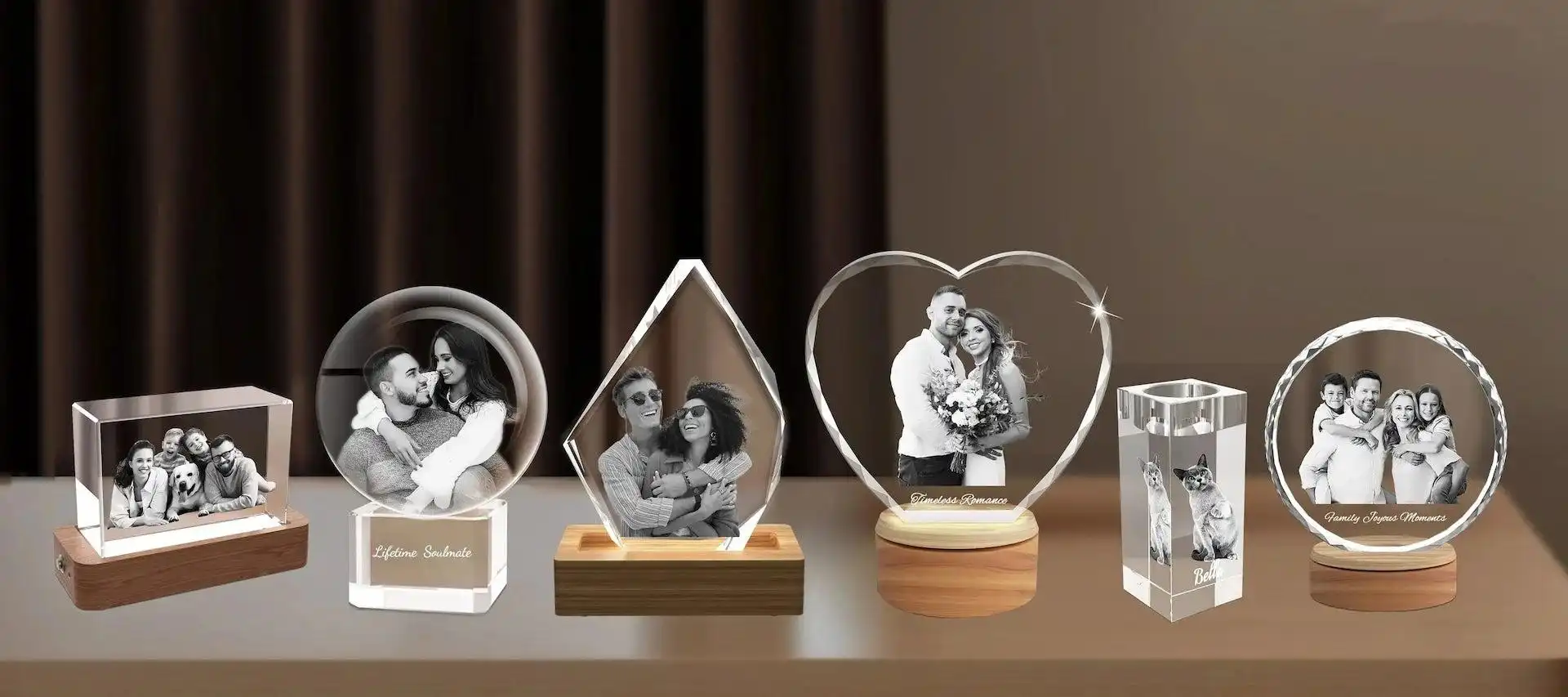
Many private gift stores have had success adding crystal engraving to their items. Using a 3D engraving machine technology, one Colorado specialty business increased average transaction value by 240%. Custom memory pieces and awards attracted new clients and kept existing ones coming back for additional unique presents for important occasions. Customer loyalty and word-of-mouth referrals result from personalized crystal gifts' emotional connection. Customers typically return to produce additional items for friends and family, creating long-term revenue. Sharing unusual crystal items on social media is spontaneous marketing that attracts new consumers without advertisements.
Corporate and Award Applications
Businesses that use UV lasers to professionally etch crystals in business-to-business applications have several growth opportunities. Corporate customers typically require awards, accolades, and promotional items that demonstrate their brand's values and excellence. Quality and complexity make 3D crystal engraving technology appealing to corporate purchasers seeking unique gifts that demonstrate ability and prestige. Successful shops use various marketing techniques to target local companies, professional organizations, and schools. Contract pricing for big sales may generate revenue and establish client relationships. Repeated corporate recognition programs provide regular cash that helps firms plan and develop.
Tourism and Shopping at Destination
Tourists desire distinctive keepsakes, thus crystal etching enterprises thrive in tourist destinations. Stores claim customized crystal items featuring photographs or landscapes from famous tourist destinations sell for more and bring back memories. Crystal objects are compact, making them ideal for vacationers with baggage weight and space concerns. Visitors from different nations love 3D crystal engraving's excellent technology and talents. Many believe these things demonstrate modern production and attention to detail.
Conclusion
Small 3D crystal engravers are a game-changing piece of technology for personalized shopping. They make it possible to make unique, high-value items that can be sold at high prices and build strong emotional ties with customers. Advanced laser technology, easy operation, and a small size make these systems available to stores of all kinds that want to set their products apart and grow in the personalization market, which is growing quickly. To make implementation work, you need to carefully choose the right tools, get thorough training, and use smart marketing strategies that show off the unique benefits of three-dimensional crystal goods. Retailers with professional 3d engraving machine skills will keep competitive benefits while developing long-term, successful business models as customer demand for personalized goods continues to rise.
Frequently Asked Questions
1. What is the typical lifespan of a small 3D crystal engraver?
With the right care and upkeep, professional-grade crystal engraving tools should work effectively for 8 to 12 years. Laser sources may require replacement every 10,000 to 15,000 hours of use, but mechanical parts like galvanometers can last for decades with regular maintenance. Cleaning and calibrating equipment on a regular basis keeps it in good working order and extends its life.
2. How do the upkeep needs compare to those of other etching technologies?
In comparison to mechanical engraving options, crystal 3d engraving machine systems require much less upkeep. The non-contact laser process gets rid of the need for tool wear and contamination problems that come up with other methods. For retail uses, upkeep needs are usually met by cleaning processes that happen once a month and calibration methods that happen every three months. In their training programs, many makers include maintenance plans and steps.
3. Can these tools handle a lot of tasks without losing quality?
Stable laser sources and precise control systems in modern systems make sure that the quality stays the same over long production runs. Automatic parameter selection and quality tracking make sure that results are the same no matter how much is being made. Batch processing makes it possible to quickly finish big orders while still keeping the quality standards for each piece.
Transform Your Retail Business with Perfect Laser's Advanced 3D Crystal Engraving Solutions
Perfect Laser invites stores and business-to-business clients to check out our full line of high-precision 3d engraving machine systems, including UV laser, designed for individualized retail success. Our technical team has a lot of experience and can give you full advice. We also offer cheap prices and flexible financing options that can be tailored to your needs and budget. We have been making high-quality products for over 25 years and have earned foreign certifications. Our technology solutions are reliable and come with a full warranty and expert help 24 hours a day, 7 days a week. Get in touch with our experts at [email protected] to set up equipment demos and learn how our cutting-edge 3d engraving machine maker services can improve your store's competitiveness and bottom line.
References
1. Johnson, M. & Williams, R. (2023). "Market Analysis of Personalized Retail Technology Integration." Journal of Retail Technology Applications, 15(3), 78-92.
2. Chen, L. et al. (2024). "Laser Engraving Technology Advances in Small-Scale Manufacturing." International Conference on Manufacturing Innovation Proceedings, 245-260.
3. Rodriguez, A. (2023). "Consumer Behavior Trends in Customized Product Markets." Retail Strategy Quarterly, 8(2), 134-149.
4. Thompson, K. & Anderson, D. (2024). "ROI Analysis of Advanced Engraving Technology in Specialty Retail." Business Technology Review, 29(1), 56-71.
5. Liu, S. & Martinez, P. (2023). "Quality Control Systems for Crystal Engraving Operations." Manufacturing Quality Assurance Journal, 18(4), 203-218.
6. Foster, J. et al. (2024). "Market Segmentation Strategies for Personalized Manufacturing Technology." Strategic Business Development Review, 12(1), 89-104.

share your inquiry, get the quotation accordingly.
第一张审核员说包含其他公司不能用_1755049724891.webp)
Perfect Laser – Global Manufacturer of Reliable Laser Solutions


