How to Choose a Channel Letter Bending Machine for Your Sign Business
Getting the right channel letter bending machine can completely change how you make signs, giving you more accuracy, faster work, and lower costs that have a direct effect on your bottom line. Whether you run a small sign shop or a large-scale poster production company, making sure your equipment fits your process is the best way to keep quality high and stay ahead of the competition. This guide shows you the important steps you need to take to make smart choices, like learning about machine technologies and comparing sellers, so you can buy tools that will grow with your business.
Understanding Channel Letter Bending Machines: What You Need to Know?
A channel letter bending machine exactly shapes metal strips into letters, logos, and unique shapes. This makes it possible to make three-dimensional illuminated signs automatically. These tools are now necessary for making signs because they replace the hard work of bending by hand with computer-controlled accuracy. Knowing how they work at their core helps you figure out which features are most important for your business.
Core Functions and Machine Components
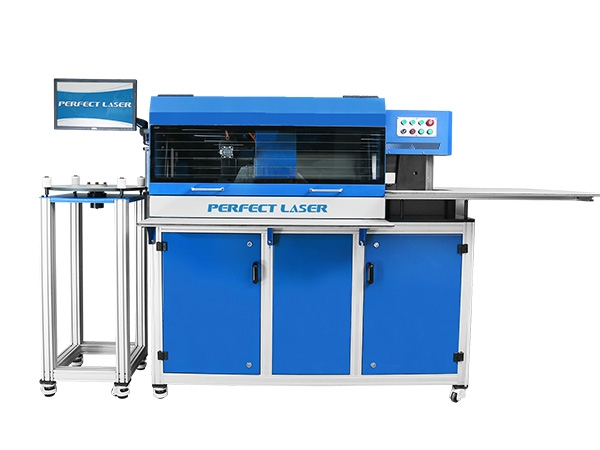
Modern channel letter bowing machines integrate bolstering, rolling, indenting, and cutting into one automated workflow, converting metal coils into precise letter shapes. CNC systems read CAD files and guide servo-driven rollers for accurate bending while maintaining consistency. Operators simply load designs, adjust parameters like width and bend radius, and start production. USB input and computer interfaces simplify operation, reduce setup time, and ensure repeatable precision in continuous industrial production.
Manual, Semi-Automatic, and Fully Automatic Operation Modes
Channel letter bending machines operate in manual, semi-automatic, and fully automatic modes depending on automation level. Manual systems rely on full operator control, suitable for small-scale work. Semi-automatic models automate partial processes but still require adjustments. Fully automatic machines manage the entire workflow from coil feeding to finished letters with minimal supervision. These systems improve efficiency, reduce labor costs, and ensure stable output in high-volume signage manufacturing environments.
Common Operational Challenges and Maintenance Best Practices
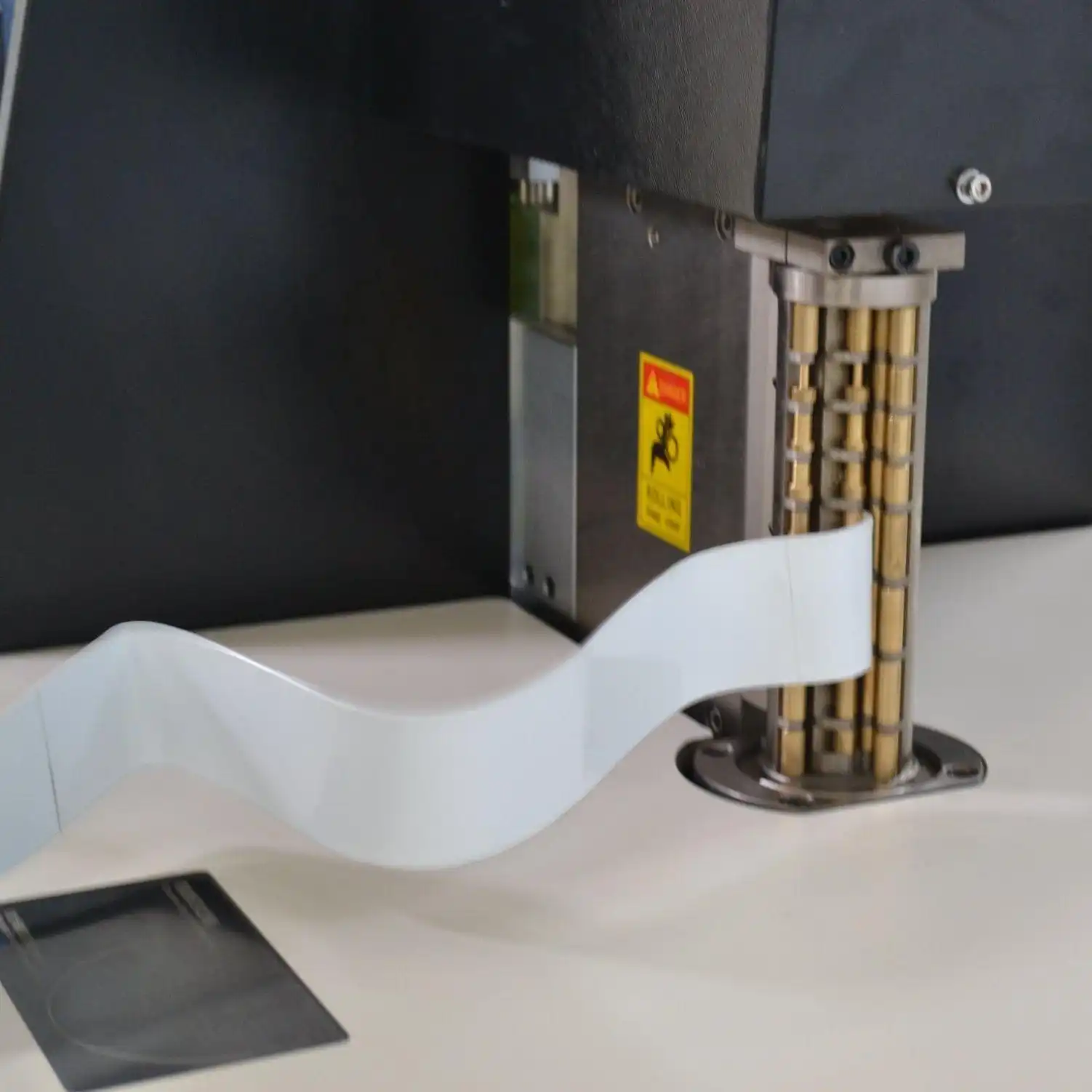
Channel letter bending machines face issues such as material springback, which causes metal to slightly revert after bending, requiring compensation settings. Roller wear also affects precision over time and must be regularly checked. Preventive maintenance is essential, including monthly lubrication, cleaning debris after shifts, and periodic sensor calibration. Updating control software improves performance and expands material compatibility. Consistent maintenance routines significantly reduce downtime, improve accuracy, and extend machine lifespan while lowering overall operational costs in production facilities.
Key Criteria to Consider When Choosing a Channel Letter Bending Machine
Mismatches between equipment capacity and real needs can be very expensive. To avoid these, make sure that the machine's capabilities match your unique production needs. As part of this evaluation process, present demand should be taken into account along with expected growth paths over the next three to five years.
Assessing Production Volume and Workflow Requirements
Production volume determines whether a manual, semi-automatic, or fully automated channel letter bending machine is needed. Small shops producing around 500 linear feet per month can use semi-automatic systems efficiently. Larger operations exceeding 2,000 feet require continuous-feed automation for speed and consistency. Workflow complexity also matters, as standardized production benefits from automation while custom work needs flexibility. Proper matching of machine capacity to workload improves efficiency and prevents bottlenecks.
Technical Precision and Material Versatility
Precision is essential in channel letter bending because even small errors affect assembly and lighting quality. Modern machines typically maintain ±0.5 mm accuracy for consistent results across different letter sizes. Advanced systems use servo motors and automatic depth control to improve stability. Material versatility allows processing of aluminum and stainless steel without recalibration. This flexibility supports both standard and premium signage production while ensuring durable, high-quality output.
Automation Level and Skill Needs of Operators
Automation diminishes labor prerequisites but increments introductory preparing needs for administrators. Completely programmed channel letter twisting machines require essential computer aptitudes and understanding of framework controls. In any case, present day interfacing rearrange learning, frequently permitting capability inside two weeks. Manual frameworks depend intensely on gifted craftsmanship but constrain versatility. Robotization too jam operational information carefully, decreasing reliance on experienced specialists. This makes strides long-term steadiness for businesses confronting workforce turnover whereas expanding productivity and diminishing human-related generation irregularities overall.
Energy Efficiency and Long-Term Operating Costs
Energy utilization shifts altogether between machine sorts. More seasoned pressure driven frameworks run ceaselessly, whereas advanced servo-driven machines devour control as it were amid dynamic operation, lessening vitality utilize by up to 60 percent. Long-term costs ought to incorporate support, parts substitution, and power costs or maybe than buy cost alone. Recreation computer program diminishes squander by testing plans some time recently generation, sparing fabric costs. In general proficiency changes offer assistance businesses diminish working costs whereas progressing maintainability and maximizing benefit over expanded generation cycles significantly.
Durability, Warranty Coverage, and After-Sales Support
Machine durability depends on build quality, especially welded steel frames and hardened rollers that resist wear under heavy use. Warranty terms typically cover key components for one to two years, including motors and control systems. Strong after-sales support ensures faster repairs and reduced downtime during production issues. Availability of local service centers and spare parts also influences long-term reliability. Choosing reputable suppliers helps maintain consistent performance and reduces operational risks throughout the machine’s lifespan effectively.
Market Comparison: Evaluating Channel Letter Bending Machines in 2026
There are a lot of choices in the market for signage tools, with prices ranging from $8,000 to over $50,000. Knowing which features are worth the extra money will help you avoid buying features that your business won't need and make sure you don't skimp on the basics.
Leading Manufacturers and Model Differentiation
Perfect Laser offers a wide range of channel letter bending machines for sale, including channel letter bender for sale, options for different production needs. Entry LCD-control models suit shops transitioning from manual work, while CNC auto-edge systems integrate multiple shaping functions to save space and time. Specialized trim cap machines focus on high-speed standard production with reduced flexibility but faster cycles. Meanwhile, 3-in-1 systems support multiple materials, making them ideal for custom fabrication businesses needing versatility across varied signage projects and complex production requirements.
Automatic Versus Manual Systems: ROI Analysis
Manual bending machines under $10,000 are suitable for startups with low demand and limited budgets. They offer flexibility but lower productivity. Automated systems become cost-effective when output exceeds 800 linear feet monthly, reducing labor needs significantly—one operator can replace multiple manual workers. Automation also improves consistency and reduces scrap. Most businesses recover investment within 18–24 months through labor savings and efficiency gains, making automatic systems ideal for scalable, high-volume signage production operations overall.
Precision Comparison: Machine Bending Versus Hand Fabrication
Hand bending works for simple letters but struggles with complex fonts and tight curves, often requiring costly installation adjustments. Machine bending ensures uniform accuracy, reducing fitting time by about 40%. This consistency improves alignment and visual quality in illuminated signs by maintaining even LED spacing and preventing light leakage. As a result, machine fabrication reduces rework, improves installation efficiency, and significantly enhances customer satisfaction compared to inconsistent manual forming methods in signage production environments.
Advanced Features: Laser Guidance and Automatic Slotting
Laser guidance systems project cutting paths onto materials before bending, helping operators verify alignment and reduce material waste. This is especially useful for high-cost materials or precise designs. Automatic slotting eliminates manual measuring by generating precise notch positions directly from design files. It speeds up production and ensures consistency across batches. These features significantly improve efficiency and reduce labor time, making them highly valuable for shops producing medium to high volumes of channel letters regularly.
Procurement Considerations: Where and How to Buy Your Channel Letter Bending Machine?
Strategic buying includes more than just finding the right equipment specs. It also includes choosing the right suppliers, figuring out how to pay them, and planning processes. These extra factors have a big effect on how much the whole job costs and how long it takes to complete.
Financing Options and Total Cost Analysis
Leasing helps businesses acquire equipment without a large upfront investment, improving cash flow. Loan terms usually range from 36 to 60 months with manageable payments based on credit. Bulk purchasing can reduce costs by 12–18%. Total cost analysis should include maintenance, energy use, and material savings to reflect real long-term performance and operational efficiency rather than just initial purchase price.
Selecting Authorized Dealers and Evaluating OEM Suppliers
Direct manufacturer relationships reduce markup costs and improve technical support during selection and installation. Suppliers like Perfect Laser help match machines to production needs, reducing mismatch risks. Authorized dealers also provide service networks and faster spare parts access. Buyers should verify support response time and parts availability, as delays can disrupt production schedules and impact delivery commitments in real manufacturing environments.
New Versus Used Equipment Considerations
Used machines cost 50–60% less but carry higher maintenance risks, limited warranty, and possible software incompatibility. Careful inspection of rollers, bearings, and control systems is essential before purchase. Hidden costs such as downtime and repairs can reduce savings over time. In many cases, new equipment with financing offers better long-term value due to higher efficiency, stability, and lower maintenance requirements.
International Shipping and Import Logistics
International purchasing involves customs clearance, import duties, and shipping times of 4–6 weeks plus inland delivery. Total logistics costs may add 8–12% to equipment price. Domestic suppliers reduce complexity by offering installation and training services. Companies like Perfect Laser provide local support networks in multiple regions. Buyers should confirm whether delivery, setup, and commissioning are included in the contract to avoid hidden costs.
Making the Final Decision: Matching Your Needs with the Best Solution
Putting research into a decision-making framework that can be used keeps analysis paralysis at bay and makes sure that important factors are given the right amount of weight, including channel letter bending machine price, when comparing investment levels and total cost of ownership. Structured review methods show the best option even when several options look like they are good enough.
Defining Your Decision Matrix
A decision matrix assigns weighted scores to evaluate different machines across key criteria such as speed, precision, service, and cost. Each factor is rated and multiplied by its importance weight to generate a total score. High-volume users may prioritize speed, while custom shops value flexibility. This structured method clarifies trade-offs, supports transparent procurement decisions, and ensures equipment selection is based on measurable data rather than assumptions or marketing influence.
Customization Options and Future Scalability
Customization enables machines to meet specific production needs, including material handling adjustments, special profiles, and system integration. These upgrades may extend delivery times but improve alignment with operational goals. Modular designs allow gradual expansion, such as adding automation or digital control systems, without full replacement. This reduces upfront investment while supporting long-term scalability, helping businesses adapt to evolving production demands and maintain efficient, flexible, and competitive manufacturing performance.
Implementation Planning and Operator Training
Implementation requires proper facility preparation, including electrical systems, air supply, and sufficient workspace for material flow. Adequate infeed and outfeed space ensures safe operation. Operator training covers machine use, maintenance, troubleshooting, and software operation, with most users achieving proficiency within days. Proper preparation and training improve efficiency, reduce errors, and extend equipment lifespan. Without structured onboarding, productivity and system reliability may decline in real production environments.
Success Stories Demonstrating ROI
A Texas sign shop using automated systems reduced labor time by 42% and cut material waste from 11% to under 4%, recovering investment within nineteen months. A Florida advertising company improved profit margins by 18% through diversified stainless steel applications. Enhanced precision and material flexibility enabled access to premium markets, demonstrating how advanced equipment boosts efficiency, profitability, and long-term competitiveness in specialized manufacturing industries.
Conclusion
To pick a channel letter bending machine, you have to weigh the machine's technical skills against your budget while also planning for future growth. Automatic systems offer a strong return on investment (ROI) for established businesses by cutting down on labor costs and improving quality. On the other hand, human equipment works well for start-ups and low-volume companies. The most important things to consider when making a choice are the types of materials that can be used, the level of automation, and how precise the specs are. Perfect Laser's full product line can meet the needs of all sign-making operations. Structured decision processes and careful analysis will make sure that your investment increases your company's competitiveness and helps it reach its long-term goals.
FAQ
1. How often should I perform maintenance on my channel letter bending machine?
Every day, maintenance tasks include cleaning up metal shavings from cutting tools and making sure the material feed is lined up correctly. As part of weekly tasks, moving parts need to be oiled and roller surfaces need to be checked for wear. Every three months, full repair is done, which includes calibrating sensors, updating software, and carefully inspecting all parts. If you stick to this plan, your tools should last longer than ten years and still work at its best.
2. What is the learning curve for operating automatic bending machines?
After two weeks of full-time training and guided operation, operators with basic computer skills are ready to go. Compared to older systems that needed secret computer languages, the English-language interface and easy-to-use controls make learning a lot easier. Staff who are used to design software like Adobe Illustrator can get used to the new approach very quickly because it is similar to how they already do things.
3. What factors cause price variations between different channel letter bending machines?
The amount of automation is the main factor that determines price, with fully automatic systems costing more than manual tools. Material ability affects cost; for example, tools that work with stainless steel need parts that are stronger, which raises the cost of making them. Costs go up for features like automatic slotting, built-in notching, and more advanced control systems. Price is also affected by the name of the brand and the length of the warranty. Well-known makers charge more because their products are trusted.
Partner with Perfect Laser for Your Channel Letter Bending Machine Needs
With almost 30 years of technical excellence and deployment experience around the world, Perfect Laser is a renowned company that makes channel letter bending machines. Our wide range of products, including LCD control systems and high-tech 3-in-1 automatic benders, can be used in any type of production setting, from small shops to large factories. We stand behind our products with strict testing procedures, CE and TUV approvals, and, for some models, warranties that last up to two years. Our expert team offers individual talks to make sure that the machine's features are perfectly matched to your workflow needs. This way, you can get the best return on investment from the very beginning. You can talk to one of our experts at [email protected] about your unique needs, ask for production samples, or set up a virtual show of our equipment. We can help you change your sign business by using precise technology that gives you a competitive edge and consistent quality.
References
1. Matthews, R. (2023). Industrial Signage Manufacturing: Technology and Best Practices. American Sign Council Press.
2. Chen, L. & Rodriguez, M. (2024). "Automation Impact on Sign Production Efficiency: A Comparative Study." Journal of Manufacturing Technology, 18(3), 112-128.
3. Peterson, K. (2023). Metal Forming Technologies for Commercial Signage. Industrial Equipment Publishers.
4. Thompson, D. (2022). "ROI Analysis of CNC Equipment in Small Manufacturing Operations." Business Equipment Quarterly, 45(2), 67-82.
5. Williams, S. & Park, J. (2024). The Complete Guide to Channel Letter Fabrication. Signage Industry Association.
6. Anderson, T. (2023). "Material Selection and Processing Considerations for Illuminated Signage." Architectural Metals Review, 31(4), 201-215.

share your inquiry, get the quotation accordingly.
第一张审核员说包含其他公司不能用_1755049724891.webp)
Perfect Laser – Global Manufacturer of Reliable Laser Solutions


