Buyer’s Guide to a 3D Crystal Laser Engraving Machine
Understanding what a 3d crystal laser engraving machine can do is extremely important when looking into options for making beautiful crystal memories. These high-tech machines use UV laser beams (usually with a frequency of 355nm) to cut complex three-dimensional patterns into clear materials like optical crystal and glass. Unlike traditional engraving methods that scratch or sandblast the outside, this technology makes patterns on the inside by directing laser energy at specific places within the crystal lattice. This creates tiny controlled cracks that catch light wonderfully. The end result is crystal clear images with lots of fine details and patterns that look like they move magically inside the material. This technology changes how personalized items are made and sent, whether you're making unique presents for tourist shops, classy keepsakes for weddings for photo studios, or high-end business gifts for hotels.
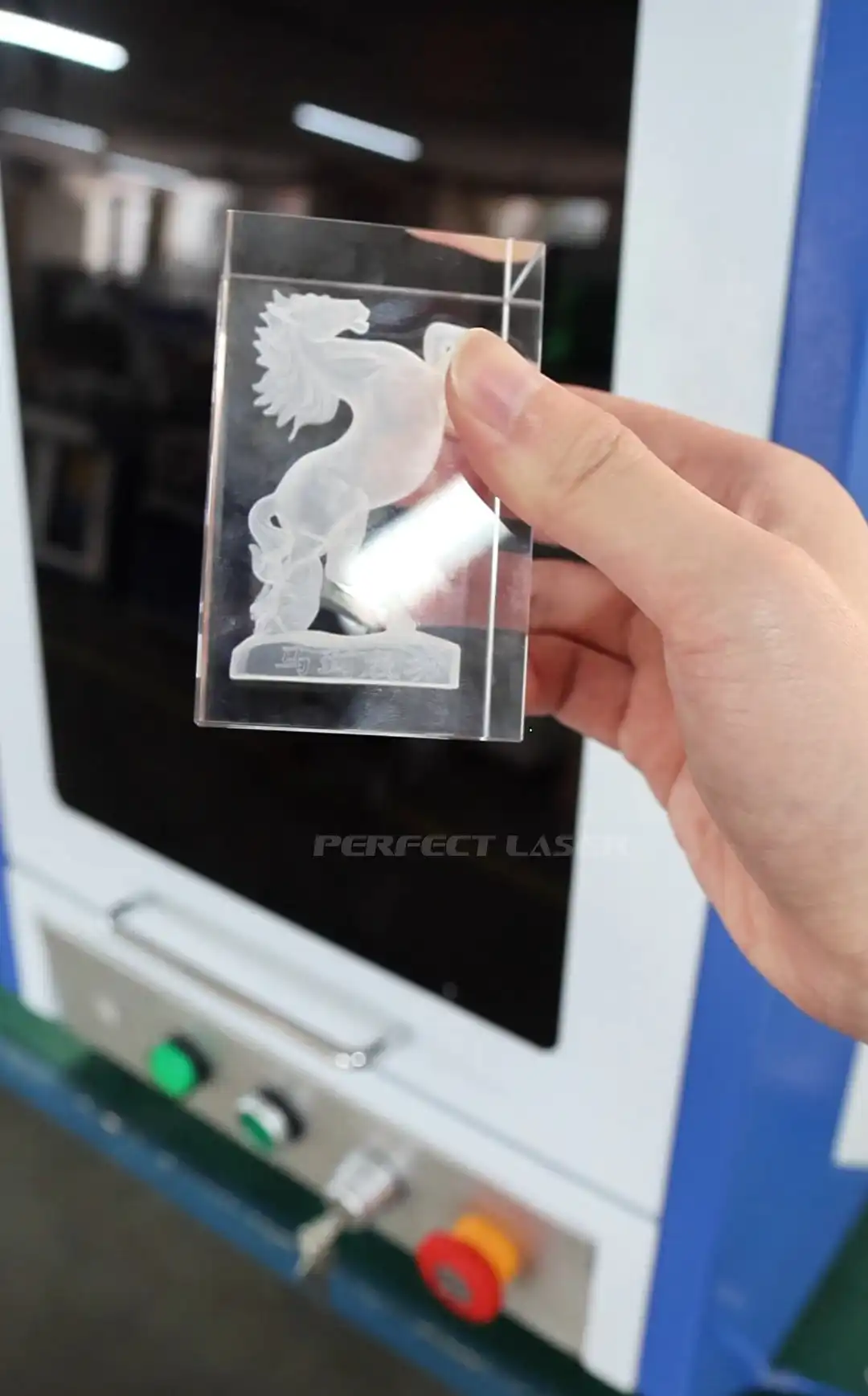
Understanding 3D Crystal Laser Engraving Technology
How Laser Engraving Works Inside Crystal
The science of crystal laser etching encompasses illumination, materials, and precision control. UV laser beams heat a tiny region in microseconds when they concentrate within crystals. Fast energy intake causes micro-explosions at specified moments, creating small fissures or bubbles that disseminate light. Special software controls the laser's strength, focal depth, and beam route to create intricate three-dimensional images. It can accomplish this at 150,000 points per minute using high-speed galvanometer devices.
This non-contact approach preserves the crystal's polished surface and optical purity. Sub-micron precision allows for detailed reproduction of photographs, renowned structures, business logos, and complicated art creations. Lasers are superior than sandblasting and rotational printing because they can repeat accurately. Tourist attractions, gift stores, and photographic studios need this.
Why Crystal and Glass Are Ideal Materials
Internal laser etching works best with optical-grade crystals, notably K9 crystal, because to their clarity and consistency. K9 crystal's high refractive index reflects light well, making carved patterns glow. The material's consistent density ensures laser contact, reducing flaws and increasing output yield.
These tools can etch glass, but high-end tasks are better with crystal. Crystals with excellent chemical structure may be broken up more precisely, helping to clarify features and disperse light. Material thickness is crucial. Thicker crystals can handle more complex designs with depth variation, whereas thinner ones are suitable for simpler patterns or surface-only purposes.
Advantages Over Traditional Engraving Methods
Sandblasting and other earlier processes use gritty particles to frost surfaces. These effects obscure minor details and need production-slowing covering processes. Hand-cranked rotary automated etching creates dust and risks harming sensitive goods. Both methods can't create three-dimensional effects within curved surfaces.
All these issues are solved via laser etching. The technique doesn't need physical contact, therefore it doesn't stress or distort materials. With laser technology, manufacturing speeds up greatly. Handwork now takes five minutes instead of thirty. The technique also improves the environment by not generating chemical waste or harsh ingredients. Digital design modifications are accomplished immediately via software, so no costly equipment or templates are needed.
Applications Across Multiple Industries
Beyond just engraving crystals, 3d crystal laser engraving machine are incredibly flexible. With the right settings and add-ons, like a 3D camera system, these machines can turn photos into portrait carvings, which are more than just flat photos. Location-themed items, like small copies of sites, cityscapes, or regional symbols that tourists buy as souvenirs, are made quickly and are good for tourism and souvenir shops.
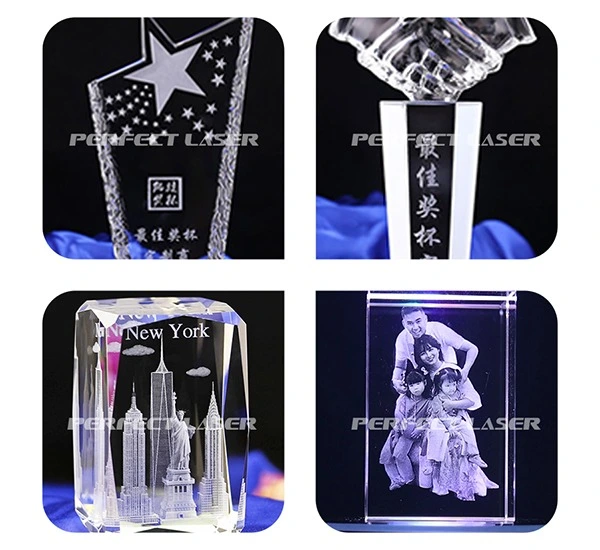
Studios that do photography and wedding services can really benefit from this technology. As a permanent memory, couples love engraved crystal cubes that show pictures or locations from their wedding. Portrait studios give similar goods, which sets their services apart from those of competitors who only offer printed materials. Gift shops and retail outlets use these machines to add customizations like customer logos, important dates, or personalized messages. This turns cheap base materials into high-margin items.
Larger size machines are used in hotels and art galleries for company recognition pieces, art installations, and decorative elements. When used with the right laser sources, the technology's adaptability lets it be used on acrylic, specialized glass, metal, plastic, wood, leather, fabric, ceramics, and covered films. This opens up a huge range of business possibilities.
Key Factors to Consider When Buying a 3D Crystal Laser Engraving Machine
Defining Your Business Requirements
Every purchase depends on how well you understand your application context. To reduce staff training, tourist stores that wish to service walk-in consumers rapidly require simple, easy-to-set-up gadgets. For complicated designs on high-end wedding presents, photography firms may choose larger engraving spaces and greater quality.
Production output expectations matter too. Businesses with high order volumes, such as during tourist seasons or business gift contracts, require powerful, reliable machinery. Smaller enterprises that handle bespoke orders may choose cost-effectiveness and versatility above industrial durability. varied jobs need varied precision. Drawing realistic portraits requires more accurate laser spot control than text or logos.
Essential Technical Specifications
Laser power directly affects how fast it engraves and what kinds of materials it can work with. UV laser sources with a wavelength of 355nm work best for crystal and glass uses because they can easily pass through clear materials while keeping tight focus control. For crystal etching, power levels are usually between 3 and 10 watts. Higher outputs allow for faster production, but they need to be carefully calibrated to avoid over-fracturing.
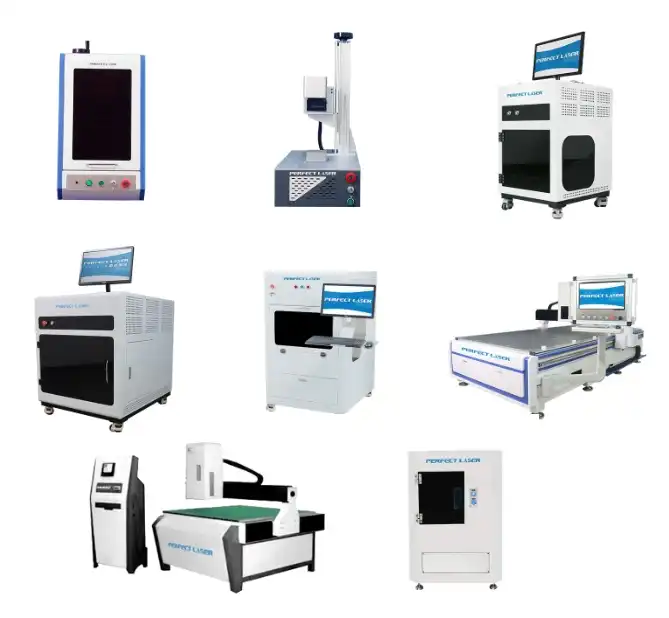
The etching area and machine size are very important things to think about before buying a 3d crystal laser engraving machine, especially for businesses that don't have a lot of room. There are different sizes of systems. Small desktop units with 50x50mm engraving fields are good for jewelry-sized items and small presents. Medium-format machines can handle normal gift sizes up to 150x150mm. Large industrial systems can handle architectural models and large decorative pieces. The best option fits the size of your normal product while still letting it grow in a fair way.
The speed and accuracy of writing depend on the quality of the galvanometer. High-speed scanning systems with advanced motion control can make clear pictures quickly, while cheaper parts might lose clarity or last less long. The field lens specs affect both the quality of the engraving area and the quality of the spots. The lenses must fit your normal working distance and the size of the object. When working with different crystal thicknesses, it's easier to change the focus length when the lifting device is adjustable.
Software Compatibility and Workflow Integration
DXF, PLT, STEP, and standard picture formats make current tools simple to use with design software. Customers may simply upload artwork. The control interface should be simple for non-technical staff. Previews, easy parameter modifications, and efficient work queue management are needed.
Advanced systems automate autofocus, power calibration, and output data tracking. Some have 3D camera add-ons that scan objects or faces and convert them into etched data. Portrait services benefit from this. Your program must function with new design tools and operating systems, so patching and supplier support are crucial.
Evaluating Cost Against Long-Term Value
Buying needs balancing investment expenses with company costs. Beginning PCs for new firms cost a few thousand dollars. Professional computers with greater features and longer lifespans cost more. However, purchasing anything is just a minor fraction of its ownership expenses. Regular maintenance, consumable replacement, and professional assistance affect long-term profitability.
Energy efficiency affects operational expenses, particularly for enterprises that create several items. UV lasers often last 20,000 hours or more before needing replacement. Good warranties and after-sales service protect your investment. Look for manufacturers with fast technical support, simple part access, and transparent service procedures. Machines from well-known suppliers with local service networks have fewer downtime risks than machines from distant vendors with limited support networks.
3D Crystal Engraving Machine Buying Guide: Trusted Manufacturers and Key Performance Factors
Market Landscape and Trusted Suppliers
Laser manufacturers worldwide provide several options. Well-known brands provide proven engineering and huge support networks, whereas upstart enterprises offer inexpensive costs but differing service levels. CE certification ensures provider safety and performance. This is crucial when shopping abroad.
Decade-old companies with several patents and global clients demonstrate technical capability and commercial confidence. This describes Perfect Laser, which has over 20 product lines and 300+ equipment kinds since 1995. It serves electronics, advertising, printing, and other industries worldwide. Their TUV, SGS, and CE certifications and technical teams that create software and integrate systems demonstrate their scientific understanding.
Comparing Performance Indicators
Machine powers vary widely by model and manufacturer. Laser power, galvanometer specifications, and control system adjustments affect engraving speed. High-performance machines complete typical designs in minutes, whereas basic versions take longer cycles. Honest accuracy needs demonstrate detail. Text and logos function better with coarser systems, while portraits with sub-micron positioning precision seem like pictures.
The quality of the parts, heat management, and overall strength indicate durability. Industrial-grade machines offer maintenance-free optical systems, modular designs for quicker repairs, and dependable parts. Because some weigh as little as 47 kilos, tiny desktop computers are portable and space-saving. They're ideal for mobile or small-space enterprises.
Warranty Terms and After-Sales Commitment
Service and support quality frequently matter more than achieving criteria to a business's success. Full warranties cover manufacturing defects; top suppliers cover laser sources and control systems for two years. Your firm avoids expensive downtime with fast technical support. Promises include 12-hour response times and simple communication methods.
Installation assistance is crucial for organizations without skilled people. On-site setup, user training, and application guidance speed up operations. Ongoing support should include software upgrades, technical manuals, and problem-solving tools. Before you purchase, some firms give free consultations and samples, showing they believe in their products and want their clients to succeed.
New Equipment Versus Pre-Owned Options
People who want to save money sometimes look at approved pre-owned tools. Machines from reputable makers that are well taken care of can provide reliable service for a lower cost. This is especially useful for testing market demand before buying new equipment. But buying used machines comes with some risks, such as parts that are worn out, limited guarantee coverage, and the possibility that the technology will become outdated.
When buying a 3d crystal engraving machine price, these things should be carefully thought through. New equipment comes with the newest technology, a full warranty, and help from the vendor. This is very important for businesses that want to build a name for high-quality products. Pre-owned choices are good for testing new ideas or adding extra space, but they need to be carefully inspected and the remaining component lifespan needs to be known. Authorized resellers and maker refurbishment programs are better places to get good used equipment than third-party markets that you can't be sure of.
Operating and Maintaining Your 3D Crystal Laser Engraving Machine
Initial Setup and File Preparation
Starting activities requires a few easy actions. Just plug it in, place it on a sturdy surface, then install the program on modern PCs. Most control interfaces contain status indicators, emergency stop buttons, and one-button start/stop to make operations safer.
Design file preparation begins with drawing or laser-specific software. You may input client artwork, pictures, or images and modify carving depth, pattern density, and production direction. Changes may be made before making crystals by previewing designs. Image size, contrast, and layer management all affect quality, so correctly preparing files yields the greatest results.
Focus and positioning are crucial to material arrangement. Keep crystals or glass blanks still on the work surface when engraving. Manual movable handles enable changing focus length for varying quantities of material easy on many machines. The laser may start producing your image once it's in position. The picture is built point-by-point from the inside out.
Routine Maintenance Protocols
Tool longevity and manufacturing quality are improved by preventive maintenance. Regularly cleaning optical components removes dust that degrades beam quality. Proper lens cleaning requires the correct gear and approaches. Microfiber towels and optical-grade cleaners prevent scratches. To maintain airflow, ventilation system filters must be examined and changed often.
Laser adjustment ensures consistent output power and focus. Most systems provide beam alignment and power delivery troubleshooting tools or calibration methods. These monthly or after-hours examinations avoid quality decline that consumers may not notice. Sometimes examining mechanical elements like galvanometer mirrors and pointing systems is a good idea, although excellent devices seldom require maintenance.
Troubleshooting Common Issues
Sometimes, even with good tools, there are problems with how a 3d crystal laser engraving machine works. Focus problems are often indicated by engraving depths that aren't uniform. Check the setting of the material and the cleanliness of the lens before looking into technical problems. Image warping can happen when file settings are wrong, software isn't calibrated correctly, or the galvanometer isn't placed correctly. Systematic analysis isolating factors makes it easier to find the reasons.
Uneven laser power might indicate a failing source, cooling system, or power supply. Many devices feature diagnostic panels that reveal real-time functioning elements to discover issues. When issues are too significant for an operator, seeking manufacturer technical support prevents improper repairs. Authorized service networks employ skilled technicians to repair certain instruments.
Clear facts, error messages, and conditions enable support workers remotely identify issues. Contacting your equipment vendor enables you receive professional advice promptly, keeping your company operating smoothly.
How to Place Your Order: Procurement Tips and Best Practices
Direct Purchase Versus Distributor Networks
Procurement professionals might purchase from manufacturers or local distributors. Direct purchase, particularly from a reputable firm with solid overseas shipping infrastructure, may save you money. Manufacturers frequently provide greater customization options, technical data for specialized usage, and direct access to research teams that know the items' capabilities.
Distributors are nearby, have components in stock, and speak the same language, making interaction easy. They may provide sample tools, a showroom, and local freight forwarders with expertise. Compare these criteria to your budget and amount of support to make the best purchase decisions.
Negotiation Strategies for Business Buyers
Some bulk purchases provide better prices and terms. When purchasing several units or establishing a long-term partnership, be explicit about your demands and get official bids that include equipment specs, extras, training, and guarantee coverage. When entering new markets or product categories, companies may give early adopters incentives for recommendations or case studies.
Consider customization requests in talks. Some companies need engraving, software integration, or branded tools. Manufacturers with in-house engineering may be better at meeting these needs than part vendors. Clarifying customization choices, pricing, and delivery timelines during talks reduces confusion.
International Shipping and Installation Considerations
Buying a 3D crystal laser engraving machine internationally requires more than shipping. Export documentation, customs clearance, import taxes, and ultimate destination transportation must be organized. Reliable merchants have expertise shipping products internationally and may recommend freight partners or handle the whole transaction. A solid budget requires knowing the whole landing cost of an item, which includes pricing, shipping, taxes, and installation.
Supplier and purchase agreement affect installation support. Some machine manufacturers send technicians overseas to install, calibrate, and train operators. Others provide comprehensive instructions and remote assistance for self-installation. Making these conditions explicit before buying helps guarantee a successful launch. Training affects how soon your staff reaches productivity and quality goals.
Building Lasting Supplier Relationships
Instead of separate transactions, equipment purchases create supplier relationships. Keeping in contact makes future assistance, replacement parts, and tool upgrades easy. Suppliers improve goods and documentation using customer input. This value exchange strengthens with time, particularly when producers innovate and remain devoted to the market.
Consider how well potential partners have performed with firms like yours. Your suppliers understand application issues and the market. Because of their expertise, they can give better application ideas, be more realistic about performance goals, and solve frequent difficulties. Perfect Laser, which has over 10,000 clients in a variety of sectors worldwide, brings this wealth of real-world expertise to their customer relationships, which enhances their instruments beyond their specifications.
Conclusion
Your ability to produce unique items that customers love is transformed by choosing the right 3d crystal laser engraving machine. The accuracy, speed, and adaptability of the technology open up new options in the retail, business gift, tourist, and photography industries. The possibilities are endless. To make smart purchases, you need to know what your operational needs are, compare technical specs to what your business needs, and work with providers who are dedicated to your long-term success through quick help and a track record of dependability. The investment pays off with higher prices, faster response times, and a unique position in the market that makes customers loyal. This equipment puts your business at the cutting edge of custom product innovation, whether you're starting a new personalized gift service or adding to the ones you already offer.
FAQ
1. What precision levels can these machines achieve?
With the help of a high-quality 3d crystal laser engraving machine, you can create portraits and designs that look like they were taken with a camera. This level of accuracy is much higher than traditional methods like sandblasting or machine engraving. It makes it possible to create intricate designs, small text, and three-dimensional art that looks like it floats inside the crystal.
2. How long do these machines typically last?
Professional-grade crystal engraving tools works effectively for at least 10 to 15 years with proper care. UV laser sources usually last for 20,000 hours or more before they need to be replaced. Cleaning, calibrating, and following the manufacturer's upkeep instructions on a regular basis will extend the life of your equipment and keep the quality of your production high throughout.
3. What certifications should I look for?
Reputable makers get CE approval, which shows that they follow the rules for electrical safety and electromagnetic compatibility. More certificates, such as ISO quality management standards, TUV inspection approval, and SGS proof, show that the company is dedicated to making the best products possible. With these qualifications, you can be sure that the equipment is safe, works well, and follows all the rules for foreign operations.
Ready to Transform Your Business with Crystal Laser Engraving?
As a reliable 3d crystal laser engraving machine maker with almost 30 years of experience, Perfect Laser is ready to assist you with your production requirements. Our UV engraving systems are perfect for gift shops, photography workshops, tourist shops, and high-end business uses because they are quick to use, accurate, and easy to understand. We offer full solutions that include help choosing the right equipment, low prices on machines ranging from small desktops to large industrial systems, full installation support, and quick service after the sale. Our engineering team offers free technical support for life, promises to respond within 12 hours, and backs up marking equipment for two years. Get in touch with our experts right away at [email protected] to talk about your unique needs, ask for samples of our designs, and find out how our crystal engraving technology gives you a competitive edge. Perfect Laser is a trustworthy business partner with over 10,000 happy customers around the world and a track record of turning unique ideas into profitable realities.
References
1. Chen, M. & Thompson, R. (2023). Advanced Laser Processing Technologies for Transparent Materials. International Journal of Precision Engineering and Manufacturing.
2. Davidson, K. (2024). Commercial Applications of UV Laser Systems in Gift and Souvenir Industries. Journal of Manufacturing Technology and Innovation.
3. Harrison, P. & Lee, S. (2023). Comparative Analysis of 3D Engraving Methods for Optical Crystals. Materials Processing Technology Quarterly.
4. Kumar, A. (2024). Business Models and Market Opportunities in Personalized Product Manufacturing. Entrepreneurship and Small Business Management Review.
5. Martinez, L. & Zhang, W. (2023). Technical Specifications and Selection Criteria for Industrial Laser Engraving Equipment. Laser Technology and Applications Handbook.
6. Reynolds, J. (2024). ROI Analysis of Laser Engraving Technology in Tourism and Hospitality Sectors. Journal of Business Equipment Investment and Strategy.

share your inquiry, get the quotation accordingly.
第一张审核员说包含其他公司不能用_1755049724891.webp)
Perfect Laser – Global Manufacturer of Reliable Laser Solutions


