Dot peen marking vs laser marking: which is better for metal parts
When deciding between dot peen marking machine technology and laser systems, the answer depends on your specific industrial needs. A dot peen marking machine creates permanent indented marks by striking the material surface with a hardened pin, making it exceptionally durable in harsh conditions. This method suits automotive parts, heavy machinery components, and tools requiring deep, tactile marks that resist corrosion and extreme temperatures. Laser marking offers high-speed precision for intricate codes and graphics on delicate surfaces. Manufacturing engineers in automotive, metalworking, and electronics sectors face this choice daily, balancing durability requirements against precision needs and operational costs.
Introduction
Metal part marking underpins current industrial traceability. The marking system you choose influences whether engine parts, precise tools, or electronic assemblies stay recognizable over time. The choice between dot peen and laser marking influences production, industry standards, and long-term costs.
We've helped hundreds of firms tackle this dilemma. Poor marking causes warranty disputes, compliance problems, and supply chain confusion. This comparison uses automobile, tool, and electronics assembly line applications. Matching marking technology to material specifications, manufacturing volume, and environmental requirements is our objective.
The correct marking solution meets quality standards and protects your investment. Each technology's stress performance, metal alloy handling, and workflow integration determine smooth operations or expensive rework.
Understanding Dot Peen and Laser Marking Technologies
How Dot Peen Marking Works
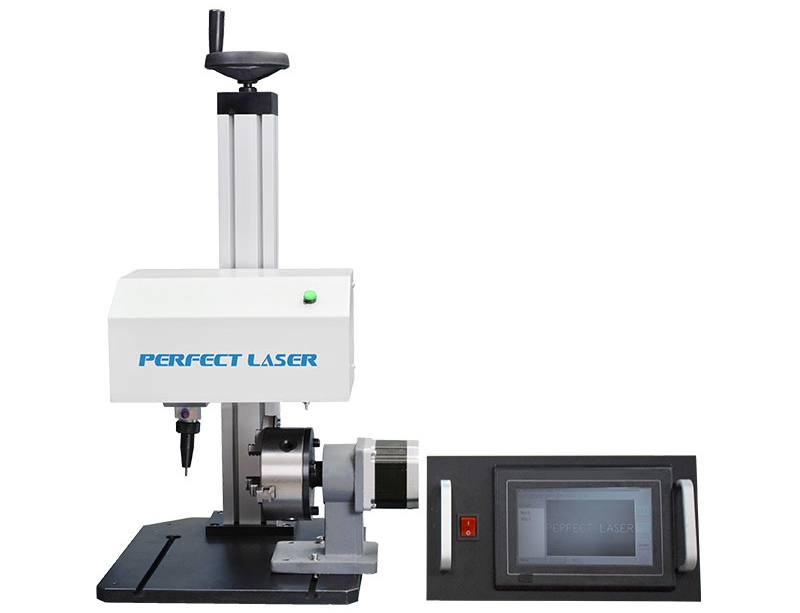
A dot peen marking machine operates through controlled impact. The system drives a carbide or diamond-tipped stylus against the metal surface in rapid succession, creating a pattern of small indentations. These dots combine to form alphanumeric characters, logos, or Data Matrix codes. The marking head moves along X and Y axes while the pin strikes vertically, displacing material rather than removing it.
Two main drive systems power these machines: pneumatic and electromagnetic. Pneumatic units use compressed air to drive the pin, delivering powerful strikes suitable for hard steels and thick materials. Electromagnetic systems control pin movement through magnetic fields, offering quieter operation and finer control for detailed marking. Both methods produce permanent marks that penetrate the surface, creating physical depressions resistant to abrasion, chemicals, and temperature extremes.
Laser Marking Technology Explained
Laser marking systems focus intense light beams onto metal surfaces, causing localized heating that alters material properties. The laser beam removes material, creates oxidation, or causes color changes depending on parameters. Fiber lasers dominate industrial metal marking due to their efficiency and beam quality. The focused spot size ranges from 20 to 100 microns, enabling extremely fine detail.
The process occurs in milliseconds per character, with galvanometer mirrors directing the beam path. Software controls power, speed, and frequency to optimize mark contrast and depth across different metals. Unlike mechanical methods, laser marking requires no physical contact, eliminating tool wear and enabling consistent quality over millions of marks.
Key Configuration Options
Modern pin marking equipment comes in multiple formats addressing different production scenarios. Portable metal marking machines feature battery power and compact designs, allowing technicians to mark large assemblies on-site rather than moving parts to fixed stations. These handheld units weigh under 10 pounds yet deliver permanent marks on steel, aluminum, and hard plastics.
Stationary systems integrate into production lines. Flat dot peen marking machines handle standard parts with automated loading, while rotary dot peen marking machines accommodate cylindrical components like bearings, shafts, and pipe sections. Specialized configurations include flange pin marking units for valve components and oxygen bottle cylinder neck pin marking systems meeting pressure vessel regulations. LCD control pin markers provide user-friendly interfaces displaying mark previews before execution.
Comparing Dot Peen Marking vs Laser Marking on Metal Parts
Mark Durability and Depth
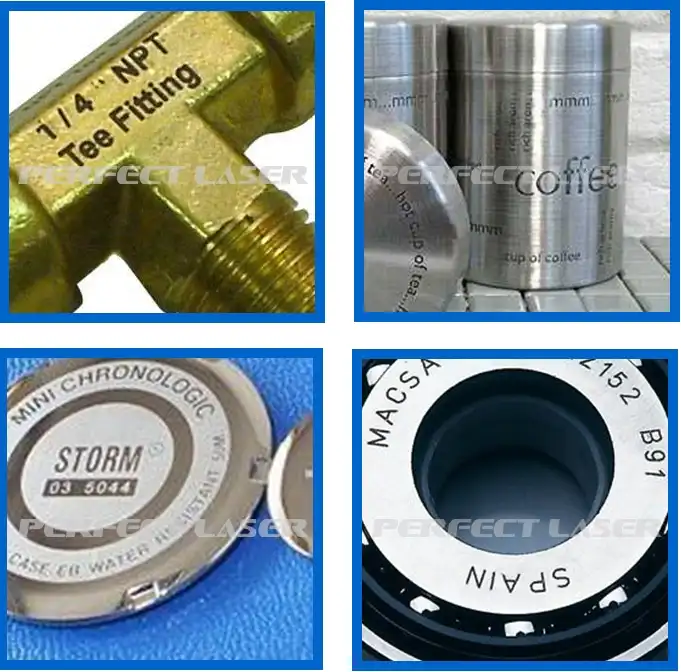
Physical indentation gives dot peen marking a decisive advantage in extreme environments. The marks typically penetrate 0.005 to 0.020 inches deep, creating shadows that remain readable even when covered in oil, paint, or corrosion. Automotive manufacturers rely on this characteristic for engine blocks and transmission cases exposed to lubricants and heat cycling. The tactile nature allows verification through touch, useful in dirty or dark environments.
Laser marks vary in durability based on technique. Engraving removes material, creating depth similar to mechanical methods but with finer detail. Annealing changes surface color without significant depth, making it less suitable for abrasive conditions. Surface etching provides intermediate durability. Parts subjected to grinding, sandblasting, or heavy wear benefit from deeper mechanical marking, while protected components accept shallower laser marks.
Precision and Mark Quality
Laser technology excels in creating small, detailed marks. Character heights down to 0.5mm remain clearly readable, critical for marking compact electronic components or medical devices. The absence of mechanical vibration enables consistent quality regardless of material hardness. Complex graphics, fine-pitch Data Matrix codes, and photographic images exceed dot peen capabilities.
Pin marking systems produce larger minimum character sizes, typically 1-2mm height for optimal readability. The dot matrix nature creates characters with visible individual points at close inspection. This proves acceptable for industrial parts where readability from normal viewing distance matters more than aesthetic perfection. Recent advances in pin technology and control systems have improved resolution, narrowing the quality gap.
Speed and Production Throughput
Marking speed depends on mark size, complexity, and depth requirements. Laser systems mark simple serial numbers in under one second, with complex codes requiring two to five seconds. The non-contact process eliminates positioning time beyond part placement. High-volume electronics manufacturing leverages this speed advantage, marking thousands of components hourly.
A dot peen marking machine requires mechanical movement, limiting speed. Simple marks complete in three to eight seconds, while complex graphics extend marking time. The physical process demands more time per strike than laser pulses. Production environments prioritizing throughput often favor laser systems, though automated pin marking integration maintains competitive cycle times.
Operational Costs and Maintenance
Here are the core cost factors distinguishing these technologies:
1. Initial Investment: Pin marking systems generally cost less upfront, with basic portable metal marking machines starting around modest budgets suitable for small shops. Industrial-grade stationary units scale up based on automation features. Laser systems command higher initial prices due to optical components and sophisticated controls, though fiber laser technology has reduced costs compared to older lamp-pumped systems.
2. Consumable Expenses: Dot peen machines require periodic stylus replacement. Carbide pins last for millions of marks depending on material hardness, with replacement costs measured in tens of dollars. Laser systems have no consumable contact parts, but laser sources degrade over time. Fiber laser diodes last 50,000 to 100,000 operating hours, eventually requiring factory replacement or refurbishment.
3. Maintenance Requirements: Mechanical marking equipment needs regular cleaning, lubrication of moving parts, and calibration checks. The pneumatic systems require clean, dry compressed air, adding filter maintenance. These tasks demand modest technical skill and minimal downtime. Laser systems need optical cleaning, alignment verification, and software updates. While less frequent, laser maintenance often requires specialized training or vendor service.
4. Energy Consumption: Modern fiber lasers operate efficiently, drawing 200-500 watts during marking. Pin marking machines consume similar power for electromagnetic drives, with pneumatic systems adding compressor energy usage. Neither technology significantly impacts facility energy budgets.
These cost considerations shift based on production volume. Low-volume job shops benefit from lower pin marking entry costs, while high-volume manufacturers recoup laser investment through speed and consistency.
Material Compatibility
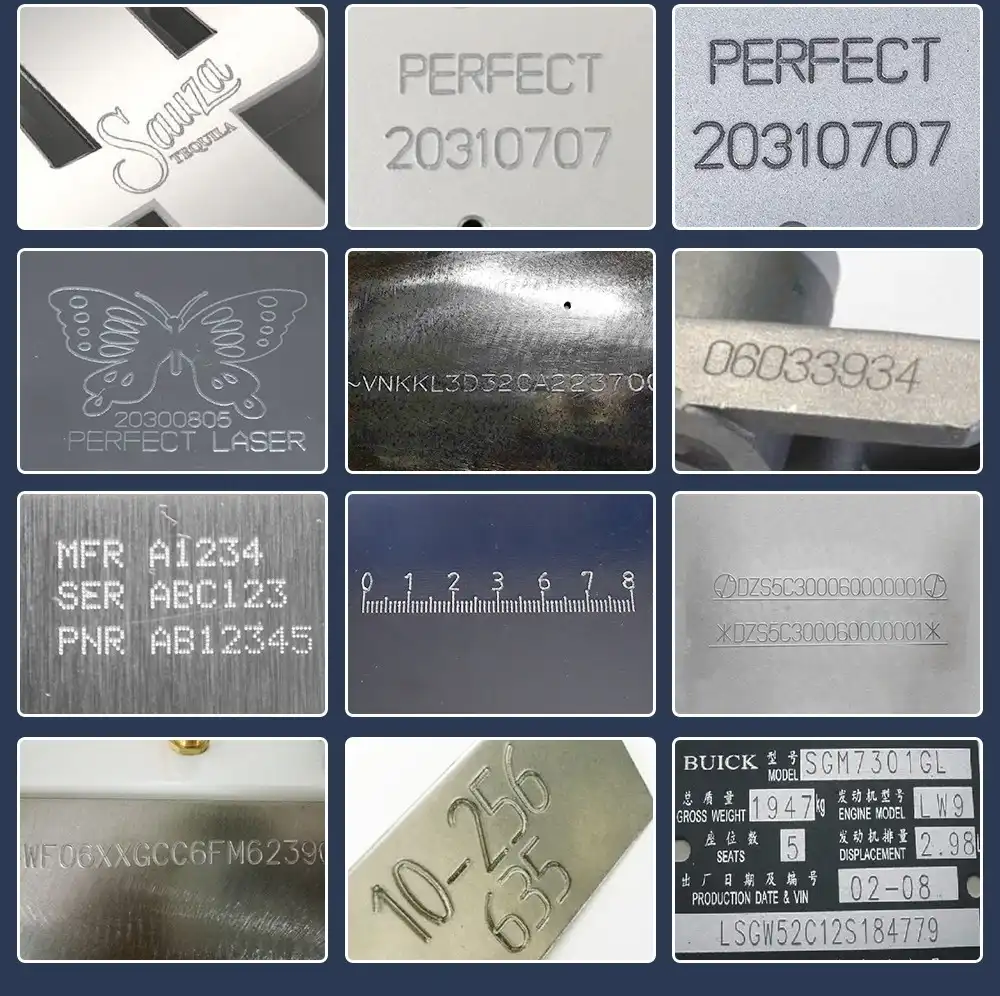
Dot peen technology marks virtually any material harder than the stylus tip. Steel alloys, stainless steel, aluminum, copper, brass, titanium, and hard plastics all accept clear marks. The method works regardless of surface finish, marking raw castings, machined surfaces, and even some coated parts. Material hardness affects required strike force but doesn't prevent marking. This universal compatibility makes pin marking the default choice when marking diverse materials on the same equipment.
Laser marking performance varies significantly across materials and surface treatments. Bare metals mark excellently, with stainless steel and aluminum particularly responsive. Coated or painted surfaces present challenges: the laser may damage protective finishes or fail to penetrate to base material. Anodized aluminum marks clearly, but powder coating often requires removal. Highly reflective materials like polished chrome deflect laser energy, reducing mark quality. Material testing ensures compatibility before committing to laser systems.
Which Is Better for Your Metal Parts? Decision-Making Criteria
Matching Technology to Application Requirements
Automotive and machinery parts manufacturers marking engine components, bearings, and steel assemblies find dot peen marking machine technology aligns perfectly with their needs. The deep physical marks survive the harshest service conditions. When marking transmission housings, cylinder heads, or structural components, the ability to penetrate rough cast surfaces and remain readable through years of contamination justifies choosing mechanical marking.
Metalworking and hardware tool industries require marks that withstand customer handling, storage, and decades of tool use. A dot peen marking machine creates measurement graduations, brand logos, and part numbers on wrenches, calipers, and drill bits that remain legible despite surface wear. The technology handles curved and irregular surfaces through rotary fixtures or portable marking heads, essential for cylindrical tools and complex geometries.
Electronics and appliance manufacturers face different demands. Small component sizes, high production volumes, and anti-counterfeiting requirements often favor laser precision. Marking circuit boards, connector housings, and appliance panels benefits from non-contact processing and fine detail capability. When components include protective coatings or require aesthetic marks, laser systems deliver clean results without mechanical stress.
Environmental and Integration Factors
Operating environments influence technology selection. Facilities with existing compressed air infrastructure accommodate pneumatic pin marking easily. Shops without air systems favor electromagnetic or laser equipment eliminating compressor requirements. Temperature extremes, dust, and vibration affect both technologies differently. Mechanical systems tolerate industrial conditions well, while laser optics require cleaner environments or protective enclosures.
Production line integration demands vary. Automated manufacturing cells benefit from either technology when properly specified. Pin marking systems integrate through standard mounting and electrical interfaces. Laser systems require precise positioning for focal length consistency but offer flexibility through vision systems and multi-axis positioning. Software compatibility with existing manufacturing execution systems ensures smooth data flow for serialization and traceability.
Compliance and Traceability Standards
Aerospace, automotive, and medical device sectors mandate permanent marking meeting specific standards. Military specifications often require particular mark depths and durability verified through standardized testing. Many regulations specify acceptable marking methods, with mechanical marking's proven longevity providing straightforward compliance. Understanding applicable standards prevents costly rework when audits reveal inadequate marking.
Data Matrix codes and QR codes enable automated tracking through supply chains. Both technologies produce compliant codes when properly configured. Metal laser engraving machine systems create higher-density codes in smaller areas, advantageous for miniature components. Pin marking produces robust codes surviving harsh handling. Verification equipment confirms code quality regardless of creation method.
Selecting and Procuring the Right Dot Peen or Laser Marking Machine
Evaluating Equipment Specifications
Procurement decisions benefit from clearly defined requirements. Work envelope size determines whether parts fit the marking area. Standard machines handle components up to 200mm x 150mm, with larger systems available. Portable units mark parts in place, removing size constraints. Marking depth capability matters for material thickness and durability requirements. Specifications should state minimum and maximum achievable depths.
Control system sophistication affects usability and integration. Basic controllers handle simple text and numbering, while advanced systems support graphics, database connectivity, and network communication. LCD control pin markers offer intuitive operation reducing training time. Software compatibility with design files and production databases streamlines workflow.
Build quality determines service life and reliability. Robust construction using quality components withstands industrial environments. Machines designed for continuous operation include better cooling, reinforced structures, and premium components. Understanding production volume requirements helps match equipment duty cycle to application demands.
Perfect Laser Product Range
We provide complete pin marking solutions for many industries. We provide dependable flat dot peen marking equipment for standard component marking. Aluminum, copper, hard polymers, PVC, and metal alloys work well in the systems. Operators like the simple controls and marking preview features.
Rotary dot peen marking machines smoothly mark cylindrical items by spinning them to apply codes around circumferences. Bearing, shaft, and pipe manufacturers use this arrangement. Portable metal marking machines mark large assemblies at field locations. These battery-powered machines provide permanent markings on-site, avoiding shipping.
Special configurations meet demands. Precision alignment is possible with flange pin marking systems for valves and pipe fittings. With verified depth and durability, oxygen bottle cylinder neck pin marking equipment satisfies pressure vessel identification standards. Users may see mark configurations before execution via LCD control pin markers throughout the range, reducing mistakes and material waste.
These devices mark well with exact impact. The sturdy structure withstands harsh industrial conditions. Automotive mechanical industries mark bearings, steel sleeves, piston rings, engines, and machine tools with material versatility. Hardware businesses use these systems for tools, measuring instruments, cutting tools, sanitary fixtures, dinnerware, locks, scissors, medical instruments, exercise equipment, and stainless steel items.
In the electronics and communications sectors, metal marking solution marks keyboards, electronic components, appliance panels, optical cables, and wire products. Instrument and eyewear manufacturers appreciate the capability of handling metal watch cases, case backs, eyeglass frames, and instrument panels requiring high standards for depth, smoothness, and precision. As a trusted dot peen marking machine manufacturer, we provide complete metal marking solution from equipment selection through installation and ongoing support.
Sourcing Strategy and Vendor Selection
Reliable alliances lower procurement risk and provide long-term assistance. With manufacturing knowledge, quality certifications, and worldwide service networks, vendors inspire trust. Companies like Perfect Laser have decades of development expertise over 30+ product lines and 300+ machines. CE, TUV, and SGS certificates validate international standards.
Technical assistance is crucial throughout equipment life. Access to application engineers during specification prevents equipment-requirement mismatches. Installation help and operator training boost productivity. Quick troubleshooting and parts delivery save downtime. Companies with 24-hour online assistance, free consulting, and two-year guarantees care about customers.
Global shipping guarantees prompt delivery regardless of facility location. Manufacturers exporting to Germany, Japan, Italy, Russia, South Korea, Turkey, Brazil, India, UAE, and Saudi Arabia handle international logistics. OEM customisation lets equipment fit specific processes or integration needs.
Maintenance and Best Practices for Dot Peen and Laser Marking Machines
Dot Peen System Care
Regular maintenance preserves marking quality and prevents unexpected failures. Daily inspection includes checking the marking pin for wear or damage, as dulled tips produce weak marks. Cleaning the marking head removes accumulated debris that affects movement precision. Pneumatic systems require checking air line connections and draining moisture from filters.
Weekly tasks include lubricating guide rails and moving components following manufacturer specifications. Verifying mark quality on test pieces confirms consistent depth and clarity. Software backups protect marking programs and serial number databases from data loss. Monthly calibration checks ensure positioning accuracy remains within tolerance.
Annual maintenance involves professional inspection of drive components, replacement of wear items before failure, and comprehensive system testing. Keeping spare pins and common replacement parts on hand minimizes downtime during repairs. Proper maintenance extends equipment life beyond a decade of daily operation.
Laser System Maintenance
Lasers need meticulous optical component upkeep. Weekly preventative window washing avoids beam degradation from pollution. Precision optics are protected by manufacturer-approved cleaning methods. Inspection of cooling systems guarantees airflow and temperature management to safeguard laser sources.
Manufacturer software upgrades fix issues and enhance functionality. Schedule upgrades during scheduled downtime to avoid production disruption. Positioning accuracy and mark quality uniformity are verified using test marks. Degradation is investigated before manufacturing parts are made.
Laser source lifetime tracking allows scheduled replacement before downtime. Operating hour counters and beam power measurements estimate service life. Professional repair or replacement optimizes performance. Maintenance practices provide minimum downtime.
Operator Training and Safety
Skilled workers optimize equipment performance without harm. Software operation, material handling, mark quality evaluation, and basic troubleshooting should be taught. Understanding how factors impact outcomes helps optimize materials and marks. Regular refresher training offers new skills and reinforces acceptable practices.
Staff and equipment are protected by safety standards. Guards prevent hand insertion on pin marking machines. Well-fixed workpieces avoid movement during marking. Laser systems need eye protection and interlocking enclosures to block beams. Following manufacturer and regulatory safety rules reduces injuries and ensures compliance.
Conclusion
Selecting between dot peen and laser marking depends on balancing durability requirements, precision needs, material characteristics, and production volume. A dot peen marking machine delivers unmatched mark permanence in harsh environments, making it essential for automotive components, heavy machinery parts, and industrial tools. The technology's versatility across materials, lower entry costs, and proven reliability serve manufacturers prioritizing longevity and robustness. Laser systems provide superior speed and precision for high-volume production, small components, and applications where aesthetics matter. Understanding your specific requirements through material testing, volume analysis, and environmental assessment guides the optimal choice. Both technologies continue advancing, with modern equipment offering capabilities unimaginable decades ago. Successful implementation requires matching technology strengths to application demands rather than following industry trends blindly.
FAQ
1. What minimum mark size can dot peen marking achieve reliably?
Standard pin marking systems produce clear characters down to 1.5-2mm height with good readability. Advanced systems using fine pins achieve 1mm characters, though contrast and readability decrease. Mark size depends on viewing distance requirements and surface finish. Industrial parts typically use 3-5mm characters ensuring readability in poor lighting or dirty conditions. Laser marking achieves 0.5mm characters clearly, providing advantage for miniature components.
2. Does laser marking work on painted or coated metal surfaces?
Laser performance on coated surfaces varies significantly. Anodized aluminum marks excellently with color contrast. Powder coating and paint typically require removal for base metal marking, though some lasers mark coatings directly with limited durability. Testing specific coating types prevents production issues. Mechanical pin marking often penetrates thin coatings reaching base metal, though it may damage protective finishes.
3. How long do dot peen and laser marking machines typically last?
Well-maintained pin marking equipment operates reliably for 15-20 years or longer. The mechanical nature requires component replacement over time, but robust construction supports extended service. Laser sources last 50,000-100,000 hours depending on technology, translating to 10-20 years in typical production. Both technologies represent long-term investments when properly maintained.
Contact Perfect Laser for Your Metal Marking Solution
Choosing the correct marking technique protects your production investment and meets traceability requirements. Perfect Laser provides reliable and efficient dot peen marking machine solutions. Our products vary from field-use metal marking machines to regulatory-compliant flange pin marking and oxygen bottle cylinder neck pin marking systems.
As manufacturers since 1995, we understand automotive, metalworking, and electronics manufacturers' needs. Through easy operation and sturdy design, our devices leave persistent impressions on metals and hard plastics. Our application engineers assist you choose flat, rotary, or portable equipment.
We support customers globally with CE, TUV, and SGS certifications ensuring quality standards. Our commitment includes 24-hour online service, free product consultation, testing samples, and two-year warranties. Contact Perfect Laser today at [email protected] to discuss your metal marking challenges. Our team provides technical guidance, equipment recommendations, and quotations tailored to your production requirements. Let us help you implement marking solutions delivering durability, compliance, and operational efficiency.
References
1. Thompson, R.J., Industrial Marking Technologies: Comparative Analysis of Permanent Part Identification Methods, Manufacturing Technology Press, 2021.
2. Chen, M.L., Direct Part Marking in Automotive Manufacturing: Standards, Methods, and Quality Control, Society of Automotive Engineers Technical Paper Series, 2020.
3. Patterson, D.K., Laser and Mechanical Marking Systems: Performance Evaluation in Harsh Industrial Environments, Journal of Manufacturing Processes, Vol. 45, 2019.
4. Williams, S.A., Traceability Systems in Modern Manufacturing: Marking Technologies and Compliance Requirements, Industrial Press, 2022.
5. Rodriguez, F., Maintenance Best Practices for Industrial Marking Equipment: Extending Equipment Life and Ensuring Mark Quality, Manufacturing Engineering Quarterly, Vol. 38, 2021.
6. Anderson, K.T., Material Compatibility in Permanent Marking Applications: Metal Alloys, Coatings, and Surface Treatments, International Journal of Production Research, Vol. 59, 2020.

share your inquiry, get the quotation accordingly.
第一张审核员说包含其他公司不能用_1755049724891.webp)
Perfect Laser – Global Manufacturer of Reliable Laser Solutions


