Choosing Laser Cutting Machines for Sheet Metal
The correct sheet metal laser cutting machine investment affects factory productivity, product quality, and operational profitability. Today's industries need precision cutting tools that can rapidly and correctly deal with carbon steel, stainless steel, and aluminum. Fiber laser technology has revolutionized metal processing, allowing companies greater control and cheaper costs and maintenance.
Understanding Laser Cutting Machines for Sheet Metal
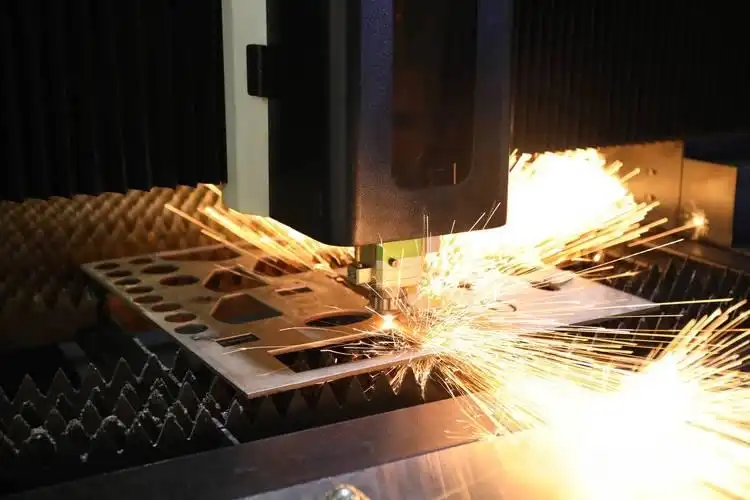
Learning how laser cutting machines convert raw materials into exact components is the first step to working with sheet metal. These high-tech devices heat, melt, and evaporate metal along cutting lines using focussed laser beams. This reduces waste and cleans edges.
Fiber Laser Technology Fundamentals
Fiber lasers are the most preferred metal-cutting technique due to their superior wavelength. Fiber lasers absorb metal light best at 1060 nanometers. This allows them to cut faster and use less electricity than CO2 systems. The concentrated beam width enables you work on minor details while maintaining structural strength as material thickness fluctuates. Industrial-grade fiber lasers feature enhanced beam delivery systems that maintain power while cutting. This technical advantage allows findings to be repeated, which is crucial in mass manufacturing because exact measurements ensure component compatibility and assembly.
Material Compatibility and Processing Capabilities
The laser cutting machine and other modern laser cutting machine can deal with several metals with varied heating properties. Carbon steel responds well to fiber laser beams, making thick plates needed to create heavy machinery easy to deal with. Precision heat control preserves surface finish quality for food processing equipment and medical device parts and prevents bending in stainless steel. When dealing with aluminum, consider its reflection and heat conductivity. Advanced fiber laser systems employ unique cutting settings and assist gas configurations to optimally cut aviation and transportation aluminum alloys.
Manufacturers may use thin to thick materials using modern laser cutting technologies.
Key Considerations When Choosing a Laser Cutting Machine for Sheet Metal
When selecting commercial laser cutting machine tools, it's vital to examine certain performance variables that affect job quality and company efficiency. Knowing these aspects helps production teams adopt strategies that satisfy output demands and help the firm attain its objectives.
Production Volume and Throughput Requirements
Laser cutting systems must be durable to remain functioning in high-volume production environments. Heavy equipment builders that deal with thick steel parts require 3000–6000 watt laser systems to cut through heavy plate materials quickly. Transportation generally values consistency and repeatability above cutting power. Because producing body panels needs exact dimensional control over thousands of comparable pieces. Automatic material handling systems and sophisticated nesting software enable these applications maximize material use and fulfill output targets.
Power Rating and Cutting Capacity Analysis
Laser cutting machine laser power affects material thickness and speed. Systems at 1500 watts can handle thin to medium gauge materials used in appliance and other manufacturing. Heavy structural elements may be handled by 3000–6000 watt systems, which eliminates bending and keeps food processing and medical device manufacturing operating smoothly. When cutting various materials and sizes, laser power and cutting speed vary. Processing stainless steel requires more power than carbon steel due to heat conductivity. However, fiber laser technology's wavelength qualities enhance aluminum cutting.
Automation and Integration Capabilities
Modern industries increasingly use automated material handling and process integration to remain competitive. Modern laser cutting machines offer automated edge detection that eliminates setup time and ensures items are the appropriate size and position. Dynamic laser focusing systems automatically adjust beam qualities depending on material breadth and cutting demands. This means the user gets the highest cutting quality with less labor. These technological advances are particularly important in commercial manufacturing, where fast task changes and material processing are crucial to success.
Laser Cutting Machine Types and Technology Overview
Industrial laser cutting machine systems vary by manufacturing circumstance and function. Understanding lasers and how to set them up helps you pick technology that meets output goals.
Fiber Laser vs CO2 Technology Comparison
The most common metal-cutting technology is fiber lasers since they absorb light better and operate quicker. Fiber lasers work better with metals owing to shorter wavelengths. They can cut faster and use less power than CO2. Most sheet metal cutting uses fiber lasers, however CO2 lasers are useful for non-metallic tasks. Solid-state laser sources don't need throwaway parts or gas management, making fiber laser systems easier to maintain than CO2 ones.
IPG, Raycus, Max Phoenix, JPT, and N-light lasers power contemporary fiber lasers. This assures beam quality and longevity.
Industrial-Grade System Components
High-performance laser cutting systems contain many complex components that impact cut quality and dependability. Precision cutting heads use high-tech lenses and focusing mechanisms that maintain beam quality independent of material thickness or cutting conditions. CNC control systems for metal laser cutters provide complex route planning and motion control for a laser cutter for metal. Tools for design and production management are linked. While cutting at high speeds, advanced motion control algorithms smooth acceleration and braking curves. This enhances edge quality and reduces vibrations. Gas clamping, vacuum hold-down, and built-in material shuttles enable uninterrupted manufacture.
Application-Specific System Selection
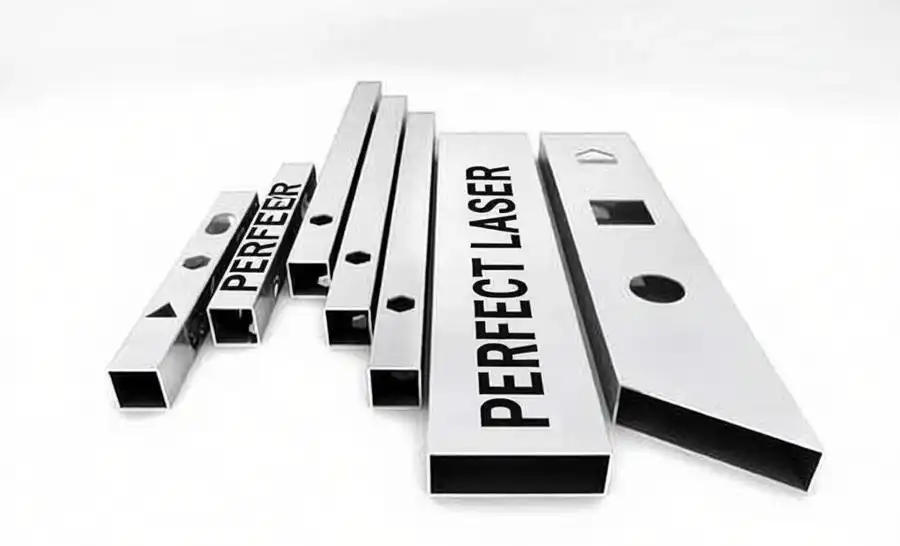
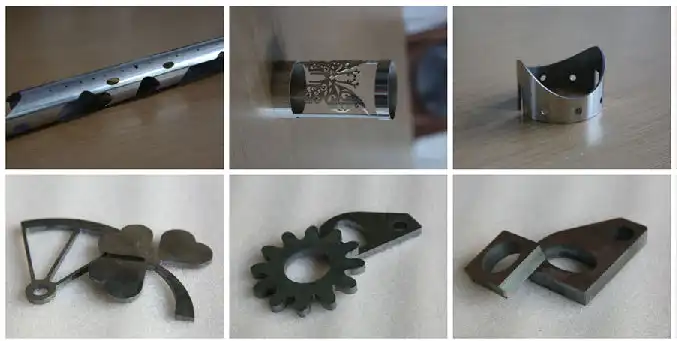
High-power systems that work on thick parts without overheating aid heavy equipment manufacturers. These activities need strong mechanical systems and extra cooling for long cutting cycles. Transportation applications value repeatability. These applications guarantee large-scale production fulfills criteria using automated inspection and statistical process control. Modern fiber lasers may remove burrs without polishing. Maintains assembly quality. Commercial makers must accommodate various materials and tasks. Multifunctional devices that cut flat sheets and tubular parts help enterprises to meet customer needs and exploit new market possibilities.
Maintenance, Troubleshooting, and Safety for Optimal Machine Investment
Successful laser cutting machine operations need comprehensive maintenance plans and proactive repairs to optimize equipment utilization and cutting quality. Systematic maintenance protects capital assets and keeps manufacturing competitive.
Preventive Maintenance Protocols
Maintaining fiber laser cutting machine systems involves cleaning optical parts and straightening the beam path. Laser source modules need less maintenance since they're solid-state. However, the cutting head's optical parts must be regularly maintained and cleaned to maintain beam quality and focus precision. Mechanical system maintenance includes linear guide lubrication, drive system inspection, and precise alignment testing. These processes provide precise, repeatable action for measurement compliance and surface finish quality. Maintaining a cooling system involves replenishing coolant and cleaning the heat exchanger to prevent heat loss. Advanced monitoring systems monitor laser power, beam quality, and mechanical system performance. They achieve this by giving early warning signals to arrange repairs and reduce unexpected downtime.
Troubleshooting Common Operational Issues
Changes in focus position, aid gas pressure, or filthy optical parts might affect cutting quality. Systematic repairing techniques make finding and correcting issues fast without production delays. Metal laser cutter size accuracy issues for a laser cutter for metal are usually caused by worn mechanical parts, thermal expansion, or code errors. Full calibration and accurate measuring algorithms maintain part quality across lengthy manufacturing cycles. Software issues may disrupt design system-machine control communication. Data transport techniques and parameter settings must be examined regularly. Regular software updates and backups mitigate system vulnerabilities and keep operations operating smoothly.
Safety Standards and Compliance Requirements
Industrial laser systems require comprehensive safety guidelines to protect workers and comply with regulators. Laser safety classification standards include containment, PPE, and operator training to ensure safe laser operation. Enclosed cutting rooms with interlocked safety measures allow users to load and remove components without laser exposure. Emergency stop systems cut power immediately, while beam control systems eliminate stray radiation. Clean air and waste removal are provided by ventilation systems. This is crucial for coated materials and small spaces. Regular safety training and licensing procedures ensure operators are qualified and obey the laws.
Procurement Considerations: Pricing, Warranty, and Supplier Selection
Strategic laser cutting machine equipment selection takes consideration of ownership costs, supplier knowledge, and long-term support. Understanding these traits helps you make smart business choices that maximize ROI and avoid risk.
Investment Analysis and Financing Options
Costly industrial laser cutting machine must be planned for. Fiber laser light-producing systems are expensive. But contemporary high-power systems that make thick plates cost more. Total ownership cost must include installation, training, maintenance, and operating supplies. Energy-efficient fiber laser technology saves money over CO2 systems. Since they save on utilities, this often justifies the higher price. For businesses with changing cash flow and capital, leasing, capital loans, and factory financing programs provide flexibility. Many companies provide trials to assess a system before purchase.
Warranty Coverage and Service Support
Complete warranty packages protect tool purchases and offer reliable technical assistance during important operations. Laser source manufacturers provide longer warranties because they trust solid-state technology to work reliably. Sheet metal laser cutting machine support varies by vendor. Remote diagnostics, faster parts, and knowledgeable servicing for a laser cutting machine for sheet metal are available from famous brands. These support functions are essential for production planning and downtime reduction. Equipment makers educate operators to optimize system operation and meet guarantee conditions. Comprehensive instruction includes machine operation, simple maintenance, and problem-solving so the equipment works.
Supplier Evaluation and Selection Criteria
Successful equipment makers are renowned for quality and support. With decades of expertise and a wide range of products, Perfect Laser guarantees stability and continuity for long-term equipment agreements. Quality merchants have technical competence and application assistance. Application engineering by experienced manufacturers determines the best system settings for each production need and identifies operational difficulties before they slow output. Worldwide and local support networks make service and parts available wherever. Manufacturers improve service quality and response time with established distribution networks and licensed service providers.
Conclusion
Your production demands, technology, and long-term company objectives should guide your laser cutting machine selection for sheet metal work. Modern fiber lasers can operate with many materials with unequaled precision and speed. Making better items and operating their firms more effectively provides creators an advantage. Modern laser cutting technology reduces operating costs, improves product quality, and increases industrial flexibility, helping firms develop and enter new markets.
FAQ
1. What are the main differences between fiber and CO2 laser cutting machines for metal processing?
Fiber laser systems excel at metal cutting applications due to their shorter wavelength (about 1060nm) of fiber laser devices makes them better at cutting metal because they can better absorb light from metals. Compared to CO2 systems, this means faster cutting speeds, better energy economy, and less upkeep needs to be done. When it comes to shiny materials like aluminum and copper, fiber lasers work better, while CO2 systems are better for uses that don't involve metal.
2. How do I determine the appropriate laser power rating for my sheet metal cutting requirements?
The type of material, the range of thicknesses, and the cutting speeds needed all affect the laser power choice. Systems with 1500 to 2000 watts can handle thin to medium-gauge materials up to 10 mm thick. Higher power systems, between 3000 and 6000 watts, can handle thick plate materials and keep production running smoothly. The temperature qualities of a material also affect how much power it needs. For example, carbon steel usually needs less power than stainless steel.
3. What maintenance intervals should I expect for fiber laser cutting systems?
Because they use solid-state laser sources, fiber laser cutting devices don't need much regular repair. Optical parts are usually cleaned once a week or twice a week, based on how they are used and the weather. Every month, the mechanical system is oiled and the tuning is checked. Every three months, the whole system is inspected and the coolant is replaced. Modern diagnostic systems allow for real-time tracking, which makes it possible to plan repair ahead of time.
Transform Your Sheet Metal Operations with Perfect Laser Technology
Are you ready to transform your metalworking with cutting-edge laser cutting machine for sheet metal technology? Perfect Laser offers 1500–6000 watts and laser sources from IPG, Raycus, and JPT. We've sold fiber laser cutting machines to heavy equipment, transportation, and industrial fabrication companies worldwide for over 25 years. Enjoy accuracy, dependability, and operating efficiency that can't be beat, backed by a full warranty and expert technical support. Get in touch with Perfect Laser at [email protected] right away to talk about your needs and find out how our advanced laser cutting solutions can help you make more.
References
1. Industrial Laser Association. "Fiber Laser Technology Applications in Metal Processing." Journal of Laser Manufacturing, 2023.
2. Manufacturing Technology Institute. "Comparative Analysis of Laser Cutting Systems for Industrial Applications." Advanced Manufacturing Research, 2023.
3. International Organization for Standardization. "Safety Requirements for Laser Processing Equipment." ISO 11553 Series Standards, 2022.
4. American Welding Society. "Laser Cutting Best Practices for Sheet Metal Fabrication." AWS Technical Guidelines, 2023.
5. Society of Manufacturing Engineers. "Automation Integration in Modern Laser Cutting Systems." SME Manufacturing Engineering, 2023.
6. Materials Processing Institute. "Economic Analysis of Laser Cutting Technology Adoption in Manufacturing." Industrial Economics Quarterly, 2022.

share your inquiry, get the quotation accordingly.
第一张审核员说包含其他公司不能用_1755049724891.webp)
Perfect Laser – Global Manufacturer of Reliable Laser Solutions


