How to Print Your Own Wall Art with a Wall Printer
To use a wall printer to print your own wall art, you need to choose the right surfaces, prepare digital drawings, set up the printer, and then control the deposition of ink straight onto vertical surfaces. This technology gets rid of the limitations of traditional painting, so companies can make unique murals, logo images, and decorative art quickly and accurately. Modern systems use advanced printer technology and special UV or water-based inks to print bright colors and long-lasting finishes on a wide range of surfaces, including concrete, wood, tiles, and latex-painted walls.
Understanding Wall Printing Technology: How Does a Wall Printer Work?
Wall painting technology is a big step forward in digital art because it combines precise mechanical controls with complex software ones. At its heart, a wall printer is made up of an automatic inkjet system that is fixed on a frame that moves across the target surface in a straight line. The print head sends out tiny drops of ink based on the directions in the digital file. This makes pictures layer by layer with great accuracy.
Core Components of Modern Wall Printing Systems
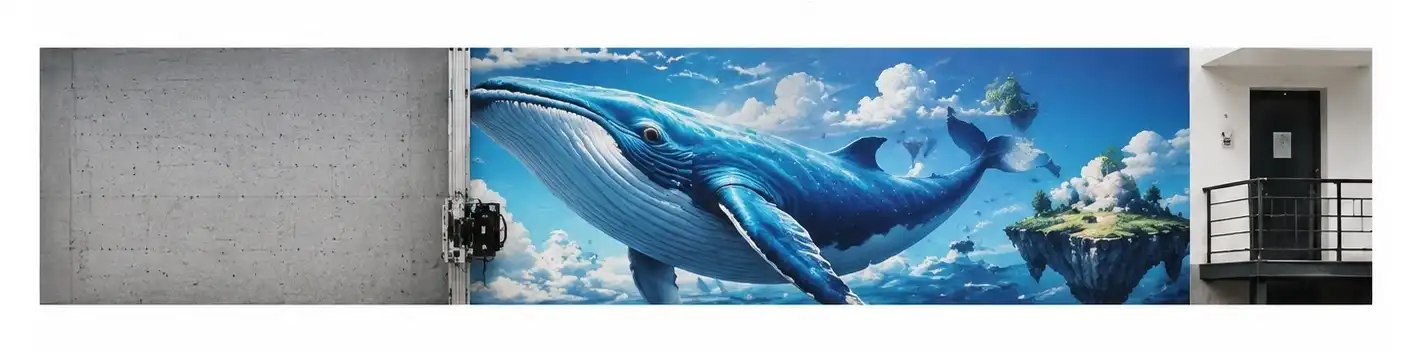
A typical wall printer contains many key hardware components. Several print head unit nozzles deliver ink droplets at precise moments. A motion control system moves the print head X and Y to keep it in position during printing. The ink supply system maintains pressure and flow rates for consistent color saturation and streak-free output. These principles function with Perfect Laser's wall printing machine's high-precision tech, which was separately examined and created. The machine prints on any width material without gaps thanks to seamless splicing. For big company deployments, this is crucial. Advanced sensor technology evaluates the location in real time and makes minor adjustments to maintain alignment over extended print cycles.
Ink Technologies and Their Applications
There are different types of ink that are used for different tasks. When exposed to UV light, UV-curable inks dry immediately. This makes them ideal for busy places that need to turn things around fast. These paints adhere on plaster and metal/glass. For home projects with poor air quality, water-based color paints are healthier for the environment since they contain less volatile organic compounds. Our machines employ fast-drying ink that sticks to many surfaces. This comprises ceramic tiles, timber floors, stone surfaces, cement floors, artificial flooring, terrazzo, and brick. It also comprises putty, tiling, latex paint, and cement walls. Inks don't fade after long-term exposure to the environment and still generate rich color text that makes professional work stand out.
Printing Workflow and Software Integration
First, prepare the digital image. Software that interfaces with the printer's control interface lets designers create or import JPG, PNG, and AI pictures. This technology scans these files and converts visual information into precise ink placement directions. Operators may adjust print speed, color patterns, and resolution to balance quality and production time. Procurement teams may utilize their present creative processes without learning new abilities since Perfect Laser's technology works with common design applications. The simple control panel displays real-time print, ink, and system problem information. This transparency allows experts to swiftly intervene if anything goes wrong, reducing waste and downtime.
Advantages of Using Wall Printers Over Traditional Mural Painting
Traditionally, murals are very hard to make and take days or weeks to finish for big projects. Every job is different—the consistency of the colors changes, painting small details can be hard for even experienced artists, and bad weather can make it impossible to work outside. Through technology and digital accuracy, wall printers get rid of these uncertain factors.
Operational Efficiency and Consistency
Automation can print patterns with repeatable accuracy that humans can't. A wall printer duplicates images for multiple usage. This helps hotel chains, shop chains, and company offices maintain brand consistency. Our system can handle complex patterns, gradients, and photos without making the errors artists make after extended projects. Production speeds up greatly compared to previous techniques. A competent artist may take three days to paint what a well-tuned machine can achieve in hours. Less effort, quicker project completion, and the capacity to take on additional jobs at the same period save expenses. Businesses with tight deadlines or several projects might gain a competitive advantage by being more efficient.
Cost Structure and ROI Considerations
Mechanical printing is cheaper in the long term than painting supplies, even if the equipment costs more. Labor is the largest expense of hand-painting. Hourly, travel, and project management charges are included. A single wall printer operated by qualified personnel may replace several painters, reducing manpower costs. Material loss is reduced by precise ink dosing devices that employ the proper quantity of colorant. Traditional painting requires many coats to cover, which consumes more paint and slows drying. Digital printing employs the proper quantity of ink in one pass, saving resources and maintaining quality.
Environmental and Sustainability Benefits
Modern wall printing supports corporate sustainability in various ways. Traditional solvent-based paints emit more toxic emissions than low-VOC inks. Industrial versions utilize standard electricity and don't require special power infrastructure, thus they consume less energy than they create. Reducing packaging, paint, and application equipment waste helps environmental aims. Digital systems reduce waste and errors due to their accuracy. All of these reduce the carbon footprint of wall decorating projects, which is helpful for firms seeking green building certifications or showing their clientele they care about the environment.
Step-by-Step Guide to Printing Your Own Wall Art with a Wall Printer
Wall printer projects that go well need to be carefully planned and carried out in a methodical way. By understanding each step, from preparing the surface to maintaining the machine after the print is done, you can get the best results and make the equipment last longer.
Surface Preparation and Material Compatibility
The correct medium and conditioning are the initial steps to developing a decent product. Solid, grease-free surfaces are excellent for wall printers. Smooth concrete or painted brickwork is ideal for movable outdoor advertising. Indoor projects in retail malls, entertainment venues, and houses benefit from freshly painted latex paint or sealed drywall. Ink absorption and appearance depend on surface roughness. Primers may be needed on porous materials to prevent ink from entering too deeply and dulling colors and reducing their lifespan. Adhesion boosters may be required to attach ink to smooth surfaces like polished tiles or glass. Our instruments can manage this range since ink flow parameters may be altered and formulas are compatible with various surfaces.
Design Preparation and File Optimization
Digital art must be formatted for maximum print quality. Images should be at least as high as the printer's original DPI resolution. Pixelated output from low-resolution files is particularly noticeable in big programs. Vector pictures may be resized without sacrificing quality, making them ideal for logos, typography, and geometric patterns. Color management ensures that screen images match print images. Professional design software matches color profiles to display and printing settings. Testing little parts before making the full object ensures the colors are right, allowing for alterations without wasting time or resources.
Installation, Calibration, and Operation
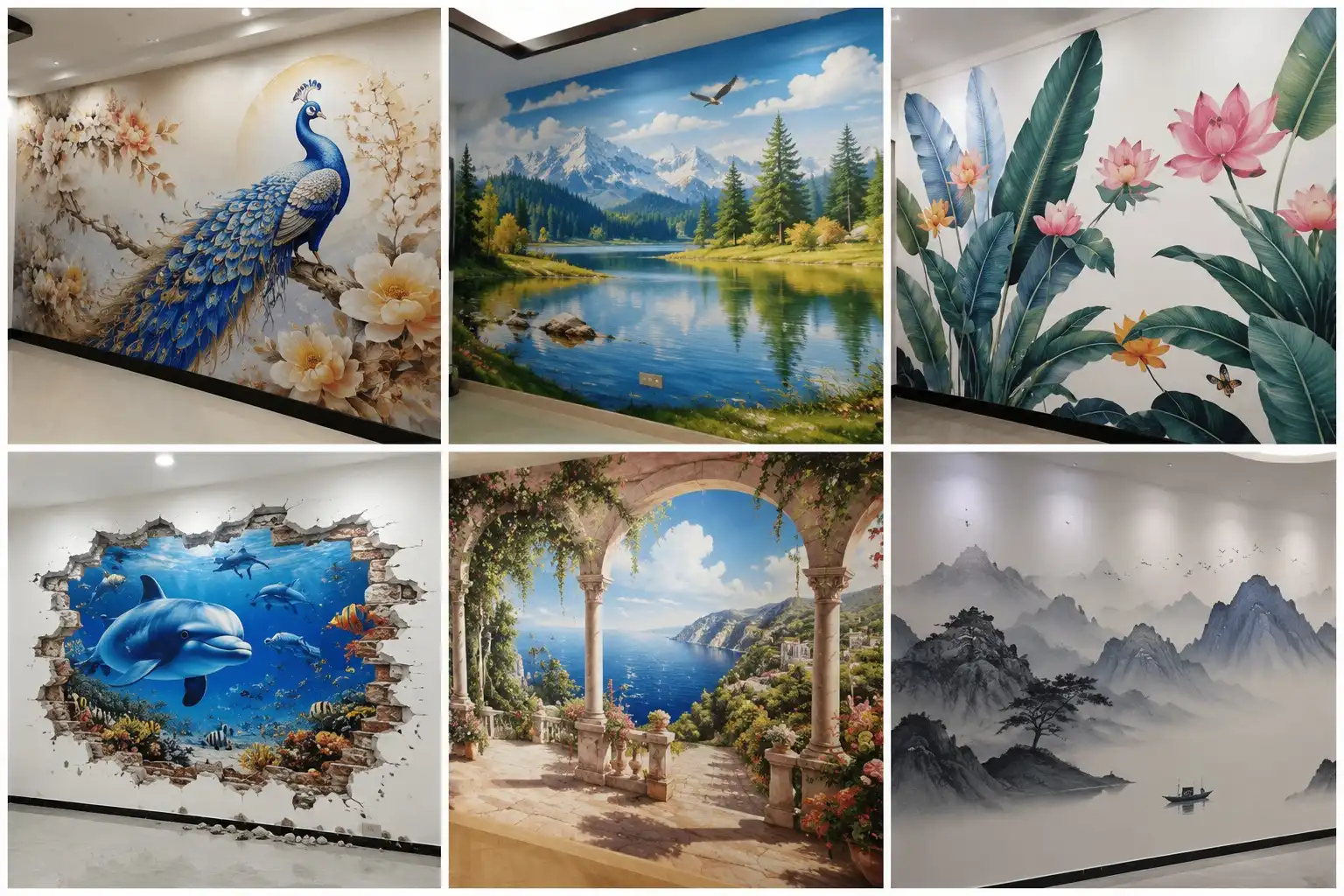
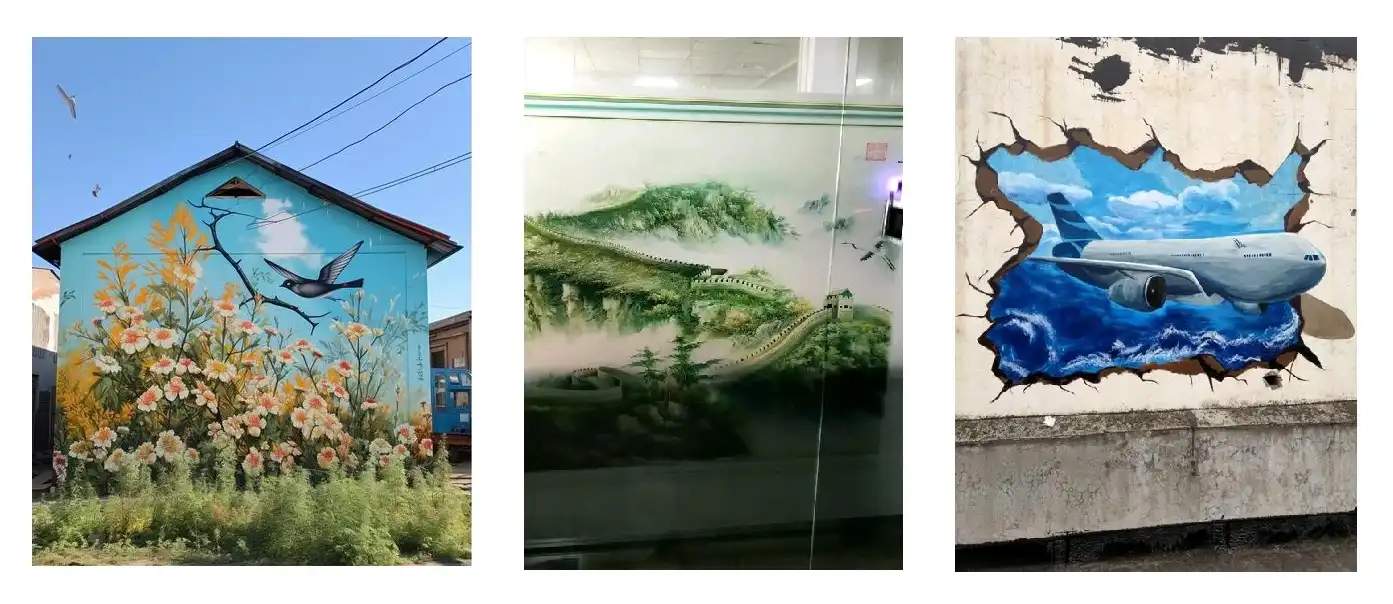
Consistent results start with tool configuration. Installing the printer requires mounting frames on walls or floors following manufacturer's instructions. Leveling devices position the print head properly. To close, ink may smear; too far, it may not stick. A calibration aligns the print head with reference points. This creates coordinates for perfect image positioning. Our easy calibration procedures let users position our equipment and quickly find and fix microscopic surface imperfections. This tool simplifies writing on uneven floors and walls. Working monitoring systems monitor several things. Ink flow, print head temperature, and speed affect output quality. Precision engineering in Perfect Laser's equipment minimizes these differences. This showcases professional installations' bright colors and flawless splicing. The device enhances images with 3D effects from layered ink layers.
Post-Print Procedures and Maintenance
The appropriate cooling methods safeguard the new artwork after printing. Fast-drying ink technology reduces waiting time, but giving it enough time to cure prevents smearing and color transfer. UV inks dry quickly under the correct illumination, allowing for immediate touch-ups or protective coatings. Regular maintenance extends equipment life and improves printing. Print head cleaning prevents nozzle clogging, which may cause streaks or color difficulties. To keep flow smooth, ink system flushes remove sediment. Check mechanical parts regularly. Rails, bearings, and drive belts wear out with time, causing positioning errors that diminish output accuracy if not repaired.
How to Choose the Right Wall Printer for Your Business Needs
To choose the right tools, you have to match its technical skills to its operational needs. Businesses need to think about how much they expect to print, how big projects usually are, and the different areas they'll be working on. Selecting the right wall printing machine involves evaluating print volume expectations, typical project scales, and the variety of surfaces they'll encounter.
Application-Specific Requirements
Outdoor advertising firms want mobility and weatherproofing. Lightweight, collapsible forms make these activities easier to travel between employment. Equipment must endure shocks, temperature fluctuations, and weather during setup. High speeds let workers finish projects faster, enhancing productivity. Indoor retailers, homes, and entertainment venues value print sharpness and color integrity. You must replicate delicate details, smooth patterns, and vivid colors for these goals. The device should work on stone, painted walls, decorative tiles, and other interior surfaces without significant setup. Specific parking lot or storefront floor printing applications need horizontal equipment. These systems need inks that can endure foot, car, and cleaning traffic. Safety signs, instructions, and typography must be readable. Even in practice, accuracy counts.
Technical Specifications and Performance Metrics
Detail visibility relies on print quality. Higher DPIs provide finer lines, smoother shapes, and more realistic images. Business resolutions should be between 720 and 1440 DPI to balance quality and speed. Exhibition prints may need higher images for specialized work. Print speed affects project costs and productivity. Square meters per hour shows how fast equipment covers an area. Faster approaches decrease labor and tighten schedules, but quality may suffer. How to balance speed and quality helps customers choose equipment for daily tasks. For large wall installations or continuous floor images, printing in any width provides infinite horizontal coverage. Print portion splits are eliminated by seamless splicing, making huge areas seem professional. Industrial instruments differ from entry-level ones for lighter labor.
Supplier Selection and Support Considerations
Working with accredited manufacturers gives professional assistance, replacement components, and problem-solving. Established vendors provide thorough training programs that quickly ramp up staff on new technology. Expert help quickly fixes operational challenges, reducing project delays and costs. Tool warranties and service agreements protect your investment. Commercial tools are used often, requiring part replacement or system improvement. Longer warranties and low-cost maintenance contracts from suppliers help buyers predict an item's ownership cost, minimizing budget-busting shocks. Perfect Laser has over 30 years of industrial laser and printing equipment manufacture experience. With over 20 lines and 300 models, our portfolio shows our versatility. CE, TUV, and SGS certifications show worldwide quality and safety. This background reassures procurement staff about product quality and vendor security.
Case Studies and Use Cases of Wall Printers in B2B Environments
Wall printer technology changes branding, the customer experience, and operating effectiveness across all fields, as shown by real-world examples.
Retail Environment Transformations
A major retailer wants to brand all 150 outlets the same. This usually requires expert vinyl sticker installation. The method was costly and time-consuming, and the outcomes were inconsistent according to the workers' expertise. The firm employed wall printing and deployed personnel with mobile machines to each location. High-quality murals depicting goods, advertisements, and trademark patterns were painted on store walls. Installation time fell from two days per shop to six hours, and site fees dropped. Possible seasonal promotions. Changing stickers every three months was prohibitively costly before digital printing. Customers appreciated it, and surveys revealed that trendy, bright visual marketing increased brand perception.
Hospitality and Entertainment Venue Applications
A hotel renovation required new artwork in 200 guest rooms. Each artwork has to be distinctive and represent local culture. Commissioning hand-painted paintings exceeded budget and made artist scheduling difficult. Wall printing was another option; artists created digital art collections that robots could duplicate exactly. To use money-making areas again before the busy season, the hotel renovated rooms 40% quicker than expected. Guest surveys praised the customized design and the distinctive wall art for making the room stand out. Despite its mid-market pricing, the hotel exploited this achievement to pitch itself as a private experience.
Industrial and Institutional Implementations
The university grounds department employed conventional painted signs to guide visitors. Because paint faded or surfaces required repainting, many signs needed annual touchups. Maintainers spend a lot of time covering, painting, and cleaning, depleting resources for other initiatives. Wall-mounted directional signs, room numbers, and safety markers greatly reduced maintenance gaps. UV-curable inks were stronger at withstanding weather and foot activity than paint, thus they only required reapplication every three to four years. The grounds staff prioritized essential repairs over incomplete ones, improving school infrastructure. Professional signage improved campus pathways for visitors. This benefited prospective students and their families. Another increasing use is parking lots. Shopping malls and other businesses utilize floor printing to identify parking places, offer instructions, and distribute safety warnings. Advertising businesses employ ground graphics for experiential marketing to grab attention and engage audiences. Government and community organizations employ wall printing for cultural events, public information campaigns, and neighborhood beautification. Educational institutions and art experience centers create interactive student art exhibitions using the technology.
Conclusion
Wall printer technology can completely change the way companies decorate in a variety of settings while also being cost-effective and high-quality. Precision automation, a wide range of materials, and fast production speeds all work together to get around the problems that come with standard human methods. Modern systems can handle a wide range of practical needs, from advertising outside that needs portable equipment to installations inside that need high resolution and accurate colors, or even specialized floor uses. Professional-grade output is made possible by Perfect Laser's advanced engineering, which allows for high-precision printing, smooth splicing, rich color reproduction, and quick drying. Procurement professionals can set up wall printing programs that improve branding, cut costs, and give consistent results that help businesses reach their growth goals if they know what equipment can do, how to use it correctly, and how to choose a smart provider.
FAQ
1. What surfaces work best with wall printers?
Wall printer machines can print on cement walls, latex-painted surfaces, tiled walls, putty-finished drywall, wood panels, glass, metal, and stone, among other things. For outdoor uses, properly prepared concrete, brick, and brickwork work well. Ceramic tiles, wooden floors, concrete, cement, and many other man-made surface materials can all be printed on. Cleaning, drying, and sometimes painting the surface makes sure that the ink sticks well and the colors are bright, no matter what kind of material is used.
2. How often do wall printers require maintenance?
When to do routine repair depends on how often it is used. Short print head cleaning processes help keep nozzles from getting clogged during daily operations. Once a week, the ink levels, system readings, and wear on mechanical parts are all checked. Deep cleaning processes that are done once a month flush ink systems completely, keeping the flow characteristics constant. Professional service once a year checks the drive systems, makes sure they are calibrated, and replaces any parts that need to be replaced. Following the manufacturer's instructions will make the equipment more reliable and ensure consistent print quality.
3. Can wall printers handle large commercial projects efficiently?
Modern wall printing systems are great for large-scale business applications because they can print in any width and can join panels together without any gaps. Painting projects that cover hundreds of square meters can be finished in a fraction of the time it takes to paint by hand. Automated operation cuts down on the need for workers while keeping quality high across whole sites. Fast-dry ink technology cuts down on project timelines by getting rid of the need for long curing times between steps. This lets the site turn over faster and make more money.
Transform Your Space with Perfect Laser Wall Printing Solutions
With Perfect Laser, you can get cutting-edge wall printing technology made just for tough industrial and business uses. Our custom-made systems combine precise engineering with the ability to work with a wide range of materials. They make bright colors and smooth large-format pictures that make your brand stand out. Our range of tools can meet your specific needs, whether you work in outdoor advertising that needs to be movable and efficient, indoor design that needs high resolution, or specialized floor marking. We are a reputable maker and seller of wall printers because our products are certified by CE, TUV, and SGS, and we offer full technical support, including two-year warranties on marking systems and professional installation help. Email our team at [email protected] to talk about the details of your project, ask for product demonstrations, or look into cost-effective bulk buying choices that will help you get the most out of your money. See how our tried-and-true technology can help you run your business more efficiently while still giving your clients the stunning, reliable results they expect.
References
1. Thompson, R. (2023). Digital Printing Technologies for Architectural Applications. Industrial Press Publishing.
2. Martinez, L. & Chen, W. (2024). "Comparative Analysis of UV-Curable Versus Solvent-Based Inks in Large Format Printing." Journal of Applied Printing Sciences, 45(2), 112-128.
3. Anderson, K. (2023). Commercial Decoration Equipment: Selection and Implementation Strategies. Business Technology Publications.
4. Roberts, D. (2024). "Automation in Visual Marketing: Economic Impact Assessment." International Review of Marketing Technology, 18(1), 67-83.
5. Wu, J. & Patel, S. (2023). Surface Preparation Techniques for Digital Wall Graphics. Technical Standards Institute.
6. Morrison, T. (2024). "Sustainability Metrics in Modern Printing Equipment Operations." Environmental Technology Quarterly, 31(4), 201-219.

share your inquiry, get the quotation accordingly.
第一张审核员说包含其他公司不能用_1755049724891.webp)
Perfect Laser – Global Manufacturer of Reliable Laser Solutions


