Laser Welding vs TIG vs MIG: Key Differences
Knowing the differences between laser, TIG, and MIG welding is important for business success when picking between welding technologies. Today's laser welding machine systems are the most accurate and fast on the market. TIG welding gives you better control over delicate materials, and MIG welding gives you more options for heavy-duty jobs. Each method is used for a different set of industrial needs, such as making micron-level accurate aircraft parts or deep entry welds for shipbuilding projects. This choice has a big effect on how well things are made, how high the quality is, and how much they cost in the long run.
Overview of Laser, TIG, and MIG Welding Technologies
Knowing how these three types of welding work on a basic level helps makers make smart choices about how to run their businesses. Each way works with different physical ideas and meets different business needs.
Laser Welding Technology Fundamentals
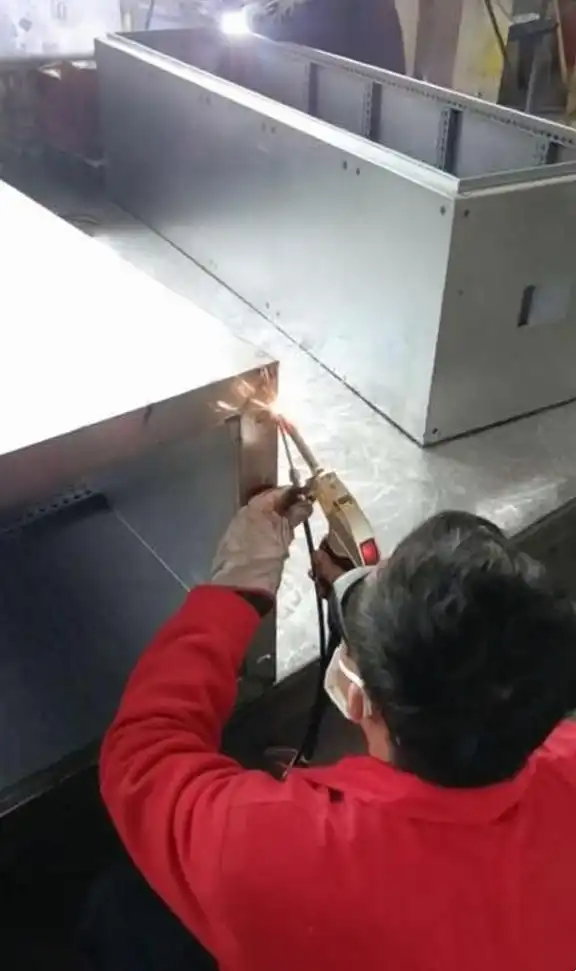
Laser welding uses focused light energy to make exact, high-quality welds with few areas where the heat is lost. Continuous fiber laser sources are used in this technology to make focused beams that can go through a wide range of materials very accurately. Modern laser welding machine systems can join at speeds of up to 100 inches per minute and keep the quality the same even when the shapes are complicated. A high-intensity laser beam is pointed at the top of the item to make a molten pool that joins the materials together. This non-contact method keeps the electrodes clean and minimizes distortion, which makes it perfect for precise tasks in the aircraft, electronics, and metal industries.
TIG Welding Process Characteristics
In tungsten inert gas welding, an electrode made of non-consumable tungsten is used to make a spark that melts the base materials. The process needs skill to be done by hand, but it makes high-quality welds that look great. TIG welding is great for tasks where exact control of the heat input is needed, like making things out of thin sections of stainless steel or putting together aluminum parts. The method lets workers freely control the amount of heat applied and the addition of filler material. This makes the welds better, but the production rates are slower than with automatic methods.
MIG Welding Operation Principles
A continuous wire electrode is run through a welding gun in metal inert gas welding. This makes an arc that melts both the wire and the base material. This semi-automatic method allows for faster welding than TIG while still meeting acceptable quality standards for structural uses. Because it can go through thick materials easily and work well with many metals, MIG welding is commonly used in big industries like ships and making structural steel.
Key Differences Between Laser, TIG, and MIG Welding
By looking at these welding methods across important performance aspects, we can see their clear pros and cons that affect manufacturing choices. When choosing the right welding equipment, production managers have to look at a number of factors.
Precision and Quality Comparison
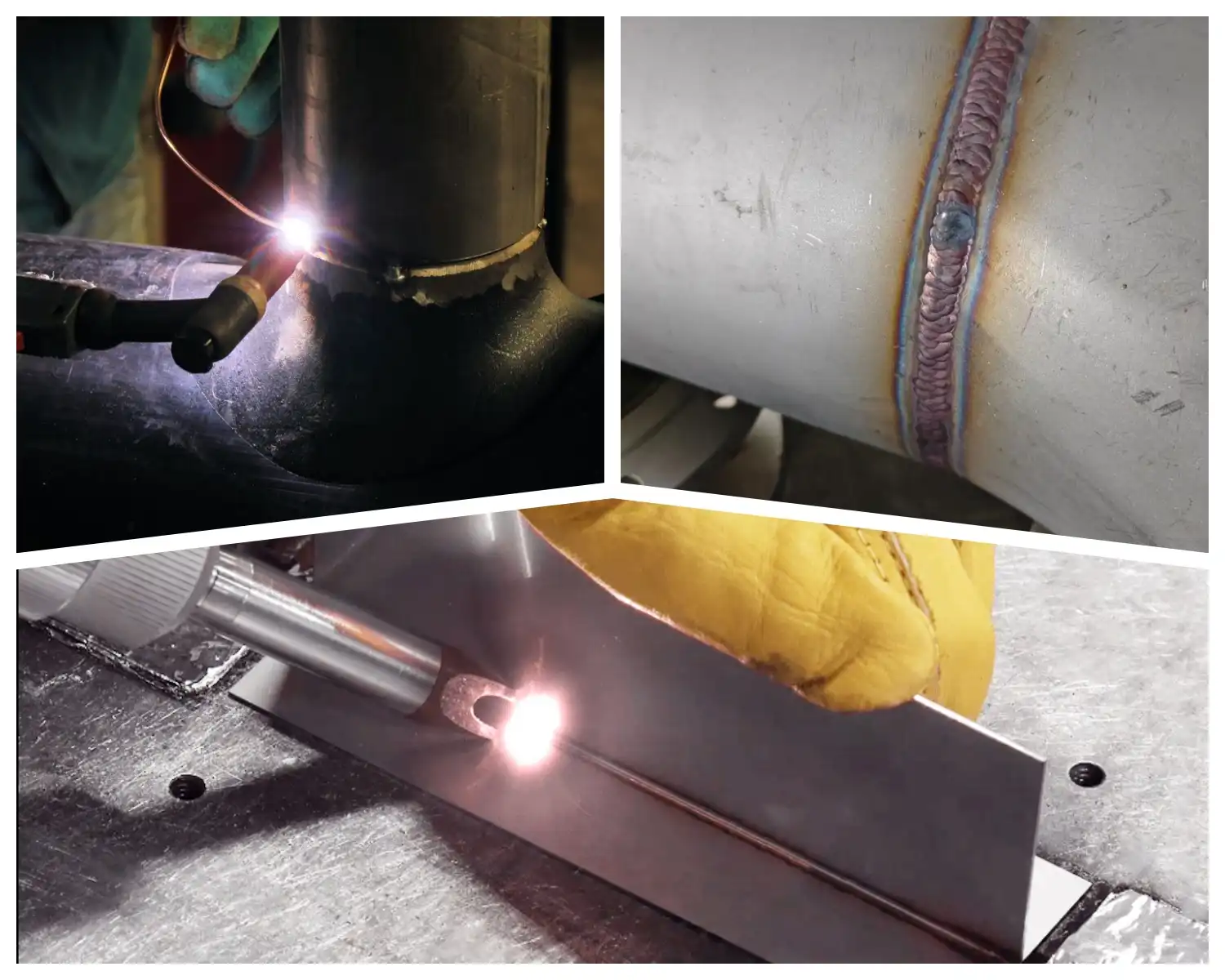
With beam sizes as small as 0.1mm, laser welding is very accurate and can be used for micro-welding in medical and electrical devices. The focused energy makes narrow weld beads that don't deform much, which results in smooth weld surfaces that usually don't need any post-processing. TIG welding produces high-quality results thanks to careful operator control, but it needs skilled workers to keep things consistent. The process makes clean, nice-looking welds that can be used in public places, but it takes longer than automatic options. MIG welding has a middling level of accuracy that is good for structural uses, but it may need to be cleaned up after the fact because it creates spatter. The process works best with thick materials where deep entry is more important than a smooth surface finish.
Speed and Efficiency Analysis
Modern fiber laser systems can weld at speeds 300–500% faster than older methods, which greatly shortens the time it takes to make something. Laser welding is very useful for high-volume production settings because it can run continuously and can be automated. Because it has to be controlled by hand, TIG welding moves more slowly, but it can be used for complex joint designs and repairs. Skilled workers can change their methods to work with different mixtures of materials and shapes. MIG welding can go faster than TIG while still producing good quality. This makes it good for medium-volume production where speed is more important than accuracy.
Equipment Complexity and Maintenance Requirements
Laser welding machine systems need special upkeep, like cleaning the optical parts and adjusting the laser source. But with the non-contact process, you don't have to change the electrodes, which saves money over time. While TIG welding equipment is still pretty easy and doesn't need much upkeep, the preparation of the tungsten electrode and the use of shielding gas make it more difficult to use. MIG welding systems need regular upkeep on the wire feeding mechanism and contact tip replacement, but they are easy for less skilled workers to use.
Comparing Laser Welding Machines with TIG and MIG Machines for B2B Procurement
When making purchasing choices, it's important to look at the total cost of ownership, production needs, and long-term manufacturing goals. Businesses can choose the best welding technology by keeping these things in mind.
Investment and Operational Cost Analysis
Laser welding technology can be bought with an initial investment ranging from simple personal systems to large industrial robotic setups. Even though the starting costs are higher than with traditional methods, the increased productivity from less work and faster production speeds often makes the investment worth it. The prices of running a business include things like using energy, fixing things that break down, and buying supplies. Laser systems use more electricity, but they don't need electrodes, so they save money on prices and don't need as much extra processing.
Production Scale Considerations
Automation features for laser welding are very helpful in places that make a lot of things. Robotic integration makes it possible to work 24 hours a day, seven days a week with uniform quality, which helps big production sites get the most out of their investments. CNC laser welding machine systems may be the best choice for medium-volume uses because they balance the benefits of automation with a fair investment level. These methods give exact control while still letting you do things in a variety of ways. Handheld laser welders are great for small businesses because they are portable and easy to use, and they don't need a lot of training or changes to the building.
Quality and Throughput Requirements
Manufacturers of cars and airplanes that need to meet strict quality standards need laser welding to meet licensing requirements. The process makes exact joint shapes and hermetic seals that are needed for important uses. Laser technology is the only way to do the micro-welding that is needed in electronics manufacturing. Heat-sensitive parts need very little heat to keep them from breaking during assembly. In heavy industry, entry depth may be more important than accuracy. For joining thick materials, MIG welding is a cheaper option.
Advances in Laser Welding Technology vs Traditional Welding
The development of technology is continuing to make welding better, with laser systems leading the way in new ideas for accurate production.
Fiber Laser Technology Breakthroughs
New developments in fiber laser technology have changed the way we can weld by making the beams better and using less energy. Modern systems get M² numbers that are close to 1.0, which lets them focus more precisely and go deeper while using less power. Continuous fiber laser sources give off stable power for long periods of time, which makes sure that the quality of the welds stays the same throughout production runs. Because of these improvements, laser welding machine systems are becoming more and more appealing for use in precision manufacturing.
Automation and Industry 4.0 Integration
Laser welding naturally works well with automatic systems, which helps smart production projects. Real-time monitoring lets you give instant feedback on quality and make changes to the process, which lowers the number of mistakes and raises total efficiency. Modern control systems work well with industrial execution systems, giving a lot of information about production that can be used for projects that aim to make things better all the time.
Material Compatibility Expansion
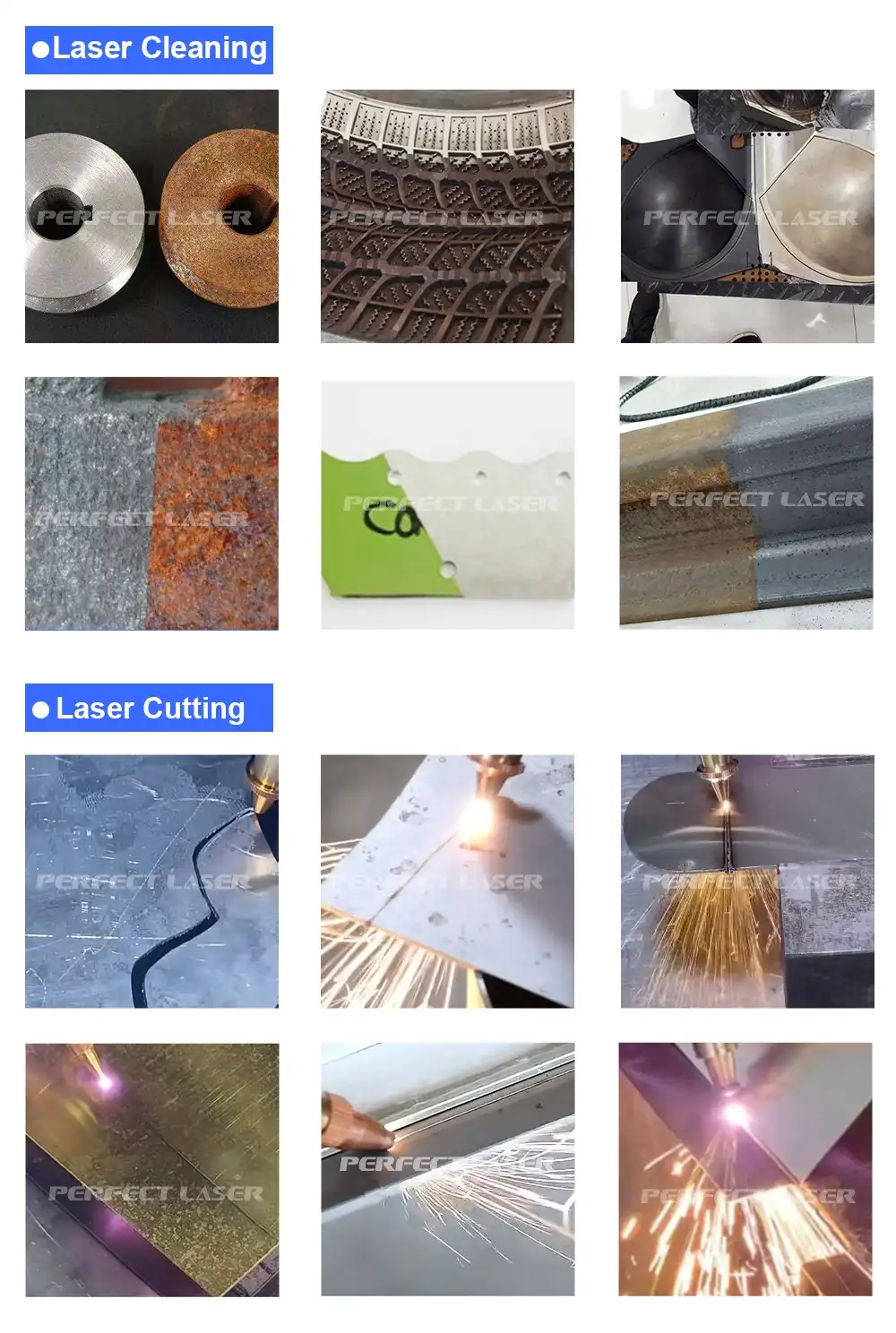
Today's laser welding devices can join more and more types of materials, including metals that were not compatible with each other before. Advanced pulse control lets heat-sensitive metals be welded without changing their mechanical features. Three-in-one welding, cutting, and cleaning features make the system more flexible, letting makers combine several processes into a single piece of equipment.
Practical Tips for Optimizing Welding Performance and Maintenance
To get the most out of your tools, you need to know the unique maintenance needs and best practices for each type of welding.
Laser System Maintenance Best Practices
Cleaning optical components regularly keeps the quality of the beam stable and stops power loss. As part of regular inspections, safety lenses should be replaced and the orientation of the beam delivery system should be checked. Maintaining the cooling system keeps sensitive laser parts from getting damaged by heat. Laser sources last a lot longer if the water quality and temperature are controlled properly.
Operator Training and Safety Protocols
Because of the beam dangers and possible eye injury risks, laser welding needs special safety training. Safe work in manufacturing settings is guaranteed by the right safety gear and controlled entry methods. Knowing the factors that are unique to a material helps workers get the best weld quality in a wide range of situations. Power levels, travel speeds, and choosing the right shielding gas for different mixtures of materials should all be covered in training classes.
Quality Control Implementation
Setting up uniform quality control methods protects the integrity of the weld across all production runs. Visual checking methods and regular destructive tests are used to make sure that the joint meets the standards for strength and penetration. Documentation systems keep track of process factors and quality metrics. By analyzing data and finding trends, these systems allow for ongoing growth.
Conclusion
Which of laser, TIG, and MIG welding to use relies on the job, the amount of work to be done, and the quality standards. In modern production, laser welding machine technology offers better accuracy and speed, but traditional methods are still useful in some situations. The aircraft and automotive industries are using laser welding more and more for important parts, while heavy industry is still using MIG welding for structure work. Knowing these differences helps you make smart choices about welding technology that fits your business's goals and output needs.
FAQ
1. Which industries benefit most from laser welding compared to TIG and MIG?
Laser welding technology has big benefits for industries like making cars, parts for electronics, making jewelry with great detail, and aircraft engineering. These fields need laser systems because they are accurate, don't change quality much when heated, and are reliable. Laser technology's unique micro-welding abilities are also useful for making medical devices and packaging semiconductors.
2. How do the prices of upkeep match between laser welding and other types of welding?
Laser welding systems need more money to be spent on upkeep at the beginning, but they often save money in the long run by not needing materials like electrodes and doing less secondary processing. Traditional methods need electrodes to be replaced more often and equipment to be serviced more often, but the upkeep processes are easier to understand. When looking at total costs, you should think about how much you need to make and what quality you need.
3. Can laser welding work well with combinations of many different metals?
Modern fiber laser systems are great at joining complicated materials like titanium, Inconel, and different metals together. Advanced pulse control lets you precisely control the heat for materials that are sensitive to temperature. When working with unusual metals, the non-contact process keeps the work from getting contaminated, which can happen with traditional welding methods.
Transform Your Manufacturing with Perfect Laser Welding Solutions
Are you ready to change the way you weld? Perfect Laser provides complete laser welding machine options for a wide range of commercial uses. We sell channel letter laser welding machines, spot jewelry systems, and continuous welding equipment for heavy industry, aircraft, the car industry, and the electronics industry. Perfect Laser systems are a great deal for makers who want to stay ahead of the competition because they can weld, cut, and clean all in one, are mobile, and work very precisely. Get in touch with our knowledgeable staff at [email protected] to set up a personal meeting and find out how our laser welding machine source knowledge can help you improve the way you make things.
References
1. Smith, J.A. "Comparative Analysis of Modern Welding Technologies in Manufacturing Applications." Journal of Industrial Welding Technology, vol. 45, no. 3, 2023, pp. 127-145.
2. Anderson, M.K. and Williams, R.T. "Laser Welding Performance Metrics in Aerospace Component Manufacturing." Advanced Materials Processing Quarterly, vol. 28, no. 2, 2023, pp. 89-104.
3. Chen, L.P. "Economic Evaluation of Welding Technology Selection for Automotive Production Lines." International Manufacturing Economics Review, vol. 12, no. 4, 2023, pp. 234-251.
4. Thompson, D.E. "Safety and Quality Standards in Industrial Laser Welding Applications." Welding Safety and Standards Journal, vol. 31, no. 1, 2023, pp. 45-62.
5. Rodriguez, C.M. "Technological Advances in Fiber Laser Welding Systems: A Comprehensive Review." Laser Technology and Applications, vol. 19, no. 3, 2023, pp. 178-194.
6. Kumar, S.R. and Patel, A.N. "Cost-Benefit Analysis of Welding Technology Implementation in Modern Manufacturing." Industrial Engineering and Management, vol. 22, no. 2, 2023, pp. 112-128.

share your inquiry, get the quotation accordingly.
第一张审核员说包含其他公司不能用_1755049724891.webp)
Perfect Laser – Global Manufacturer of Reliable Laser Solutions


