What is the difference between pneumatic and electric dot peen marking machines
Manufacturers use dot peen technology to mark metal parts in a lasting way. The main difference between a pneumatic dot peen marking machine and an electric dot peen marking machine is their power source. Compressed air drives the marking pin in a pneumatic dot peen marking machine, while electromagnetic solenoid systems power electric machines. The choice between a pneumatic dot peen marking machine and electric technology is critical for production efficiency, affecting everything from cost and accuracy to maintenance requirements and integration capability with existing facility infrastructure.
Introduction
Traceability is now mandatory in modern industry. Automotive plants stamp VIN codes on frames. Aerospace suppliers track critical components. Electronics makers need microscopic, permanent serial numbers. A dot peen marking machine creates lasting identifiers by pressing a hardened stylus into material surfaces, forming dot patterns readable as letters, numbers, logos, and Data Matrix codes. Choosing between pneumatic and electric dot peen marking machine affects production line efficiency, mark quality, and operating costs.
Understanding Pneumatic and Electric Dot Peen Marking Machines
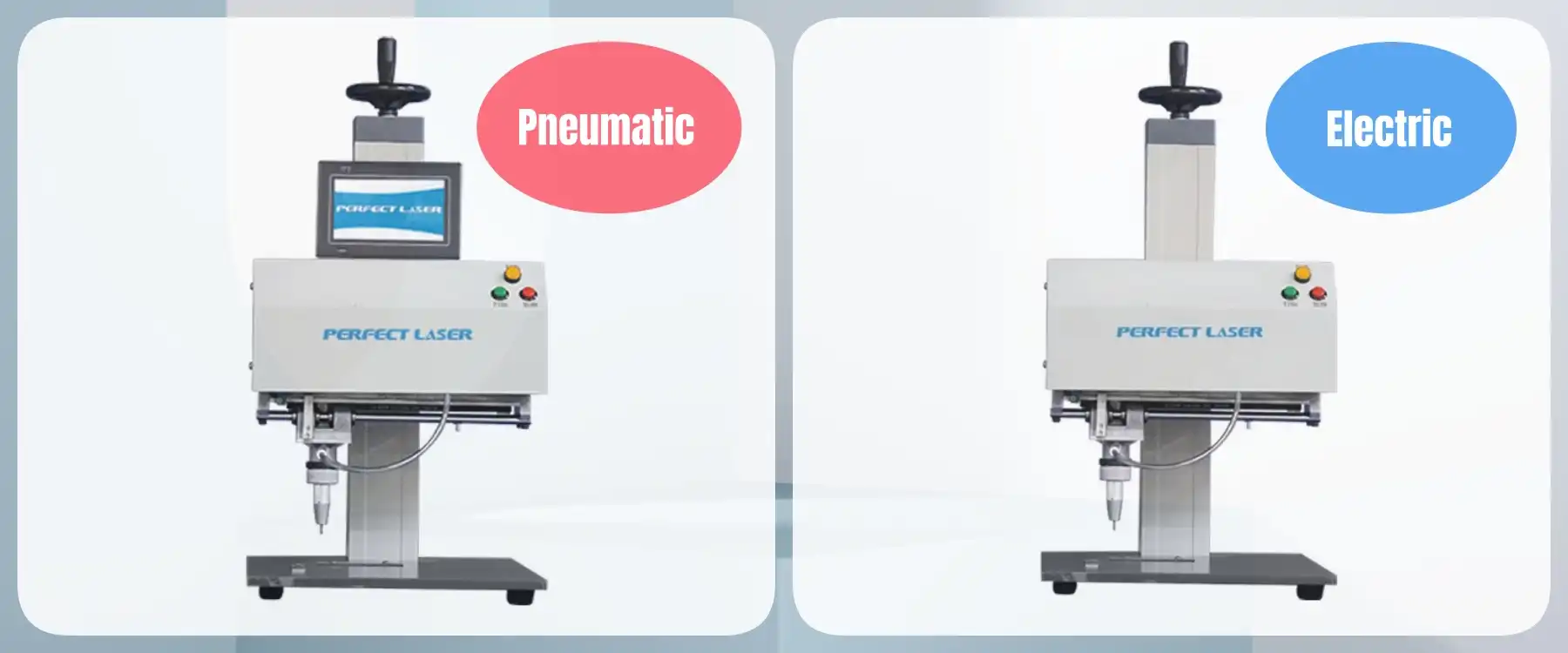

How Pneumatic Systems Operate?
The force that moves a pneumatic dot peen marking machine is compressed air. Inside the marking head, compressed air moves a piston that presses a stylus with a carbide or diamond tip against the surface of the object. Each hit leaves a small depression, and the managed order of hits makes characters and patterns that can be read. To keep the quality of the markings the same from one production run to the next, the system needs an air generator that delivers steady pressure, usually between 5 and 7 bar.
These tools work best in places where there is already equipment for compressed air. Metal production shops, car factories, and factories that make heavy machinery often have centralized air systems that support pneumatic tools, which makes integration easy. Perfect Laser's PEQD-200E model is a great example of current pneumatic design. It has a writing strength that can be changed to fit different types of materials and depth needs. Its smart control system simplifies marking rounds based on how often they are made, so operators don't have to do as much work but still get the same amount of work done.
Electric Systems and Their Mechanisms
An electric dot peen marking machine uses electromagnetic solenoids instead of air cylinders. Energizing the solenoid coil creates a magnetic field that drives the marking pin forward rapidly. Precise electrical control enables adjustment of impact force, speed, and depth. This electric dot peen marking machine eliminates compressed air requirements, simplifying installation. The technology excels in precision applications where mark depth control proves critical for marking delicate circuit boards or valuable metals without damage using an electric dot peen marking machine.
Common Industrial Applications
Both pneumatic and electric dot peen marking machine technologies serve automotive plants stamping VIN codes on steel frames and aluminum panels. Aerospace manufacturers put tracking numbers on titanium alloys. The pneumaticdot peen marking machine works well for nameplate production, marking thousands of identification plates daily with logos and serial numbers. Shipbuilding uses dot peen marking machine for assembly codes on thick steel plates. Electronics manufacturers engrave tiny serial numbers on brass fittings and stainless steel housings.
Core Differences Between Pneumatic and Electric Dot Peen Marking Machines
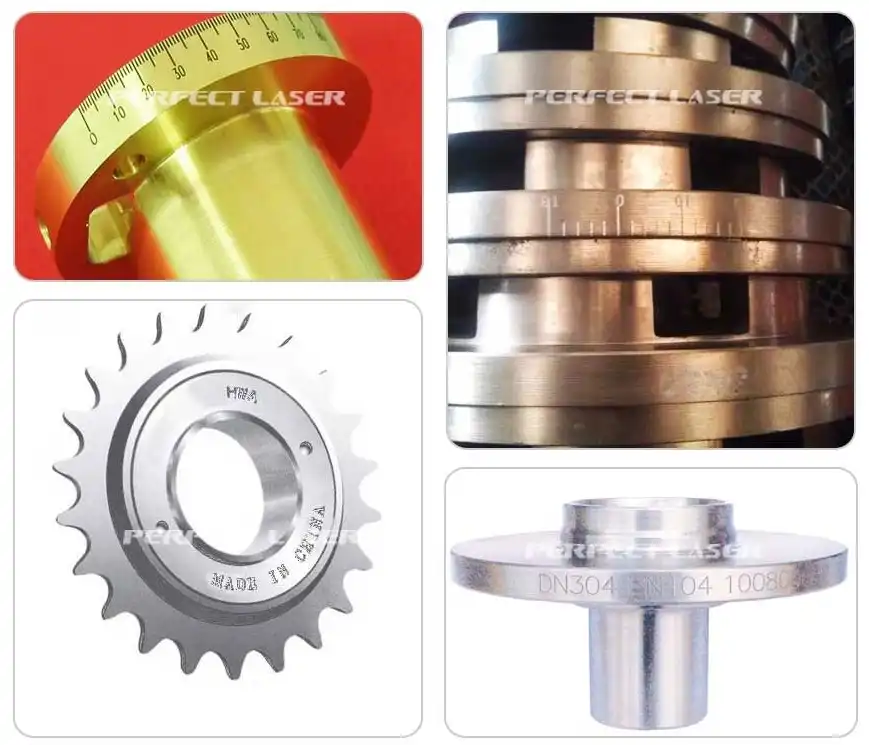
Power Source and Infrastructure Requirements
The main difference between the two systems is how they get their power. The marking pin in a pneumatic dot peen marking machine is moved by compressed air. This means that companies need to have stable air engines and methods for distributing air. This works well in places that make a lot of things and already have air equipment. On the other hand, electric systems don't need air supply networks because they run straight on regular electricity. For workshops or production lines that don't have a lot of room or access to compressed air systems, this makes installation easier and more flexible.
Marking Precision and Force Control
Because electric systems are run by solenoids that are handled electronically, they usually give you more precise control over the writing force. This makes it easier to change the depth and impact strength, which is helpful for small nameplates or delicate parts. A pneumatic dot peen marking machine like the Perfect Laser PEQD-200E has a stable and strong impact force, which means it can be used to mark sturdy metals and industrial nameplates. Even though pneumatic systems depend on stable air pressure, current designs can still get consistent results in most industrial settings if they are set up correctly.
Maintenance Needs and Long-Term Operating Costs
The two methods also have different maintenance needs. To keep the air-driven device running smoothly, pneumatic systems need to have their air filters, seals, and grease checked on a regular basis. But they are strong mechanically and work well in tough settings. Electric machines depend less on mechanical air parts, but they have more sensitive electrical systems that need stable power. In terms of cost, gas systems may have higher building costs, while electric tools, based on the size of the production and how often it is used, may be easier to set up and use less energy over time.
How to Choose Between Pneumatic and Electric Dot Peen Marking Machines?
Material Type and Marking Precision Requirements
Choosing between a pneumatic dot peen marking machine and an electric system largely depends on the material being processed and the required marking precision. When stable contact force is needed, a pneumatic dot peen marking machine like the PEQD-200E works well on aluminium nameplates, copper parts, and bigger metal parts. Electric systems, on the other hand, let you finetune the impact depth, which makes them good for parts with thin walls or that are very sensitive. When making things with different kinds of materials, being flexible and being able to change the writing strength are very important for making sure the quality is the same in all of them.
Production Environment and Infrastructure Compatibility
The conditions of the factory and the equipment that is already there are very important when choosing the right technology. A pneumatic dot peen writing machine needs a steady source of compressed air, so places that already have centralised air systems are great for using them. Electric machines, on the other hand, run straight from normal power sources, which makes placement easier and takes up less room. Electric systems are easier to set up for makers who don't have a lot of studio room or an air pipeline network, while pneumatic systems work well in big industrial settings with continuous production lines.
Supplier Support and Long-Term Investment Value
In addition to machine specs, long-term success depends on how reliable the provider is. Perfect Laser has been making industrial equipment for more than 30+ years and offers both gas and electric options. They offer service all over the world, are certified by CE, TUV, and SGS, and offer expert help 24 hours a day, 7 days a week. This environment helps the pneumatic dot peen marking machine PEQD-200E work smoothly and make sure that extra parts are easy to find. When looking at their choices, buyers should think about more than just the original cost. They should also think about things like insurance support, professional help, and the ability to make upgrades in the future to ensure long-term production performance.
Advancements and Trends in Dot Peen Marking Technologies
Integration with Smart Manufacturing and Production Lines
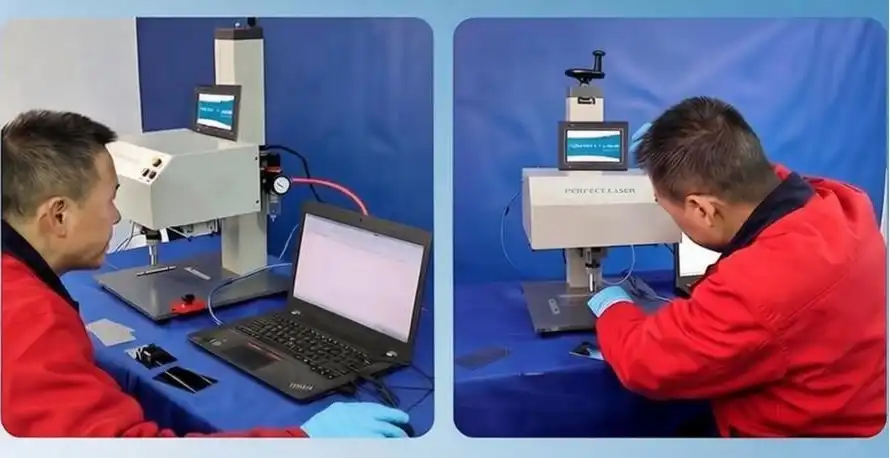
These days, dot peen systems are not just stand-alone items; they are important parts of production environments that are all linked. Both pneumatic dot peen marking machine and electric models are now widely integrated with MES and ERP systems, enabling real-time data exchange and automated part identification. Machines like the PEQD-200E can get marking data from production systems and do jobs without any help from a person. This cuts down on mistakes made by people, makes it easier to find things, and helps fully automated processes in the electronics, metal production, and car industries.
Enhanced Software Intelligence and Marking Flexibility
Software updates have made it possible for dot peen writing tools to do a lot more. These days, systems can mark complicated logos, QR codes, and high-density Data Matrix codes instead of simple serial numbers. The PEQD-200E pneumatic dot peen marking machine has tablet software built in that lets workers change text, change the depth of the marks, and find the best speed without using extra computers. Intelligent features, like detecting obstacles and automatically adjusting parameters, make sure that the quality of the writing stays the same for all materials and production situations.
Sustainability and Energy Efficiency in Modern Systems
Sustainability is now one of the most important trends in industrial marking technology. Compared with traditional setups, electric systems reduce continuous energy consumption, while pneumatic dot peen marking machine solutions are also improving through optimized air usage and demand-based operation. The PEQD-200E is made to have a small footprint and work efficiently, which cuts down on waste and energy loss during production. As companies become more concerned about protecting the environment, choosing marking options that use less energy is becoming an important part of choosing tools and making long-term investments.
Conclusion
When deciding between a pneumatic dot peen marking machine and electric technologies, look at your unique operating situation instead of following general advice. Where compressed air infrastructure exists, a pneumatic dot peen marking machine delivers reliability, clear marking capability, and easy integration. Electric options offer better accuracy, simpler installation, and lower energy use for precision tasks and facilities without air systems. Modern pneumatic dot peen marking machine design includes smart automation, adjustable force control, and user-friendly interfaces that close technology gaps, as shown by the PEQD-200E. Base your choice on material requirements, production volume, existing infrastructure, and long-term business plans. Partner with suppliers offering full technical support and reliable after-sales service to maximize your pneumatic dot peen marking machine investment over its entire life.
FAQ
1. Can pneumatic marking machines handle delicate materials without damage?
Modern pneumatic systems, like the PEQD-200E, have marking forces that can be changed. This lets you mark soft materials like aluminum and copper gently while still having enough power for harder alloys. When you set the parameters correctly, you can keep the surface from getting damaged and still read it. Electric machines can vary their force more precisely, which makes them better for very sensitive tasks. However, pneumatic equipment that is set up correctly can handle most industrial materials well.
2. What maintenance schedule should I expect for each technology?
Most pneumatic systems need to have their air filters checked once a month, their bearings oiled every three months, and their seals inspected once a year. This takes a total of 8 to 12 hours a year. Electric tools mostly need a new pen every 500,000 to 1,000,000 marks, and the solenoids need to be inspected every so often, which takes about 4 to 6 hours a year. Regular cleaning and tuning checks are good for both technologies to keep the quality of the markings for as long as they are used.
3. How long do these marking machines typically last in industrial environments?
Pneumatic systems that are well taken care of can usually be used continuously in industry for 10 to 15 years, and some setups have been up and running for more than 20 years. Electric machines usually last between 8 and 12 years without breaking down. However, this time slowly rises as the quality of the electronic parts gets better. Instead of just the technology type, the actual lifespan varies a lot on the size of the markings, the hardness of the material, the surroundings, and how well they are maintained.
Partner with Perfect Laser for Your Marking Solutions
Perfect Laser has been making industrial marking equipment since 1995. They have worked with makers all over the world and are experts in both pneumatic and electric dot peen systems. Our pneumatic dot peen marking machine supplier options give nameplate makers, automakers, and metal fabricators the intelligent automation, changeable force control, and small size they need for permanent marking that is reliable and of high quality. We understand that choosing marking technology involves examining not just equipment specs but seller trustworthiness, support accessibility, and long-term relationship value.
Our engineering team can help you find the best configurations for your needs by looking at your materials, output numbers, and integration needs. With installations on six continents and technical help available 24 hours a day, seven days a week, we make sure that your marking processes stay productive no matter where they are or what time it is. Contact [email protected] for detailed technical specifications, application samples, or customized quotes that address your specific marking needs. Our experts will get back to you within hours to help you make an informed purchasing decision, based on their nearly 30 years of experience in marking technology.
References
1. Johnson, M. & Roberts, K. (2021). Industrial Marking Technologies: Comparative Analysis of Pneumatic and Electric Systems. Manufacturing Technology Press.
2. Chen, L., Wang, H., & Schmidt, P. (2022). "Energy Efficiency in Automated Marking Systems: A Lifecycle Assessment." Journal of Industrial Engineering, 45(3), 287-304.
3. Automotive Industry Action Group. (2023). Traceability Requirements and Marking Standards for Automotive Components. AIAG Publications.
4. Bergmann, T. (2020). Permanent Part Marking: Technologies, Applications, and Best Practices. Industrial Press Inc.
5. International Organization for Standardization. (2022). ISO 16023:2022 Industrial automation systems — Direct part marking identification systems. ISO Standards.
6. Williams, D. & Kumar, S. (2023). "Integration of Marking Systems in Industry 4.0 Manufacturing Environments." Advanced Manufacturing Technology Review, 18(2), 134-152.

share your inquiry, get the quotation accordingly.
第一张审核员说包含其他公司不能用_1755049724891.webp)
Perfect Laser – Global Manufacturer of Reliable Laser Solutions


