Where to Buy a Laser Cleaner in China
As a major manufacturing hub, China is a great place to buy laser cleaner equipment for your business. They have reasonable prices, advanced technology, and dependable supply lines. Since 1995, Chinese companies like Perfect Laser have been selling their laser cleaning products all over the world. Their products are certified by CE, TUV, and SGS. Purchasing managers can get high-quality equipment that meets strict international standards by using verified platforms, direct maker contacts, and approved dealers to connect with these providers. This saves them money and gives them access to a lot of technical support.
Introduction
Laser cleaning is greener and more effective than abrasive blasting and chemicals, transforming industrial cleaning. China sells high-quality laser cleaners to aerospace, automotive, electronics, and industrial companies globally.
As corporations abandon hazardous cleaning, business changes. Chemical cleaning is expensive and destructive, and traditional grit blasting creates hazardous waste. Without chemicals, abrasives, or waste, lasers clean. This thorough guidebook covers core technologies, supplier evaluation, purchase, and post-sale maintenance. Building trust and making it easy helps purchasing managers chose reliable Chinese manufacturers.
Chinese laser output has increased significantly in 30 years. Traditional companies invest heavily in R&D, global certifications, and global service networks. Perfect Laser, which makes over 300 equipment types in 20 product lines for 40 countries, exemplifies this change. Mastering this market may boost your company.
Understanding Laser Cleaners and Their Industrial Value
Laser cleaners employ focused laser beams to remove dirt, rust, and coatings without damaging surfaces. The method uses laser ablation. High-energy bursts swiftly heat and vaporize contaminants. Due to its greater ablation threshold than surface impurities, the base material remains together. Laser cleaning is precise and safe for sensitive parts since it selectively removes parts.
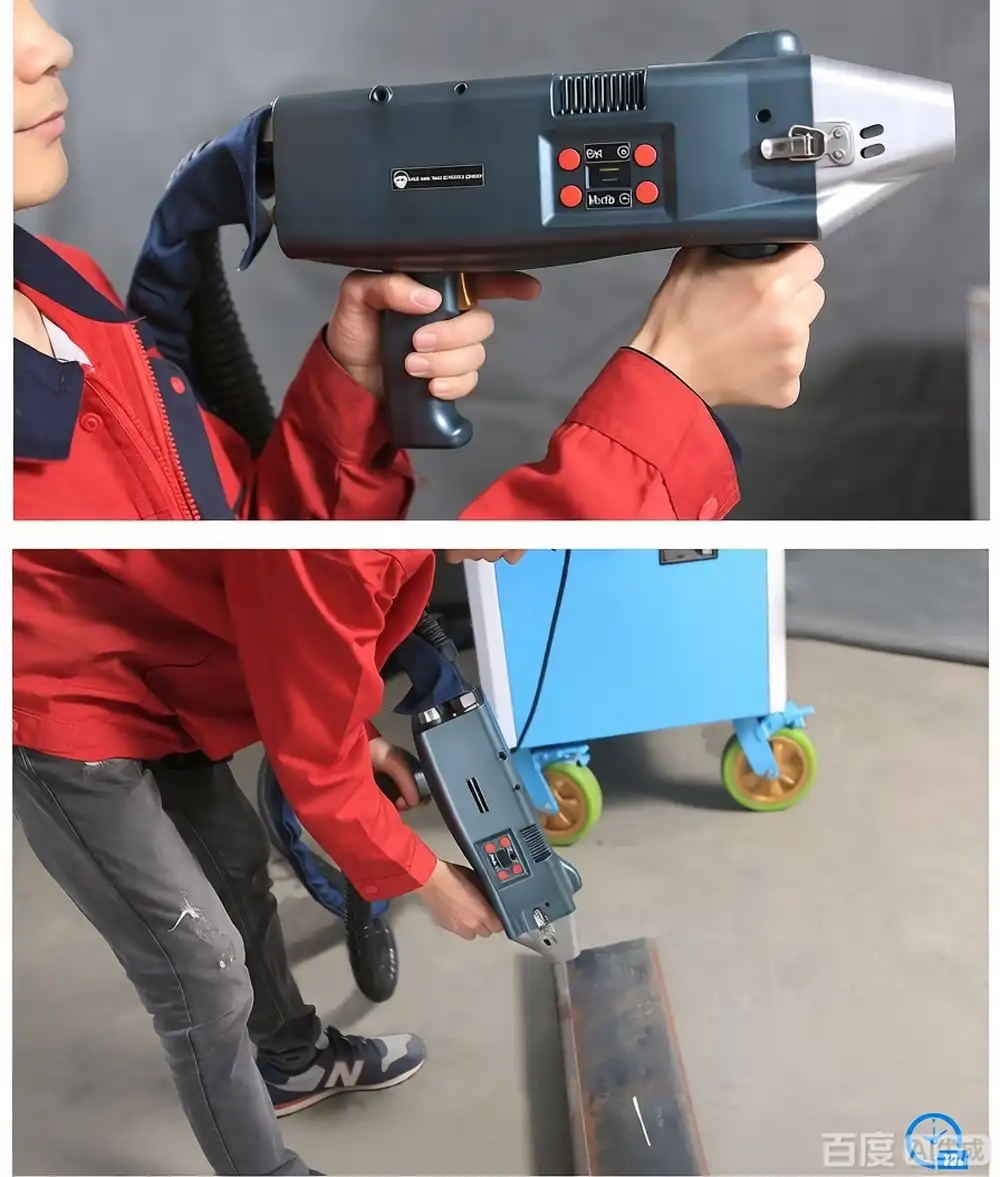
Laser cleaning technology works
The process starts when a pulsed laser beam hits dirt. The contaminated layer evaporates or sublimates instantly when laser light heats it. Colors and power affect rust, paint, oil, and oxidation differently. For optimum outcomes, operators may modify settings. Modern systems use automatic focussing to maintain cleaning depth independent of surface curvature.
Users may readily utilize industrial laser cleaners. Simply plug them in and open the machine to clean without chemicals, solvents, dust, or water. A portable laser rust remover concentrates and cleans automatically. These tools remove glue, grease, filth, stains, burned residue, paint, coatings, and more.
Fiber Laser vs. CO2 Laser Cleaning Systems
Fiber laser cleaning equipment are used in industry because they operate effectively on metal. These reactions produce 1064-nanometer waves that metals absorb efficiently. The tiny Fiber laser source produces the same quantity of light for thousands of hours with no maintenance. CO2 laser cleaning works effectively on biological materials and certain non-metallic activities at 10,600 nanometers, although heavy industry seldom uses it.
Precision, environmental friendliness, and less waste are benefits over conventional cleaning. Repair, surface preparation, and refurbishing are done in heavy industry, aerospace, automobile, and electronics using the technology.
Material and Industry Applications
Iron, carbon, stainless, rails, aluminum, mold steel gears, steel pipes, and copper alloys perform well with this machine. Surface plating, coatings, rust, oil stains, and filth are removed. Mold maintenance, electronics, repairing cultural relics, food processing, aviation, rail transportation, shipbuilding, tire molds, automobile manufacturing, electronics, and high-end machine tools may benefit from this technology.
Heavy manufacturing laser cleaners remove rust and oxide from ship hulls and rail equipment. Without mechanical stress, precision equipment shops polish molds and gears to the micron level. Aerospace manufactures must remove paint and prepare for welding with high quality. The electronics industry cleans circuit boards and chips to eliminate chemicals. Conservationists and food processors eliminate microorganisms without chemicals. This keeps artifacts clean.
Key Considerations When Buying a Laser Cleaner in China
To pick the correct laser cleaner, you must know your cleaning objectives, area size, power needs, and technical parameters. After that, every buying decision depends on your application knowledge. Shipyards that remove marine coatings require different equipment than electronics makers that clean fragile PCB parts.
Defining Your Cleaning Requirements
Make a list of the things you need to clean, the kinds of dirt they have, and how fast they can be cleaned. Aluminum parts with light rusting don't need as much strength as carbon steel parts with heavy rust. Which is more efficient: handheld portable units or automatic robots systems? It depends on how much surface area they cover. Whether it makes economic sense to use batch processing or continuous-line integration depends on how much is being made.
Portable Versus Stationary Systems
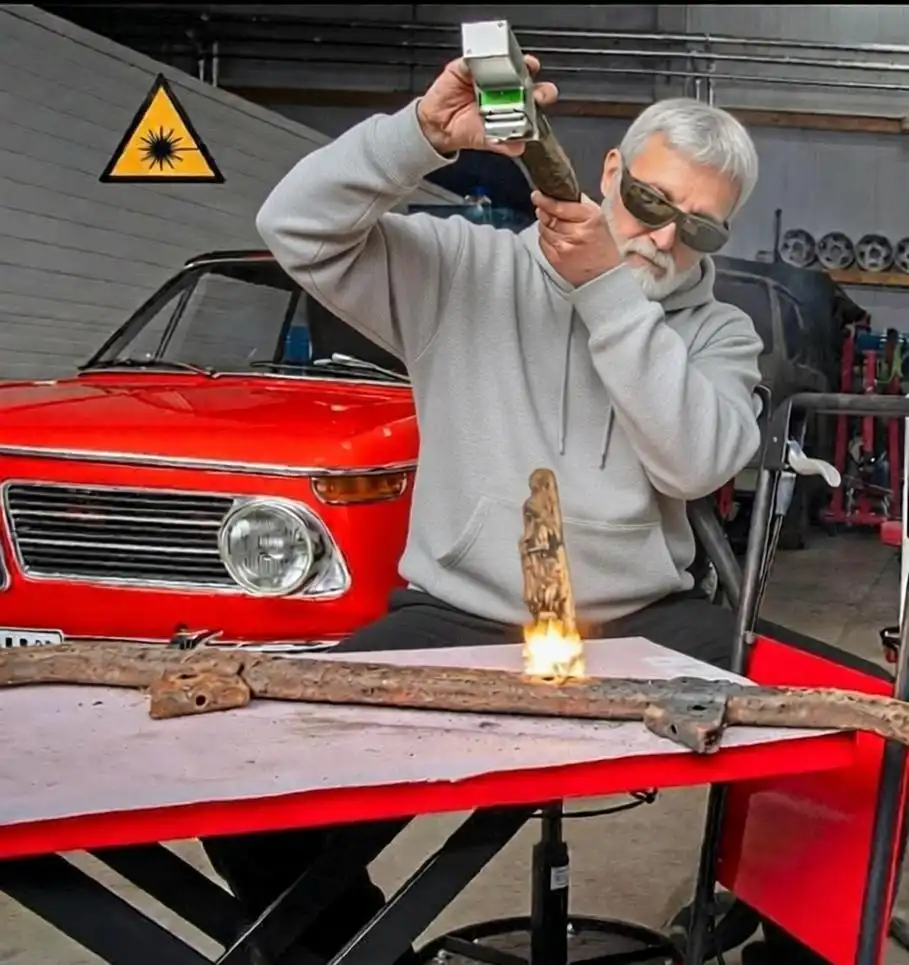
Portable handheld laser cleaners are very useful for maintenance tasks, fixes in the field, and cleaning up big buildings that can't be moved. The power of these units is usually between 50 and 200 watts, which is more than enough for jobs like removing rust, pulling paint, and getting surfaces ready. Because they are small and light, and easy to use, users can get to tight areas and complicated shapes.
Stationary systems, which often have power rates of more than 500 watts, are better for automatic production settings. These devices work with robotic arms, conveyor systems, and quality control checks. The extra power lets the cleaning go faster and deeper, which is good for areas with a lot of dirt and for processing a lot of data at once.
Technical Specifications That Matter
Laser type determines wavelength and maintenance. Reliable and effective fiber lasers are the most popular. Pulse frequency impacts cleaning speed. Higher frequencies remove pollutants quicker but need more complicated control mechanisms. The beam's quality impacts its focus and energy distribution across the cleaning region. Cooling systems prevent overheating during extended procedures. Low-power equipment can be cooled by air, while high-power industrial systems require water cooling.
Budget Planning and Cost-Performance Balance
Chinese companies make a wide range of types at a range of prices, so customers can find the best combination of price and function. Small workshops and repair teams can save money by using entry-level handheld units. Mid-range systems have more advanced features, such as tracking in real time and settings that can be changed. High-end automated systems allow large-scale manufacturing companies to get the most work done.
Budget concerns go beyond the initial cost of the buy. Operating costs include things like electricity use, repairs, and possible replacements like safety glasses. To find the total cost of ownership, you need to project the running costs over five years, along with the gains in output and the savings in labor.
Evaluating Supplier Reliability and Support
Reliable suppliers offer long-term commercial value. See whether the manufacturer has CE, ISO, and business-related certifications. Established companies with 10 years or more are steady and experienced. Perfect Laser, a 1995 startup with national patents and international reputation, is an example.
Warranty insurance protects your investment from manufacturing defects and early failures. For significant purposes, you can secure longer warranties beyond one to two years. How soon you can address technical issues relies on after-sales support. Online diagnostics, 24/7 professional help, and local service networks reduce failure risk. Training programs ensure your employees know how to operate and maintain your equipment.
Top Laser Cleaner Suppliers and Brands in China
China is home to many well-known companies that make laser cleaners that are known for their quality and creativity. There is a lot of knowledge in places like Guangdong, Jiangsu, and Shandong provinces. This has created competitive environments that push technology forward and quality up. When you buy laser cleaner tools from well-known Chinese companies, you get access to their technical knowledge and production skills that have been tested and proven.
Leading Manufacturers and Their Strengths
Since 1995, Perfect Laser has pioneered laser equipment development. The company boasts two R&D labs, 63 national patents, and world-leading core technologies. They provide over 300 tools for hardware, electronics, cars, planes, and more. To ensure quality and consistency, companies utilize CO2 laser meters, CNC grinding machines, and AC variable voltage power simulators.
Other well-known brands are famous in particular sectors. These professionals make ultra-high-power equipment for heavy industries. Others choose tiny, mobile equipment for fieldwork. Many organizations are skilled at creating specialized automation systems for laser cleaning on existing manufacturing lines. This variation helps procurement managers locate vendors for certain company demands.
Certification and Quality Verification
Verifying suppliers via certificates, customer reviews, and formal sales platforms reduces the danger of bogus products. CE accreditation shows legitimate manufacturers satisfy European safety requirements. Sending products to Western markets requires this. TUV and SGS certificates confirm quality management and manufacturing activities. ISO 9001 certification ensures quality control throughout manufacturing.
Case studies and consumer feedback demonstrate real-world operations. Established dealers maintain databases of overseas clientele eager to provide operational references. The factory owner or a third-party inspection agency assesses the factory's production and quality control. Authorized distributor networks demonstrate a maker's commitment to sales and customer service.
Successful International Partnerships
European and American corporations have worked with Chinese laser cleaner vendors for consistent quality, fast delivery, and scalable sourcing. Volkswagen and other German manufacturers have replaced chemical cleaning stations with Chinese production line laser cleaners. U.S. aircraft part manufacturers fulfill tight industry requirements by laser cleaning the surface before finishing.
These relationships operate best with clear communication, technological standards, and quality and timing commitments. Regular factory inspections, third-party quality checks, and performance benchmarking provide accountability. Long-term client relationships help manufacturers understand their demands, leading to tailored solutions and improvement.
Step-by-Step Guide: How to Buy a Laser Cleaner Online from China
To purchase a laser cleaner online, you need to do a lot of research to find reputable sellers on sites you can trust. Then, you need to ask for specific product information and certifications. The digital procurement environment gives Chinese makers more access than ever before, but it takes methodical methods and careful research to find your way around it.
Research and Supplier Identification
Start your search on well-known B2B sites that check the qualifications of suppliers. Before listing their goods on these platforms, producers usually have to show proof of their business licenses, plant certifications, and operating histories. Sort search results by seller evaluation scores, transaction quantities, and customer review scores. Manufacturer websites have more details about the history of the business, what it can make, and its technical specs.
Buying directly from the maker can often get you better prices and more customization choices than buying through a trading company or middleman. Make sure that the names on the list are actually manufacturing sites and not just resellers. Ask for pictures, movies, and paperwork about quality control from the plant. Well-known makers are happy to give you this information, which shows that you can trust their business.
Technical Evaluation and Sample Testing
Ask for detailed technical information, like user guides, repair instructions, and performance specs. Laser power, wavelength, pulse frequency, beam quality, cooling needs, and operational connections should all be listed in detailed parameter files. Electrical specs make sure that the product will work with the power systems in your building. The equipment's physical measurements make sure it fits in the place where it's supposed to go.
Before agreeing to full orders, performance claims are checked with samples. Many providers do cleaning tests on materials that the customer provides, and they keep records of the results with photos of the items before and after they were cleaned, as well as measurements. This service is especially useful for one-of-a-kind products or uses. Some companies have display places where people who might buy their products can see how they work and test it out for themselves.
Price Negotiation and Order Terms
Do some study on the average market price for similar specs to get ready for negotiations. Asking about bulk orders often leads to big prices, and buying more than one item saves you a lot of money. There are different ways to pay, ranging from full payments for smaller orders to deposit-and-balance plans for bigger deals. Letters of credit offer extra security for big investments, but they come with extra bank fees and take longer to process.
Make sure you understand all of the costs that go into it, such as the price of the laser cleaning machine for sale, the package, the shipping to and from the port, the insurance, and any customs taxes that may apply. Knowing the total landing costs keeps budget shocks at bay. Choosing between air freight for fast deliveries and sea freight for lower costs affects both delivery times and costs. Ask for clear proof of all fees along with detailed quotes.
Quality Assurance and Pre-Shipment Inspection
Third-party services that do pre-shipment checks protect the integrity of the deal. Independent testing companies make sure that the equipment being made meets the agreed-upon standards, that it is properly packaged, and that the state of the equipment is recorded before it is shipped. If problems happen, inspection records can be used as objective proof to back payment releases and insurance claims.
Buyers or their agents can watch how equipment works during factory acceptance testing before it is shipped. During these tests, the equipment is put through its normal working cycles. This checks the performance factors and finds any possible problems so they can be easily fixed. Test results that are written down become part of the quality record for the tools.
Secure Payment Methods and Transaction Protection
Choose payment methods that safeguard buyers and sellers. Escrow services retain funds until delivery evidence is provided, protecting both parties. Major B2B platforms provide trade assurance schemes that reimburse items that don't match criteria. Bank wire payments are still common, but they don't provide many problem-solving choices, so they're ideal for supplier relationships.
Document all transactions, including shipping documents, purchase orders, technical requirements, and correspondence. This document resolves disputes and supports guarantees. Both parties are protected by clear contractual conditions that address performance guarantees, delivery timelines, insurance coverage, and dispute resolution.
Maintenance and Safety: Maximizing the Value of Your Laser Cleaner
With regular upkeep, laser cleaners keep working at their best and last a lot longer. When you keep your equipment in good shape, it cleans consistently, has less unplanned breaks, and saves your investment. Setting up regular maintenance plans and safety rules makes operating frameworks that can be relied on.
Routine Maintenance Procedures
For optimal beam quality and energy transmission, optical components must be regularly examined and cleaned. Workers' protective glasses collect dust and other particles, progressively reducing power output. These parts operate like new after cleaning with the correct chemicals and lint-free materials. In dusty environments, objects need to be replaced more regularly.
For appropriate temperature regulation, check cooling systems regularly. Air-cooled systems require clean input screens and unobstructed airflow. Water-cooled systems require frequent coolant checks, fluid replacement, and line checks for leaks or blockages. The correct laser source temperature prevents parts from breaking and extends its life.
Manufacturers update software with bug repairs, new features, and performance enhancements. Regular updates ensure your equipment has the latest features. To ensure accurate findings, parameter settings are reviewed during calibration. The cleaning is consistent throughout manufacturing runs.
Operator Safety Protocols
Safety rules keep workers safe from laser rays and other risks that come with their jobs. Laser safety glasses that are rated for the frequency of your tools are very important for protecting your eyes. Injuries can be avoided by wearing the right safety gear and following the laser safety rules at work. Laser safety officers are in charge of making sure that government rules and company policies are followed.
Enough air gets rid of vaporized pollutants in work areas, which is good for your lung health. Fume extraction systems catch and filter the particles in the air that are made when cleaning. Monitoring the air quality on a regular basis proves that ventilation works. Operators learn how to spot hazards, what to do in an emergency, and how to use tools correctly through training programs.
Environmental and Economic Advantages
Laser cleaning eliminates chemical waste and rough material disposal, making it environmentally friendly. Traditional cleaning methods produce hazardous waste streams that are costly to treat and remove. Laser cleaning generates largely dissolved pollutants that may be filtered out. This reduction reduces environmental compliance expenses and simplifies regulatory reporting.
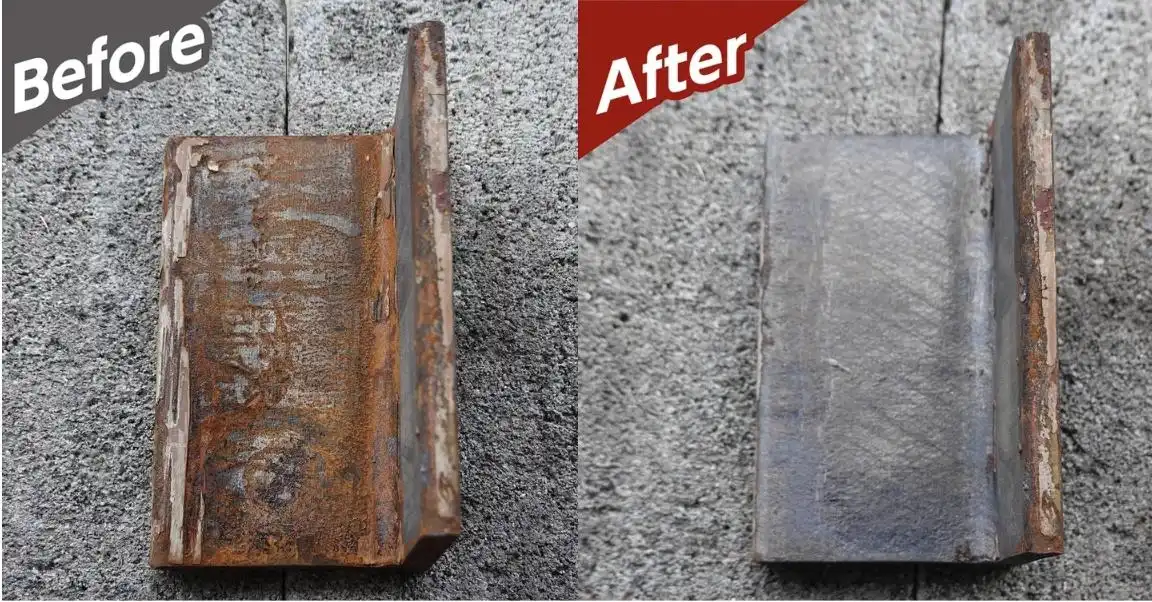
Eliminating consumables, labor hours, and machine downtime lowers operating expenses. Chemical cleaning requires purchasing chemicals and paying to dispose of them. Abrasive blasting uses media and new components. Laser cleaning requires simply energy and lens replacement. Higher efficiency boosts output and ROI.
Conclusion
Buying laser cleaning equipment from China has a lot of benefits for business buyers who want to get the latest technology at a good price. The country's manufacturing sector is well-developed and offers a range of choices from well-known companies like Perfect Laser, whose 25-year background in business shows a strong dedication to quality and new ideas. For buying to go well, suppliers need to be evaluated in a planned way, technical requirements need to be made clear, and quality must be checked thoroughly. When you buy laser cleaner tools from certified, well-known makers around the world, you get access to tested technology backed by a strong support system. The switch from traditional cleaning methods is worth it because it is better for the environment, saves time and money, and allows for more precise cleaning. Strategic relationships with reputable Chinese makers give you access to reliable tools, quick technical support, and flexible buying options that improve your business's abilities.
FAQ
1. What are typical lead times when ordering laser cleaners from China?
Standard production models are delivered two to four weeks following purchase confirmation. Custom configurations with additional features or system integration might take six to eight weeks. How shipping is done affects delivery time. Air freight comes in one week, but marine freight takes four to six weeks. Perfect Laser stocks popular models to address urgent demands quicker. Avoid scheduling conflicts by setting output targets during negotiations.
2. Can Chinese manufacturers provide customization and OEM services?
Many established manufactures may customize their instruments to meet each business's demands. OEM services include customized labeling, bespoke color schemes, specialized software interfaces, and built-in automation. Perfect Laser engineers build tailored solutions with customers. They support themselves with 63 national patents and excellent R&D technologies. Minimum OEM order quantities vary on modification complexity, although large adjustments normally start at five to ten units.
3. How do fiber laser cleaners compare to conventional cleaning methods?
Fiber laser cleaners clean faster, utilize fewer parts, and labor less. Chemical cleaning takes time to apply, react, and remove. Laser cleaning, however, cleans in one pass. Abrasive blasting generates waste that must be discarded and refilled regularly. Laser cleaning eliminates impurities without damaging the material and provides exact control. Laser cleaning is getting more popular since it is costlier but healthier for the environment and saves money over time.
Partner with Perfect Laser for Reliable Industrial Laser Cleaning Solutions
Perfect Laser is ready to help you with your buying needs by providing you with high-quality laser cleaning equipment that is made to meet international standards. Customers looking to buy laser cleaner systems can rely on our extensive manufacturing experience and global service network. As a leading laser cleaner supplier since 1995, we've delivered over 300 different types of equipment in 20 different product lines to customers in over 40 countries, including Germany, Japan, Italy, the US, and more. Our CE, TUV, and SGS standards show that we always put quality first. With two research and development centers, 63 national patents, and state-of-the-art testing facilities, we can come up with answers that solve the problems your industry is facing. Our online service is available 24 hours a day, 7 days a week, and offers free product advice, personalized suggestions, sample trying, and full support after the sale. Email our team at [email protected] to talk about your needs and get full technical specs that are made to fit your business.
References
1. Chen, M., & Liu, X. (2022). "Laser Cleaning Technology: Principles and Industrial Applications." Journal of Manufacturing Processes, 45(3), 287-304.
2. Zhang, H., Wang, Y., & Li, Q. (2021). "Comparative Analysis of Surface Preparation Methods in Aerospace Manufacturing." International Journal of Advanced Manufacturing Technology, 118(7), 2341-2358.
3. Thompson, R. J. (2023). "B2B Procurement Strategies for Industrial Equipment from Asian Manufacturers." Supply Chain Management Review, 27(2), 45-62.
4. Wu, S., & Anderson, P. (2022). "Environmental Impact Assessment of Laser Cleaning versus Traditional Methods." Journal of Cleaner Production, 334, 130186.
5. European Laser Safety Association. (2023). "Industrial Laser Safety Standards and Best Practices." Brussels: ELSA Publications.
6. Kumar, A., & Schmidt, F. (2021). "Quality Assurance Frameworks for International Manufacturing Partnerships." International Journal of Quality & Reliability Management, 38(6), 1423-1441.

share your inquiry, get the quotation accordingly.
第一张审核员说包含其他公司不能用_1755049724891.webp)
Perfect Laser – Global Manufacturer of Reliable Laser Solutions


